

Gilt Bronze Ornaments
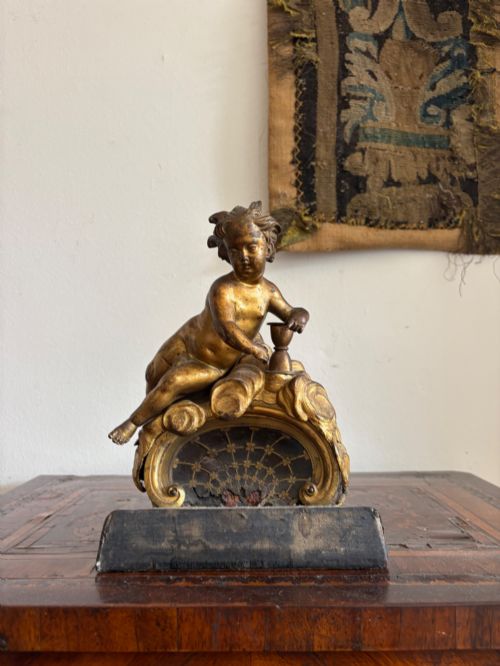
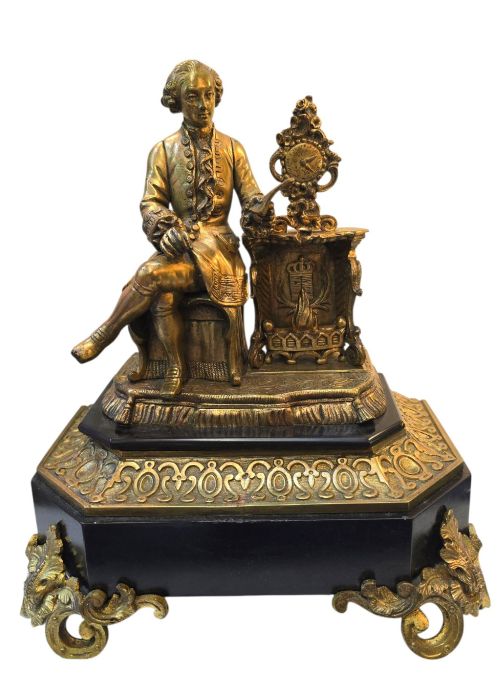
These gilt bronze ornaments bring together nineteenth-century French foundry work, classical revival figures and decorative desk accessories in lasting metal.
Gilt Bronze Ornaments
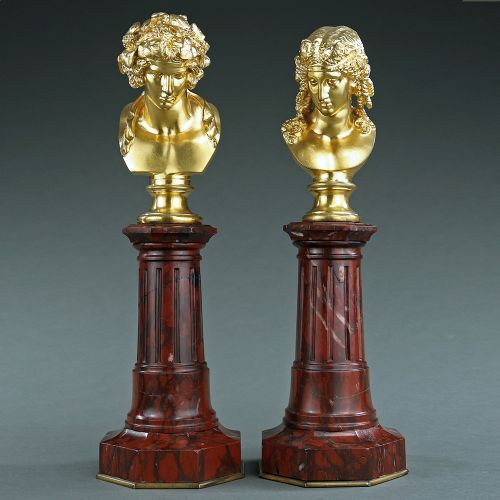
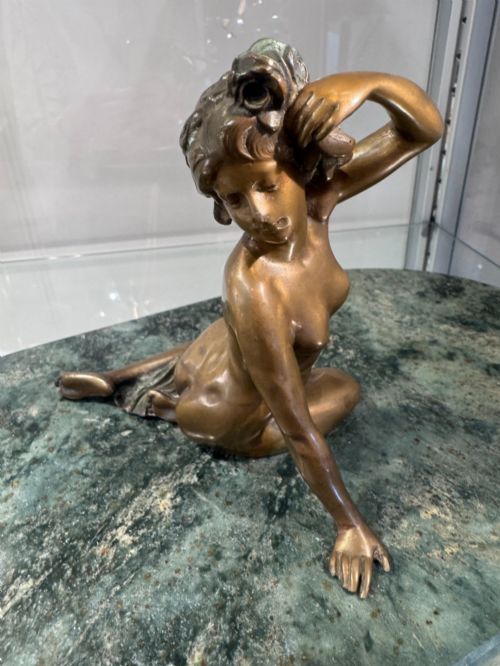
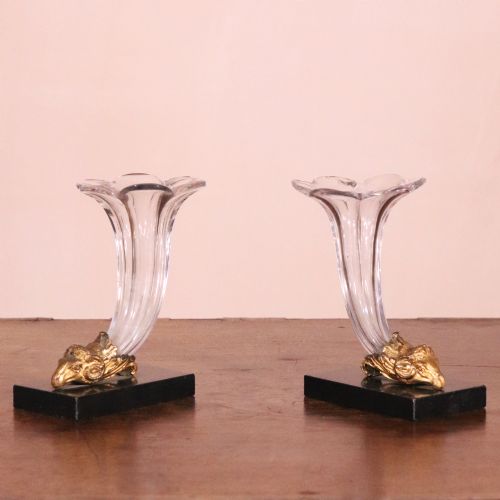
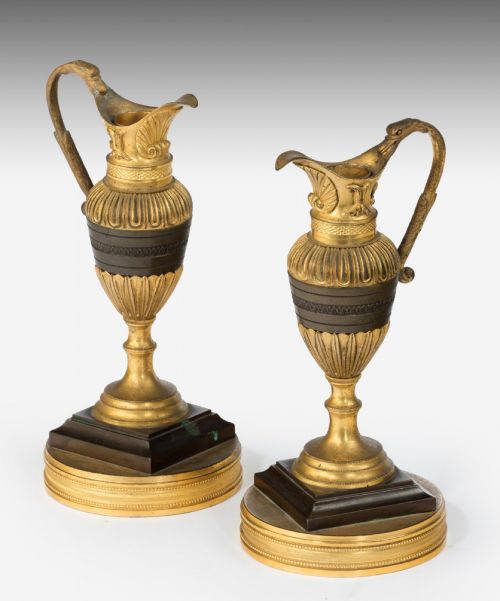
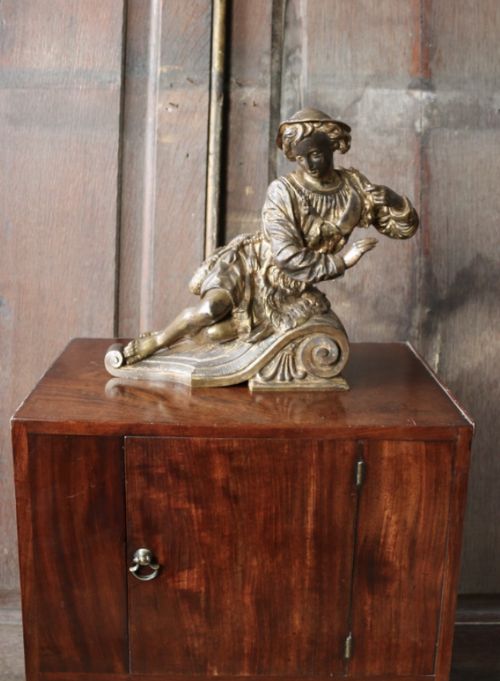
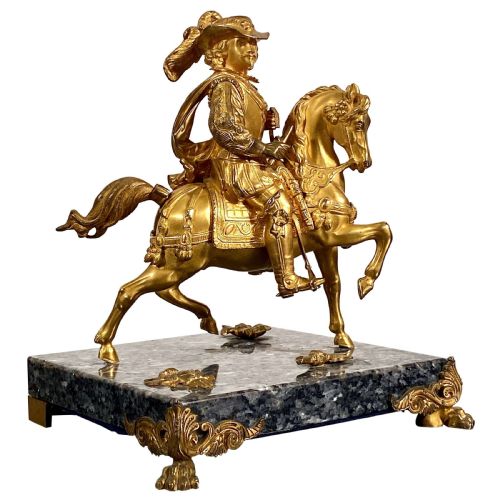
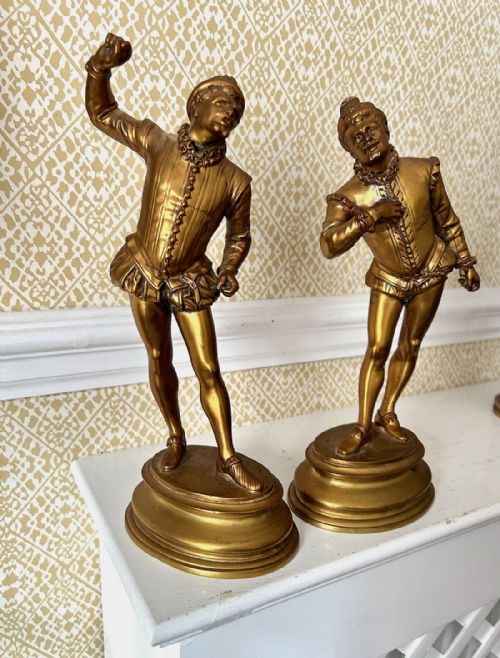
Buyers seeking gilt bronze ornaments encounter a varied selection of nineteenth-century French desk pieces, figural sculptures, and decorative mounts. These objects range from Grand Tour busts and animal studies to architectural chenets and cassolettes.
The nineteenth century dominates the available forms, alongside touches of Art Deco styling and earlier centuries. Pieces frequently incorporate marble bases, glass inserts, or enamel details alongside the cast metal.
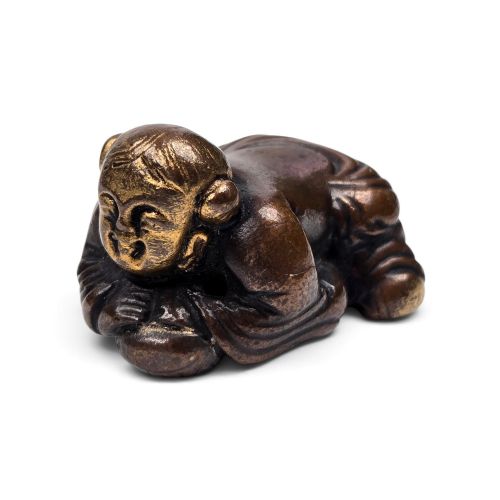
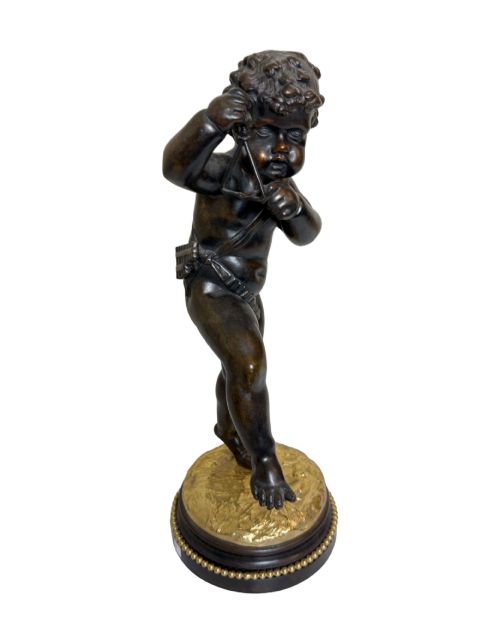
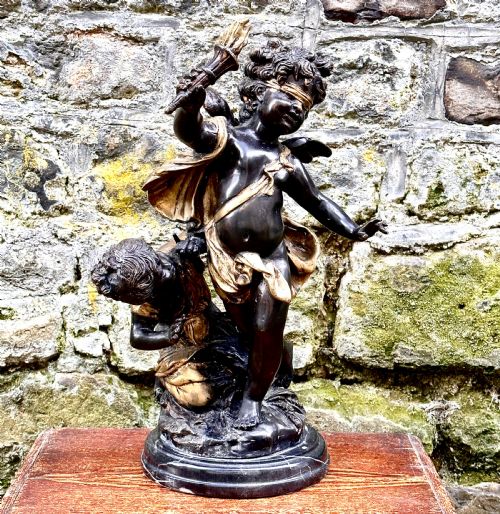
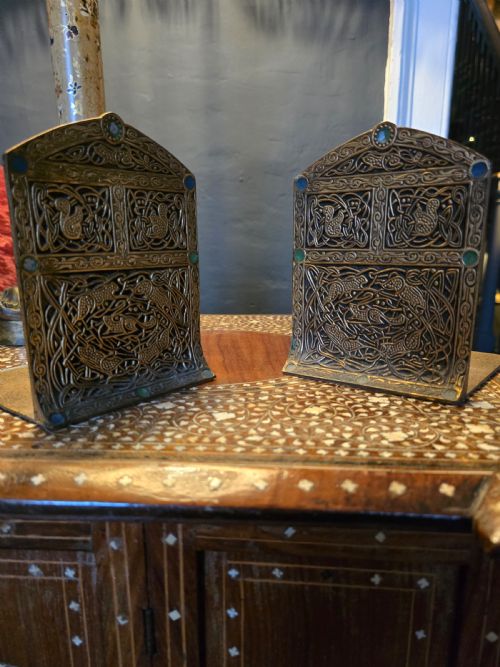
Figural subjects vary widely, spanning mythological characters, animals, cherubs, and literary figures. Functional items such as inkwells, paperweights, and bookends appear alongside purely decorative statuary.
How they were made
Foundries shaped these items through solid-cast or hollow-cast bronze techniques, often applying fire-gilding or ormolu to achieve a bright golden surface. Patinated bronze surfaces frequently contrast with the gilt highlights.
Makers integrated supporting materials like white marble, malachite, opaline glass, and carved ivory into the metal frameworks. Enamel work and cold-painted finishes added further colour variety to figures and decorative vessels.
Listings feature items spanning the Victorian era through the 1930s, using bronze, gilt metal, marble, and glass.
What varies in quality
The preservation of the original mercury gilding or ormolu finish dictates much of a piece's visual impact. Smoother surfaces and even coloration separate master foundry output from simpler provincial work.
Poix Blin·Tiffany Studios New York·Emile-Coriolan Guillemin·Antoine Louis Barye·Louis Riche·Paul Philippe·Christophe Fratin·Jennings Brothers
The Gilt Bronze Ornaments Glossary
- Ormolu
- A gilded bronze surface created by applying a mixture of gold and mercury to the metal. This technique produces a characteristic warm, golden lustre on nineteenth-century French objects.
- Cassolette
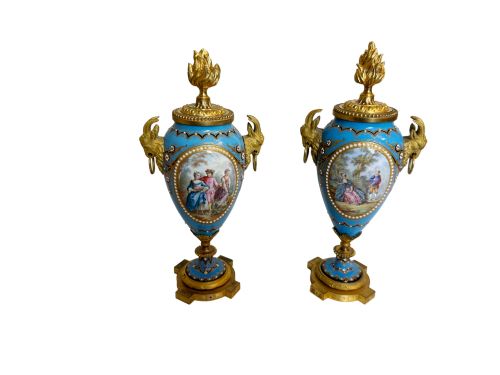
- A decorative dual-purpose vessel that functions as a vase or a perfume burner. These objects often pair gilded mounts with marble or glass bodies.
- Chenet
- A metal firedog placed at the hearth to support logs. French examples frequently feature cast figures or rococo scrollwork.
- Applique
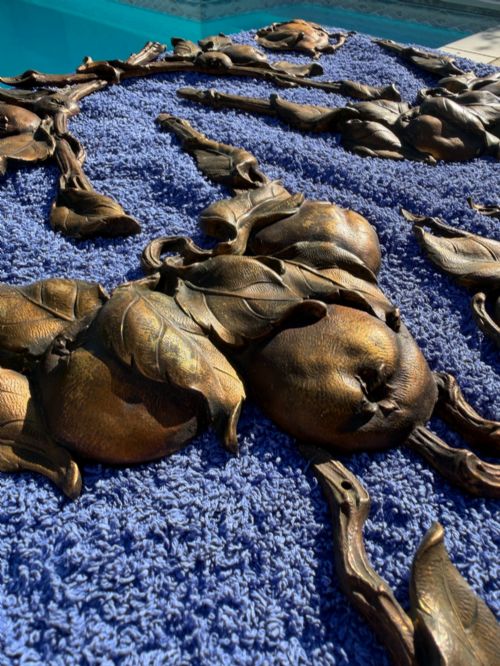
- An ornamental metal plaque designed to be fixed to a wall, furniture piece, or mirror frame. They often take the form of floral garlands or figural mounts.
- Chryselephantine
- A sculpture combining bronze metalwork with carved ivory elements. This technique gained prominence during the Art Deco period.
Gilt Bronze Ornaments: Frequently Asked Questions
What is the difference between ormolu and gilt bronze?
Ormolu specifically denotes objects gilded with a mercury-gold amalgamation technique common in traditional French manufacturing. Gilt bronze serves as a broader descriptive term for any bronze object coated in a layer of gold.
While both terms describe gold-finished metal, older pieces from Parisian workshops are frequently catalogued under the historic term ormolu.
How do I clean gilt bronze ornaments?
Dust these metal pieces gently with a soft, dry brush to prevent accumulation in the recesses of the casting. Avoid abrasive polishes or chemical cleaners that strip the historic surface.
Water and harsh detergents can damage exposed bronze or dissolve older lacquers, so gentle maintenance preserves the original finish best.
Are these pieces solid bronze?
Foundries produced these items using both solid-cast and hollow-cast methods depending on the size and purpose of the object. Larger decorative figures and animals are typically hollow-cast to reduce weight.
Smaller desk pieces and paperweights were frequently cast as solid bronze to provide necessary heft during use.
How can I tell the period of a gilt bronze piece?
Stylistic indicators such as Neoclassical symmetry, Rococo asymmetry, or Art Deco geometry provide initial clues to a piece's date of origin. Foundry marks, artist signatures, and the type of secondary materials like marble or glass also help establish the era.
Comparing the crispness of the chasing work against known foundry output confirms the likely manufacturing period.