




Late Victorian Brass Clock
These late victorian brass clock pieces combine precision engineering with decorative metalwork, offering functional timekeeping built to last generations.
Late Victorian Brass Clock
A late victorian brass clock encompasses a diverse range of domestic timepieces, spanning compact carriage clocks and carriage clocks designed for travel alongside architectural mantel clocks and wall clocks. These objects emerge predominantly from British workshops and French makers, often incorporating glazed panels or decorative mounts.
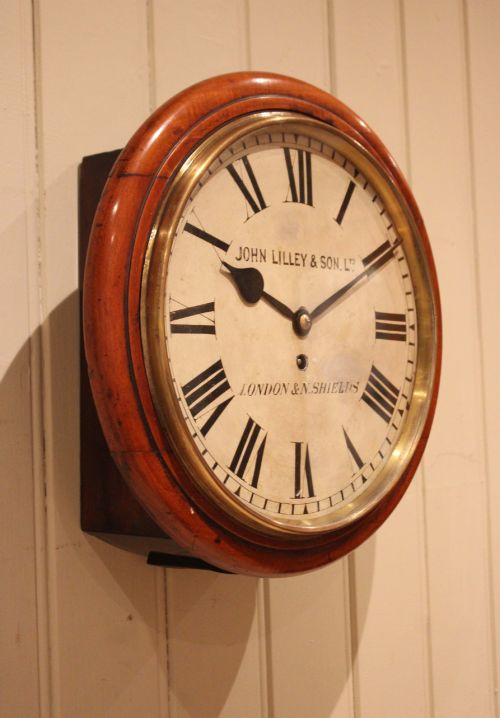
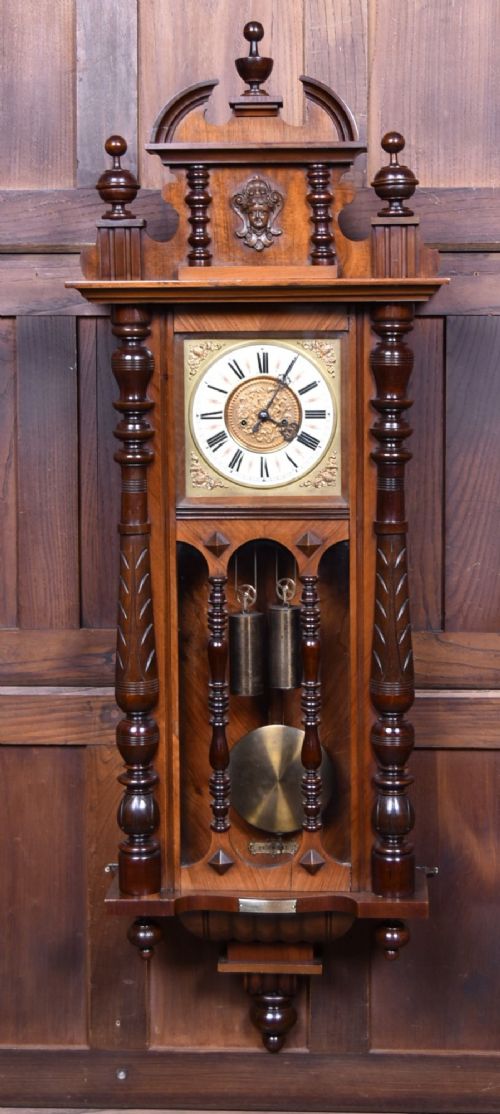
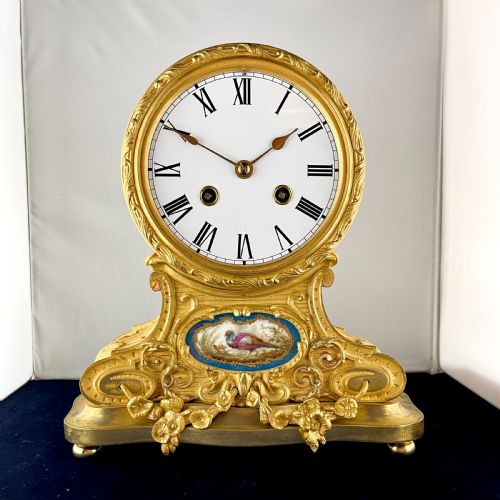
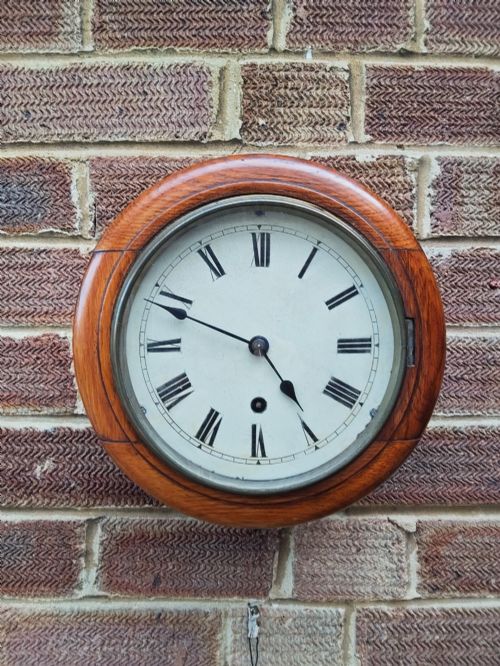
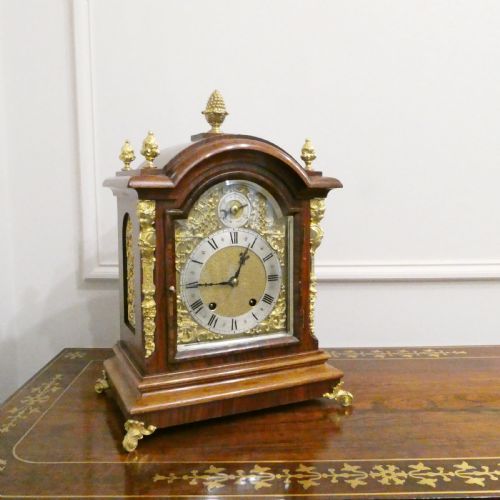
The most frequent encounter on this page is the brass-framed carriage clock, alongside mahogany, oak, and walnut case clocks featuring brass dials. Mantel clocks and wall-mounted regulators populate the selection, reflecting the domestic interior tastes of the late nineteenth century.
Materials and Technique
Metalworking techniques combine cast brass, gilt bronze, and ormolu mounts with glass panels and hand-painted enamel dials. Clockmakers house mechanical movements within timber cases of mahogany, walnut, and oak, or within polished brass frameworks.
Dial construction relies on vitreous enamel or brushed brass, with numerals painted or etched by hand. Movement assembly involves brass gears, steel pinions, and escapements driven by springs or pendulum weights.
Clock forms span portable carriage designs, wall regulators, and heavy wooden bracket cases.
The Spectrum of Workmanship
Distinction across the range rests on the complexity of the movement and the finish of the metal case. Heavier cast brass frames with chanced or engraved panels demonstrate superior workshop execution compared to pressed sheet metal alternatives.
Signed movements by known makers and retailers indicate higher tiers of production, particularly when paired with multi-train chiming mechanisms or repeater complications. Case timber selection and the clarity of enamel dial paintings further separate standard production items from finer gallery pieces.
Winterhalder & Hofmeier·Henri Jacot·Mappin & Webb·Samuel Marti·Negretti & Zambra
The Late Victorian Brass Clock Glossary
- Carriage clock
- A portable spring-driven timepiece originally designed for travel, typically housed in a brass case with glass sides.
- Fusee
- A conical pulley used in mechanical clocks to maintain even tension on the gear train as the mainspring unwinds.
- Champlevé
- An enamelling technique where troughs are dug into the metal surface and filled with vitreous enamel before firing.
- Escapement
- The mechanical linkage that regulates the release of power from the gear train to control the movement of the hands.
- Garniture
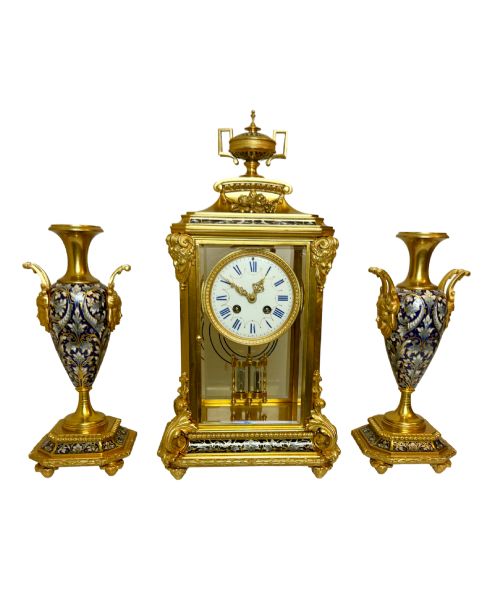
- A set of matching decorative objects, often comprising a clock flanked by matching urns or candelabra for mantel display.
Late Victorian Brass Clock: Frequently Asked Questions
How do I wind a carriage clock?
Insert the key into the winding square on the backplate and turn gently clockwise until resistance is felt. Do not overwind, as this risks damaging the mainspring.
Ensure the clock is placed on a level surface before starting the pendulum or balance wheel. Setting the time should be done by moving the minute hand rather than the hour hand.
Where should I place a mantel clock?
Position the piece away from direct sunlight, damp areas, and draughts from open windows or heating vents. A stable mantelpiece or sideboard prevents vibrations that can disrupt the pendulum beat.
Leave adequate space around the case for airflow and regular access for winding. Heavy timber and brass clocks require a structurally sound surface to bear their weight safely.
How do I tell if a clock is French or British?
Examine the movement backplate and dial markings for maker signatures, stamps, or stylistic cues. French workshops frequently produced carriage clocks and crystal regulators with distinct serial numbers.
British examples often feature fusee movements housed in regionally sourced timber cases like mahogany or oak. Retailer signatures on the dial also point towards British domestic supply chains.
What is a repeater mechanism?
A repeater mechanism allows the clock to sound the last elapsed hour and quarter-hour upon pressing a button or lever on the case. This feature was especially useful for checking the time in the dark.
Carriage clocks often utilised this complication alongside alarm functions. The extra gear train requires careful handling during regular maintenance and restoration.