
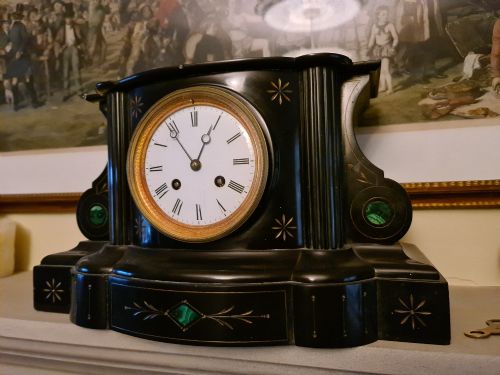
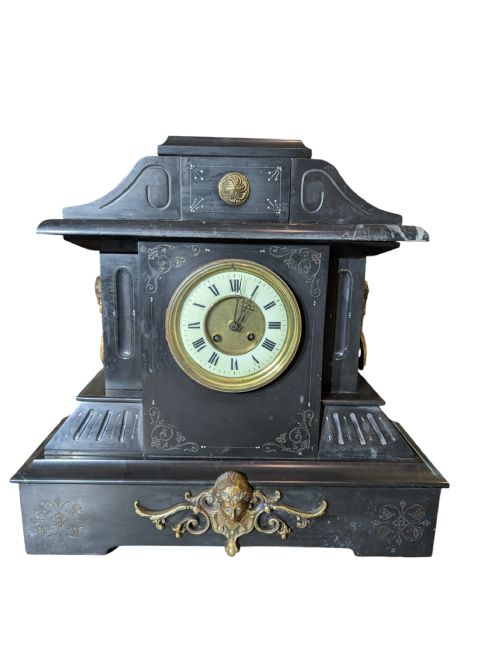
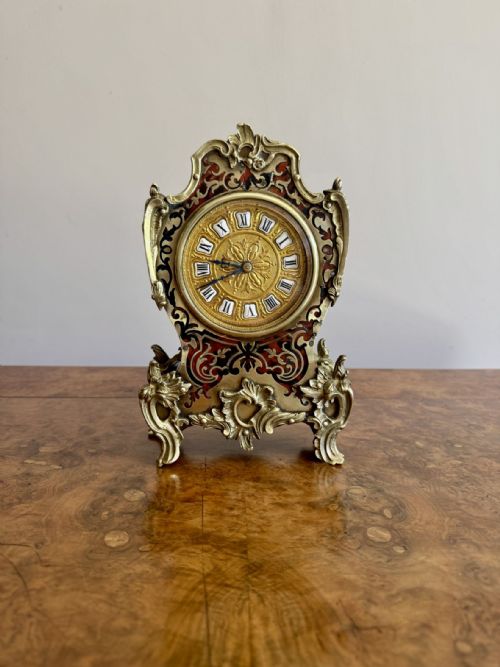

Victorian Brass Mantle Clock
A victorian brass mantle clock brings weight and precise mechanical rhythm to a room, offering both reliable timekeeping and ornate period craftsmanship.
Victorian Brass Mantle Clock
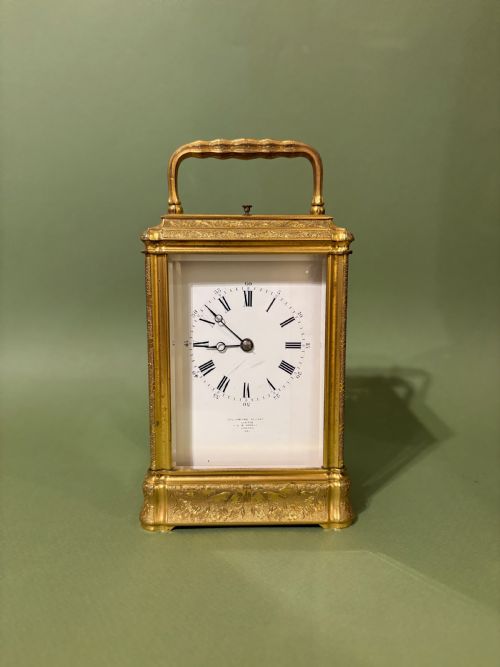
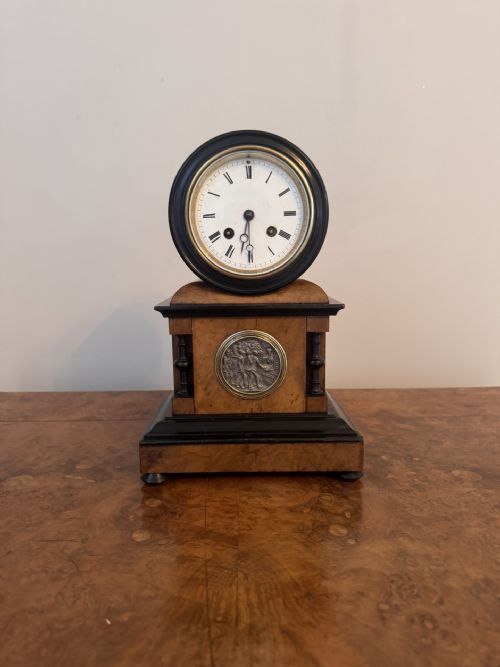
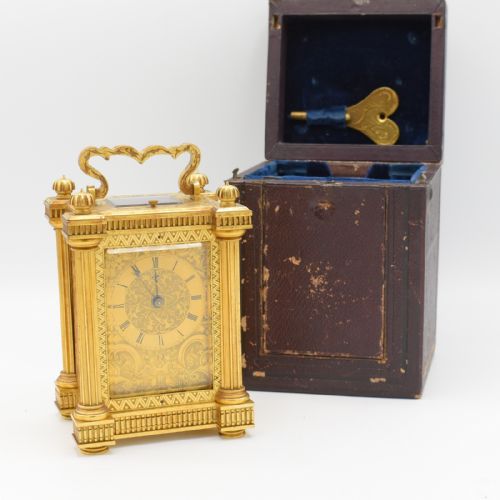
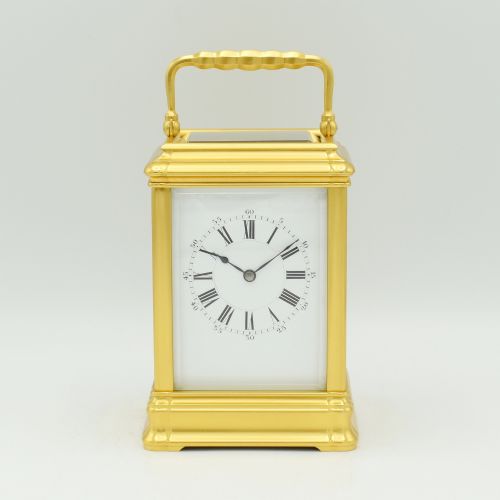
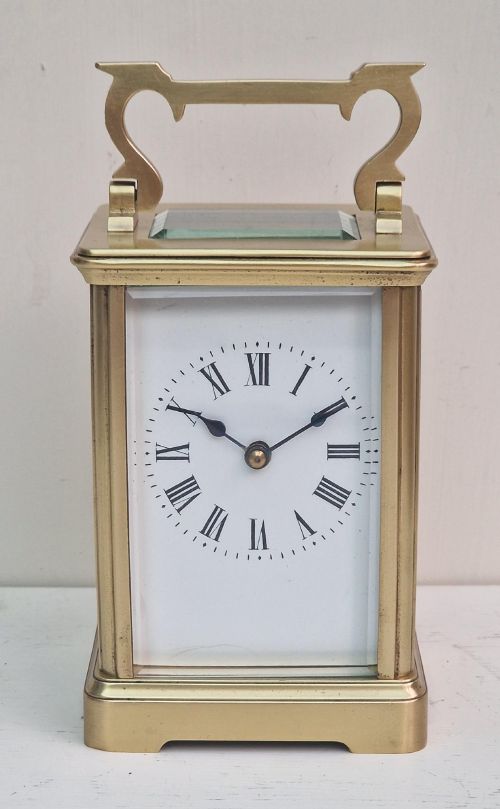
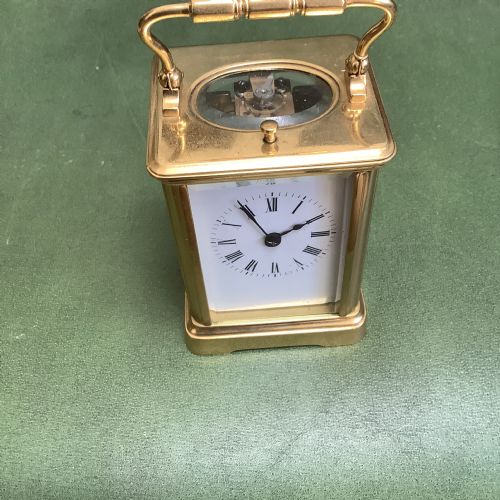
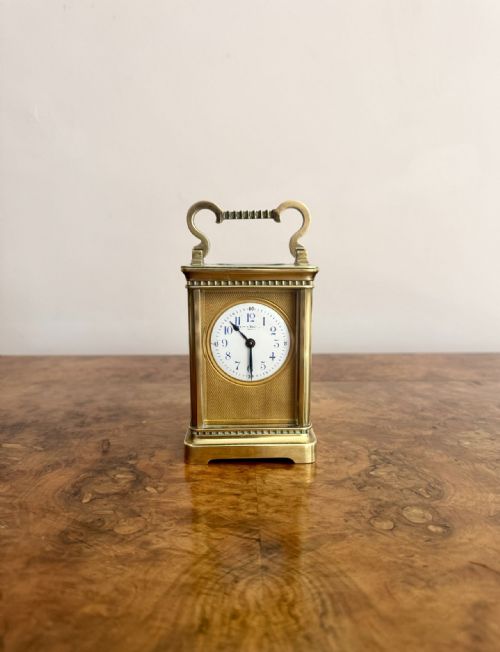
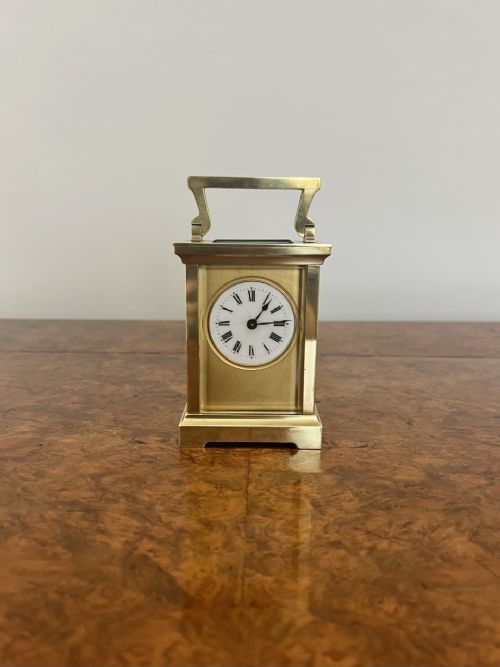
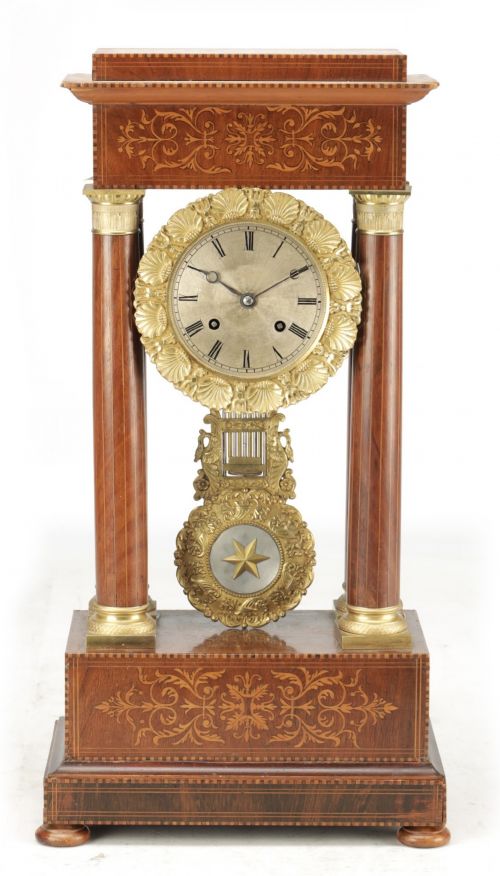
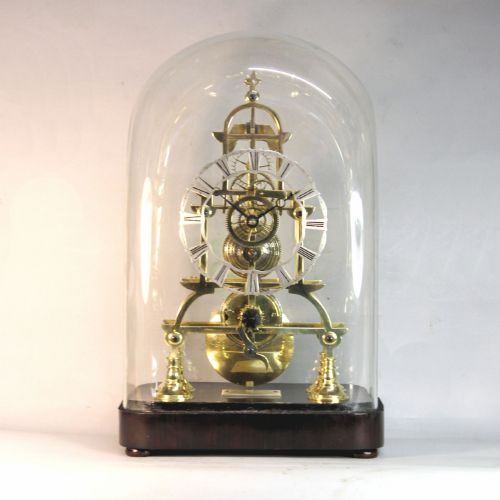
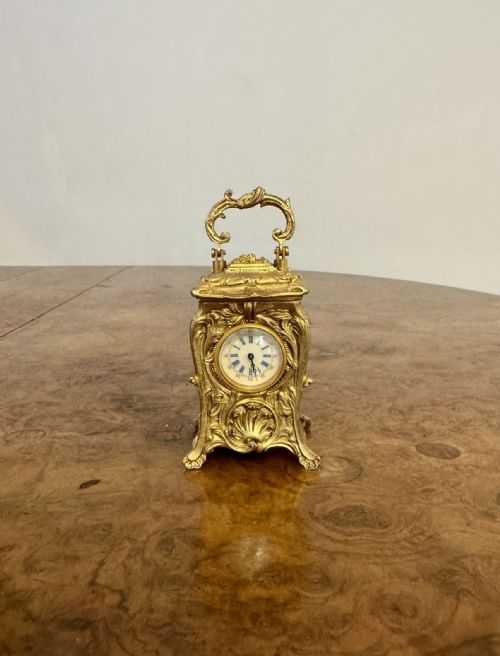
A victorian brass mantle clock encompasses heavy architectural mantel pieces, glass-sided carriage clocks, and decorative bracket designs originating across the nineteenth century.
The version most commonly met on this page is the freestanding carriage clock or the substantial mantel clock housed in gilt brass and glass.
Originating largely from British workshops and French makers during the decades between eighteen fifty and nineteen hundred, these pieces reflect domestic life and precision engineering of the period.
Materials and technique
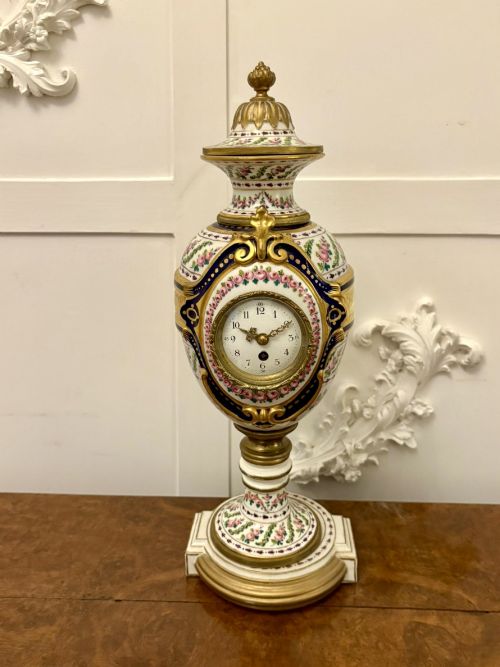
Makers constructed these clocks primarily from cast and polished brass, often combining glass panels, hand-painted enamel dials, and marble or slate bases.
Intricate metalwork techniques such as gilding, champleve enamelling, and hand engraving defined the decorative surfaces of the clock cases.
Internal movements relied on mechanical gear trains driven by springs or fuses, requiring skilled adjustment to ensure accurate timekeeping.
Recorded periods span the mid-nineteenth century through to nineteen hundred, encompassing various revival styles.
Judging the range
The finest examples display crisp casting and hand engraving on the brass case alongside complex movements like repeaters and alarms that demonstrate superior horological skill.
Simpler models feature plain polished brass housings and standard time-only movements without the decorative porcelain panels or multi-train mechanisms found in top-tier items.
The clarity and condition of the enamel dial and the presence of signed maker movements significantly distinguish higher grade pieces from standard production.
HENRI JACOT·Howell & James London·Richard Winter of Chieveley·C. Detouche Paris·Webster Cornhill London·Schneckenburger·Margaine Of France·Brunelot·Philippes Paris·Duverdrey & Bloquel·Henry Jacob
The Victorian Brass Mantle Clock Glossary
- Carriage clock
- A portable spring-driven timepiece originally designed for travel during the nineteenth century. These clocks typically feature glass panels held within a brass framework.
- Fusee
- A conical pulley used in clock movements to maintain an even pull as the mainspring unwinds. This mechanism ensures consistent timekeeping power.
- Champleve
- An enamelling technique where troughs are carved into the metal surface and filled with vitreous enamel before firing. It creates vibrant decorative patterns on clock cases.
- Repeater
- A mechanism in a clock that chimes the hours and quarters when a lever or button is pressed. This complication was especially useful before electric lighting.
- Bracket clock
- A portable clock traditionally placed on a wall bracket or table surface. They often feature wooden or brass cases with elaborate carrying handles.
Victorian Brass Mantle Clock: Frequently Asked Questions
How do I wind a mechanical clock?
Wind the clock gently using the correct key on the arbors provided on the dial or back plate. Stop immediately when resistance is felt to avoid overwinding the mainspring.
Ensure you do not force the movement in the reverse direction, as this can damage the delicate internal gear train and escapement.
Where should I place my clock?
Position the clock on a stable, level surface away from direct sunlight, draughts, and dampness. A sturdy mantelpiece or sideboard provides an ideal environment.
Check that the surface does not suffer from excessive vibrations from heavy footfall, which can disrupt the pendulum or balance wheel.
Why does the clock lose time?
Variations in temperature and the natural settling of mechanical components can alter the beat rate. Adjusting the small regulator lever on the movement often restores accuracy.
If the internal oils have dried out over time, a professional service by a clockmaker may be necessary to restore proper function.
How do I identify the date of a piece?
Examine the style of the brass casting, the design of the enamel dial, and any signature engraved on the back plate. French and British pieces often bear stamps or serial numbers.
Comparing these stylistic cues and maker marks against historical records helps narrow down the decade of production.