
French Style Gilt Clock
A french style gilt clock brings together nineteenth-century horology and ornamental metalwork, offering striking centrepieces for mantelpieces and living spaces.
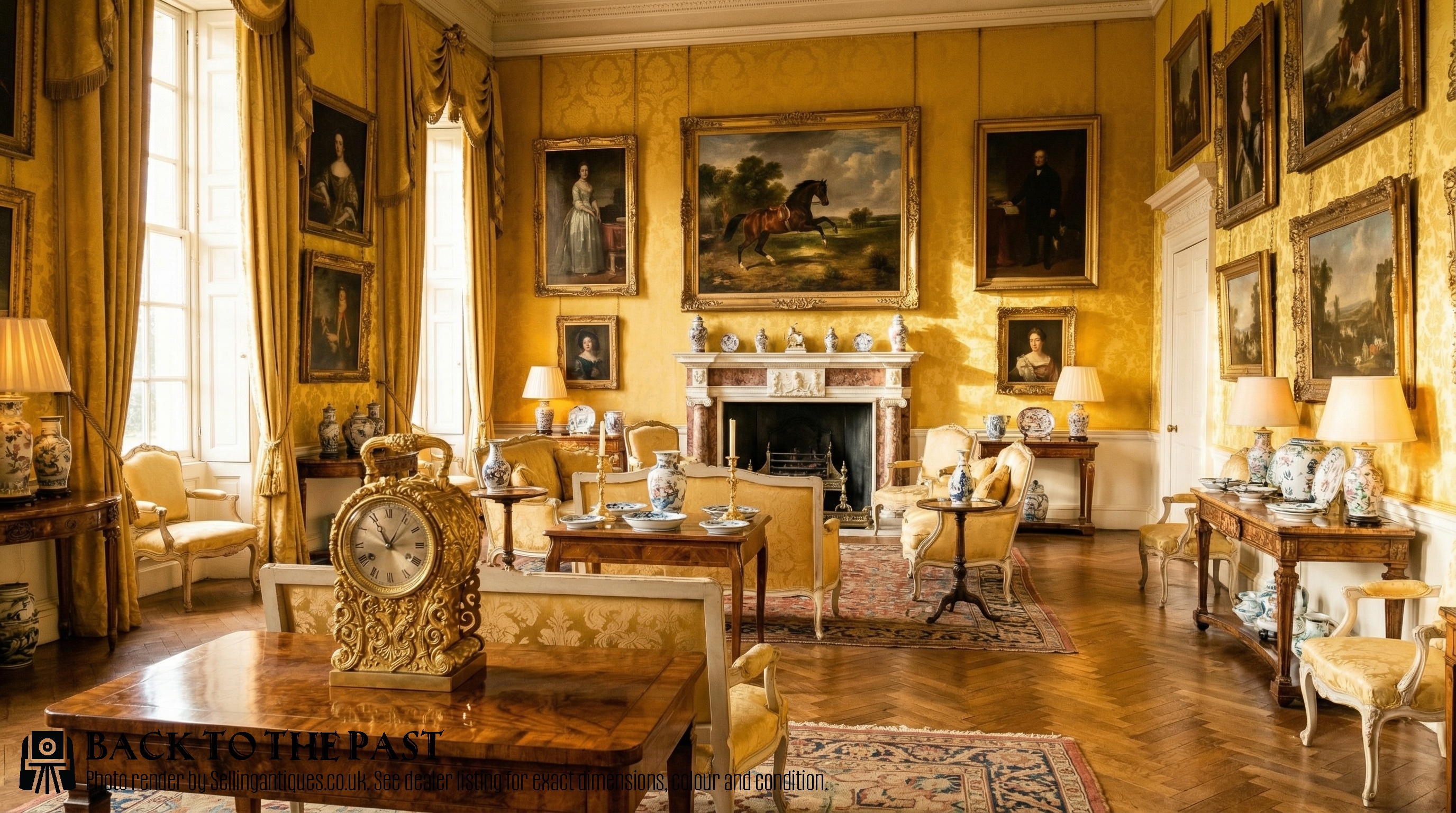
French Style Gilt Clock
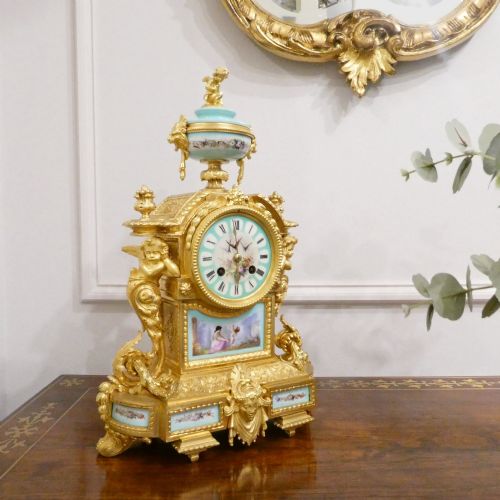
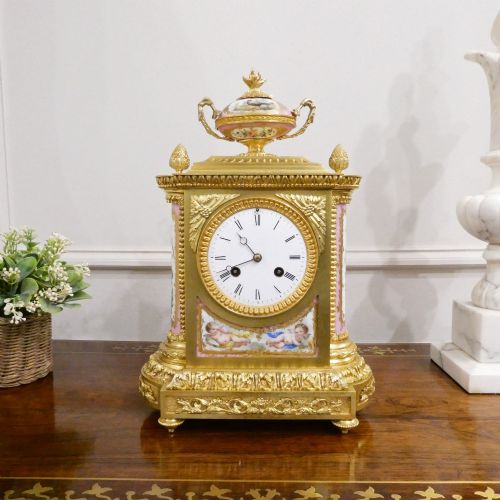
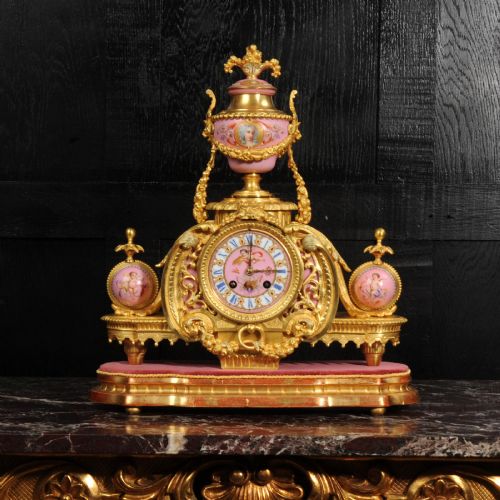
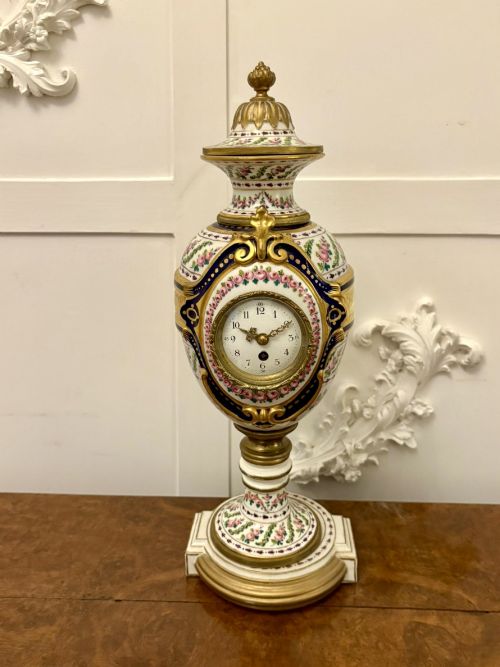
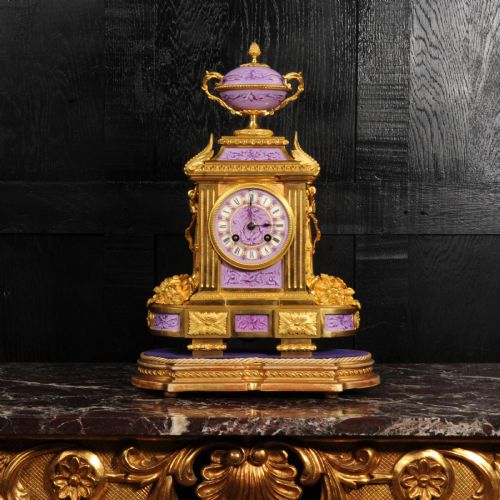
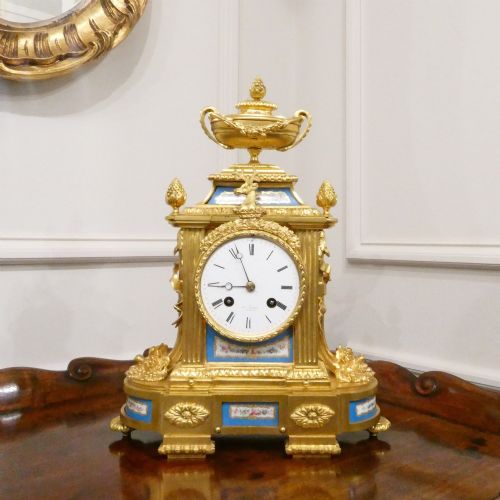
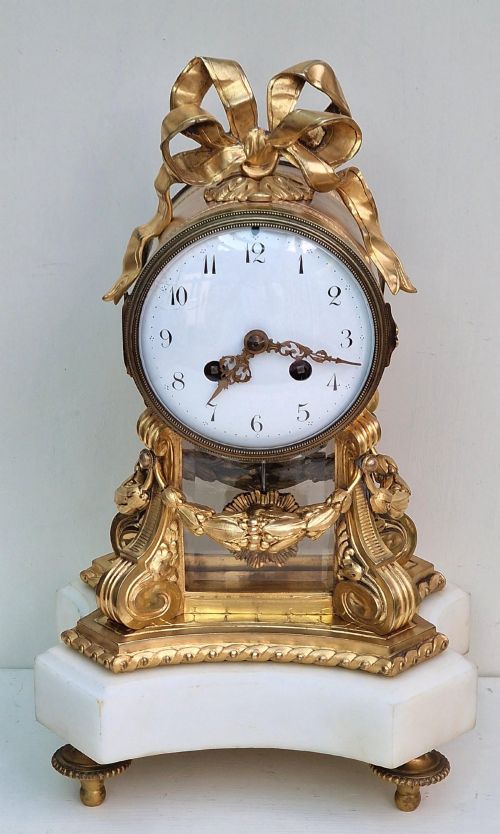
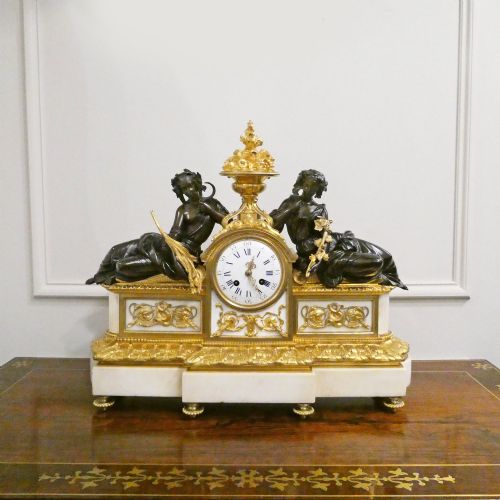
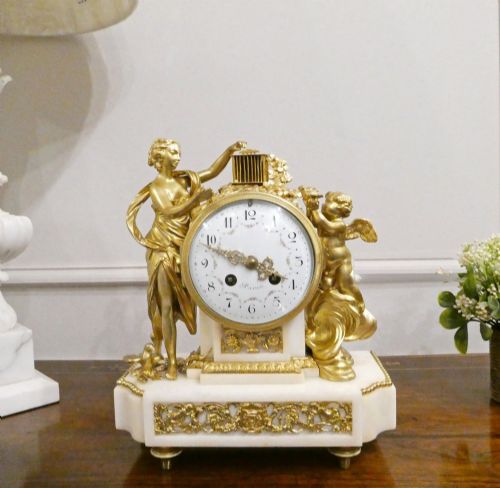
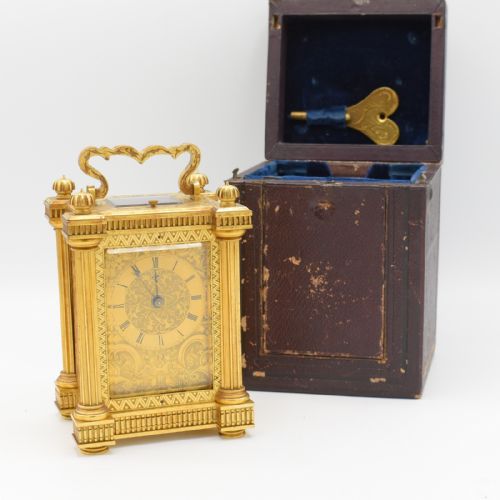
A french style gilt clock encompasses mantel clocks, garniture sets with candelabra, portico clocks, and carriage clocks produced largely during the nineteenth century. These objects reflect various historical revivals including Louis XV, Louis XVI, Second Empire, and Rococo styles.
The domestic interior of the Victorian era and the late nineteenth century frequently utilised these ornamental timepieces to demonstrate taste and social standing. Most examples combine a functional timekeeping movement with elaborate decorative housings designed to sit prominently in reception rooms.
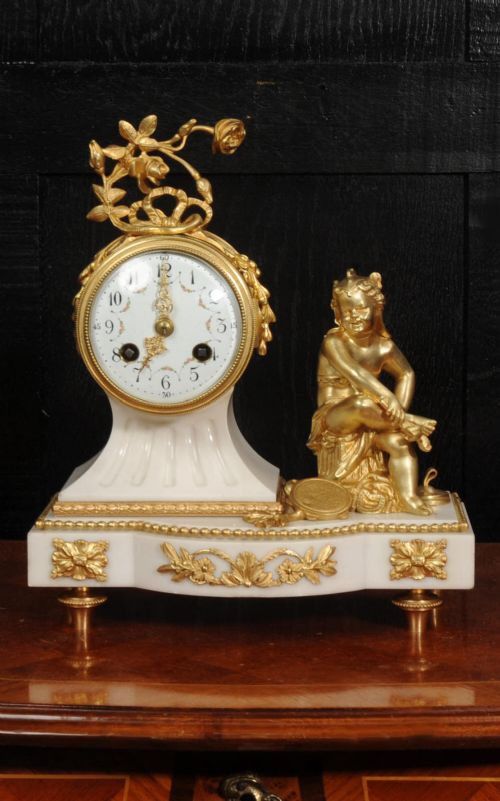
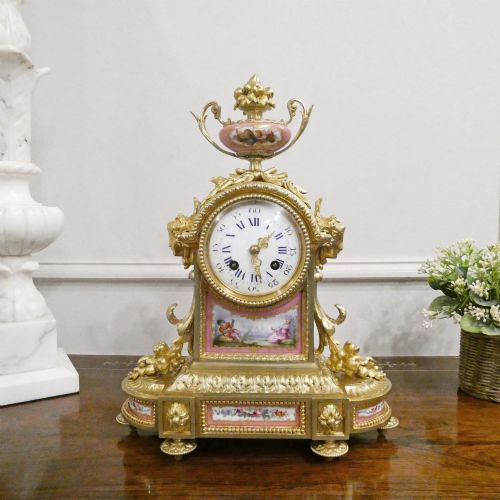
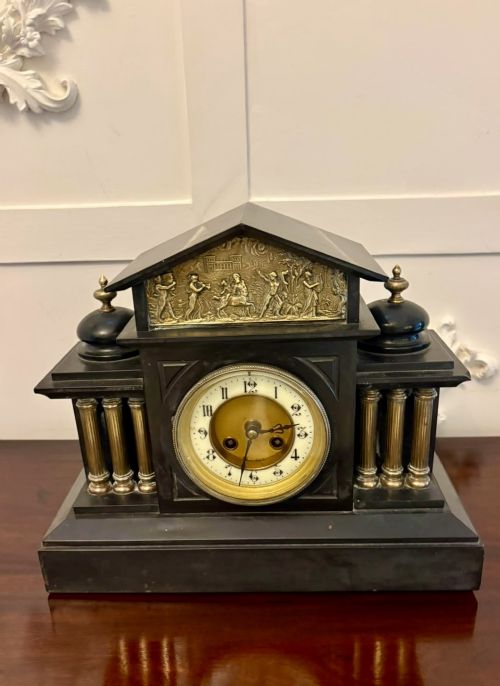
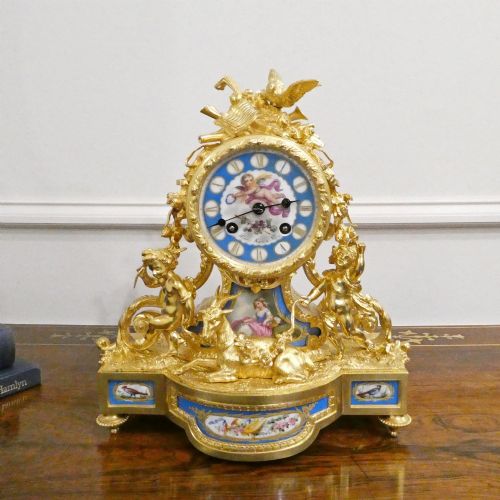
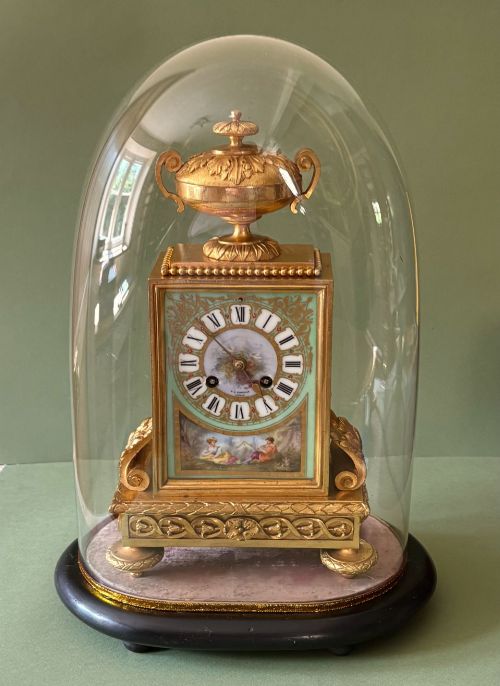
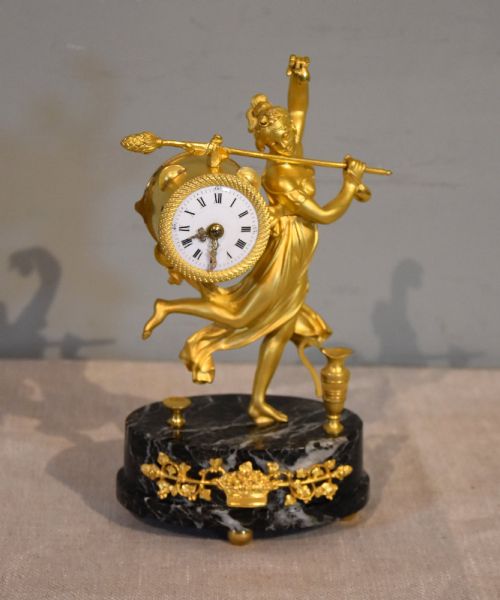
Buyers encounter variations ranging from architectural marble bodies mounted with gilt brass to sculptural bronze forms featuring hand-painted porcelain panels. Architectural portico designs and multi-piece garniture sets remain prominent among surviving examples.
Materials and Construction
The primary structural housings combine gilt bronze, ormolu, and brass with contrasting elements of white, green, or black marble, alongside tortoiseshell and ebonised wood. Metal components were cast, chased, and gilded, often framing porcelain dials and hand-painted ceramic plaques produced at factories such as Sèvres.
Horological movements were housed within these decorative shells, driven by brass gear trains and regulated by pendulum or balance wheel mechanisms. Clockmakers relied on specialised casting techniques to achieve the intricate scrolls, foliage, and figural motifs characteristic of nineteenth-century French workshops.
Listings feature clock bodies constructed from gilt bronze, ormolu, brass, white marble, green marble, black marble, tortoiseshell, and Sèvres porcelain.
Distinctions in Quality
Quality in a french style gilt clock depends upon the crispness of the bronze casting and the depth of the gilding or ormolu finish. Finer examples display sharp hand-chasing on metal surfaces and superior integration of hand-painted porcelain elements rather than mass-produced transfers.
The reputation of the maker, whether an established Parisian foundry or a noted horologist, influences the standing of the piece. Additionally, the survival of matching garniture pieces, original movement components, and functioning mechanical condition elevate the overall standard of the object.
Achille Brocot·Henry Marc·Japy Freres·Vincenti·Etienne Lenoir·Delettrez·Viner·Leroy Paris·Jean Baptiste Delettrez·Hausburg·Charles Hour·Samuel Marti·Henri Picard·Marshall·Rodier
The French Style Gilt Clock Glossary
- Ormolu
- Gilded bronze produced by applying an amalgam of mercury and gold to a bronze base, then heating to drive off the mercury. This technique creates a distinctive warm, golden finish seen on nineteenth-century clock mounts.
- Garniture
- A set of matching ornamental objects designed to be displayed together, commonly comprising a central clock flanked by matching candelabra or urns. These sets were popular for mantelpiece decoration.
- Portico clock
- A mantel clock featuring a architectural case supported by four columns, reminiscent of classical temple architecture. These pieces often incorporate visible pendulums swinging within the central space.
- Carriage clock
- A small, portable spring-driven clock enclosed in a brass and glass case, originally designed for travel. Nineteenth-century versions frequently feature elaborate gilt decoration and enamel dials.
- Boulle
- A style of marquetry utilising tortoiseshell and brass inlay, named after cabinetmaker André-Charles Boulle. Clocks utilising this technique present contrasting dark and metallic patterned surfaces.
French Style Gilt Clock: Frequently Asked Questions
What periods do these clocks date from?
The listings predominantly feature pieces produced during the nineteenth century, spanning from the Victorian era through to the early twentieth century. Key decades represented include the 1860s, 1870s, and 1880s.
Design influences extend further back through revivals of Louis XIV, Louis XV, and Louis XVI styles, alongside Second Empire and Rococo aesthetics.
How do I care for a gilt bronze clock?
Maintenance requires gentle dusting with a soft, dry brush to prevent the accumulation of debris within intricate cast details. Avoid harsh chemical cleaners or abrasive cloths that can strip the delicate gilt or ormolu surface.
Mechanical movements benefit from professional servicing by a qualified horologist every few years to ensure proper lubrication and timekeeping accuracy.
Where were these clocks originally displayed?
These decorative timepieces occupied prominent positions within nineteenth-century domestic interiors, most commonly upon drawing room mantelpieces. They served as both functional timekeepers and status symbols for affluent households.
Larger garniture sets were arranged symmetrically across fireplace surrounds, often accompanied by matching side urns or candelabra.
How are different French styles distinguished?
Louis XV and Rococo styles feature asymmetrical scrollwork, naturalistic floral motifs, and flowing organic lines. Louis XVI and Neoclassical designs introduce architectural symmetry, straight columns, and classical urn or ribbon motifs.
Empire style clocks display heavy military and classical Roman symbols, while Second Empire pieces combine eclectic ornamentation with opulent gilt surfaces.