




Late Victorian Bench
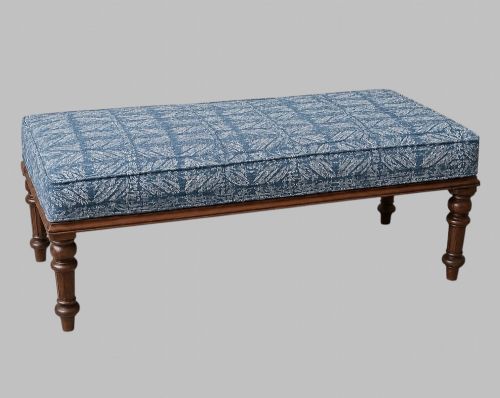
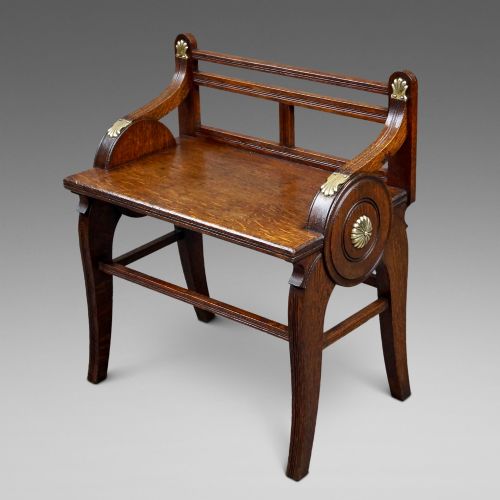
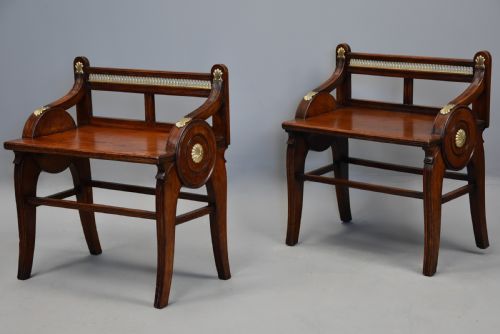
When you want a late victorian bench, you are looking at substantial oak, elm and mahogany seating made to anchor a hall or living space.
Late Victorian Bench
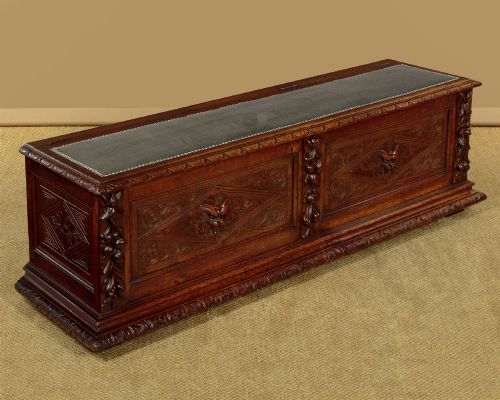
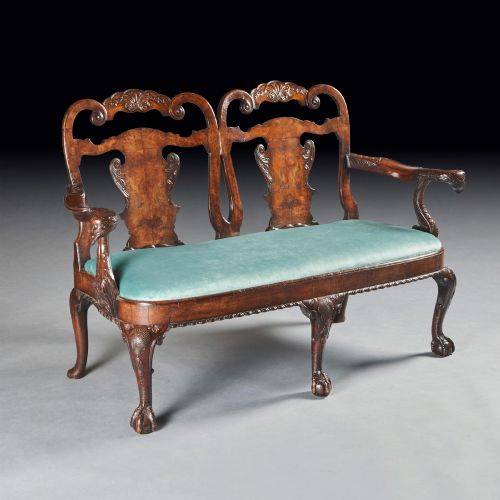
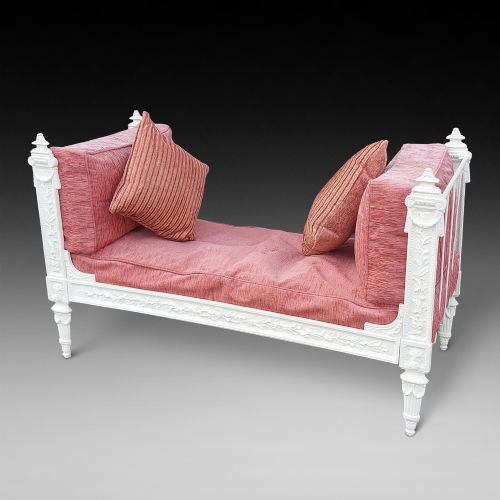
A late victorian bench encompasses diverse seating forms from the nineteenth century, including hall benches, settles, window seats, and monks benches. These items emerged from the Victorian period, with production spanning the eighteen seventies through to nineteen hundred.
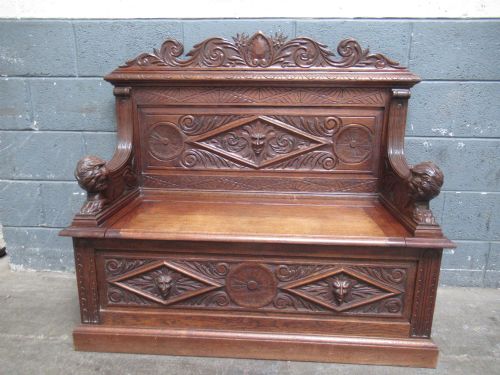
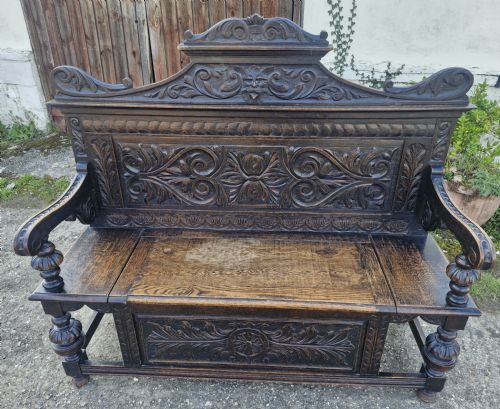
The most common examples on this page are carved oak hall benches and lift-up box settles. Buyers also encounter country kitchen benches, railway station benches, and refined mahogany or satinwood settees.
Makers and workshops utilised various timbers such as walnut, elm, pine, and ash alongside iron and brass mountings to produce functional domestic and institutional seating.
What varies in quality
The distinction between standard utility seating and top tier examples lies in the depth and crispness of the timber carving and the selection of figured woods. Elaborate motifs, superior joinery, and named cabinetmakers elevate certain pieces far above plain utilitarian forms.
Proportion and material integrity also dictate worth, as seen in balanced proportions, heavy gauge brass, and the retention of original upholstery textiles rather than later replacements.
Some nineteenth-century inventory unexpectedly mixes domestic furniture with heavy apothecary cast iron cork presses.
James Shoolbred & Co·Butlers of Dublin
The Late Victorian Bench Glossary
- Settle
- A wooden bench with a high back, solid arms, and often a hinged box seat compartment underneath. This traditional form provided shelter from drafts in large hallways.
- Monks bench
- A convertible seat featuring a hinged back that folded down over the arms to form a flat table surface. These versatile items served dual purposes in Victorian interiors.
- Club fender
- A low, U-shaped hearth surround constructed from brass or iron with upholstered corner seats. These fixtures were popular in late nineteenth-century libraries and drawing rooms.
- Satinwood
- A lustrous, fine-grained yellow timber utilised for high-end cabinetmaking and inlaid decorative furniture. It frequently appeared in refined Victorian drawing room settees.
- Hall bench
- A rigid, often high-backed seat placed in entranceways for changing footwear or greeting visitors. They were commonly rendered in carved oak to match architectural joinery.
Late Victorian Bench: Frequently Asked Questions
What is a monks bench?
A monks bench is a dual-purpose piece of nineteenth-century furniture featuring a solid back that tilts forward to create a tabletop. When upright, the back forms a secure enclosure above a lift-up seat box.
These versatile items were designed for compact spaces or multipurpose rooms, allowing owners to sit or dine using the same item of furniture.
Where were hall benches used?
Hall benches were traditionally placed in the entrance lobbies and corridors of Victorian homes. They provided a practical place for visitors and residents to remove heavy outer garments and boots.
Because they occupied the first room guests saw, these pieces often featured elaborate hand-carved panels and sturdy oak construction to project substance and status.
How do I identify a railway bench?
Railway benches from this era typically display robust construction in pine, oak, or teak, often bearing station names or provenance marks. They were built to withstand heavy public use in waiting rooms and on platforms.
These pieces show straightforward utilitarian joinery combined with heavy structural framing to endure constant daily traffic.
Are these benches comfortable?
Many Victorian benches were designed primarily for utility or formal greeting rather than lounging, resulting in upright wooden backs and solid seats. However, versions intended for window seats, salons, or daybeds include generous upholstery and padded cushions.
Buyers seeking everyday seating comfort often look toward upholstered settees, window seats, or club fenders with sprung bases.