





Late Qing Side Table
A late qing side table brings dense tropical hardwoods and intricate carving into a room, offering both practical surface area and historic presence.
Late Qing Side Table
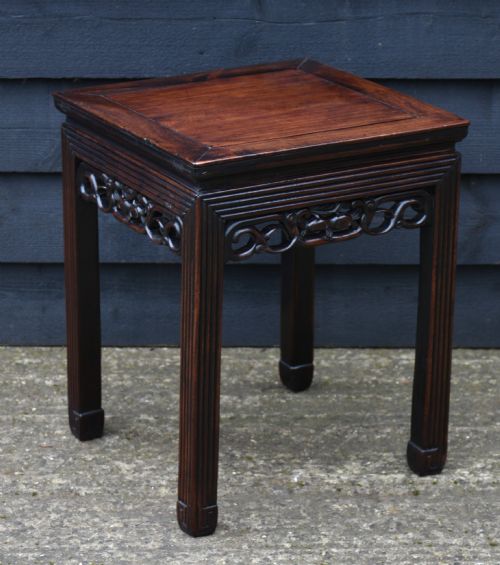
A late qing side table encompasses a variety of low tables, plant stands, nests, and altars originating from late nineteenth-century China. These items emerge from the Qing Dynasty, frequently designated under Chinese export or regional styles.
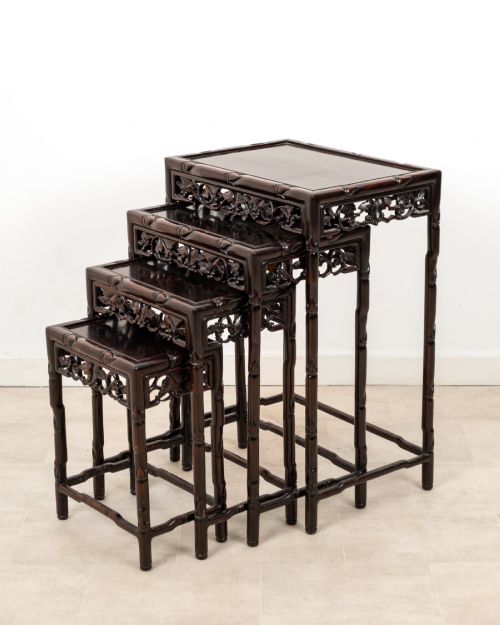
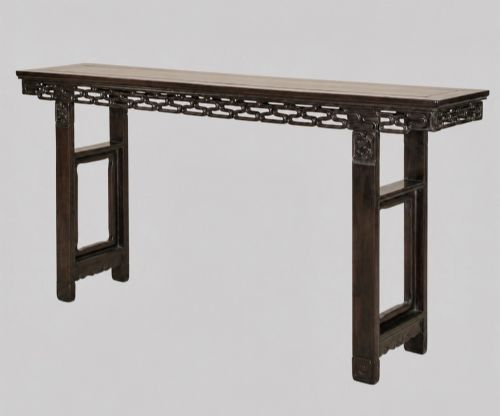
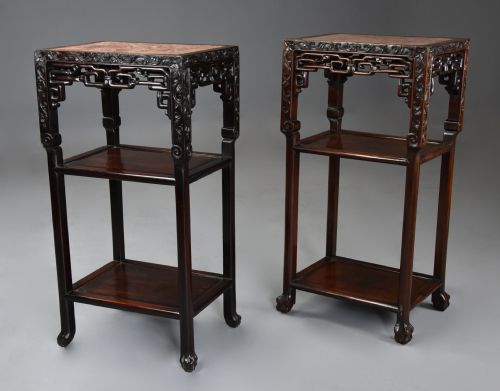
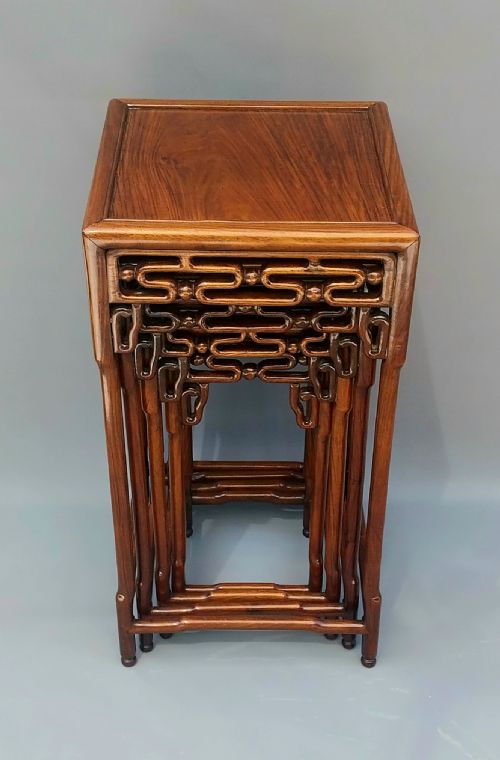
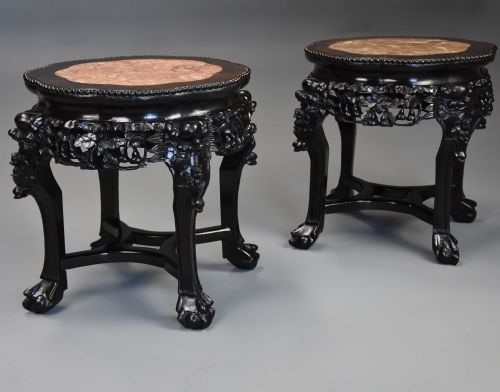
The selection ranges from compact square low tables and nested quartetto sets to rectangular altar forms and tall pot stands. Many pieces incorporate inset stone panels or tiered shelving designed for display.
Makers utilised dense timbers to build sturdy frames intended for domestic use as stands for porcelain, plants, or urns. The forms reflect traditional Chinese joinery adapted for both domestic interiors and the export market.
Materials and construction
Carpenters constructed these tables using heavy imported and domestic hardwoods, specifically rosewood, hongmu, padouk, and huali wood. These timbers provided the density required for deep relief carving and structural stability.
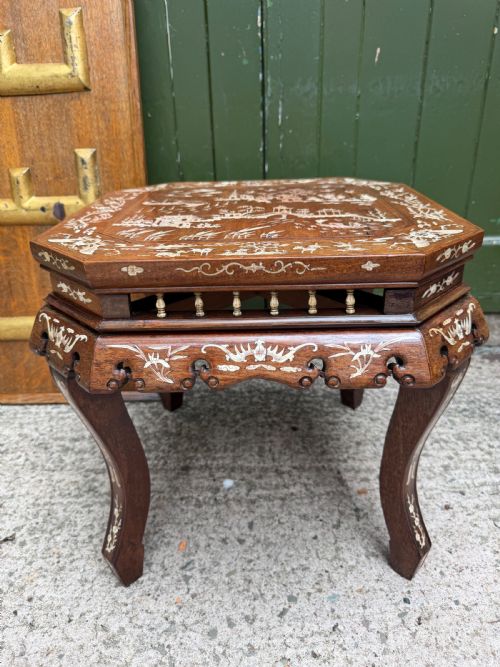
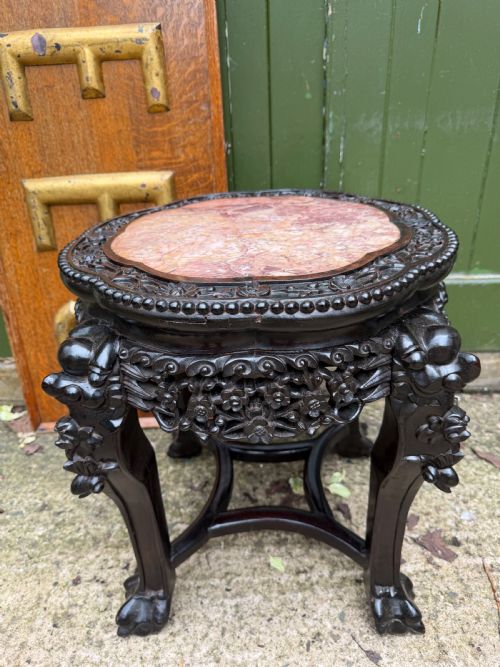
Many examples integrate contrasting panels of rouge marble, variegated marble, or quartz fitted flush into the wooden tops. Skilled artisans also applied red lacquer finishes or mother-of-pearl inlay to specific ceremonial and decorative forms.
Late Qing Side Table Retail Price Guide 2026
Typical asking prices for late qing side table among the pieces listed under this phrase on Sellingantiques today, from the lower quarter to the upper quarter. They describe what is for sale here now, not the wider market.
Materials recorded across the archive include rootwood, ebonised hardwood, red lacquer, and mother-of-pearl.
Qualities of craftsmanship
The distinction between standard items and superior examples lies in the depth and crispness of the hand-carved decoration. Crisp undercut foliage and figures indicate a higher tier of workshop output.
Selection of the timber grain and the precise fitting of inset marble or stone panels also dictate worth. Tables retaining original polished surfaces without heavy modern restoration command greater interest from collectors.
The Late Qing Side Table Glossary
- Hongmu
- A dense, dark red-black Chinese hardwood prized for its weight and fine grain. It forms the primary structure of many high-status tables and stands.
- Huali wood
- A fragrant and heavily figured Chinese rosewood utilised for decorative furniture and small display stands.
- Quartetto
- A matched set of four graduated tables designed to nest beneath one another when not in use.
- Jardiniere stand
- A tall pedestal or low table specifically proportioned to hold a heavy plant pot or porcelain vessel.
Late Qing Side Table: Frequently Asked Questions
What is a late qing side table used for?
These tables served primarily as display surfaces for porcelain vases, jardinières, or scholarly objects within traditional Chinese interiors.
Today, buyers utilise them as functional accent tables, plant pedestals, or bedside stands in contemporary rooms.
How do I identify a marble top table?
Makers inset smooth slabs of rouge, variegated marble, or quartz directly into the wooden frames of rectangular and square tables.
This stone insert provided a cool, water-resistant surface suitable for holding heavy ceramic planters.
Are these tables made in nests?
Carpenters frequently produced nests of four graduated tables, known as quartetto sets, which saved floor space.
Each smaller table slid smoothly beneath the next largest one, sharing consistent carved apron designs.