






Late 19th Century Runner
When you search for a late 19th century runner, you seek the character, depth and enduring craftsmanship of regional woven floor coverings.
Late 19th Century Runner
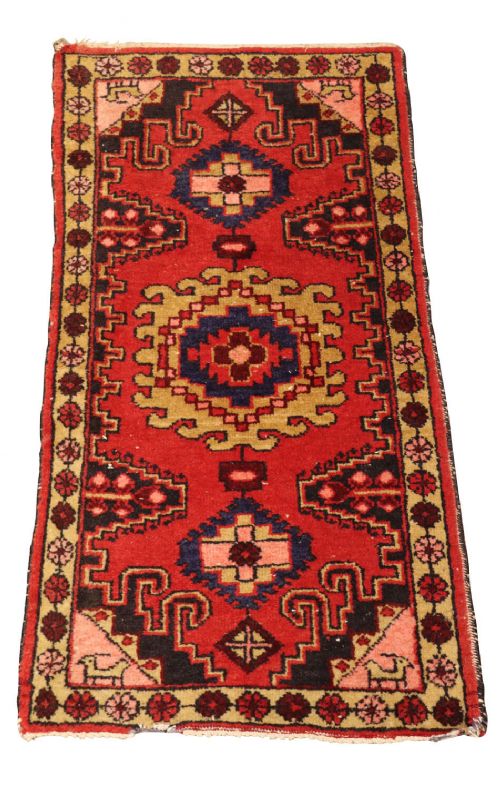
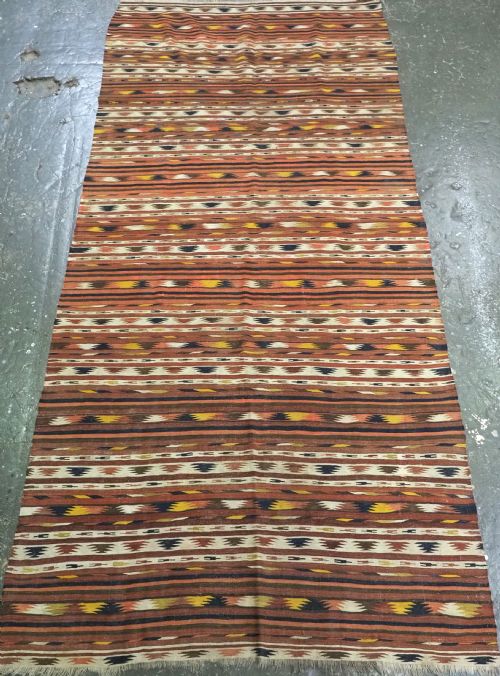
A late 19th century runner encompasses narrow, elongated floor coverings and long carpets produced across the Caucasus, Persia, and Anatolia during the decades around 1890. These pieces emerge from tribal and village traditions, taking the form of specialised long rugs, corridor carpets, and kilim runners designed for hallways and narrow spaces.
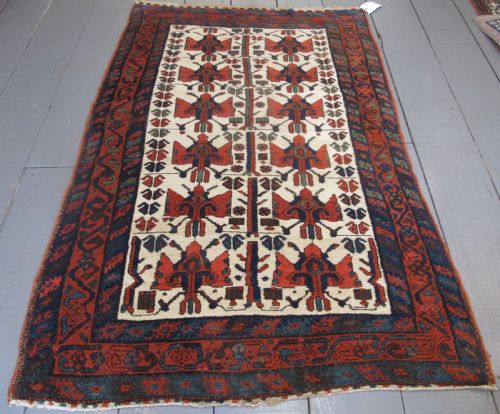
The aesthetic of a late 19th century runner draws heavily on regional motifs, including geometric medallions, repeating boteh patterns, animal motifs, and multi-niche prayer designs. Makers across Caucasian, Persian, and Anatolian traditions utilise distinct local symbols to structure the field and border of each long format piece.
Buyers encounter numerous variations within this category, ranging from the finely detailed weaves of Shirvan and Kazak workshops to the relaxed structures of village carpets. Each late 19th century runner records the specific palette and design grammar of its producing community, spanning regions from South East Persia to West Anatolia.
Materials and construction methods
Makers of a late 19th century runner relied primarily on wool and hand-spun wool, often combined with cotton foundations to build durable, resilient floor coverings. Certain pieces incorporate camel hair within the pile or ground, adding distinct natural tonal variations to the surface.
Colour derives from natural dyes, yielding deep hues and varied grounds such as blue, yellow, and camel. Artisans executed these works using traditional hand-knotted and flatweave techniques, producing structures capable of withstanding generations of use.
Several runners manage to sneak animal motifs past formal tribal geometry, proving that weavers enjoyed hiding tiny creatures in the borders.
Distinctions in execution and handle
The calibre of a late 19th century runner depends upon the density of the weave and the precision of the knotting. Finer examples display tightly packed structures that hold complex geometric or floral details with sharp definition.
Material selection and dye depth govern visual success across these long formats. The use of hand-spun wool paired with rich natural dyes creates a luminous, complex surface that shifts gracefully in changing light.
The Late 19th Century Runner Glossary
- Boteh
- A stylised almond or pear-shaped motif of Persian origin, frequently repeated across the field of tribal rugs. This shape represents a floral cluster or a cypress tree.
- Kilim
- A flatweave textile produced without a pile, created by tightly interlocking the warp and weft threads. These pieces offer a lighter structure than knotted carpets.
- Prayer Rug
- A textile featuring a niche or mihrab design at one end, intended to indicate the direction of prayer. These formats often display specific architectural arches.
- Warp
- The vertical foundation threads stretched tightly on the loom before knotting begins. The fringe of a finished rug consists of these extending parallel cords.
Late 19th Century Runner: Frequently Asked Questions
Where should I place a long runner?
These elongated pieces suit hallways, corridors, staircases, and narrow gallery spaces where standard rectangular carpets fail to fit. Their linear proportions draw the eye along architectural paths.
Positioning a narrow floor covering in a transitional space protects high-traffic flooring while introducing distinct tribal or village patterns to plain interiors.
How do I care for an antique wool runner?
Regular gentle vacuuming without a rotating brush roll prevents dust accumulation within the pile. Professional cleaning by specialists in antique textiles ensures safe washing.
Using a breathable underlay keeps the textile stable on hard floors and reduces friction during daily foot traffic.
What defines Caucasian runner designs?
Caucasian pieces typically feature bold geometric medallions, stylised animal figures, and sharp polygonal borders executed in saturated primary colours. These compositions favour stark contrasts and architectural clarity.
The resulting patterns reflect the rugged mountain environments and distinct tribal identities of the weavers living in the Caucasus region.
How do natural dyes age on old rugs?
Natural colorants mellow gradually over decades, developing a soft patina known as abrash where dye batches shift subtly within a single colour field. This gradual transformation adds visual depth.
Unlike synthetic dyes, natural pigments retain harmony as they lighten, ensuring the textile integrates easily into domestic interiors.