


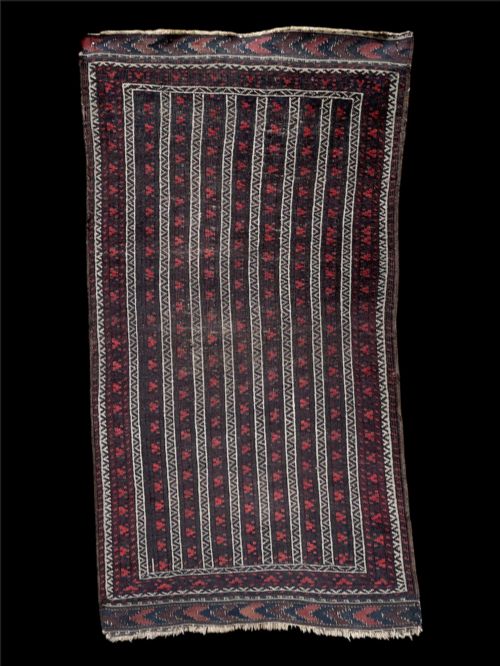
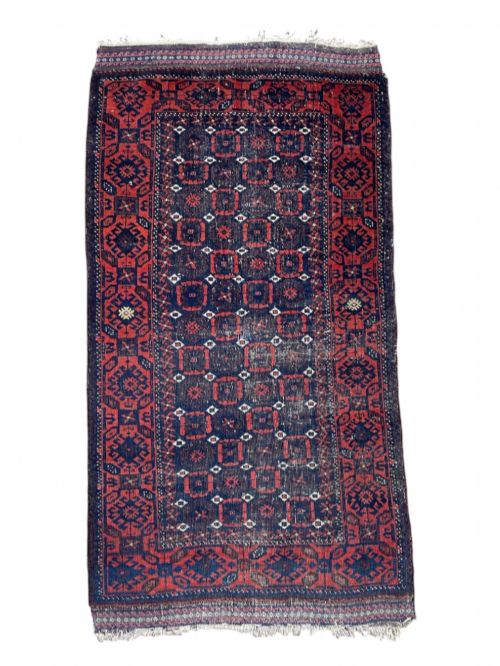


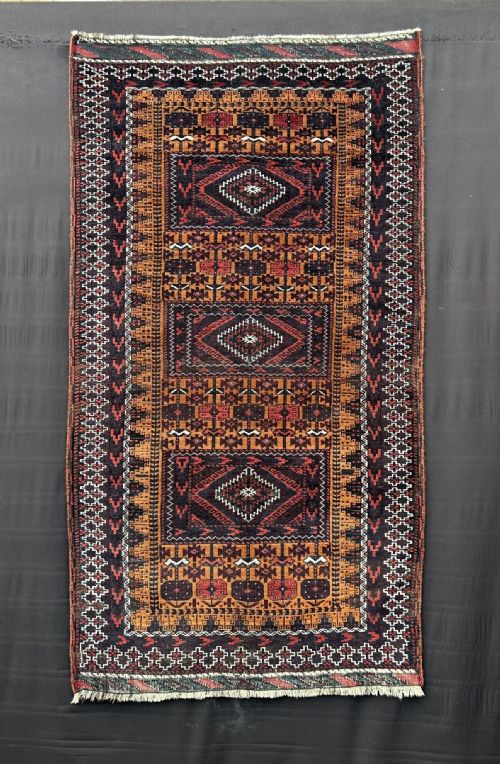
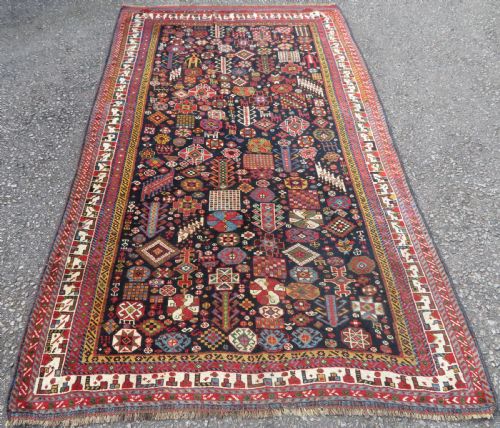
Dark Navy Wool Runner
A dark navy wool runner grounds a hallway with saturated indigo depth and tribal geometry.
Dark Navy Wool Runner
A dark navy wool runner provides a narrow format floor covering designed for corridors, hallways and narrow spaces. These textiles emerge from tribal and village workshops across Persia, Anatolia, the Caucasus and Afghanistan.
The selections encountered here span the late nineteenth century through the early twentieth century, encompassing traditional runner rugs and narrow formats. Buyers seek these pieces to introduce linear structure and deep indigo tones into domestic interiors.
How they were made
Weavers constructed these runners using hand-spun wool for the pile and foundation yarns, sometimes incorporating cotton for structural warp or weft threads. Natural dye sources provided the deep navy and dark blue palettes characteristic of these tribal weaves.
Nomadic and village weavers knotted the wool by hand onto vertical or horizontal looms, creating dense structures designed to withstand heavy foot traffic. The resulting textiles demonstrate regional knotting techniques passed down through generations of tribal makers.
The listings span periods from eighteen-seventy to nineteen-thirty, showcasing traditional wool and cotton constructions across tribal styles.
What varies in quality
The quality of a dark navy wool runner depends heavily on the fineness of the knotting and the complexity of the tribal design. Tighter structures and more precise geometric motifs separate superior village production from simpler utility pieces.
Material selection also dictates distinction, with lustrous wool grades and rich, saturated natural indigo dyes elevating the visual depth of the runner. The crispness of drawing within medallions and border patterns indicates the weaver's technical proficiency.
The Dark Navy Wool Runner Glossary
- Runner
- A long, narrow carpet format traditionally utilised in hallways, corridors and stairs. These pieces guide movement through domestic floor plans.
- Mihrab
- A niche design element found in prayer rugs, often indicating the direction of prayer. This motif appears frequently in tribal village weaves.
- Mina Khani
- A repeating floral lattice pattern composed of daisy-like blossoms connected by delicate stems. It is a traditional Persian field design.
- Herati
- A common repeating motif featuring a central rosette enclosed by a rectangle and flanked by leaf forms. Artisans have employed this pattern across centuries of rug weaving.
- Boteh
- An almond-shaped or paisley motif representing a floral spray or cypress tree. This symbol recurs throughout traditional regional textiles.
Dark Navy Wool Runner: Frequently Asked Questions
Where should I place a runner?
These narrow textile formats suit hallways, corridors, entryways and narrow passageways where linear floor coverings protect timber and define space.
Their elongated proportions also function effectively beside beds or within galley kitchens.
How do I care for wool runners?
Regular gentle vacuuming without a beater bar removes surface grit and maintains the resilience of the pile.
Professional specialist cleaning remains essential for addressing deep soil and preserving natural wool oils.
What materials are used?
The pile consists entirely of durable sheep wool, prized for its natural lanolin content and resilience against daily wear.
Foundation threads commonly utilise cotton or wool to support the dense hand-knotted structure.
How do I identify tribal designs?
Tribal designs typically display geometric motifs, stylized animal forms and repeated medallions rather than elaborate court florals.
Local weaving traditions dictate the specific palette and structural quirks unique to each producing region.