




Late 19th Century Japanese Ceramics
Late 19th century Japanese ceramics bring intricate hand-painted palettes and refined forms into your interior, offering a distinct chapter of Meiji craftsmanship.
Late 19th Century Japanese Ceramics
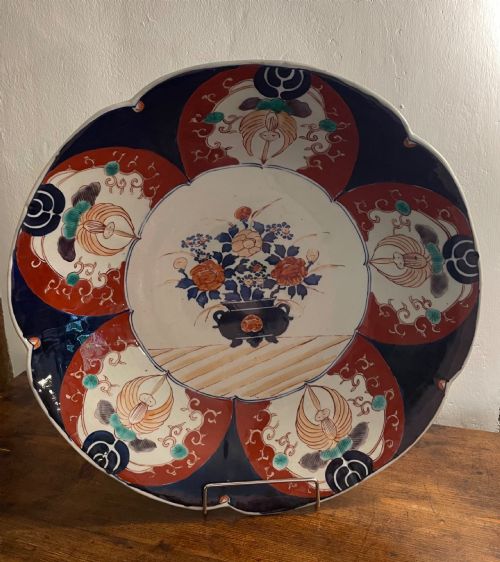
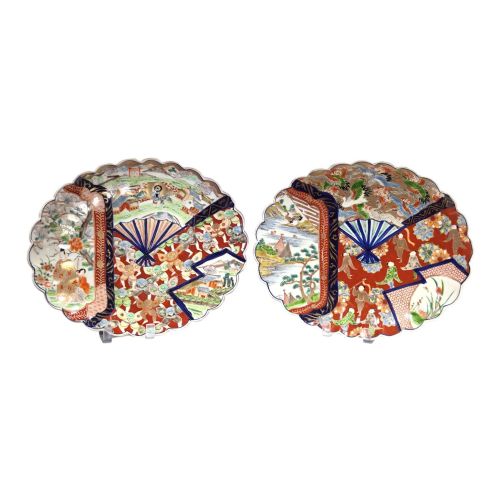
Late 19th century Japanese ceramics encompass a rich variety of decorative chargers, plates, vases, planters, and ginger jars produced during the Meiji period and the broader Victorian era. These pieces frequently manifest in regional styles such as Arita Imari and Satsuma ware, reflecting the sophisticated ceramic traditions of late nineteenth-century Japan.
The most common formats encountered on this page are large decorative chargers and floor or mantel vases displaying traditional motifs. Buyers often find robust porcelain Imari chargers alongside earthenware Satsuma vessels featuring detailed figural processions and landscape scenes.
How they were made
Potters shaped fine porcelain and earthenware clays into robust vessels, chargers, and planters before applying detailed cobalt underglaze, enamel paints, and intricate gold leaf accents. Many pieces incorporate rich surface textures through layered glazes and raised gilding.
Makers utilised distinct regional firing and decorating techniques, notably in Arita and Kyoto, combining traditional Japanese motifs with stylistic influences from the British Aesthetic Movement.
Late 19th Century Japanese Ceramics Retail Price Guide 2026
Typical asking prices for late 19th century japanese ceramics among the pieces listed under this phrase on Sellingantiques today, from the lower quarter to the upper quarter. They describe what is for sale here now, not the wider market.
Elephants occasionally lend their trunks to support Satsuma vase rims, proving that Meiji potters enjoyed a touch of sculptural whimsy.
What varies in quality
The precision and density of the hand-painted enamel and cobalt underglaze work separate standard decorative items from superior examples. Finely executed pieces display exceptional control over the Imari palette and detailed figural processions rendered in gold leaf.
Scale and structural complexity also influence distinction, with large-format chargers, covered ginger jars, and matched pairs demonstrating greater ambition in both throwing and firing techniques.
Minton·Christopher Dresser·Hayakawa·Fukagawa
The Late 19th Century Japanese Ceramics Glossary
- Imari
- A traditional style of Japanese porcelain featuring a distinctive palette of cobalt underglaze blue, iron red, and gilt highlights. These wares were produced in the Arita area and exported widely during the nineteenth century.
- Satsuma
- A type of Japanese earthenware characterised by a pale, ivory crackle-glaze finish that serves as a canvas for elaborate enamel and gold leaf decoration. Satsuma pieces often depict historical figures, processions, and landscapes.
- Charger
- A large decorative plate designed primarily for display on a wall or dresser rather than for practical dining use. Late nineteenth-century examples often exceed fifty centimetres in diameter.
- Ginger Jar
- A globular ceramic vessel with a fitted lid, originally intended for storage but valued in the late nineteenth century for its symmetrical proportions and decorative surface design.
- Aesthetic Movement
- A late Victorian design current that championed the incorporation of Japanese art, textiles, and ceramics into British interiors.
Late 19th Century Japanese Ceramics: Frequently Asked Questions
How do I identify Imari ware?
Imari ware is readily recognised by its characteristic palette, which combines deep cobalt underglaze blue with rich iron red and supplementary gold leaf. The designs typically feature dense floral and geometric panels arranged symmetrically across plates, chargers, and vases.
Most late nineteenth-century examples originate from the Arita kilns, displaying a crisp porcelain body beneath the heavy enamelling. This combination of strong blue tones and warm metallic highlights creates a visually striking surface designed for display.
What is Satsuma pottery?
Satsuma pottery is a distinct type of earthenware defined by its warm, ivory-coloured body covered in a fine network of transparent crackle glaze. This textured surface provides an ideal base for intricate enamel paintings enriched with heavy gilding.
Pieces frequently portray detailed figural processions, historic warriors, or scenic views featuring Mount Fuji. Unlike hard-paste porcelain, Satsuma ware possesses a softer earthenware resonance and an opaque finish.
Where were these ceramics displayed?
In late Victorian and Meiji interiors, large decorative chargers were frequently mounted on walls or displayed on dedicated plate stands within drawing rooms and parlours. Vases and ginger jars occupied prominent positions on mantelpieces, occasional tables, and cabinets.
The integration of Japanese decorative arts became a defining feature of the Aesthetic Movement, where bold ceramic forms and rich colour palettes complemented eclectic domestic spaces.
How do I care for late nineteenth-century ceramics?
These ceramic objects require gentle dusting with a soft, dry brush to protect delicate surface enamels and gold leaf highlights. Liquid cleaning agents should be avoided, particularly on earthenware Satsuma pieces where moisture can penetrate the crackle glaze.
Display the items away from direct sunlight and areas of significant temperature fluctuation to preserve the integrity of the original glazes and decorative pigments over time.