


Late 19th Century Chinese Furniture
Late 19th century Chinese furniture brings carved hardwood surfaces, inset marble tops and rich lacquer finishes into domestic rooms.
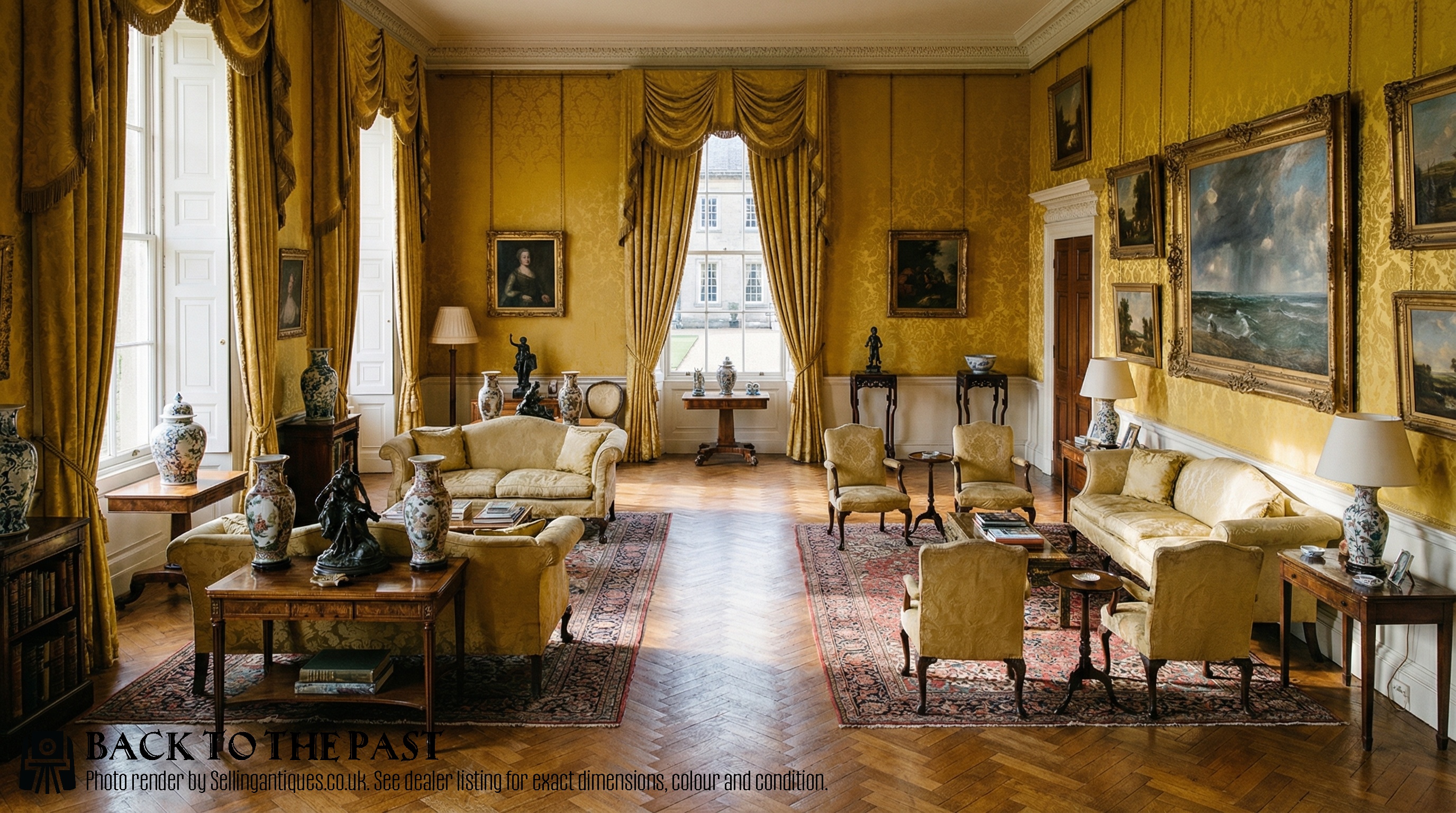
Late 19th Century Chinese Furniture
Late 19th century Chinese furniture encompasses a diverse selection of decorative and functional household forms originating from the Qing Dynasty. Buyers exploring late 19th century Chinese furniture frequently encounter smaller display pieces alongside larger storage items.
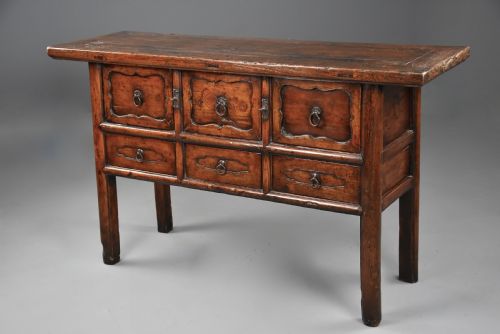
Many of these pieces reflect traditional craftsmanship associated with provincial Chinese workshops and export production. The forms range from simple rustic elm dressers to intricately carved hardwood scholar's tables.
Distinctions in quality and execution
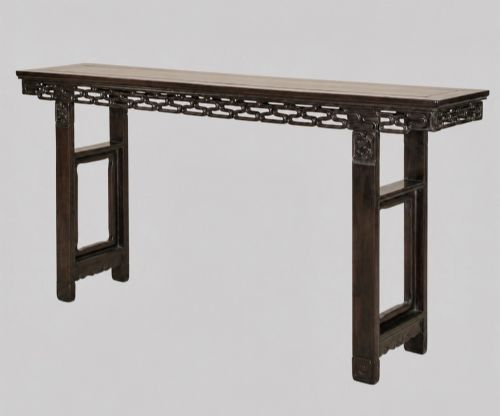
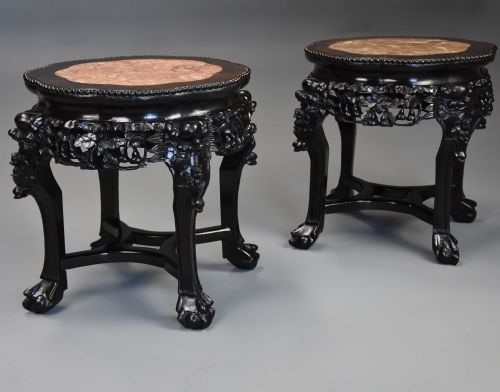
The depth and crispness of the wood carving separate standard items from superior examples, particularly on Qing Dynasty scholar's tables and vase stands. Profusely carved surfaces require disciplined hand execution to maintain clean lines and balanced proportions across panels and legs.
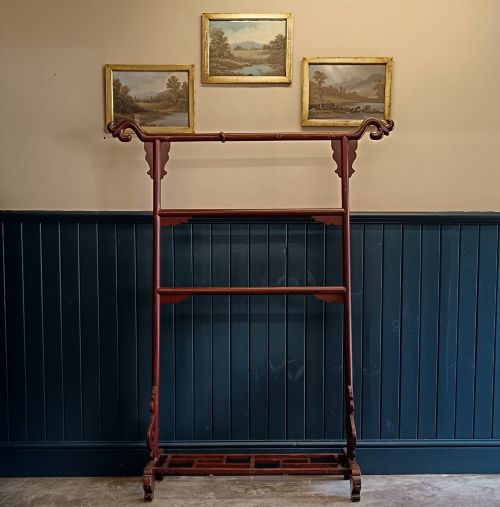
The quality of secondary materials, such as the grain of inset marble panels and the preservation of original lacquer finishes, heavily influences an item's standing. Well-maintained patination on elm sideboards and robust joinery in multi-tiered pedestals indicate superior regional workshop production.
Current listings feature materials including hardwood, marble, lacquered wood, brass, hongmu and rosewood.
The Late 19th Century Chinese Furniture Glossary
- Hongmu
- A dense, dark tropical hardwood valued by Chinese cabinetmakers for its heavy weight and capacity for intricate carving. It appears frequently in stands, tables and scholar's furniture.
- Altar table
- A long, narrow table traditionally used for ceremonial displays or ancestral tablets, characterised by upturned flanges at the short ends and substantial leg construction.
- Shodana
- A term applied to multi-shelved dwarf side-cabinets featuring staggered compartments for displaying small porcelain and decorative objects.
- Rouge marble
- A reddish decorative stone imported and cut to fit snugly into the top frames of hardwood stands and low tables.
- Lacquered wood
- Timber coated with successive layers of treated sap that dries into a durable, glossy surface, often coloured red or black.
Late 19th Century Chinese Furniture: Frequently Asked Questions
How do I use a plant stand?
These tall or low stands were originally designed to elevate heavy ceramic jardinieres, flower pots and decorative vases off the floor. In a modern interior, they function independently as sculptural display surfaces for ceramics or sculptures.
Their sturdy hardwood construction and inset marble tops easily support the weight of heavy plants or tabletop lamps.
Where were these pieces made?
The items originate from various regions across China, spanning provincial workshops as well as export production centres during the late Qing Dynasty. Specific areas such as Fujian are noted for distinctive lacquerwork traditions.
Workshop traditions varied significantly between provinces, resulting in diverse timber selections like elm, rosewood and hongmu.
How do I clean lacquered furniture?
Lacquered surfaces require gentle maintenance using a soft, dry cloth to remove dust without abrasive cleaners. Avoid placing lacquer pieces in direct sunlight or areas with extreme humidity fluctuations to prevent cracking.
Regular polishing is unnecessary for historic lacquer; preserving the original finish relies on maintaining a stable indoor environment.
What defines a scholar's table?
Scholar's tables are smaller working surfaces traditionally used by educated elites for writing, painting and examining antiquities. They exhibit refined proportions, often constructed from dense hongmu or rosewood with discreet detailing.
Unlike large dining surfaces, these tables prioritize delicate craftsmanship and suitability for intimate study rooms.