


Late 18th Century Furniture
Late 18th century furniture brings together the refined joinery of the Georgian period and the solid utility of regional country workshops.
Late 18th Century Furniture
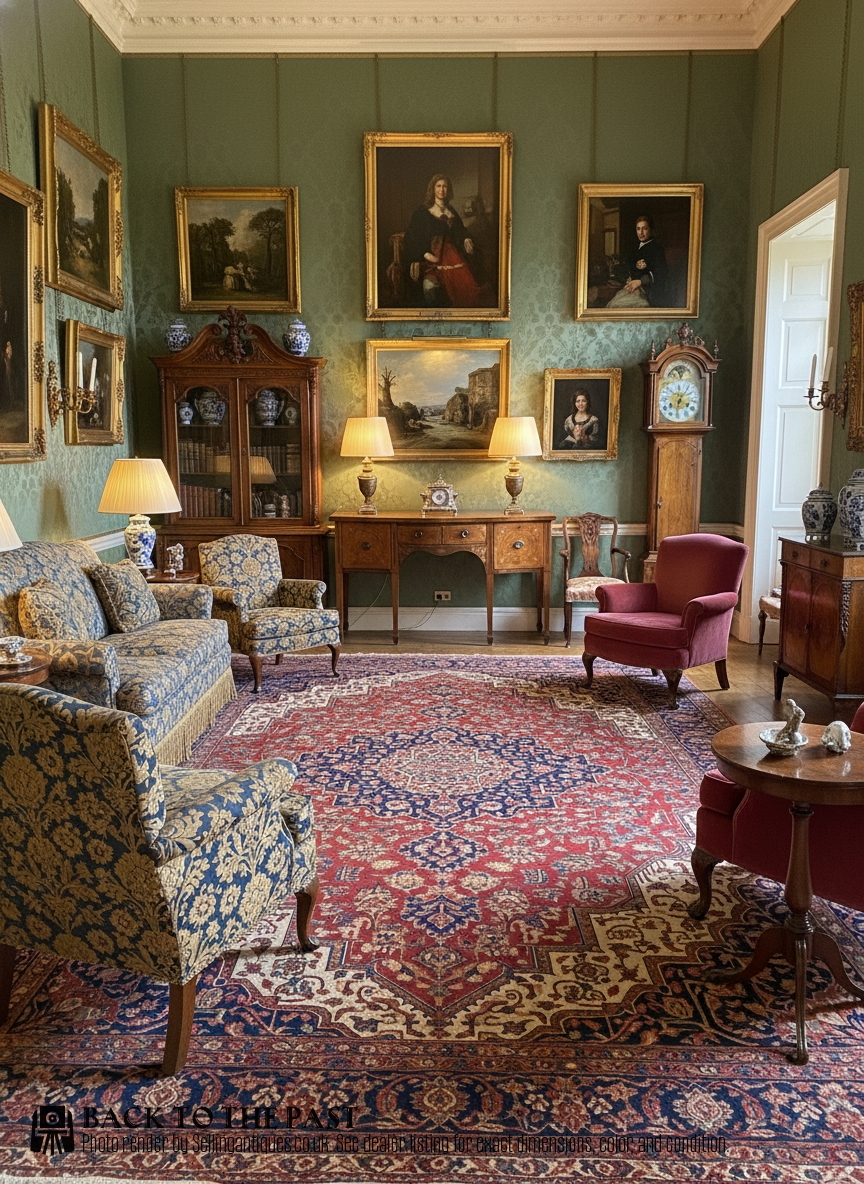
Late 18th century furniture comprises a diverse range of seating, storage, and surface forms spanning the Georgian era and continental European workshops. Buyers exploring this category encounter functional household pieces designed for daily domestic use alongside formal reception pieces.
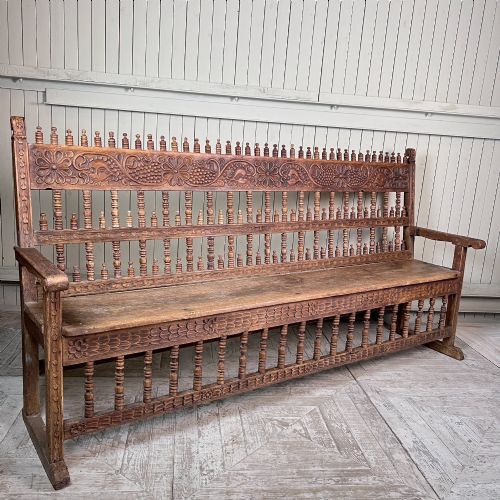
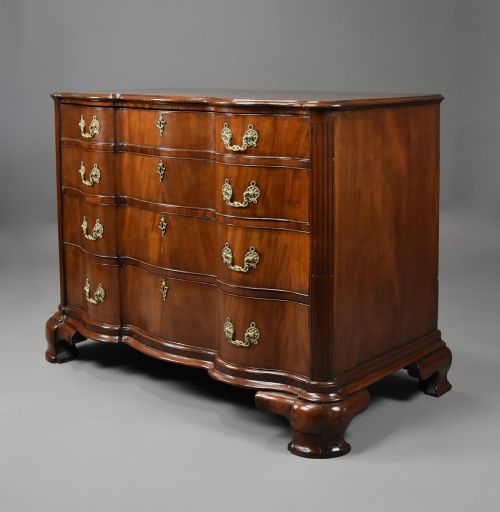
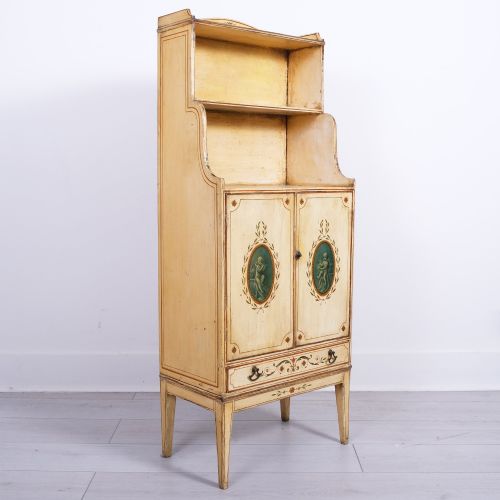
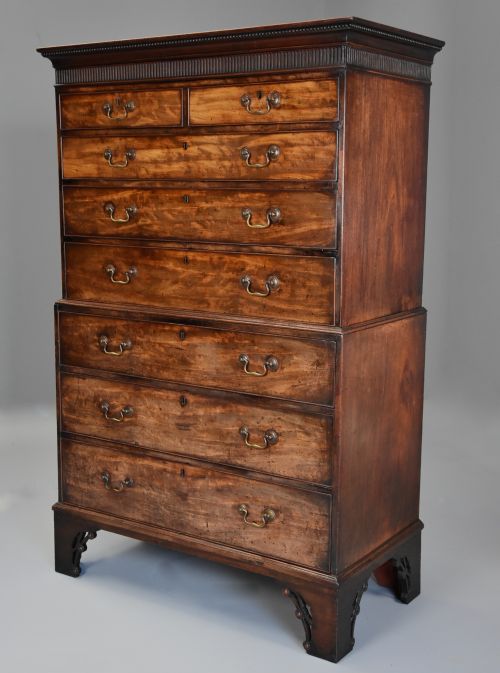
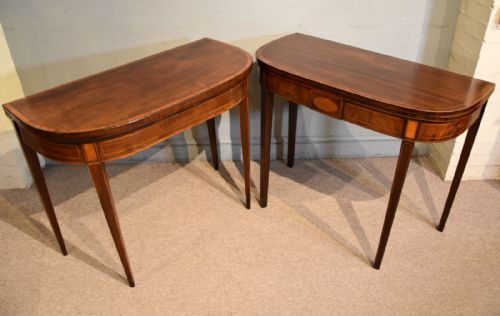
The most common forms seen in this selection are chests of drawers, side tables, card tables, and armchairs. Dressers, desks, commodes, and cellarettes also appear frequently across both English and continental origins.
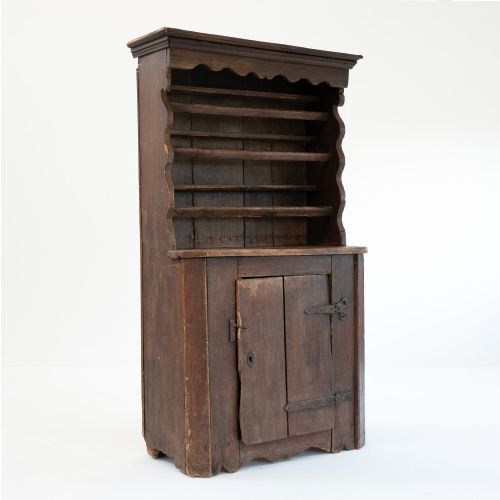
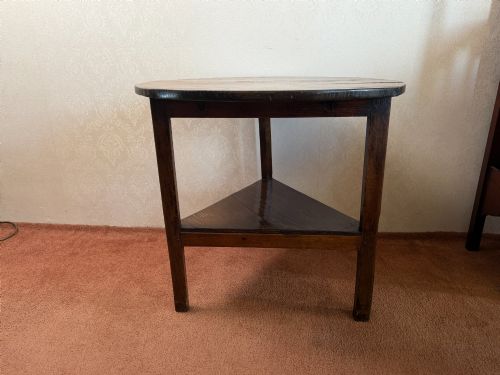
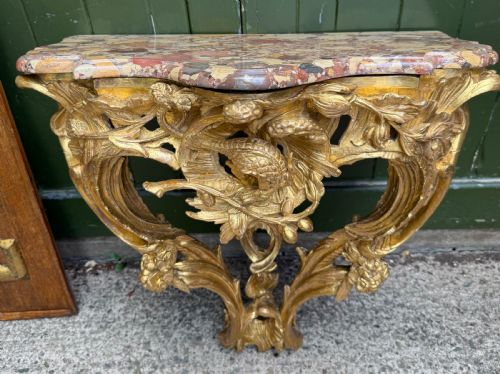
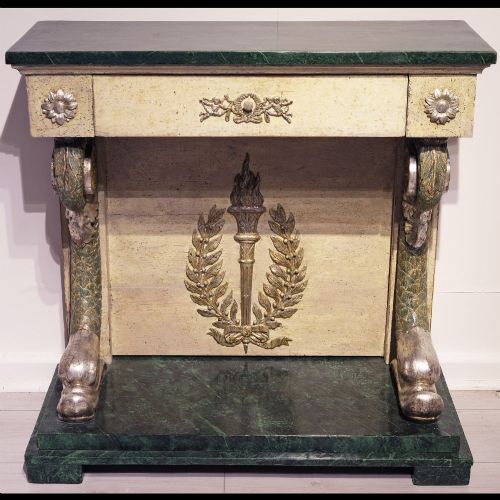
Regional variations include oak cricket tables, Windsor chairs from distinct counties, and painted Welsh dressers. Alongside these sit continental commodes and consoles showing French, Spanish, and Italian influence.
Materials and construction methods
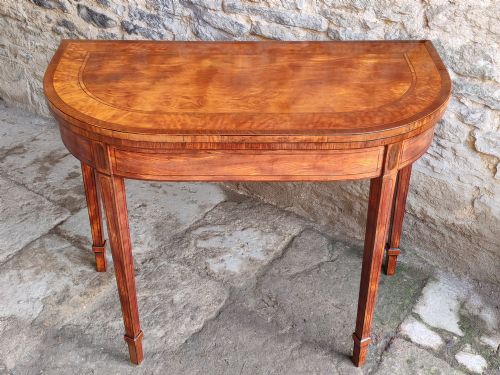
Makers relied heavily on dense timbers such as mahogany, oak, walnut, and fruitwood, often enhanced with satinwood, boxwood, and kingwood veneers or stringing. Structural framing utilised traditional joinery methods suited to the specific density of each timber.
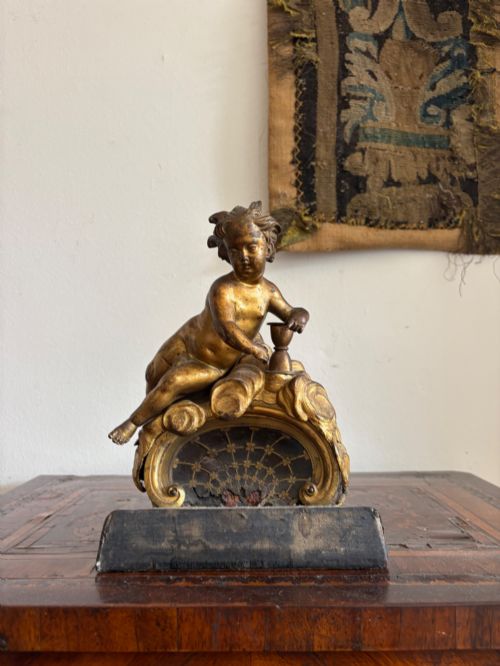
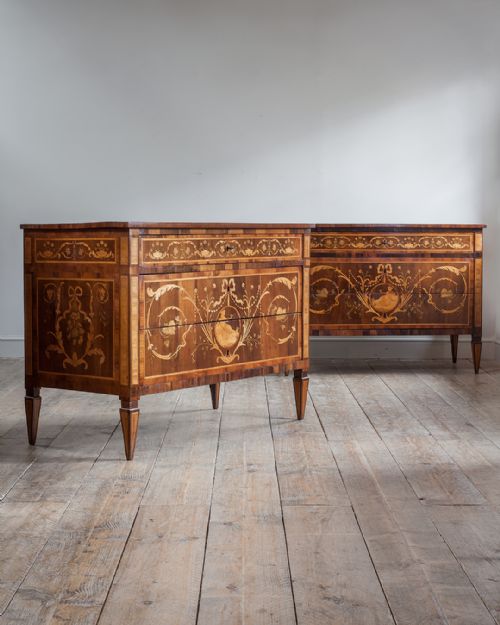
Decorative surfaces frequently incorporated floral marquetry, inlay, and hand-carved gilt-wood or ormolu mounts made of brass. Secondary timbers like pine or oak were used for drawer linings and interior framing.
Metal hardware such as brass handles, escutcheons, and bound strapping provided both functional reinforcement and visual contrast against dark woods.
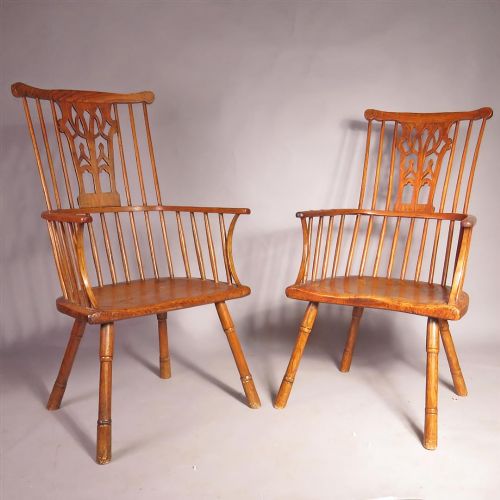
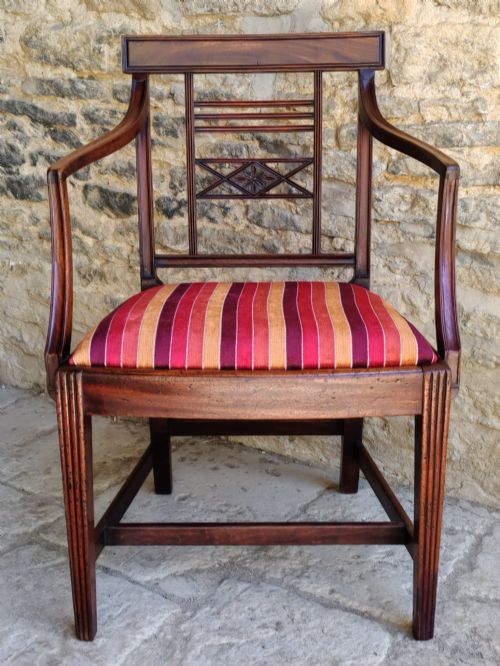
Several armchairs retain their original comb backs, offering a sturdy seating solution that has comfortably outlasted many generations of owners.
Distinctions in quality and execution
Quality separates through the crispness of hand-carved details, the precision of marquetry inlay, and the retention of original surface patination. Superior examples display thoughtful timber selection where grain patterns align harmoniously across drawer fronts and tabletops.
Internal construction reveals the maker's hand through the dovetailing of drawers, the choice of secondary woods, and the integration of original brass hardware. Pieces retaining their structural integrity without extensive timber replacement command greater appreciation.
The Late 18th Century Furniture Glossary
- Commode
- A low chest of drawers or cabinet originating in France, typically featuring decorative veneers or marquetry. These pieces often stand on relatively tall legs.
- Cellarette
- A lockable container used for storing wine bottles near the dining table, frequently lined with lead and bound in brass. They often sit directly on the floor or on short bracket feet.
- Marquetry
- The art of applying decorative veneer pieces in wood, metal, or shell to form geometric or floral patterns. It requires meticulous cutting and fitting to achieve a seamless surface.
- Ormolu
- Gilded bronze applications used as decorative mounts on furniture, popular in French neoclassical and continental pieces. This technique provides metallic contrast against polished dark woods.
- Patina
- The surface sheen and colour developed over decades of handling, polishing, and natural ageing. A desirable patina shows depth without looking stripped or overly restored.
Late 18th Century Furniture: Frequently Asked Questions
How do I care for antique mahogany surfaces?
Keep wooden surfaces away from direct sunlight and steady heat sources to prevent the timber from drying out and splitting.
Apply natural beeswax sparingly and buff gently with a soft cloth to maintain the protective finish and natural sheen.
Can I use a card table every day?
These folding tables were built for functional domestic use and handle regular placement in living spaces quite well.
Take care when pivoting the hinged top leaf to support the folding leg mechanism without straining the pivot hinges.
What defines a George III piece?
The George III designation covers pieces made during the reign spanning the second half of the eighteenth century. This era encompasses shifts from early rococo curves to more restrained neoclassical and Sheraton straight lines.
Look for balanced proportions, disciplined carving, and disciplined use of mahogany or satinwood veneers.
How do regional tables differ?
Country pieces like cricket tables or Windsor chairs prioritize sturdy construction using local timbers such as oak, ash, or elm. They often display simpler turned legs and saddle seats shaped for straightforward utility.
Urban workshop pieces focus more on decorative veneers, stringing, and formal proportions intended for polite drawing rooms.