

Georgian Oak Bedroom Furniture
Georgian oak bedroom furniture provides sturdy storage through chests of drawers, tallboys, and linen presses shaped by eighteenth and nineteenth-century cabinet makers.
Georgian Oak Bedroom Furniture
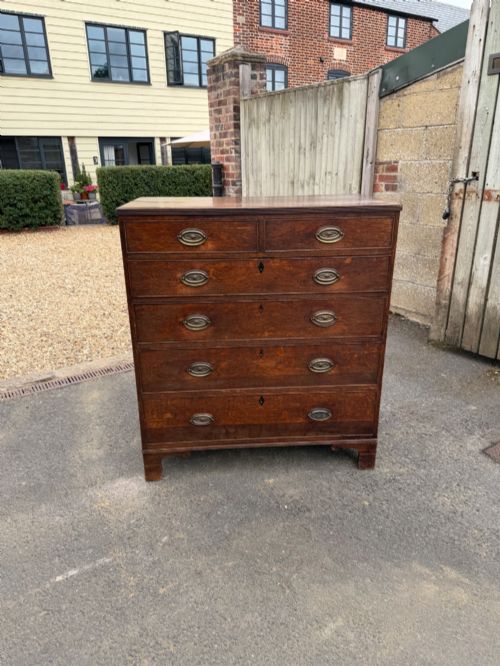
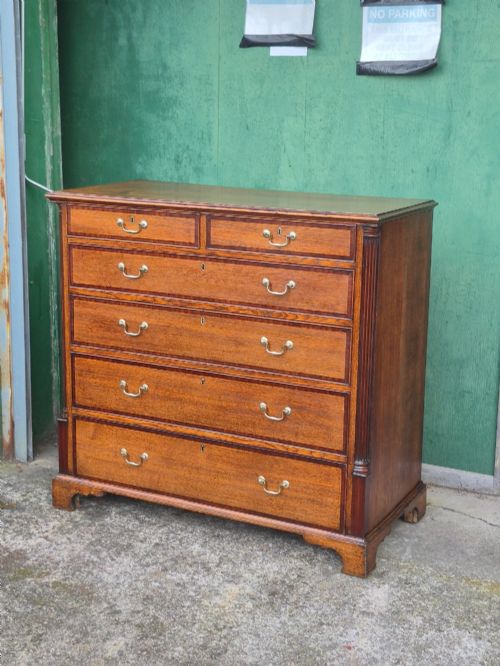
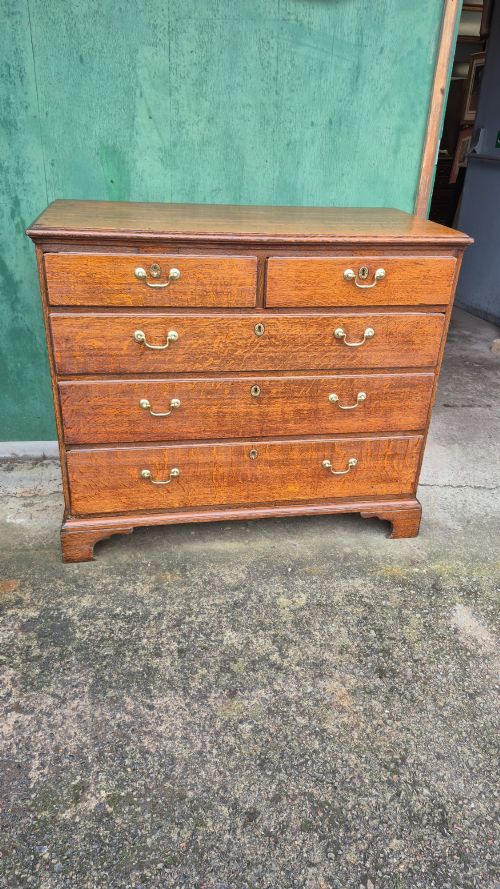
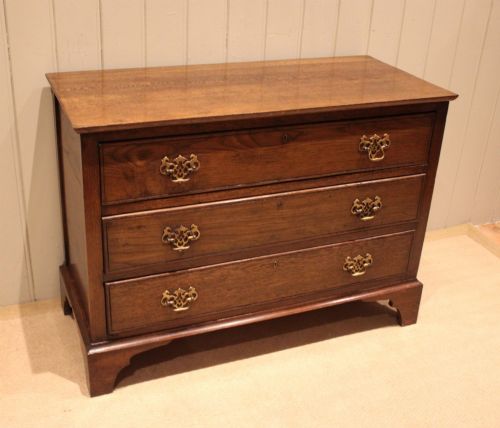
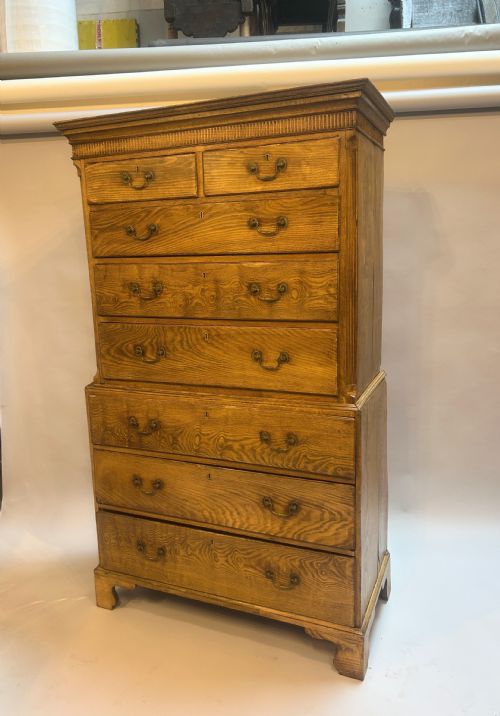
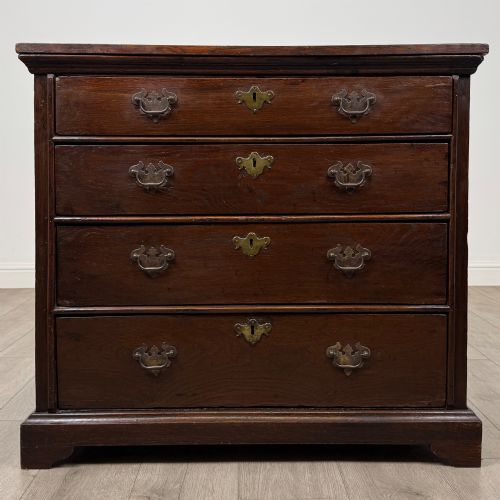
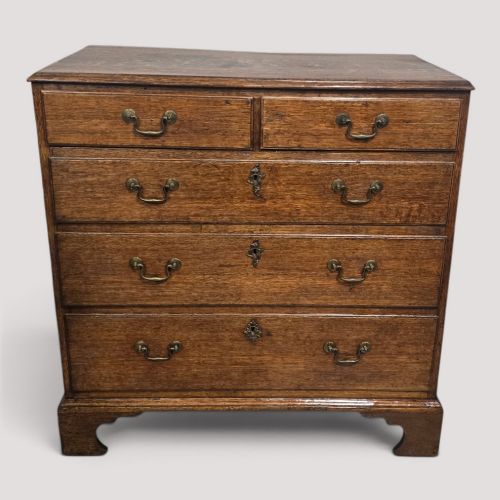
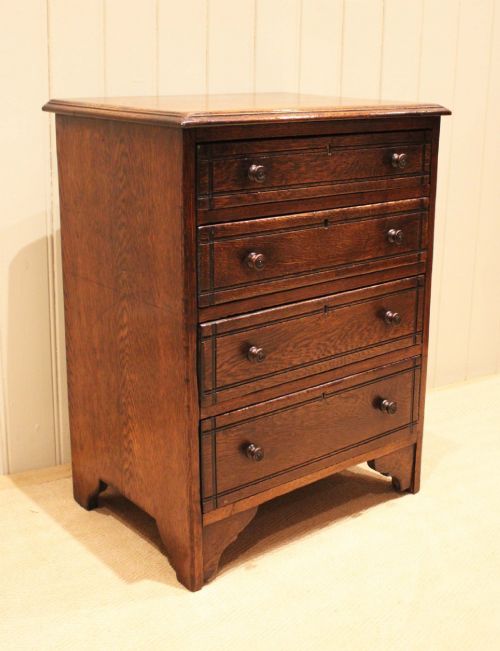
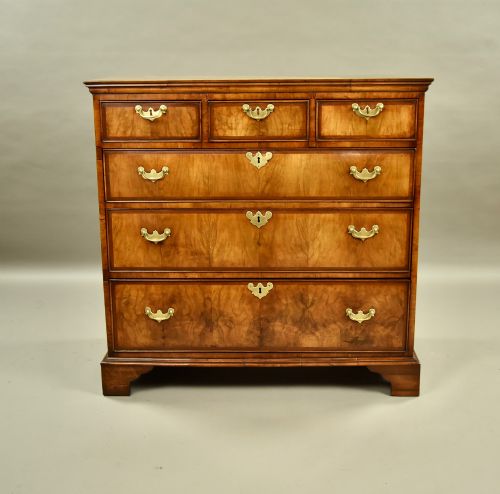
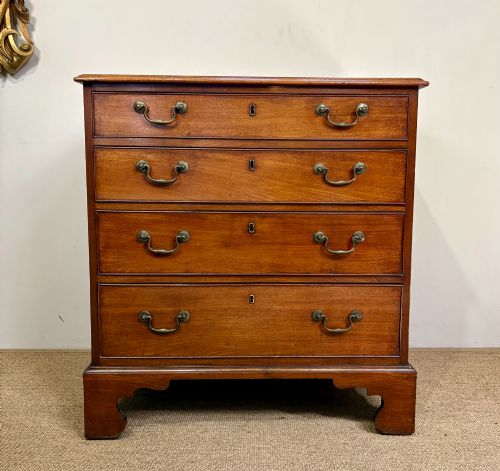
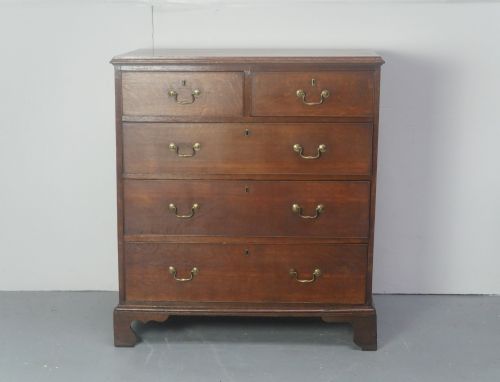
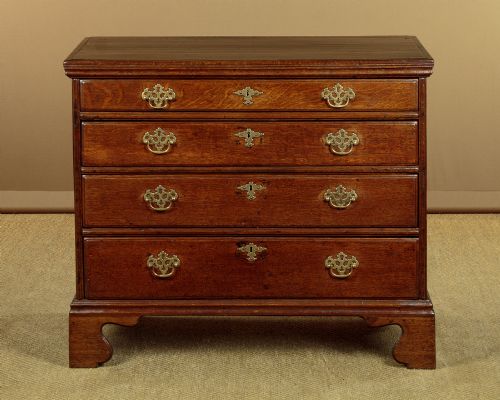
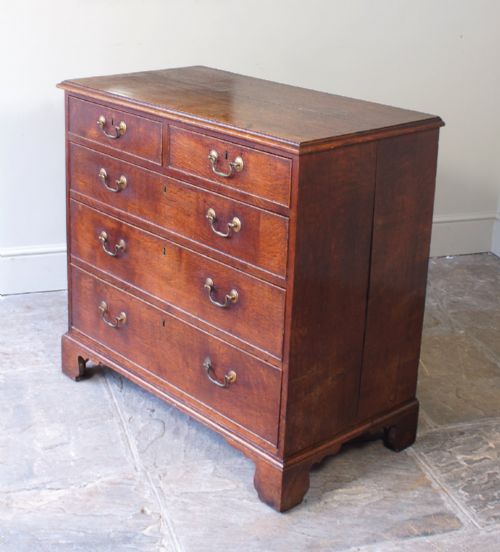
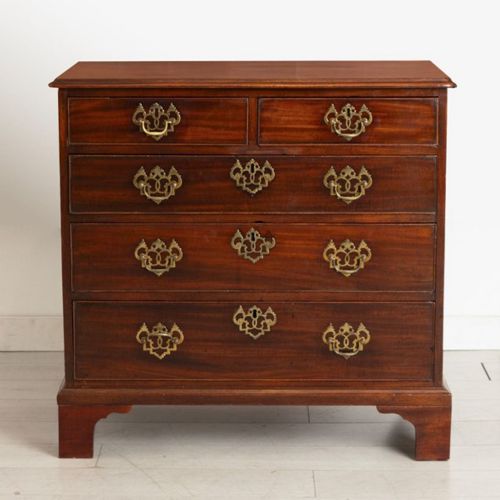
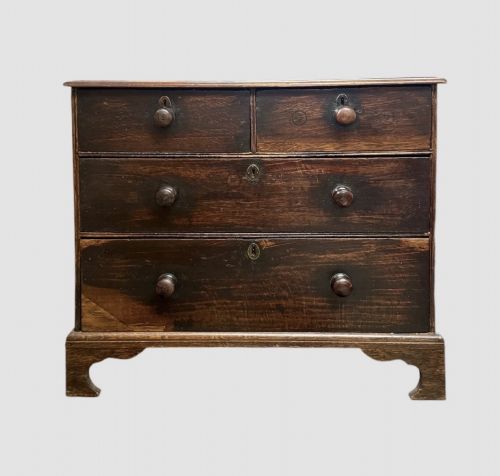
Georgian oak bedroom furniture centres primarily on chests of drawers, ranging from low proportions and bachelor variants to large tallboys and chests on chests. These pieces originate across the eighteenth and nineteenth centuries, spanning Georgian periods, the Regency era, and later Edwardian interpretations.
The objects serve utilitarian bedroom storage needs using solid timbers, panelled construction, and characteristic drawer configurations. Chests often feature brass handles and bracket feet, while specific examples incorporate walnut or mahogany cross-banding.
Buyers encountering this selection meet pieces originating from English country workshops alongside formal metropolitan cabinet makers. The forms reflect the utilitarian requirements of period bedchambers through practical drawer depths and timber selection.
Materials and Construction
Makers constructed these pieces predominantly from solid oak, frequently paired with secondary timbers like mahogany and walnut for cross-banding or inlay work. Metalwork details such as brass handles and iron fittings complete the structural hardware.
Cabinet makers utilised traditional joining methods, incorporating panelled drawer fronts and robust carcases designed to withstand daily use. Surfaces display natural timber grains, occasionally finished with bleached effects or polished treatments.
Certain chests conceal secret compartments designed to safeguard valuables from prying eyes.
Assessment of Quality
Quality depends upon timber selection and the integrity of the original construction, such as the retention of period brass handles and bracket feet. Pieces with uncompromised timber patination and clean interior drawer linings represent superior examples.
Proportion and scale distinguish finer workshop output from standard domestic furniture, particularly in smaller bachelor chests and tallboys. The precision of cross-banding and the depth of panel moulding indicate the level of craftsmanship invested by the maker.
The Georgian Oak Bedroom Furniture Glossary
- Tallboy
- A tall chest of drawers standing upon a base section, providing elevated vertical storage. These pieces combine substantial capacity with compact floor footprints.
- Bracket foot
- A structural support projecting from the lower corners of a piece, shaped in an L-form. This foot style appears frequently on Georgian case furniture.
- Cross-banding
- A decorative border of veneer laid with the grain running perpendicular to the surrounding timber. Cabinet makers used this technique to frame drawer fronts.
- Bachelor's chest
- A compact chest of drawers typically featuring a fold-over top or a slide used for writing. These versatile items served multifunctional purposes in period bedchambers.
- Linen press
- A tall storage piece containing sliding trays enclosed by upper doors, placed above a bank of lower drawers. They accommodated folded textiles before fitted wardrobes became standard.
Georgian Oak Bedroom Furniture: Frequently Asked Questions
How do I identify a Georgian chest of drawers?
Examine the construction methods, timber patination, and hardware details such as original brass handles and bracket feet. Period pieces display hand-cut dovetails and solid oak linings.
Proportions and decorative elements like panelled drawer fronts or cross-banding further distinguish genuine eighteenth-century examples from later revival styles.
What is the difference between a tallboy and a chest on chest?
A tallboy typically refers to a single tall chest or a chest mounted on a separate stand. A chest on chest consists of two distinct cabinet sections stacked vertically.
Both forms maximise storage capacity while utilising minimal floor space within traditional bedroom settings.
Where should I place a bachelor's chest at home?
A bachelor's chest suits smaller bedrooms, hallways, or living spaces due to its compact dimensions. The surface or pull-out slide offers practical utility for display or writing.
Keep wooden furniture away from direct heat sources and strong sunlight to preserve the oak timber and finish.
How do I care for antique oak bedroom furniture?
Maintain the wood by dusting with a dry cloth and occasionally applying natural beeswax to nourish the timber grain. Avoid modern chemical sprays that can damage antique finishes.
Ensure stable indoor humidity levels to prevent the solid oak panels from warping or splitting over time.