

Large Wall Artwork
Large wall artwork commands a room, bringing historical presence and scale through oil paintings, pastels, and framed prints from the eighteenth century to the mid-twentieth century.
Large Wall Artwork
When searching for large wall artwork, a buyer encounters substantial oil paintings, framed prints, pastels, and decorative panels designed to fill domestic and institutional interiors. These pieces span the eighteenth, nineteenth, and early twentieth centuries, encompassing Victorian, Edwardian, Georgian, and mid-century modern aesthetic movements.
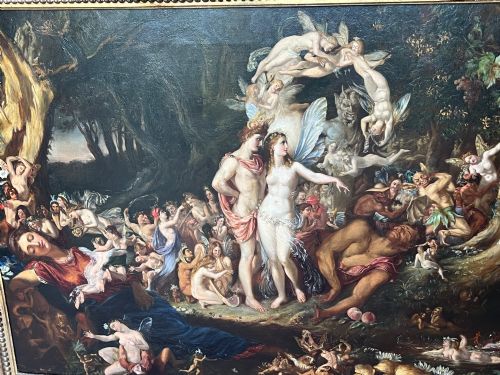
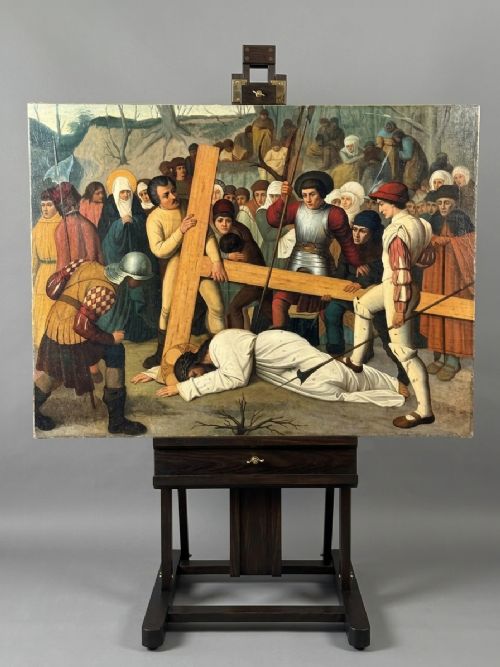
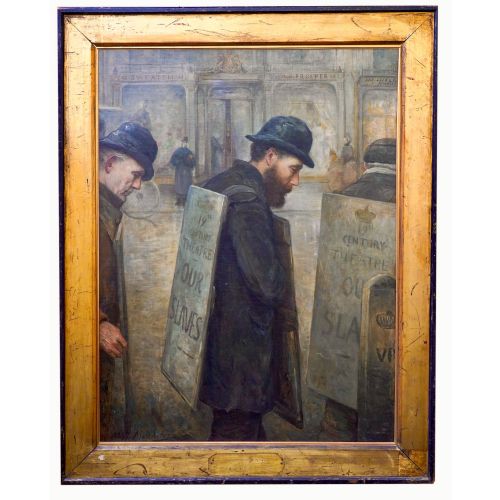
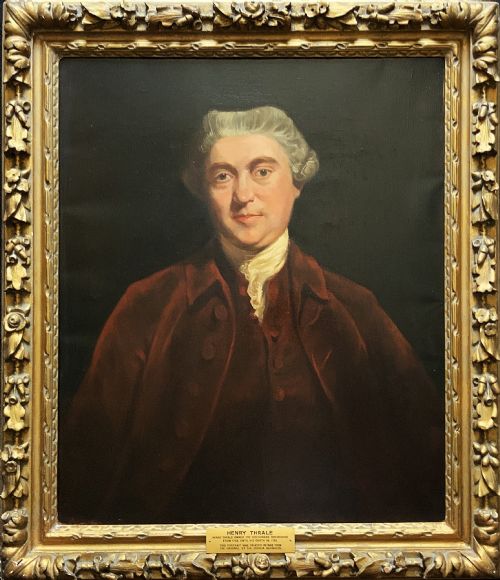
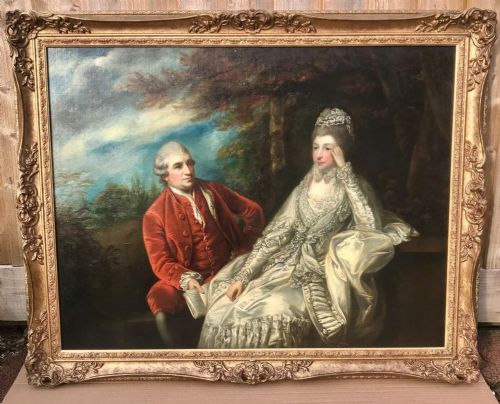
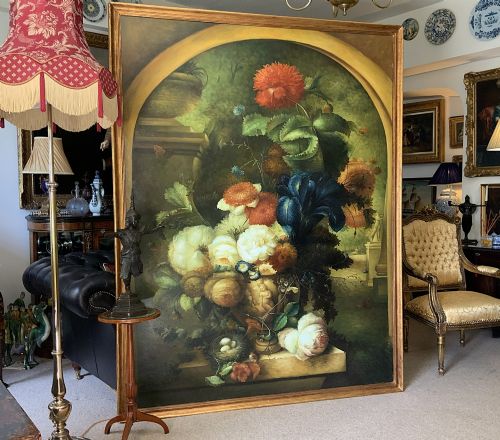
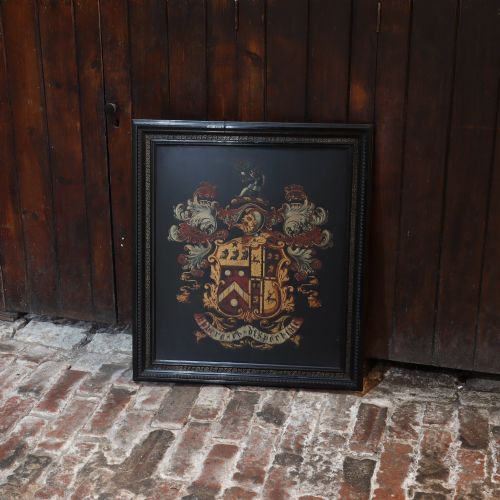
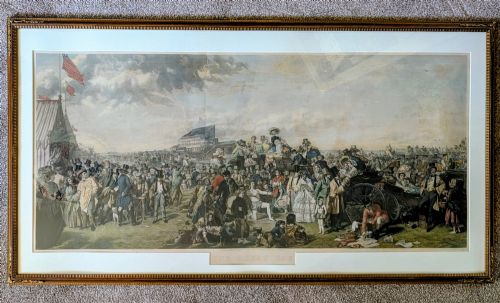
The selections on this page are most frequently represented by nineteenth-century oil paintings on canvas, alongside framed engravings, portraiture, and still life compositions. British, continental European, and Asian origins appear throughout the selection, ranging from grand floral still lifes to narrative historical scenes and heraldic panels.
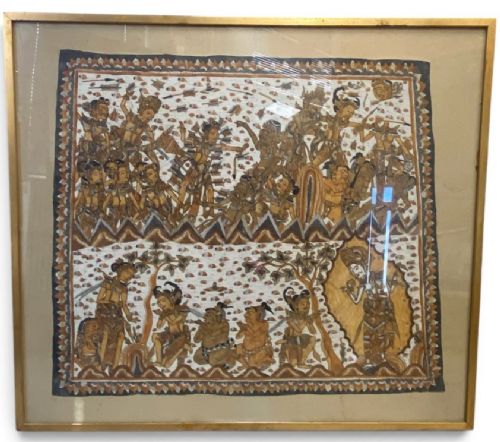
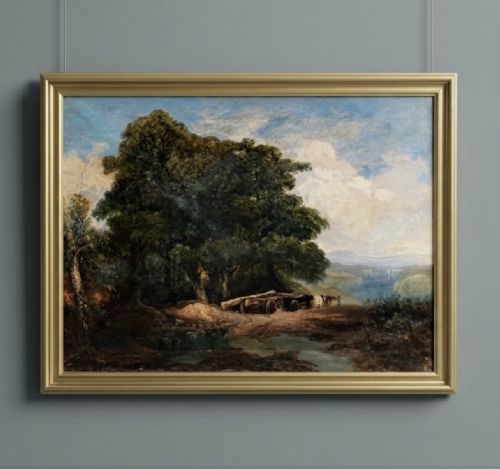
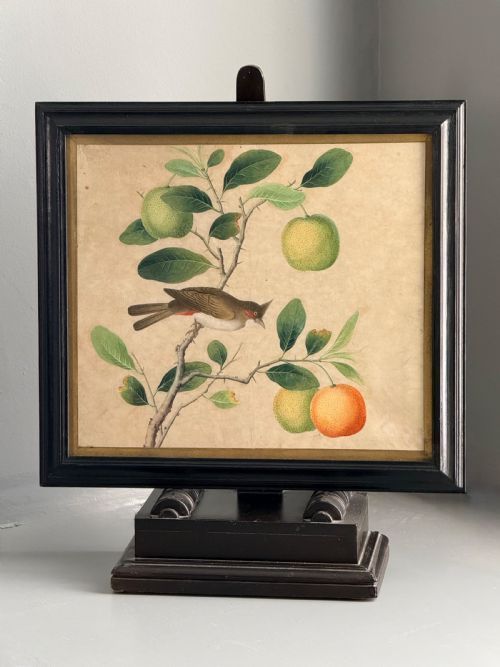
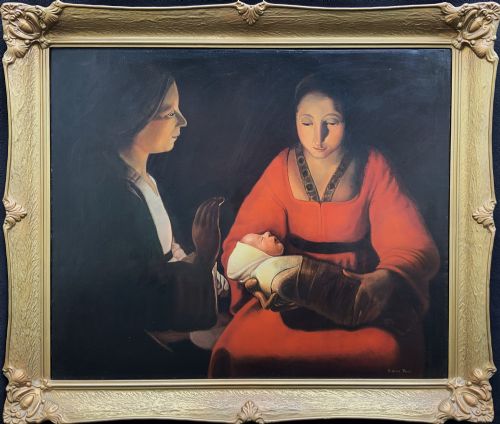
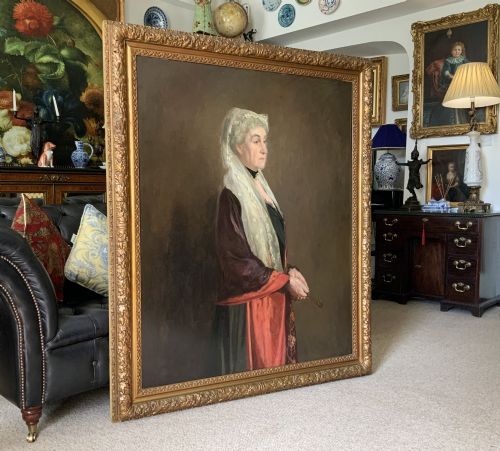
Framed statements include monumental portraits, pastoral landscapes, and seascapes executed within period wooden surrounds, such as giltwood and oak frames. Buyers also find specialised formats like reverse paintings on glass, pith paper gouaches, and textile works from Balinese traditions.
Materials and construction techniques
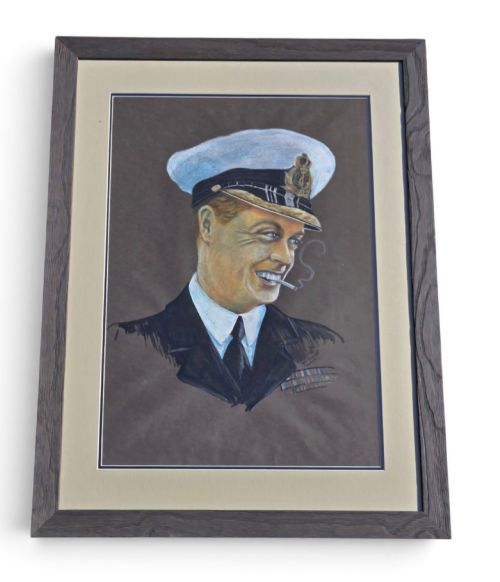
The physical build of these large wall artwork pieces relies primarily on oil paint applied to stretched canvas, supported by heavy wooden stretchers and housed within period frames of gilt wood, gesso, or carved oak. Artisans also utilised paper, board, and textile as grounds for pastels, gouache, and engravings.
Framing forms an integral component of the construction, utilising glazed protection for delicate paper works and deep moulding profiles to support monumental canvases. The integration of original Hogarth frames and ornate giltwood surrounds preserves the historical relationship between the image and its display housing.
Listings feature nineteenth-century and eighteenth-century periods alongside Edwardian and mid-century modern pieces, utilising oil on canvas, paper, and gilt wood.
Distinctions in craftsmanship and preservation
Quality within large wall artwork distinguishes itself through the handling of pigment, the anatomical or spatial accuracy of the composition, and the integrity of the original support. Superior works demonstrate confident brushwork, depth of tone, and balanced proportions across large scales.
The preservation of the surface layer and the retention of the original framing structure heavily influence the standing of a piece. Works retaining their period giltwood or Hogarth frames without excessive restoration carry greater historical coherence than those altered or rehoused in later periods.
Richard Sebastian Bond·Felix Stone Moscheles·Georges de La Tour·Sir Joshua Reynolds·John Opie RA·TB Hardy·Konstantin Stoitzner·Robert Cleminson·Erich Mercker
The Large Wall Artwork Glossary
- Canvas
- A heavy woven fabric used as a surface for oil paintings. It is typically stretched tightly over a wooden frame before painting.
- Giltwood
- Wood that has been coated with a thin layer of gold leaf or gold paint. This finish frequently decorates nineteenth-century and eighteenth-century frames.
- Engraving
- A printmaking technique where an image is incised into a metal plate with a burin. The inked plate then transfers the design onto paper under pressure.
- Gouache
- An opaque water-based paint consisting of pigment, water, and a binding agent such as gum arabic. It dries to a matte, dense finish.
- Still life
- An artwork depicting inanimate subject matter, typically commonplace objects such as flowers, fruit, or game. These compositions emphasise arrangement and light.
Large Wall Artwork: Frequently Asked Questions
How do I hang heavy wall art safely?
Monumental oil paintings and framed prints require secure fixings into structural wall studs or heavy-duty masonry anchors to support their considerable weight. Using a two-point hanging system distributes the load evenly and prevents the frame from tilting.
Ensuring the picture wire and D-rings are robust enough for the scale of the artwork guarantees safe long-term display in domestic or public spaces.
What lighting suits antique oil paintings?
Natural indirect daylight preserves the pigments of antique canvases best, avoiding the heat and ultraviolet damage caused by direct sun exposure. Warm, low-heat LED picture lights mounted above the frame highlight the depth of the oil paint without risking material degradation.
Positioning the artwork away from direct heat sources like radiators prevents the canvas and wooden stretcher from warping over time.
How are nineteenth-century frames identified?
Nineteenth-century frames typically feature hand-carved wooden mouldings finished with composition ornament pressed over gesso layers. Corners often display mitred joints reinforced with wooden splines or keys behind the rabbet.
Examining the reverse reveals aged timber panels, oxidation on iron fixings, and early framer labels that confirm the period of the housing.
Can mixed media works be framed together?
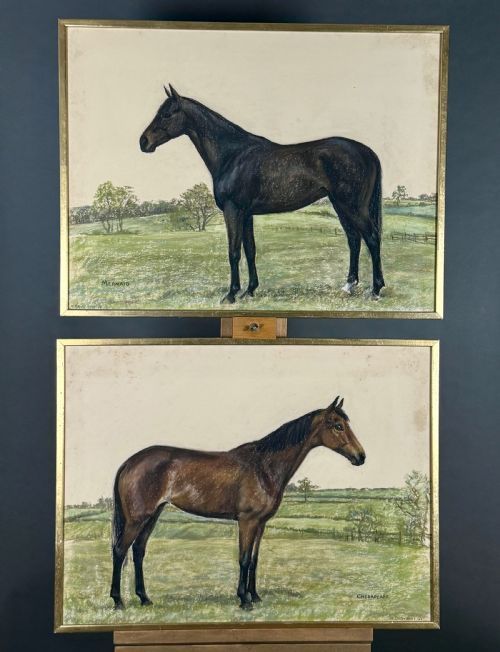
Pairing works such as pastels or engravings requires matching scale, mount widths, and frame profiles to maintain visual harmony on a large wall. Conservation glass or acrylic must be used to protect works on paper from atmospheric moisture and dust.
Keeping consistent wood tones or gilt finishes across paired frames ties distinct subjects together into a cohesive decorative display.