



Large Tribal Floor Rug
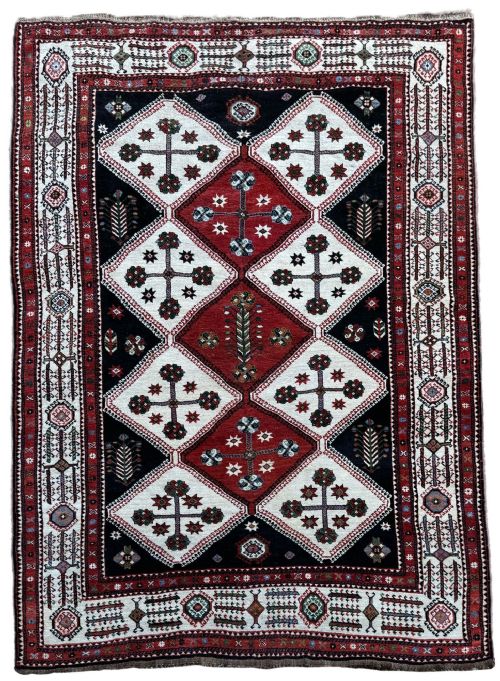
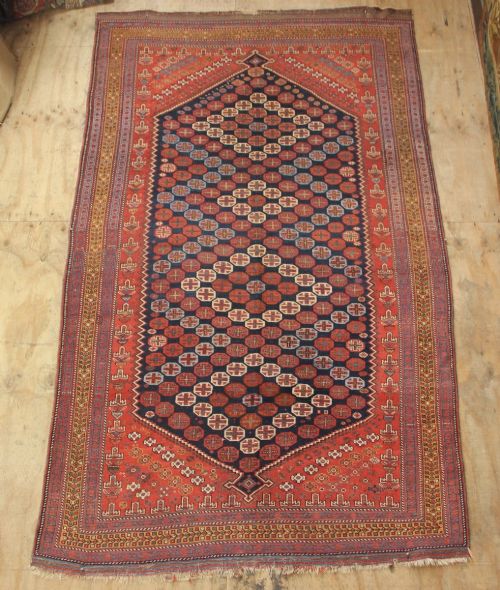
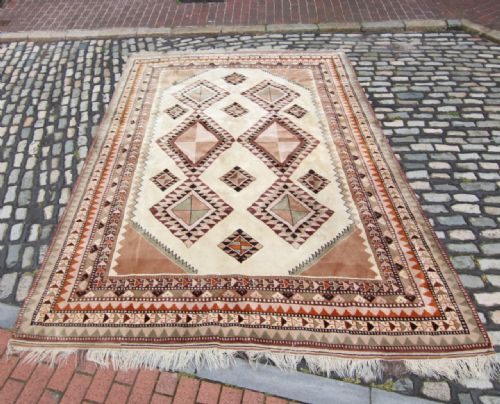
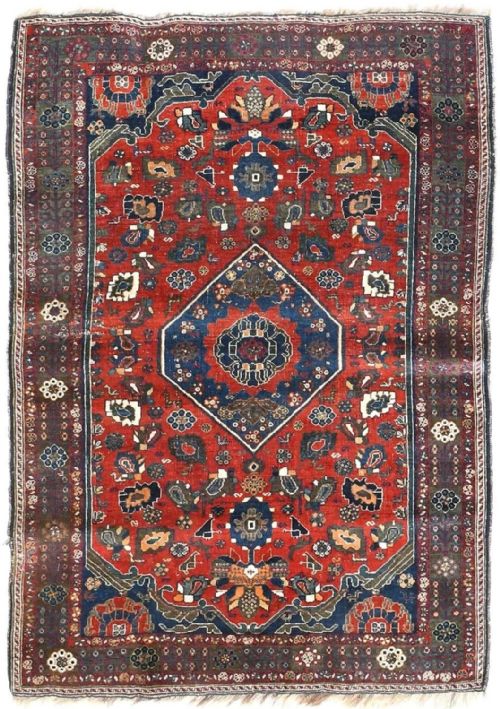
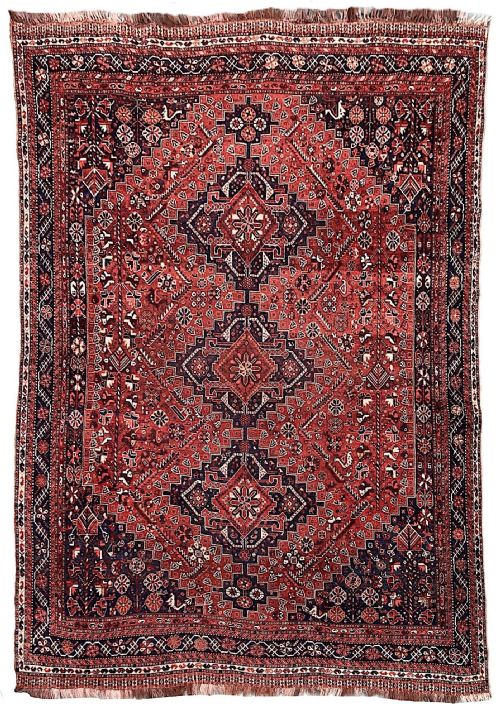
A large tribal floor rug anchors a room with dense geometric patterns and heavy wool warmth woven by village and nomadic hands.
Large Tribal Floor Rug
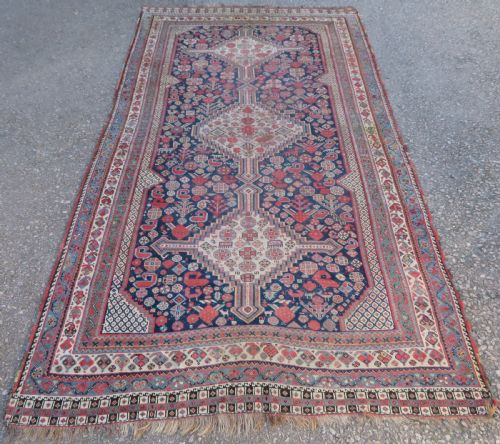
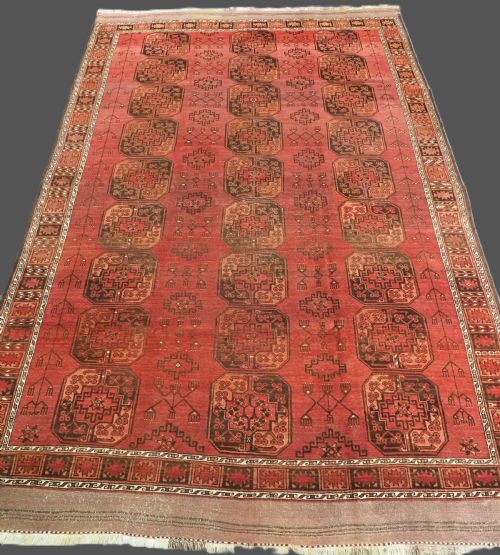
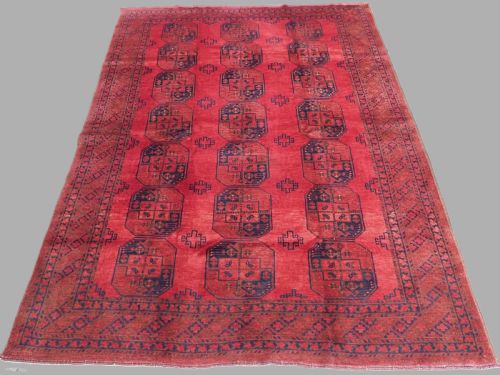
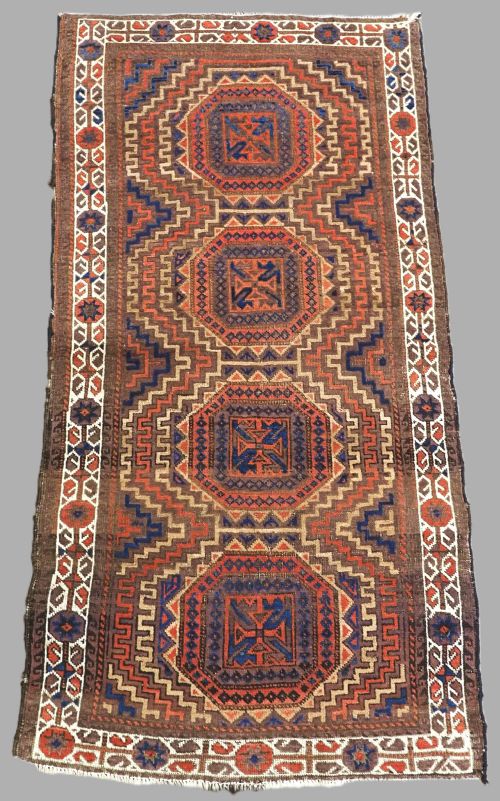
A large tribal floor rug provides substantial room coverage through substantial floor coverings woven in Persian, Turkmen, Afghan, and Turkish regions. These pieces span the late nineteenth century to the mid-twentieth century, bringing authentic village and nomadic character into domestic spaces.
Most examples encountered here are room-sized carpets featuring traditional motifs such as guls, geometric medallions, and tribal borders. They serve as robust functional items designed to handle heavy foot traffic while displaying regional weaving traditions.
Makers ranged from village households to nomadic tribes utilising local iconography passed down through generations. Each piece reflects the specific heritage of groups such as the Heriz, Afshar, Ersari, and Bakhtiari.
How they were made
Construction relies primarily on hand-knotted wool pile secured onto cotton or wool foundations, ensuring a dense and durable structure. Weavers employed traditional upright looms to build the dense pile required for heavy floor use.
Colour comes from natural dyes applied to hand-spun wool, producing rich red, blue, and earthy tones that age gracefully. These organic colourants interact with the wool fibres to create subtle tonal variations across the surface of the carpet.
Listings feature carpets spanning from the eighteen-fifties through the nineteen-forties, constructed from wool and cotton using natural dyes.
What varies in quality
Quality depends heavily on the fineness of the knot density and the precision of the geometric layout executed by the weaver. Tighter knotting allows for sharper definition in complex medallions and borders.
The integrity of the wool and the depth of the natural dyes distinguish superior examples from standard village production. Well-preserved foundations and robust pile retention indicate a higher grade of original craftsmanship.
The Large Tribal Floor Rug Glossary
- Gul
- A repeating octagonal or medallion motif commonly found in Turkmen and Central Asian tribal carpets. It often denotes specific tribal lineage and clan affiliation.
- Kelleh
- A long, rectangular format carpet traditionally used in Persian rooms. This format offers a narrower proportion than standard room-sized carpets.
- Beshir
- A distinct style of Turkmen carpet originating from the Amu Darya region. These pieces frequently feature unique lattice designs and prayer attributes.
- Heriz
- A style originating from northwestern Persia known for bold geometric medallions and robust structural qualities. They typically utilise sturdy foundations suited for heavy domestic wear.
Large Tribal Floor Rug: Frequently Asked Questions
Where were these rugs made?
These rugs were woven across Persia, Anatolia, and Central Asia by various nomadic tribes and settled village communities.
Weavers utilised local materials and traditional regional designs unique to their specific culture and geography.
How do I care for a heavy wool rug?
Vacuum gently without a rotating brush roll to protect the hand-knotted pile from excessive friction and wear.
Professional cleaning is recommended periodically to maintain the integrity of the natural wool fibres and dyes.
What is a gul design?
A gul is a repeating medallion motif characteristic of Turkmen and Central Asian tribal carpets and main carpets.
These stylised floral or octagonal forms often carry deep cultural significance for the specific tribe that wove them.
Are these carpets suitable for heavy foot traffic?
Many of these pieces were constructed specifically to be hard-wearing and heavy-duty floor coverings for active households.
The dense wool pile and robust foundations allow them to endure daily use while retaining their structural integrity.