



Large Porcelain Floor Vase
A large porcelain floor vase anchors a grand hallway or reception room with substantial presence and historic weight.
Large Porcelain Floor Vase
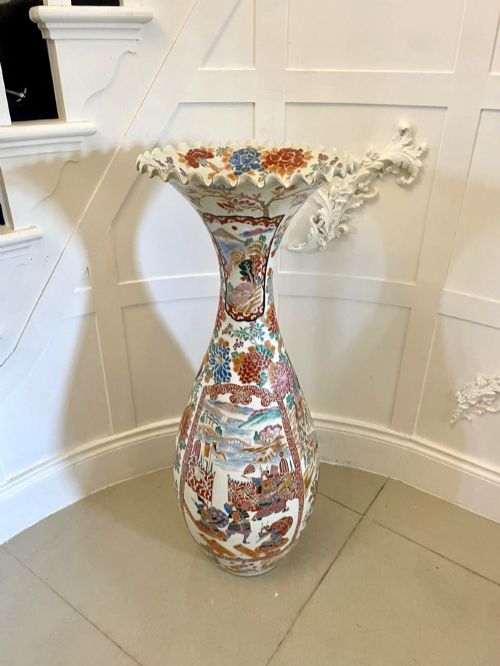
A large porcelain floor vase is a monumental decorative vessel designed to stand directly upon the floor rather than on a table or cabinet. These pieces dominate a room through height and visual weight, drawing the eye naturally to corners or hearths.
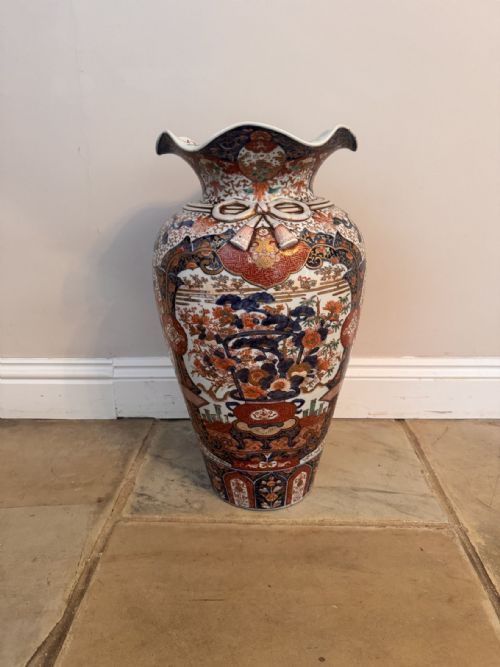
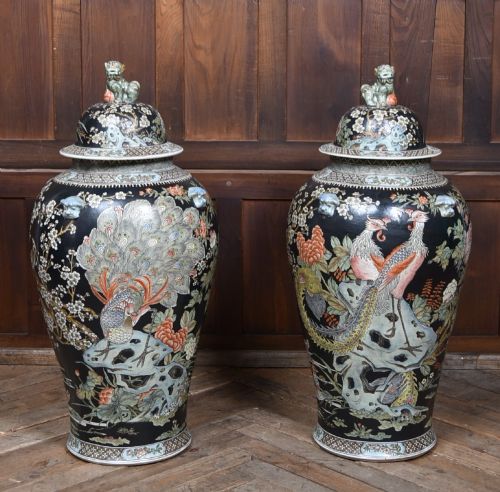
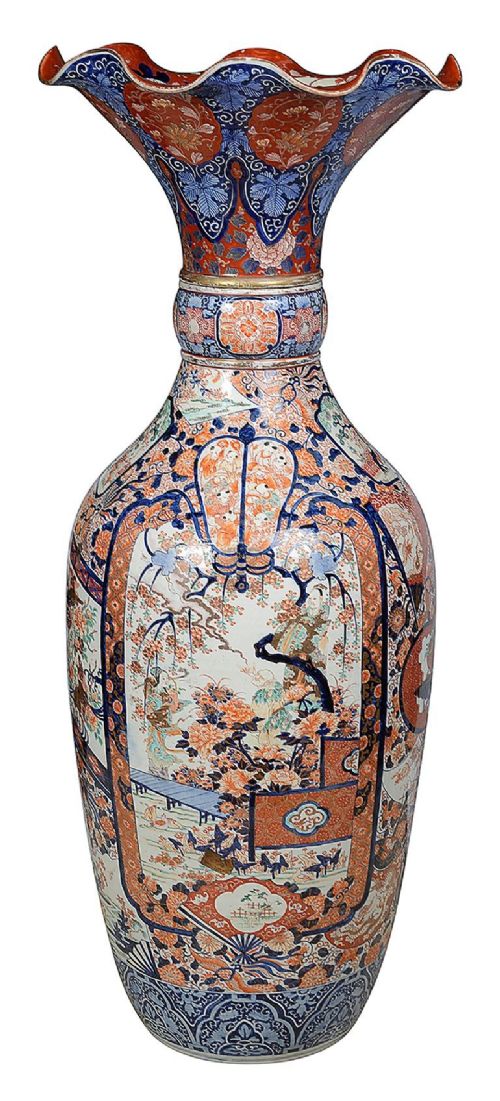
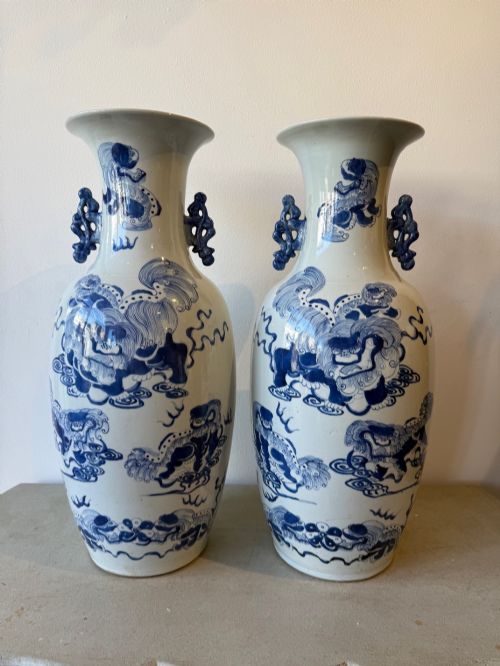
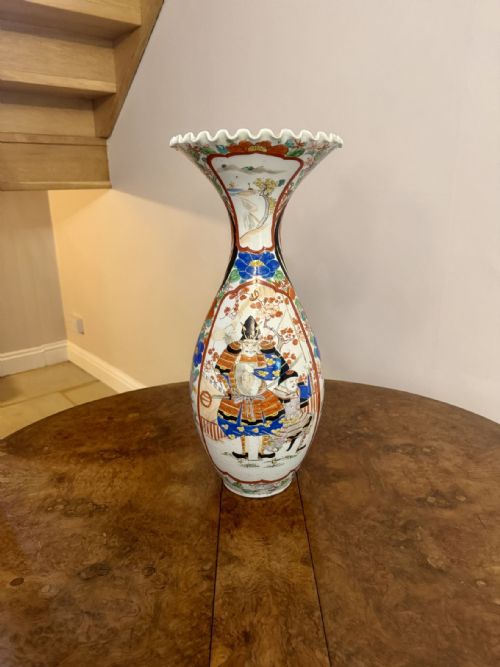
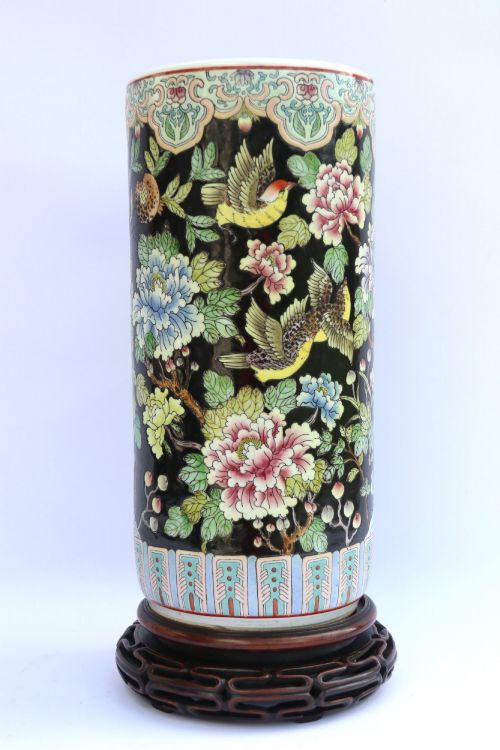
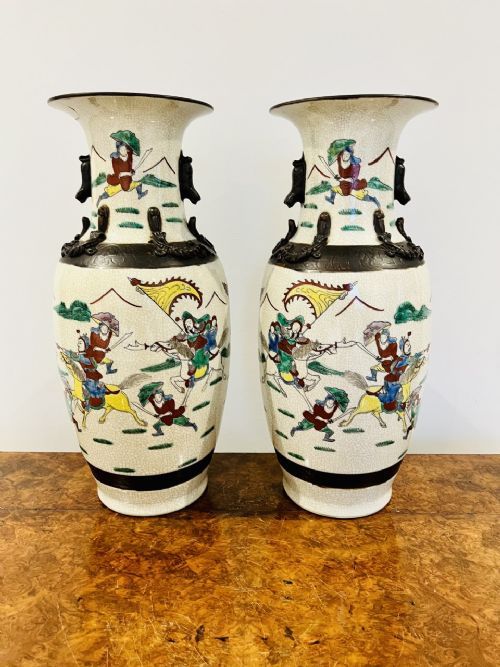
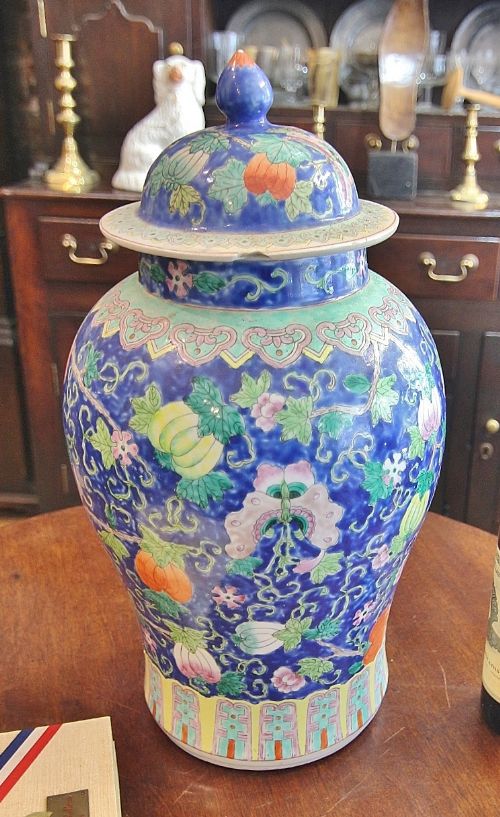
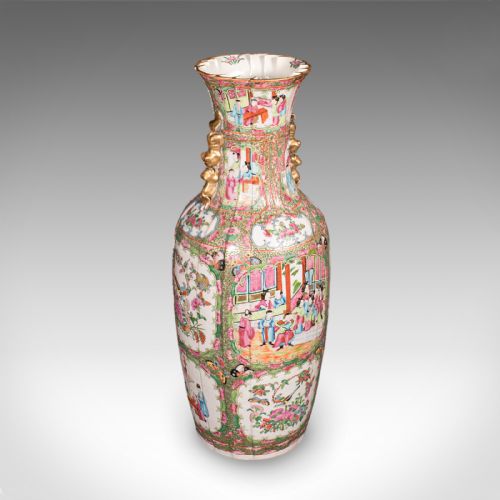
When you search for a large porcelain floor vase, you meet examples stretching from the nineteenth century into the twentieth, encompassing Japanese Imari, Satsuma, and Chinese Qing dynasty aesthetics. Many of these grand pieces arrive paired or accompanied by original wooden stands.
The forms range from traditional baluster shapes and lidded jars to tall spill vases and palace containers. Each style reflects the distinct decorative ambitions of its period of origin.
How they were made
Makers utilised high-fired ceramic and porcelain bodies, often glazed and painted with detailed enamel pigments. Gold leaf and gilt details frequently accent the intricate surface patterns.
Certain examples incorporate wooden stands or lacquer panels, combining different craft traditions to support the heavy ceramic bodies safely. Master potters shaped these monumental vessels in sections before firing and decorating them by hand.
Several towering vessels stand nearly five feet tall, demanding more headroom than an average Victorian doorway.
What varies in quality
Quality rests upon the precision of the hand-painted enamel work and the depth of the glaze. Master painters achieved finer lines, richer colour saturation, and more harmonious compositions on superior vessels.
The presence of original matching stands, lids, or paired symmetry elevates an object's integrity. Monumental scale combined with uncompromised ceramic stability separates standard production pieces from exceptional works of art.
Kato Sanhei·Masons Ironstone
The Large Porcelain Floor Vase Glossary
- Imari
- A traditional Japanese style of porcelain decorated in underglaze blue, iron red, gold, and supplementary colours. This aesthetic became highly popular for export during the Meiji period.
- Satsuma
- A type of Japanese earthenware or porcelain with a pale, ivory-coloured cracked glaze, typically richly decorated with polychrome enamels and gilding. These pieces often depict traditional figures and landscapes.
- Baluster
- A tall vase form with a rounded body that tapers toward the base and swells near the middle. This classic shape provides stability for large vessels.
- Famille Rose
- A major palette of Chinese porcelain enamel colours introduced in the eighteenth century, dominated by opaque pink or rose. The style continued to influence nineteenth-century export wares.
- Glaze
- A glassy coating baked onto the ceramic body to seal the porous clay and provide colour or shine. Variations include cracked glazes and deep mazarine blue finishes.
Large Porcelain Floor Vase: Frequently Asked Questions
Where should I place a large porcelain floor vase?
These tall vessels suit wide hallways, entrance foyers, or empty corners where they command attention without obstructing movement.
Ensure they sit upon a stable, level surface away from busy thoroughfares to protect the ceramic body and any original wooden stand.
How do I care for a historic porcelain vase?
Dust the surface regularly with a soft, dry cloth to prevent grime from settling into textured enamels or gilt details. Avoid using liquid cleaners, which can damage historic glazes and delicate gold leaf.
Are these vases always sold in pairs?
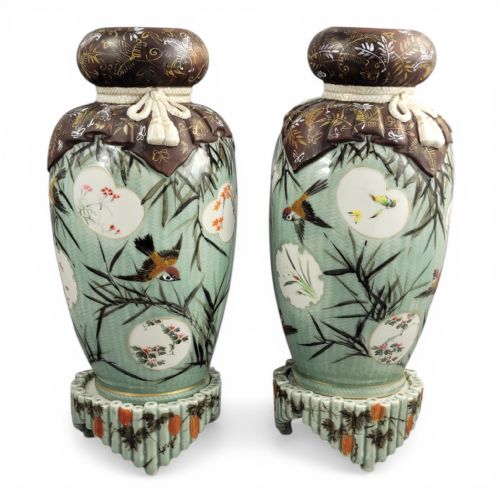
While many monumental floor vessels survive as matching pairs, others appear as single centrepieces. Pairs offer symmetrical balance for flanking a fireplace or doorway.
How can I tell the period of a vase?
Dating relies on examining the painting style, glaze characteristics, and potting techniques alongside specific decorative motifs. Nineteenth-century pieces often display distinct export styles such as Meiji Imari or Qing famille rose.