

Large Ornate Gilt Frame
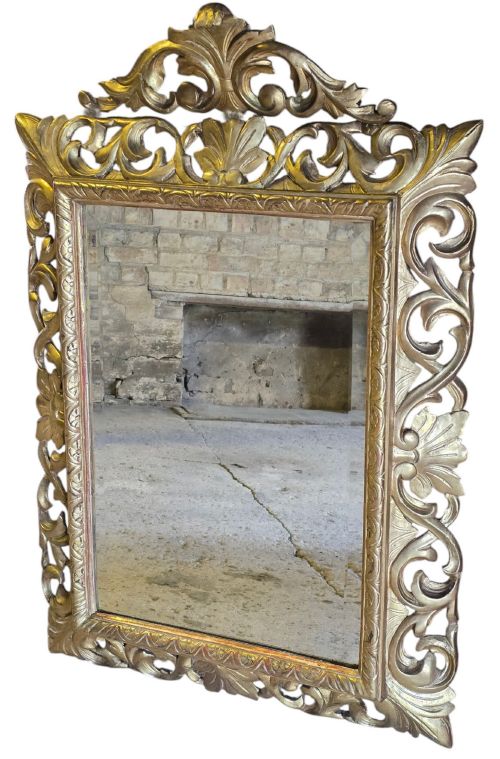
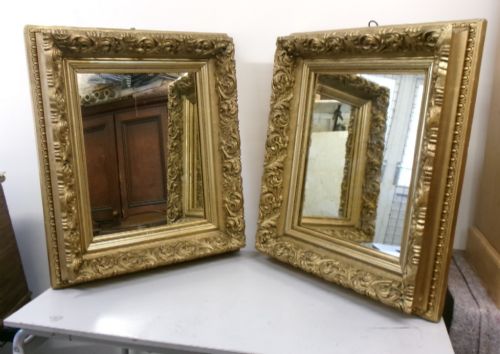
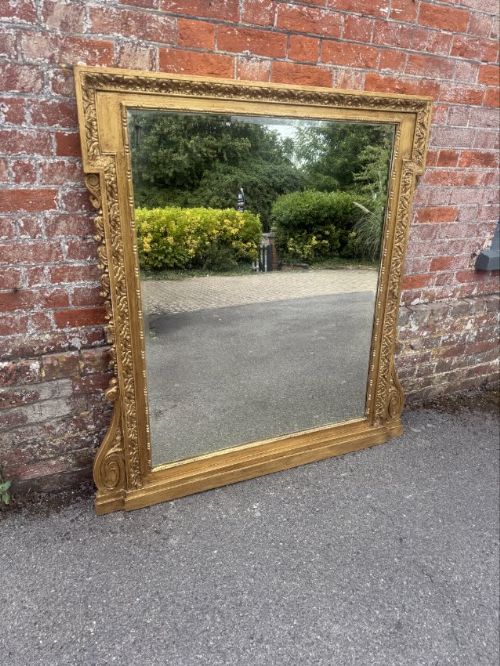
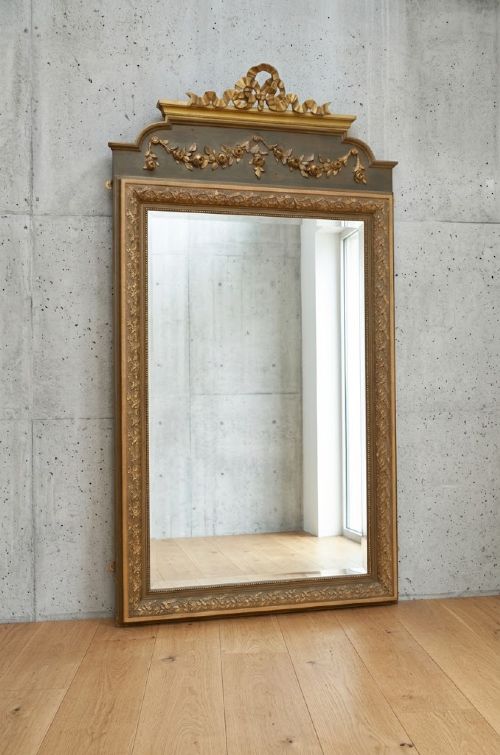
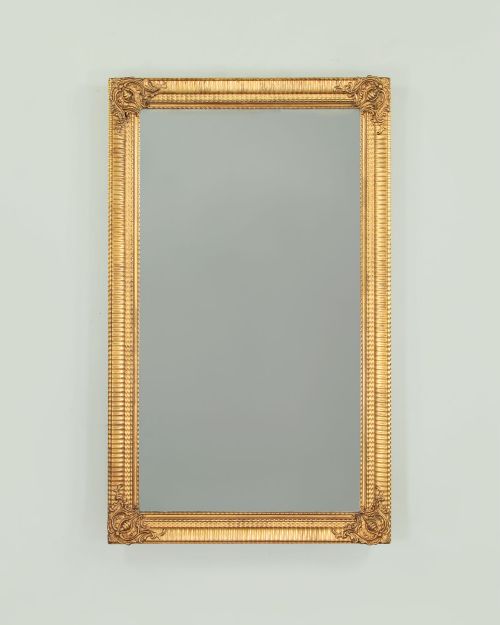
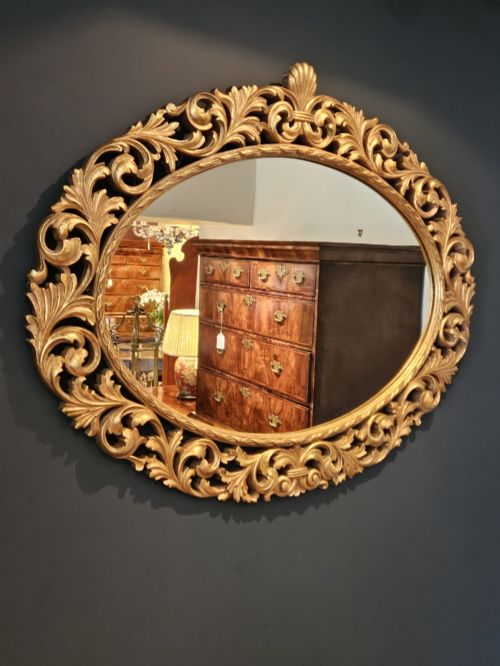
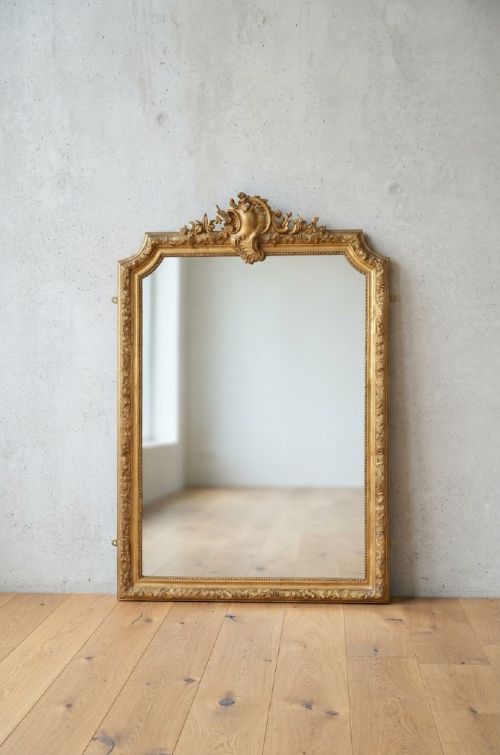
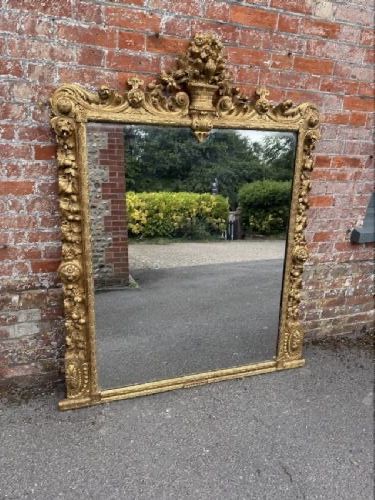
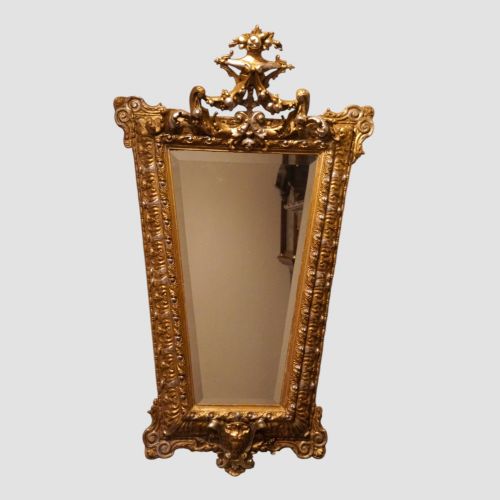
A large ornate gilt frame commands attention in a room, bringing together heavy wooden mouldings, intricate plasterwork and reflective glass to anchor an interior.
Large Ornate Gilt Frame
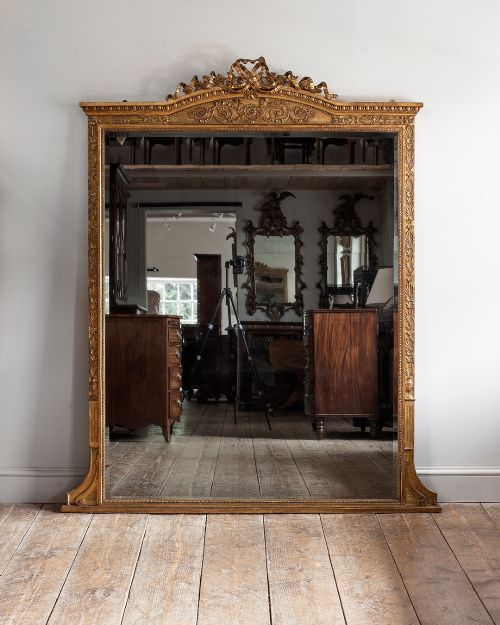
When searching for a large ornate gilt frame, collectors typically encounter massive overmantel mirrors, tall dressing glasses, and heavy picture frames designed to hold oil paintings or fill architectural wall space. These substantial pieces frequently date from the nineteenth century, emerging across English and French workshops during periods that favoured lavish decoration.
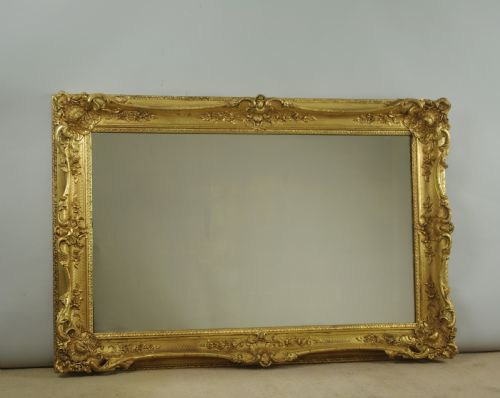
The most common variants on this page take the form of overmantel mirrors and architectural wall mirrors spanning nineteenth-century Victorian and Rococo Revival styles. These objects were originally built to sit above fireplaces or dominate principal reception rooms, serving both a functional reflective purpose and a decorative role as a focal point.
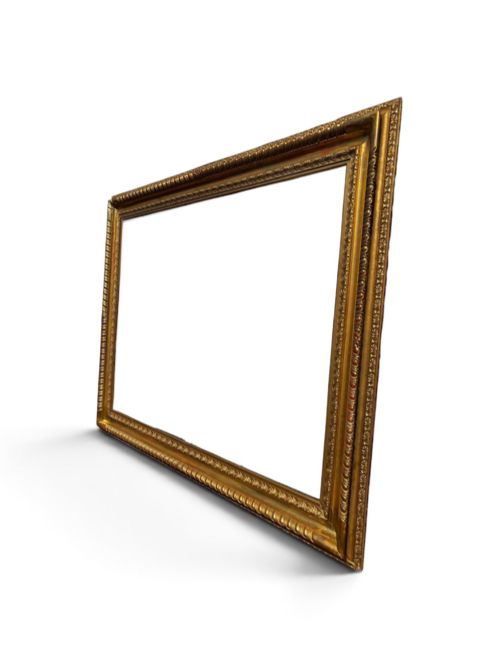
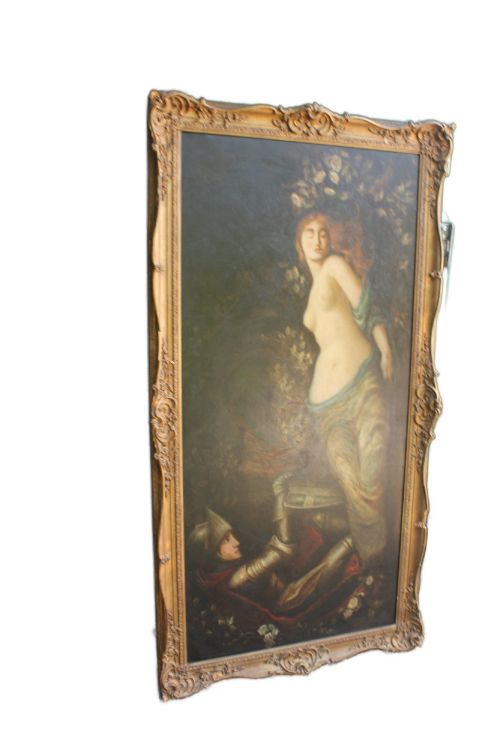
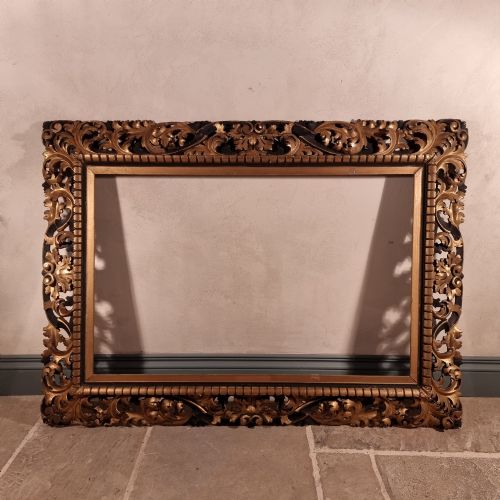
Beyond mirrors, the selection includes empty picture frames and framed canvases ranging from Impressionist cityscapes to historical oil paintings. Whether housing a portrait of a Victorian gentleman or functioning as an independent wall hanging, these items share a heavy presence defined by generous proportions and elaborate crests.
Materials and construction
The foundation of these pieces relies on sturdy timber carcasses built from carved wood, upon which craftsmen applied layers of gesso to create a smooth, workable surface for fine detail. This plaster-like mixture allowed artisans to carve deep relief patterns, scrolls, and floral motifs before applying the metallic finish.
Gilding was achieved by laying thin sheets of gold leaf or silver leaf over a prepared base, occasionally complemented by composition ornamentation moulded separately and pinned to the timber frame. The interaction between the metallic leaf and the underlying gesso created the characteristic warm luminescence seen across surviving nineteenth-century examples.
Listings feature items from the eighteenth, nineteenth, and twentieth centuries, utilising materials including giltwood, gesso, gold leaf, and silver leaf.
Distinctions in quality
Quality in these frames rests upon the depth and crispness of the hand-carving rather than the mere presence of decoration. Superior examples display sharply defined foliage and scrollwork carved directly into the timber, whereas lesser pieces rely heavily on thick, moulded composition paste that can crack or blur over time.
The application of the metallic leaf also dictates the tier of the piece, with traditional water-gilding showing a subtlety of tone that ages gracefully compared to harsh modern metallic paints. Furthermore, the integrity of the original wood backing, the weight of the structure, and the preservation of the early glass plate separate workshop masterpieces from standard decorative items.
Bennett Hubbard·James Hamilton ARSA
The Large Ornate Gilt Frame Glossary
- Gesso
- A plaster mixture applied to wooden frames as a base for gilding. It provides a smooth surface that can be intricately carved or impressed with moulds.
- Giltwood
- Timber that has been coated with gold leaf. This material forms the primary structure of high-end nineteenth-century decorative frames.
- Overmantel mirror
- A large wall glass specifically proportioned to hang above a fireplace mantelpiece. These pieces often feature arched tops and landscape orientations.
- Composition
- A mouldable mixture of whiting, resin, linseed oil and glue used to form decorative reliefs. It was pressed onto wooden frames to speed up ornate production.
- Pier glass
- A tall mirror designed to hang on the narrow pier of wall between two windows. They reflect natural light deep into Victorian reception rooms.
- Foxed glass
- Mirror plate showing dark spots and age-related oxidation. Collectors value this natural patination as proof of great age.
Large Ornate Gilt Frame: Frequently Asked Questions
What is the difference between gesso and carved wood?
Carved wood involves shaping the actual timber frame by hand, whereas gesso is a plaster layer applied over the wood to hold fine surface details and relief mouldings.
Finest pieces combine deep hand-carving in the base timber with delicate gesso ornamentation.
Why does antique mirror glass look spotty?
The dark spots and cloudy patches, known as foxing, occur when the silver backing oxidises behind the glass over many decades of exposure to air and moisture.
This natural ageing process confirms the glass is an original period plate rather than a modern replacement.
How do I identify a Rococo Revival frame?
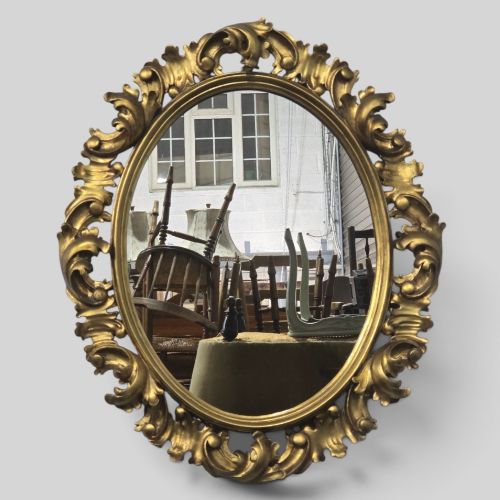
Rococo Revival pieces feature asymmetrical scrolls, shell motifs, C-curves, and naturalistic floral arrangements derived from eighteenth-century French design.
Victorian makers revived this exuberant style in the mid-nineteenth century, producing highly decorative giltwood and gesso wall mirrors.