


Antique Interior Figurative Painting
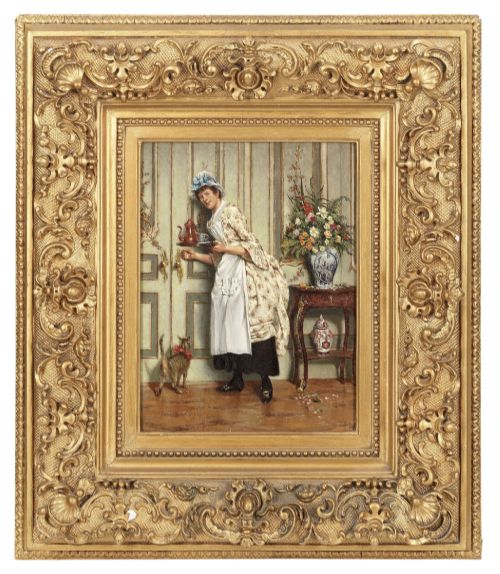
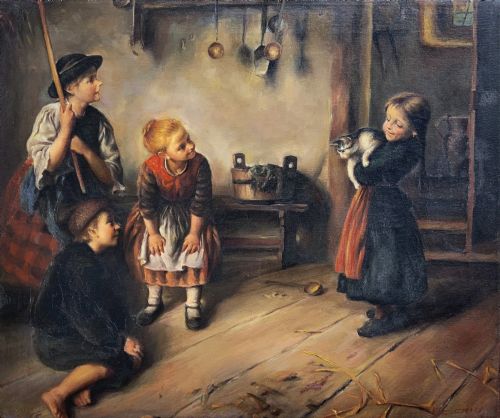
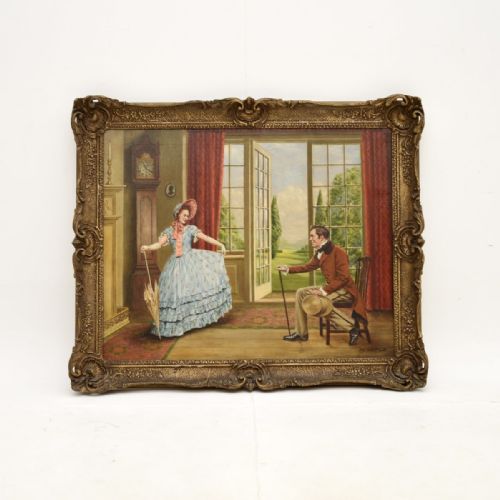
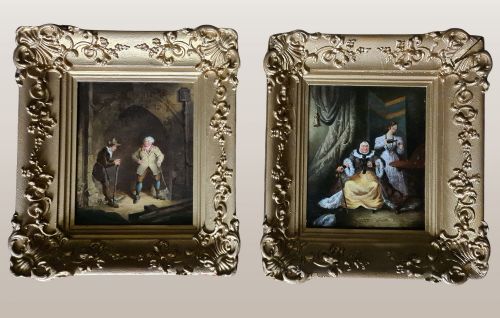
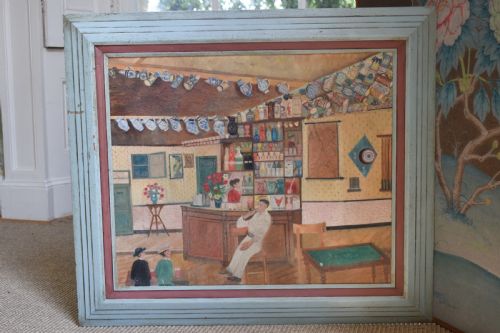
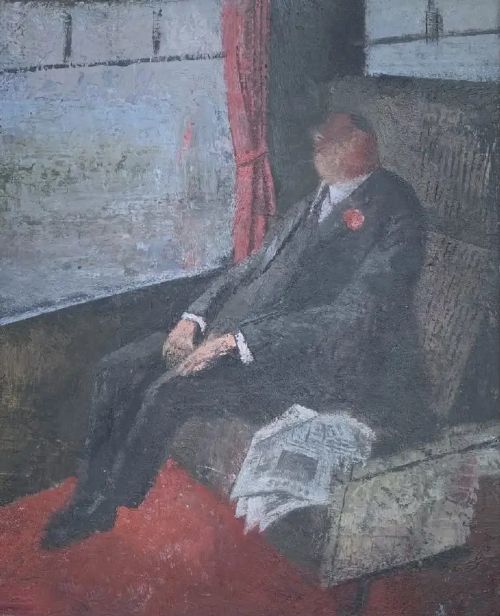
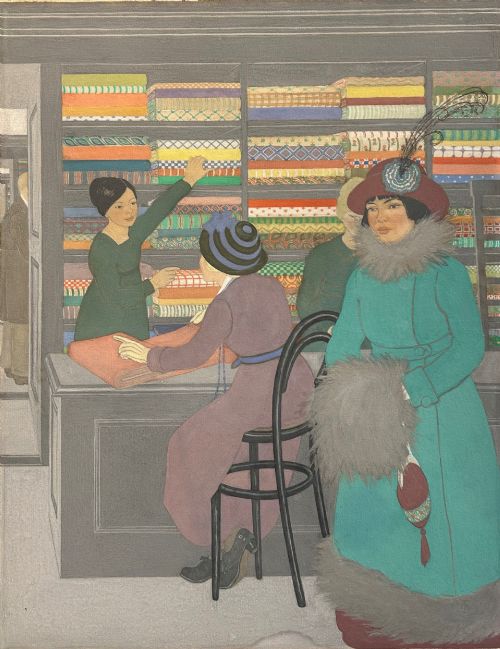
These antique interior figurative painting examples capture domestic scenes, tea hours and quiet moments within domestic spaces.
Antique Interior Figurative Painting
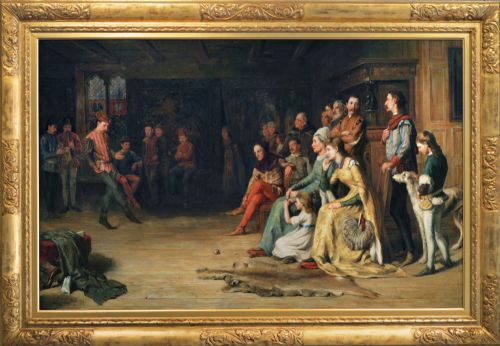
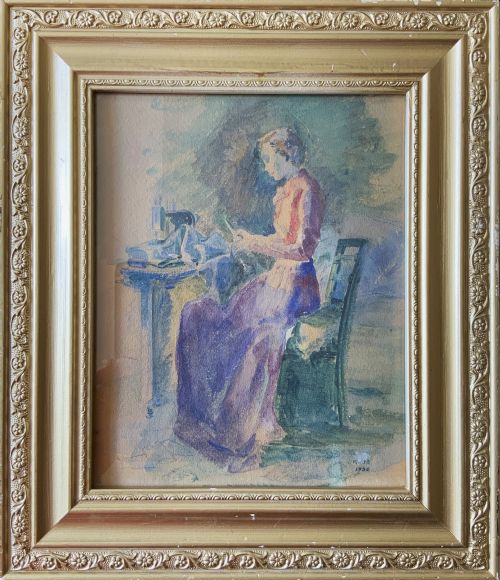
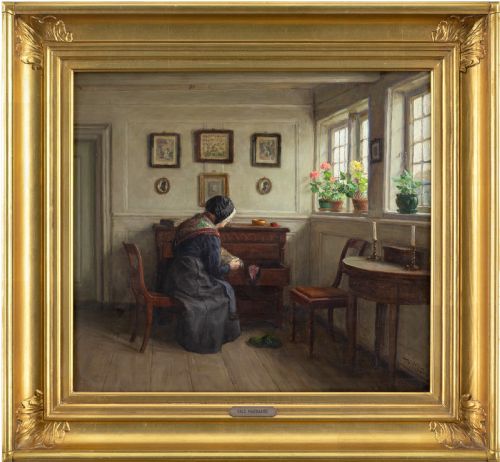
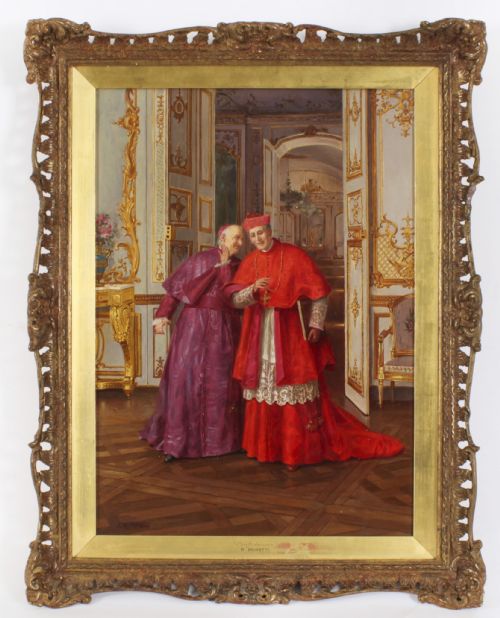
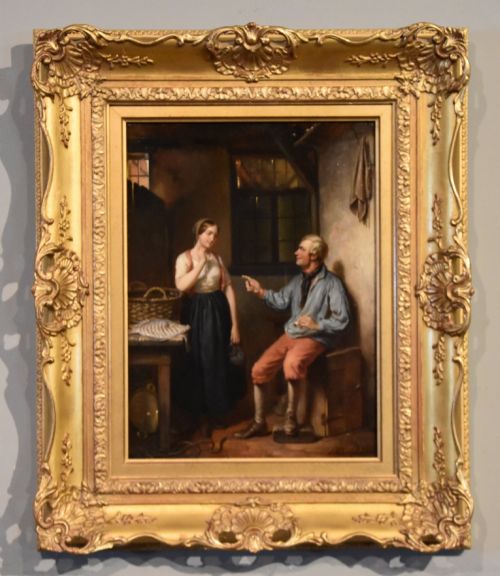
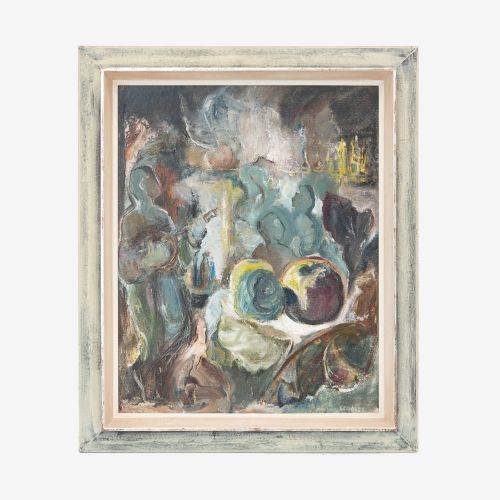
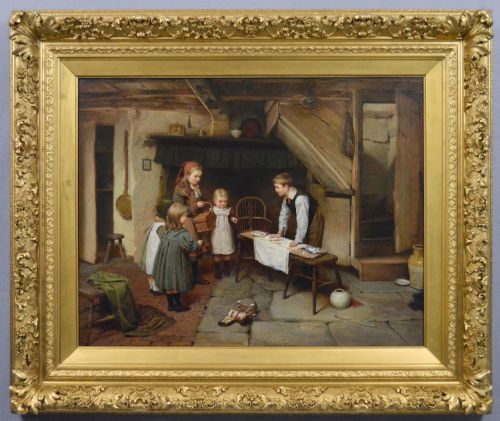
When you search for antique interior figurative painting, you encounter framed fine art focused on human figures inhabiting domestic rooms, country houses, cottages and stately salons. These works range from Victorian genre scenes of card games and tea times to French ballroom views and quiet pastoral cottage moments.
You are most likely to meet 19th-century and early 20th-century examples on this page, executed primarily as oil on canvas or watercolour on paper. The subjects span everyday family life, children playing, musicians, and historical courtly figures engaged in leisurely pursuits indoors.
Materials and methods
Artists painted predominantly with oil on canvas or oil on panel, building up rich figurative compositions with oil paint supported by wood frames, gesso, and giltwood. Watercolour paintings on paper also feature prominently among the domestic and architectural room scenes.
Canvases and panels receive layered pigments to render interior light, fabric textures, and distinct architectural details of the room. Surviving pieces frequently retain their period frames, which utilise moulded gesso and gilt finishes.
Listings span the nineteenth and twentieth centuries, employing oil on canvas, oil on panel, and watercolour on paper.
Distinctions in quality
The standard of a figurative interior painting rests on the fidelity of the brushwork, the psychological depth of the figures, and the handling of interior light and shadow. Works by exhibited artists or members of royal academies typically display greater anatomical precision and more complex spatial arrangements within the room.
Preservation of the original paint surface and the presence of a period-appropriate giltwood frame elevate a piece. Weaker examples exhibit stiff figures, muddy pigments, or heavy overpainting that obscures the original artist's hand.
Stephen Samuel Lewin·Alfred Lyndon Grace·James Hamilton·Valdemar Magaard·Renato Moretti·Jacob Akkersdijk·James Hayllar·Harry Brooker·Johann Hamza·Byam Shaw·Alexander Rosell·Charles Haigh Wood·Gabriel Puig Roda·Haynes King·James Kyd·Robert Eadie·Edwin Thomas Roberts·Robert Alexander Hillingford·George Smith·Hans Temple·Roland Batchelor·Leonardo Morello·Herbert Butler·Ernst Stierhof·Carlo Ferranti
The Antique Interior Figurative Painting Glossary
- Genre painting
- Depiction of aspects of everyday life by portraying ordinary people contemporary to the artist in domestic scenes or everyday settings. These works focus on narrative moments such as tea time, card games, or spinning wool.
- Giltwood
- Wood carved and coated with gold leaf or a gold-coloured finish, commonly utilised for period picture frames. It provides a reflective border that complements the deep tones of oil paintings.
- Gesso
- A paint mixture consisting of a neutral binder mixed with chalk, gypsum, or pigment, applied to wood panels or canvas surfaces as a base before painting. It also forms the moulded ornamental details on antique frames.
- Oil on panel
- A painting technique where pigments bound in oil are applied directly to a prepared wooden board rather than fabric canvas. This substrate offers a rigid surface that preserves fine brushwork.
- Intimist
- An artistic style focusing on intimate, quiet domestic interior scenes without grand narrative pretension. These works capture private moments of daily life within the home.
Antique Interior Figurative Painting: Frequently Asked Questions
What is a figurative interior painting?
It is a work of fine art that places human figures within an enclosed architectural setting, such as a cottage, rectory, or stately drawing room. The focus remains on the daily activities, social interactions, or quiet solitude of the occupants.
These compositions often tell a subtle narrative through gesture, dress, and domestic objects like teacups, spinning wheels, or playing cards.
How do I date these paintings?
Dating relies on stylistic clues within the clothing, furniture, and interior decoration depicted in the scene, alongside the artist's known working dates. Period framing and canvas stamps also offer reliable chronological markers.
Victorian and Edwardian works often feature heavy drapery and ornate furnishings, whereas later modernist examples embrace sparser room layouts.
Where should I hang an oil painting?
Display these works away from direct sunlight and fluctuating heat sources to protect the canvas, wood panel, and gesso frame. Stable indoor humidity prevents the paint surface from cracking.
Position the piece at eye level in a principal room where the lighting enhances the depth of the interior scene.
Are watercolours as durable as oils?
Watercolours on paper require careful framing behind glass with acid-free mounts to prevent fading from light exposure. They offer a lighter, more delicate palette compared to the rich, heavy layers typical of oil on canvas.
Both mediums survive centuries when protected from moisture and direct sunlight.