

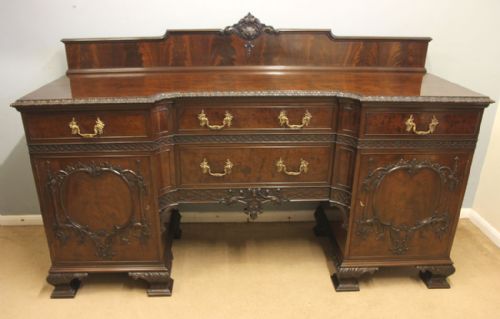


Large Mahogany Buffet
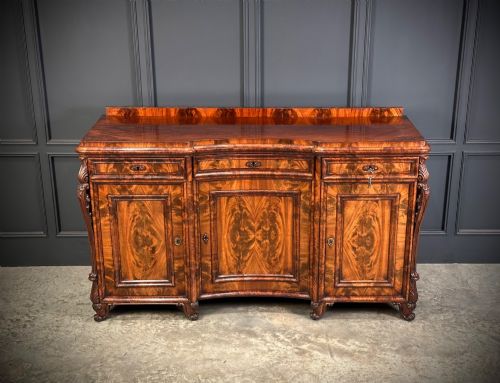
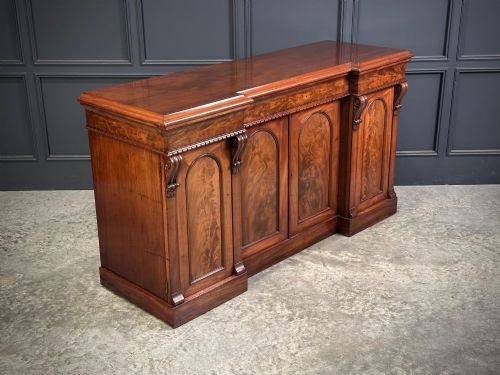
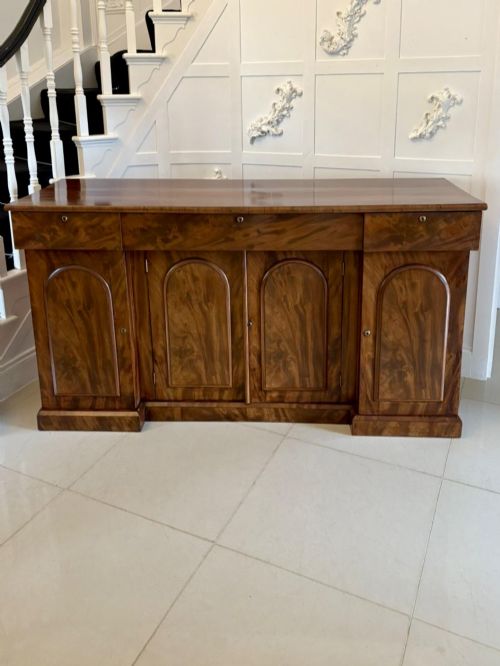
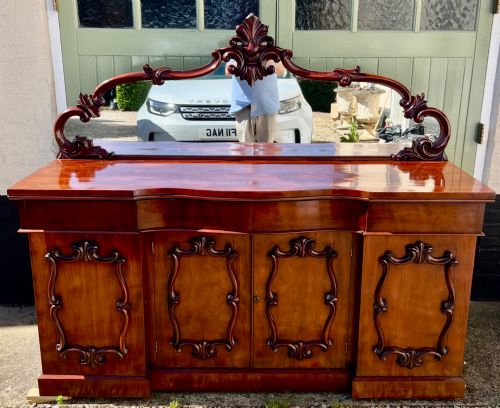
A large mahogany buffet anchors a grand dining room with substantial proportions, deep timber tones and ample storage for silver and linen.
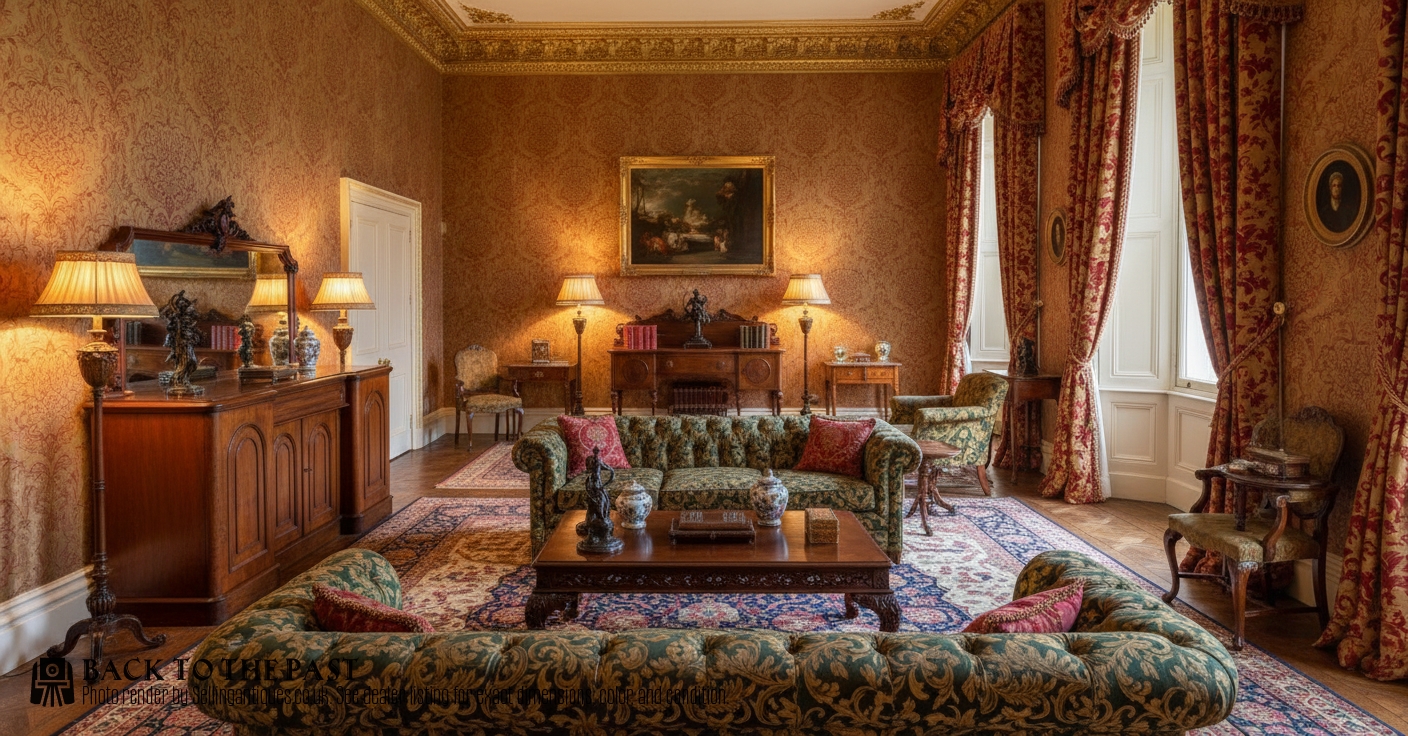
Large Mahogany Buffet
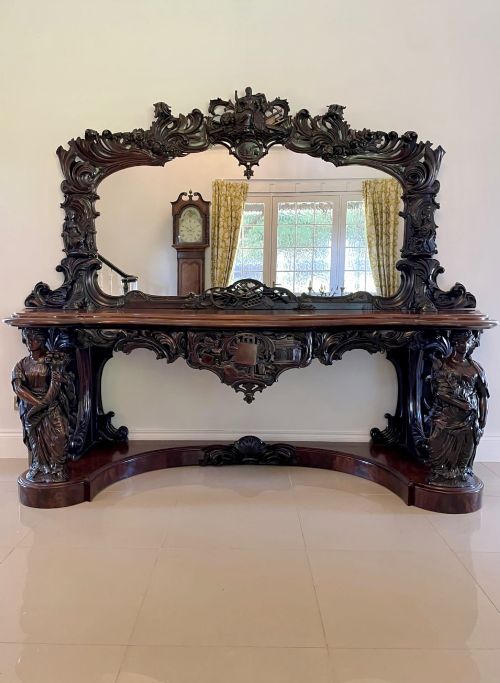
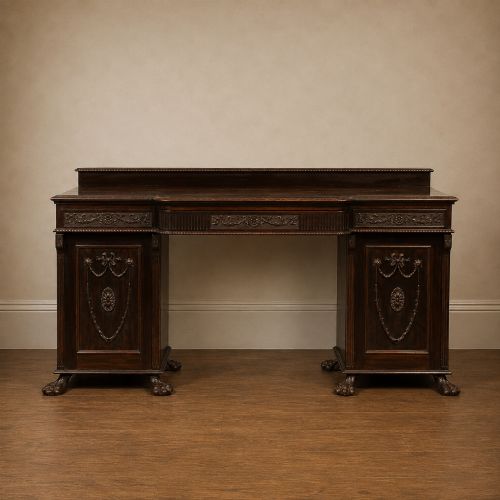
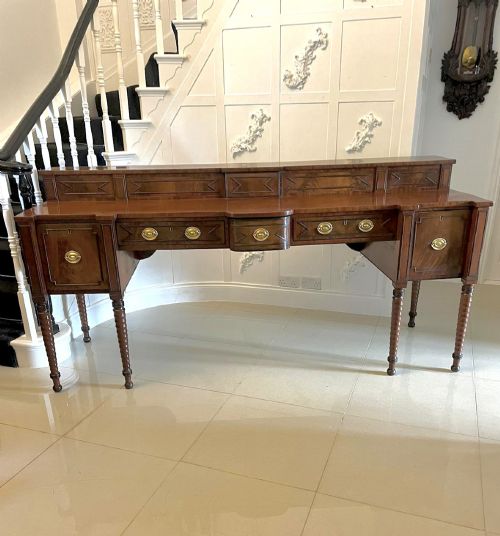
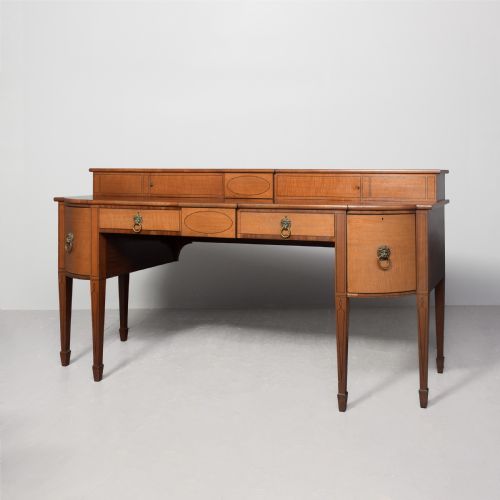
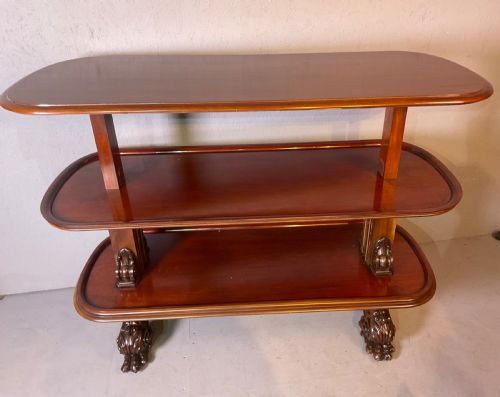
When you search for a large mahogany buffet, you encounter substantial dining room furniture designed for serving food and storing tableware. These pieces typically take the form of sideboards, pedestal servers, console tables, and tiered shelving units originating from the eighteenth, nineteenth, and early twentieth centuries.
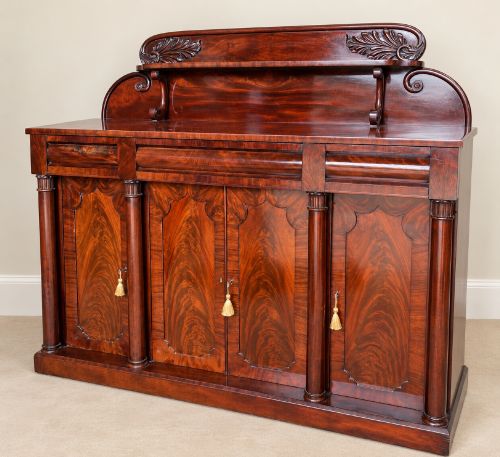
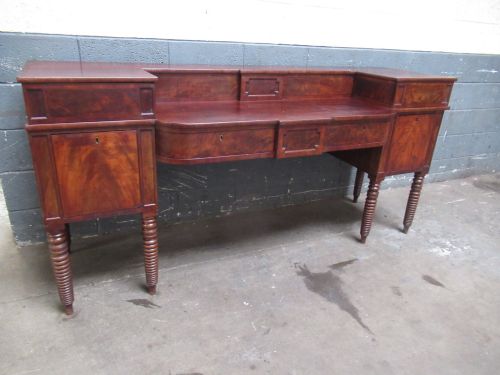
The nineteenth century and the Victorian era provide the majority of these listings, alongside Georgian and Regency periods. You find breakfront shapes, four-door configurations, and stage-back or mirror-backed designs that reflect formal dining customs of past eras.
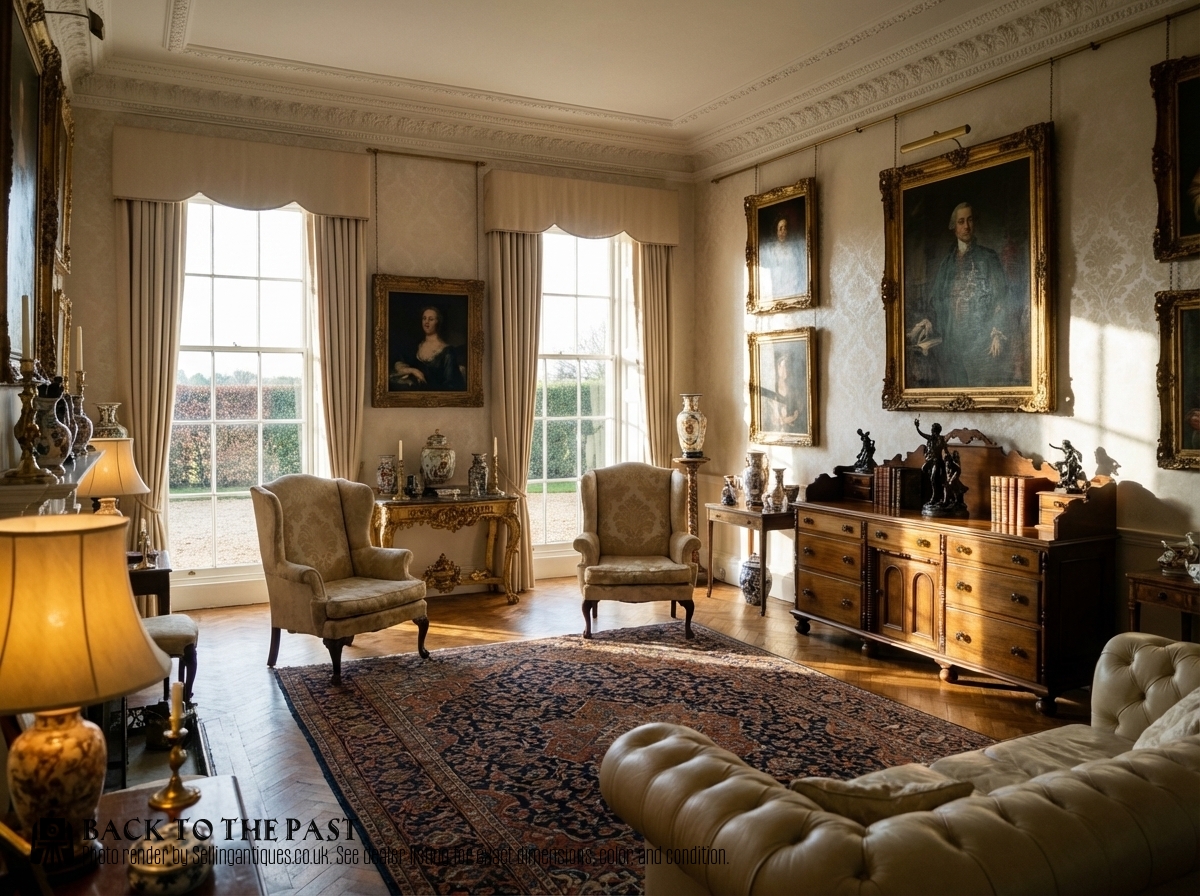
How they were made
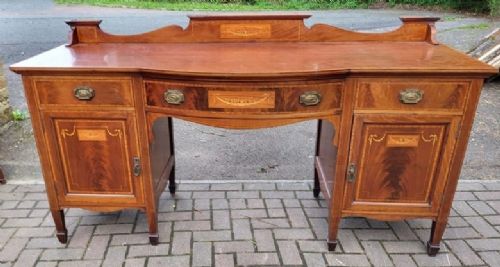
Cabinetmakers utilised solid mahogany and flame mahogany veneer applied over secondary timbers, often selecting figured boards to create striking grain patterns on drawer fronts and cabinet doors. Workshops enhanced these surfaces with satinwood inlay, boxwood stringing, and brass hardware such as handles and gallery rails.
Construction techniques included dovetailed drawer construction and framed panels to handle the weight of large sideboards and pedestal servers. Carved details such as paw feet, mirror backs, and shaped fronts required specialised joinery and turning skills.
Lord Leverhulme once owned one of these grand serving tables, proving that even industrial barons needed a proper surface for cold joints of beef.
What varies in quality
Quality rests upon the selection of timber, particularly the choice of figured flame mahogany veneer and the precision of satinwood inlay or boxwood stringing. Superior examples display carefully matched grain patterns across multiple doors and drawers.
The architectural ambition of the piece dictates its standing, distinguishing simpler utility sideboards from exhibition pieces featuring carved mirror backs, breakfront profiles, and substantial pedestals.
Robson & Sons
The Large Mahogany Buffet Glossary
- Flame mahogany
- A veneer cut from timber where the grain creates a flamy, rolling pattern. This decorative surface appears frequently on the doors and drawers of better sideboards.
- Breakfront
- A cabinet design where the central section projects forward from the flanking outer cupboards. This configuration adds architectural depth to large dining furniture.
- Pedestal sideboard
- A form featuring two distinct pedestals or cupboards flanking a central serving well or drawer section. These substantial pieces dominate large dining rooms.
- Stage-back
- A raised tier or superstructure at the rear surface of a sideboard used for displaying silver or serving dishes. Scottish examples often utilise this arrangement.
- Satinwood inlay
- Contrasting blonde wood inserted into dark mahogany surfaces to create geometric or floral borders. It highlights the craftsmanship of Georgian and Regency makers.
Large Mahogany Buffet: Frequently Asked Questions
How do I date a large mahogany sideboard?
Examine the overall architectural style, secondary timbers, and hardware. Georgian and Regency pieces often show clean classical lines with satinwood inlay, while Victorian examples lean towards heavier proportions, carved details, and mirror backs.
Construction methods also help determine age. Hand-cut dovetails and traditional timber fixings indicate older manufacture, whereas later nineteenth-century pieces may incorporate more uniform machine-sawn components.
What is the difference between a buffet and a sideboard?
In historical terms, sideboards and buffets both serve dining rooms for food preparation and storage. Buffets often include tiered shelves or open serving surfaces, whereas traditional sideboards emphasise enclosed cupboards and cutlery drawers.
However, historical definitions overlap considerably in the antiques market. Sellers frequently use the terms interchangeably for large serving furniture from the Georgian and Victorian periods.
How do I care for mahogany veneer?
Keep mahogany furniture away from direct sunlight and heat sources to prevent the timber and underlying veneer from drying out or splitting. Maintain a stable indoor climate to protect the polished finish.
Dust regularly with a soft, dry cloth and apply a quality beeswax periodically to nourish the wood. Avoid silicone-based polishes that can degrade antique polishes over time.
Where were these pieces used?
Large mahogany buffets and sideboards belonged primarily in the dining rooms of substantial country houses, townhouses, and formal residences. Servants used the surfaces to stage courses and hold silver before service.
Today, these versatile case pieces suit large modern dining rooms, open-plan living spaces, or wide hallways where their storage capacity and presence function effectively.