

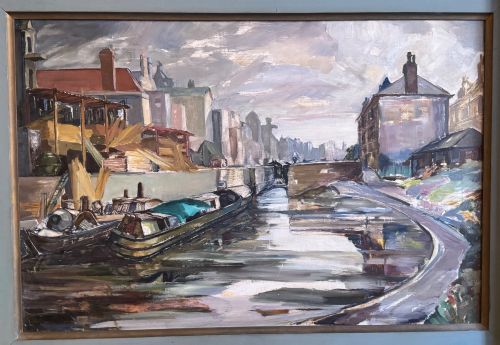
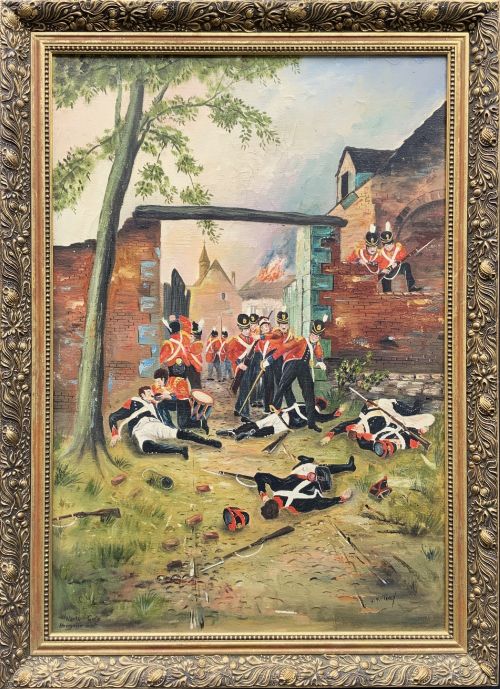
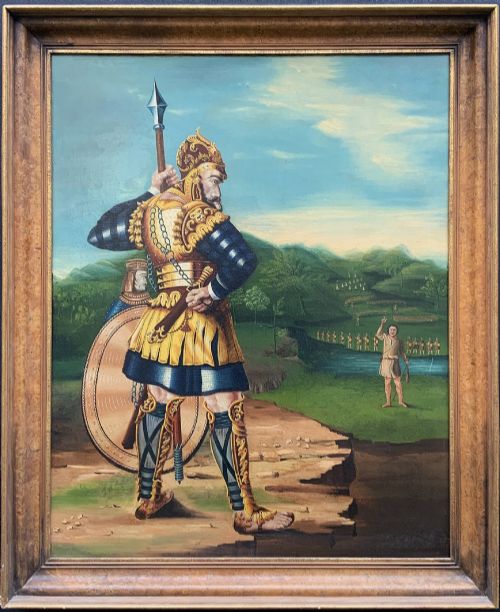
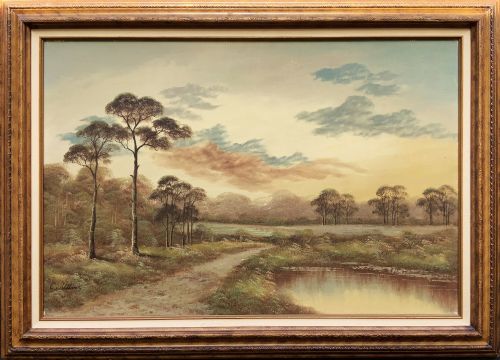
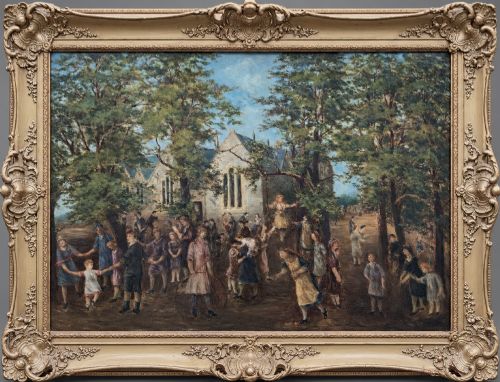
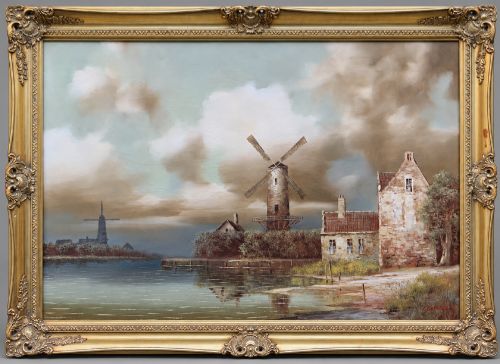
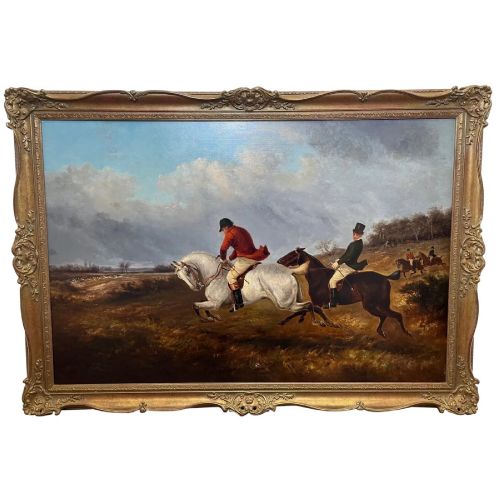
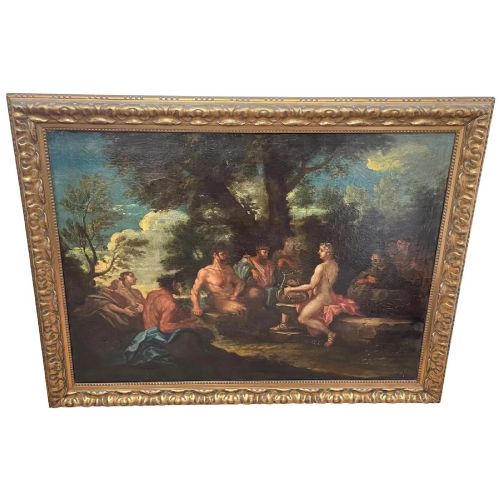
Large Landscape Oil Painting
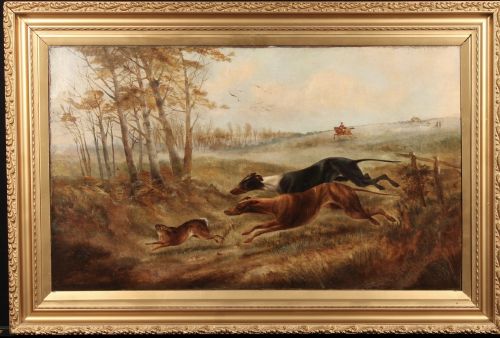
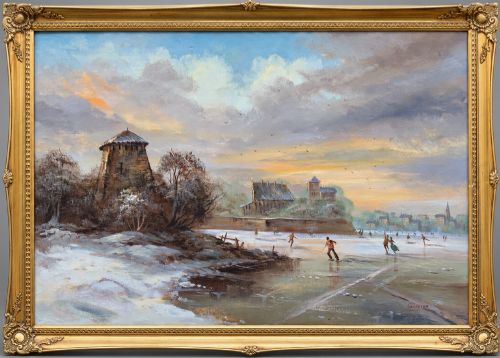
A large landscape oil painting commands a room, bringing vast highland views, quiet riversides and golden country estates directly onto the wall.
Large Landscape Oil Painting
A large landscape oil painting brings expansive vistas, rural scenes and pastoral views into domestic interiors through the medium of canvas and oil paint. These works span centuries of artistic production, capturing everything from misty river valleys to dramatic mountain ranges.
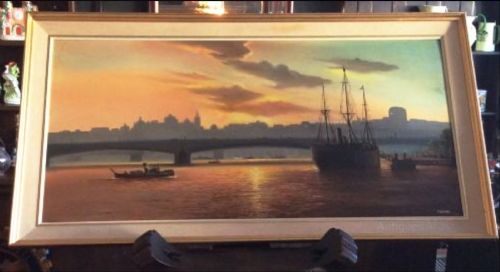
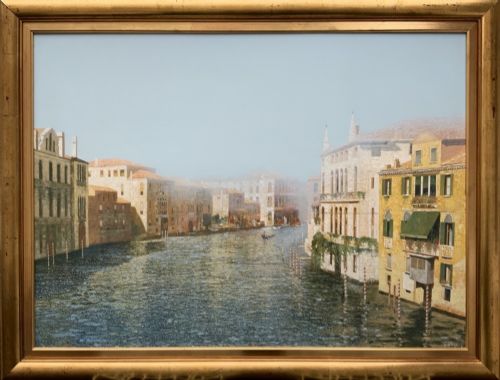
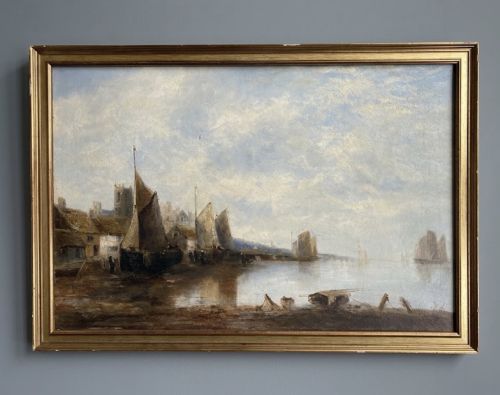
The selections available here range from formal 19th-century British and European canvases to mid-century modern interpretations. Buyers encounter tranquil pastoral depictions, coastal panoramas and sweeping agricultural vistas framed in period giltwood.
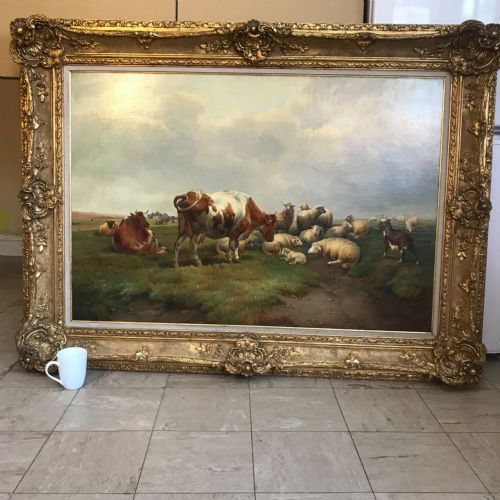
Traditional compositions often feature grazing cattle, shepherd scenes or rustic cottages set against distant hills. Mid-century examples introduce bolder brushwork, textured impasto and simplified forms while maintaining the overarching scale of a landscape.
How They Were Made
Painters applied oil paint onto stretched canvas, wooden panel or board, building depth through successive layers of pigment and medium. Artists manipulated oils to achieve subtle tonal gradations in skies and water, or laid down heavy impasto for textured foliage and earth.
Many works retain their original surrounds of carved gesso and gilt wood, which were often built with deep profiles and decorative corner ornamentation to suit the scale of the canvas.
Large Landscape Oil Painting Retail Price Guide 2026
Typical asking prices for large landscape oil painting among the pieces listed under this phrase on Sellingantiques today, from the lower quarter to the upper quarter. They describe what is for sale here now, not the wider market.
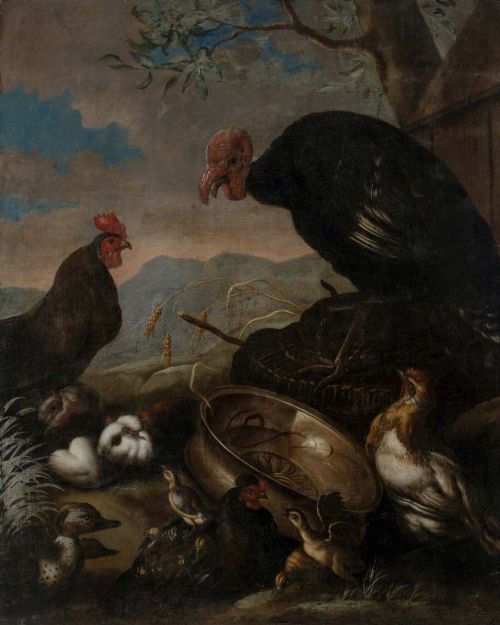
Several canvases invite viewers to spot tiny hidden fowl, sheep and distant sportsmen tucked into vast forests and castle ruins.
What Varies in Quality
The distinction between standard works and exceptional examples lies in the confidence of the brushwork and the management of atmospheric perspective. Master practitioners render light, distance and weather with precise anatomical and spatial command.
Surface preservation significantly influences the standing of a piece, including the stability of the paint layer and the retention of original framing elements. Works that maintain their early stretcher frames and untouched surfaces command greater art historical interest.
Richard Sebastian Bond·Angelo Maria Crivelli·Thomas Smythe·Rene Levrel·Erich Mercker·Robert Cleminson·Alexandre Le Bihan·William Henry Mander·Thomas Sidney Cooper·Gabriel Dauchot·Thomas Bromley Blacklock·Herbert Royle·William Sydney Cooper·George Armfield·Charles Vickers·William Mellor·George Morland·Hendricus Joseph Dillens·Pieter Bout·Adriaen Frans Boudewyns
The Large Landscape Oil Painting Glossary
- Impasto
- Paint applied thickly to a canvas, standing in relief and retaining the marks of the brush or palette knife. This technique adds tactile dimension to foliage, water and highlights.
- Gesso
- A plaster-like mixture applied to wooden frames or panels as a base for gilding and ornamentation. It provides a smooth surface for laying gold leaf.
- Giltwood
- Wood carved and coated with gold leaf or metallic paint, commonly found on decorative Victorian and 18th-century frames. It enhances the visual weight of large canvases.
- Provenance
- The documented history of ownership of a work of art, tracing its path from the artist's studio to the present market. This paper trail establishes authenticity.
- School
- A classification grouping artists who worked in a similar geographical region, style or period under a shared influence. Examples include the British School or Continental School.
Large Landscape Oil Painting: Frequently Asked Questions
How do I hang a heavy landscape painting?
Large canvases set in solid wood and gesso frames carry substantial weight and require secure fixing directly into wall studs or masonry using heavy-duty picture hooks.
Ensure the hanging wire or D-rings affixed to the original frame are robust enough to support the vertical load before mounting.
What subjects are common in these landscapes?
Common subjects include pastoral river valleys, highland cattle scenes, coastal estuaries and woodland views populated by figures, livestock or rustic architecture.
These motifs reflect evolving aesthetic tastes across the centuries, shifting from romanticized classical views toward localized realism and impressionist studies of light.
How do I identify the period of the frame?
Period frames exhibit specific construction traits, such as hand-carved wooden corners, layered composition gesso ornamentations, and aged patination on the gilt surfaces.
Original frames were designed to complement the palette and scale of the specific oil painting they enclose.
How should I care for an oil painting on canvas?
Protect the canvas from direct sunlight and maintain stable indoor humidity levels to prevent the oil paint and wood stretcher from expanding or cracking.
Dust the surface very gently with a dry, soft brush and avoid using chemical cleaners or liquids on the paint film.