



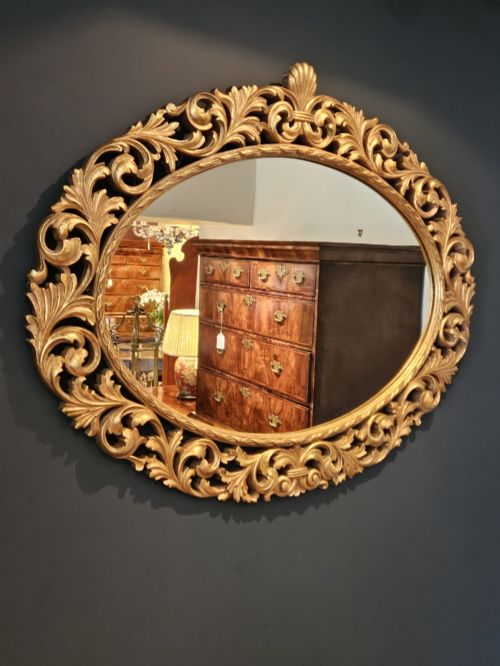
Large Gold Frame
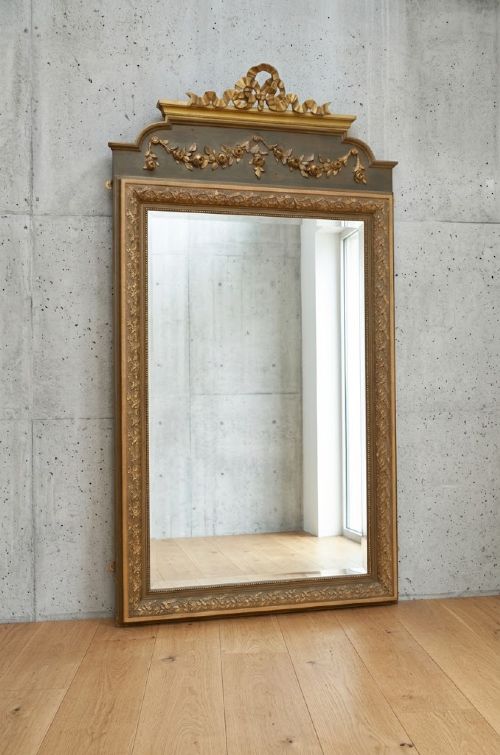
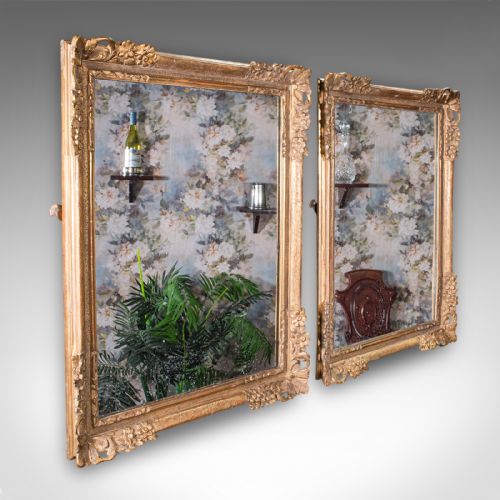
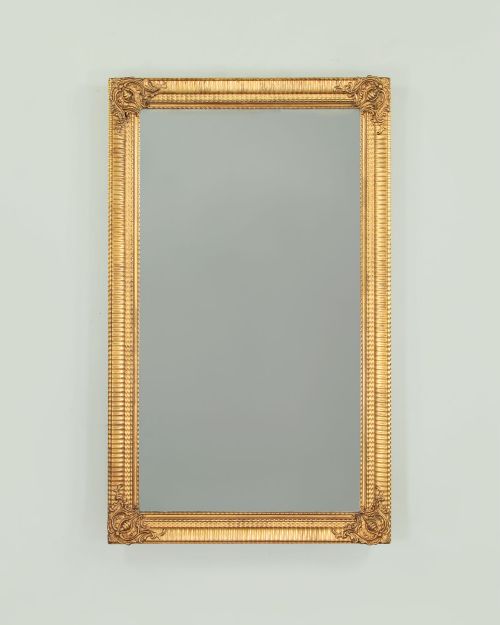
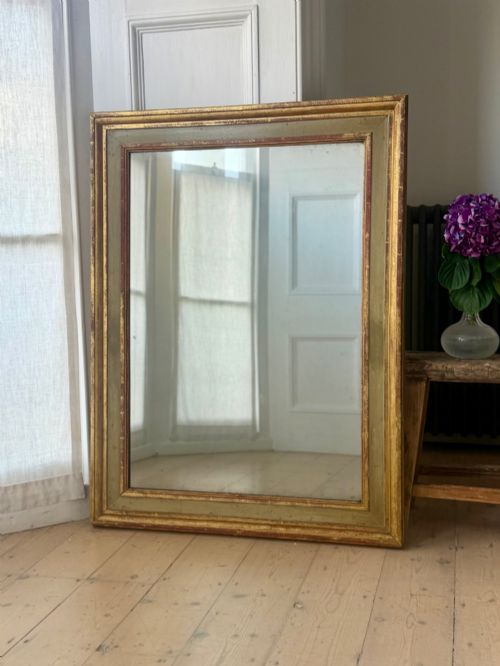
A large gold frame brings scale and warmth to a room, housing stately mirrors and oil paintings across historic periods.
Large Gold Frame
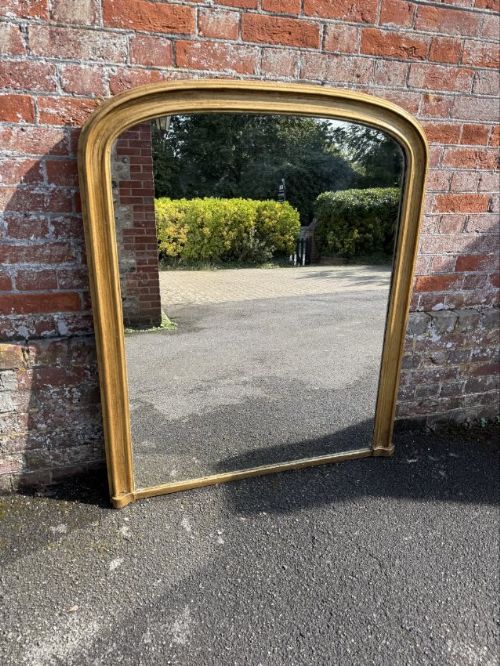
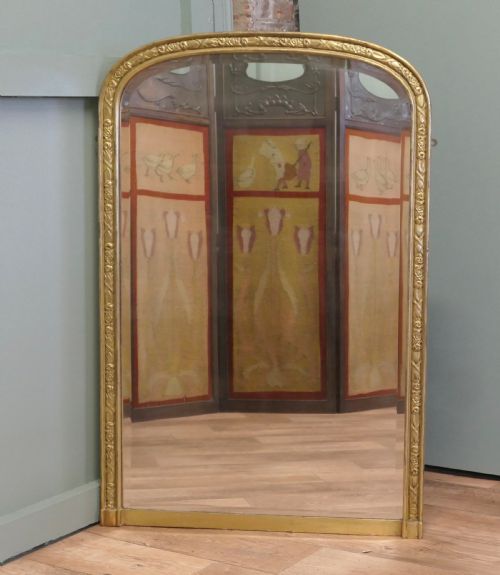
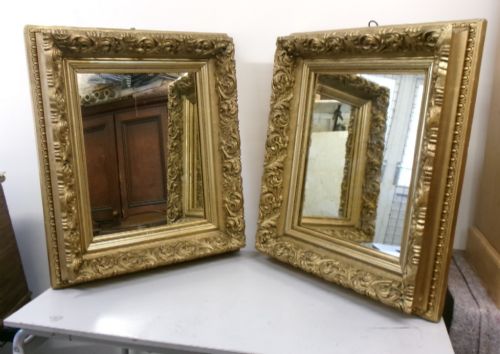
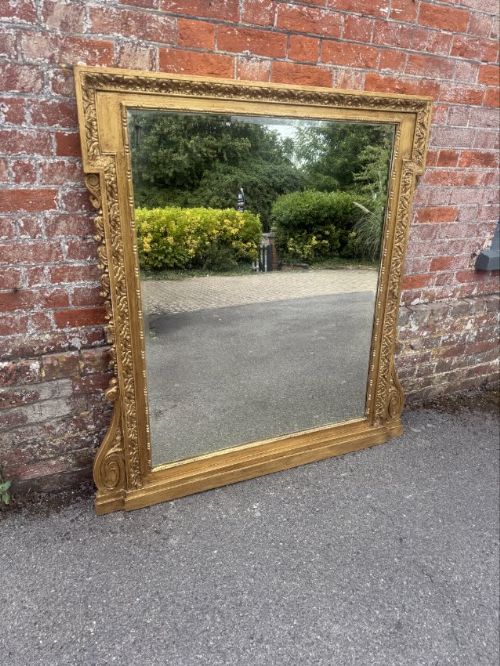
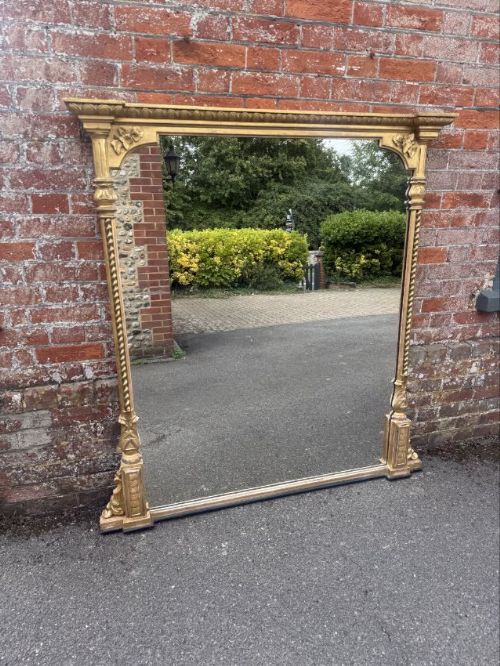
A buyer seeking a large gold frame encounters substantial architectural mirrors and significant oil paintings created across the eighteenth, nineteenth, and early twentieth centuries. These pieces reflect diverse aesthetics including Regency, Victorian, and Louis Philippe styles, often designed to dominate a mantelpiece or anchor a principal wall.
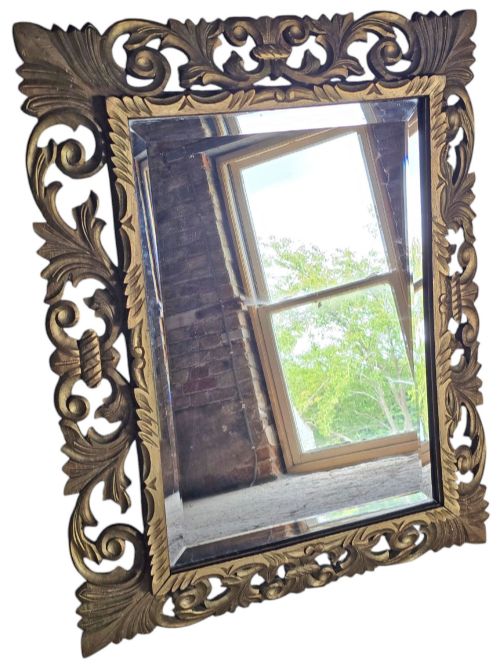
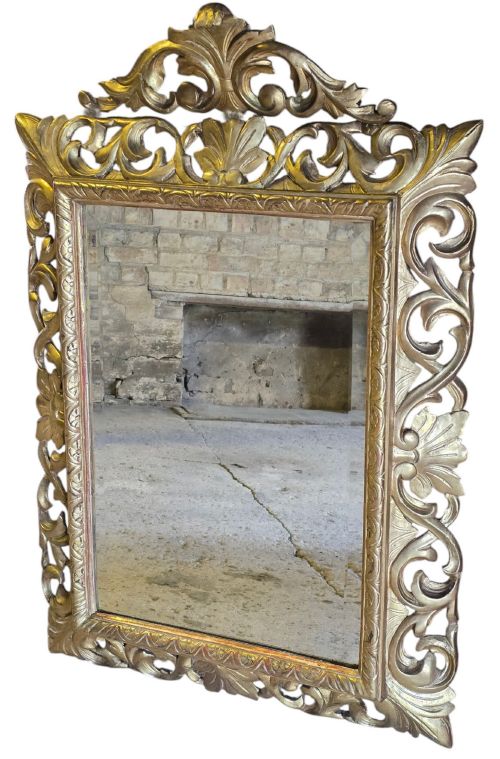
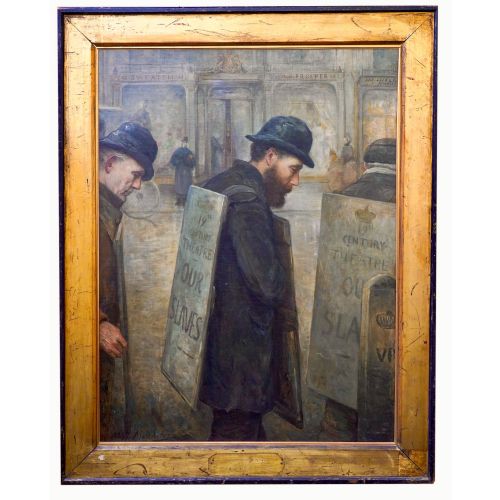
The overmantel mirror represents the most common form meeting this search phrase, frequently structured with carved wood and gesso. Alongside mirrors, substantial oil portraits, mythological scenes, and floral still lifes appear within heavy gilded surrounds.
Origins span English workshops, French ateliers, and Italian studios, demonstrating how heavily gilded borders were utilised to project status and catch ambient light in period interiors.
Materials and construction methods
Makers built the primary structure using timber such as pine or hardwood, applying layers of gesso to create smooth surfaces for intricate moulding and carving. Artisans then laid gold leaf or applied liquid gilt over the prepared ground to achieve the characteristic metallic sheen.
Mirrors frequently incorporated heavy glass plates, sometimes retaining original mercury backing that produces distinctive foxed ageing. Oil paintings utilised canvas stretched over wooden frames, secured within deep wooden mouldings finished in gilt or ebonised contrast.
Materials recorded across the inventory include giltwood, gesso, oil on canvas, and mercury glass.
Distinctions in quality and execution
Depth and crispness of hand-carved ornament distinguish superior examples from simpler moulded pieces, where repetitive machine-pressed composition ornament lacks individual nuance. The weight of the timber and the integrity of the joinery at the corners reveal the original maker's skill.
The application of genuine gold leaf ages with a soft, warm patina that differs visibly from the harsher uniform shine of modern metallic paint. Original mirror glass with genuine foxing also elevates the character of a piece compared to later mirror plate replacements.
Charles Nosotti
The Large Gold Frame Glossary
- Gesso
- A plaster-like mixture applied to wooden frames as a base for gilding or painting. It allowed craftsmen to carve intricate relief details before applying gold leaf.
- Giltwood
- Timber that has been coated with gold leaf or gilt. This material forms the primary structure of the most decorative historic frames.
- Overmantel mirror
- A large horizontal mirror designed specifically to hang above a fireplace mantel. These pieces frequently feature arched or shaped tops.
- Mercury glass
- A type of mirrored glass produced by coating the rear surface with a mixture of tin and mercury. It creates a characteristic mottled reflection known as foxing.
- Rococo
- An ornate design style characterised by asymmetrical scrollwork and natural motifs. Frames in this style exhibit exuberant, flowing carved decoration.
- Reeded
- A decorative moulding pattern consisting of parallel convex strips resembling bundled reeds. This linear detail provides textural contrast on classical frames.
Large Gold Frame: Frequently Asked Questions
How do I hang a heavy overmantel mirror safely?
Substantial mirrors require direct anchoring into wall studs using heavy-duty steel brackets or mirror plates rated for the specific weight of wood and glass.
Professional installation ensures the frame sits securely against the wall without placing undue stress on the hanging hardware.
Can I replace the glass in an antique frame?
Original mirror glass with foxing is generally preserved to maintain historical integrity and character. Replacing the plate is typically reserved for instances of severe structural damage.
Historic paintings and mirrors retain more value when their primary components remain undisturbed.
How do I clean a gilded gold frame?
Dusting gently with a soft, dry brush prevents accumulation without disturbing fragile gesso or leaf. Moisture and chemical cleaners must be avoided entirely.
Water can dissolve the traditional preparation layers beneath the gold surface.
How do I identify the period of a frame?
Construction techniques, backing boards, and fastening nails offer clear indicators of age. Stylistic markers such as Regency reeding or Victorian rococo ornamentation align pieces with specific nineteenth-century decades.
Comparing the timber type and gesso application helps separate eighteenth-century work from later revivals.