
Large Glazed Display Cupboard
A large glazed display cupboard houses books or collections behind glass, bringing architectural presence and practical storage to a room.
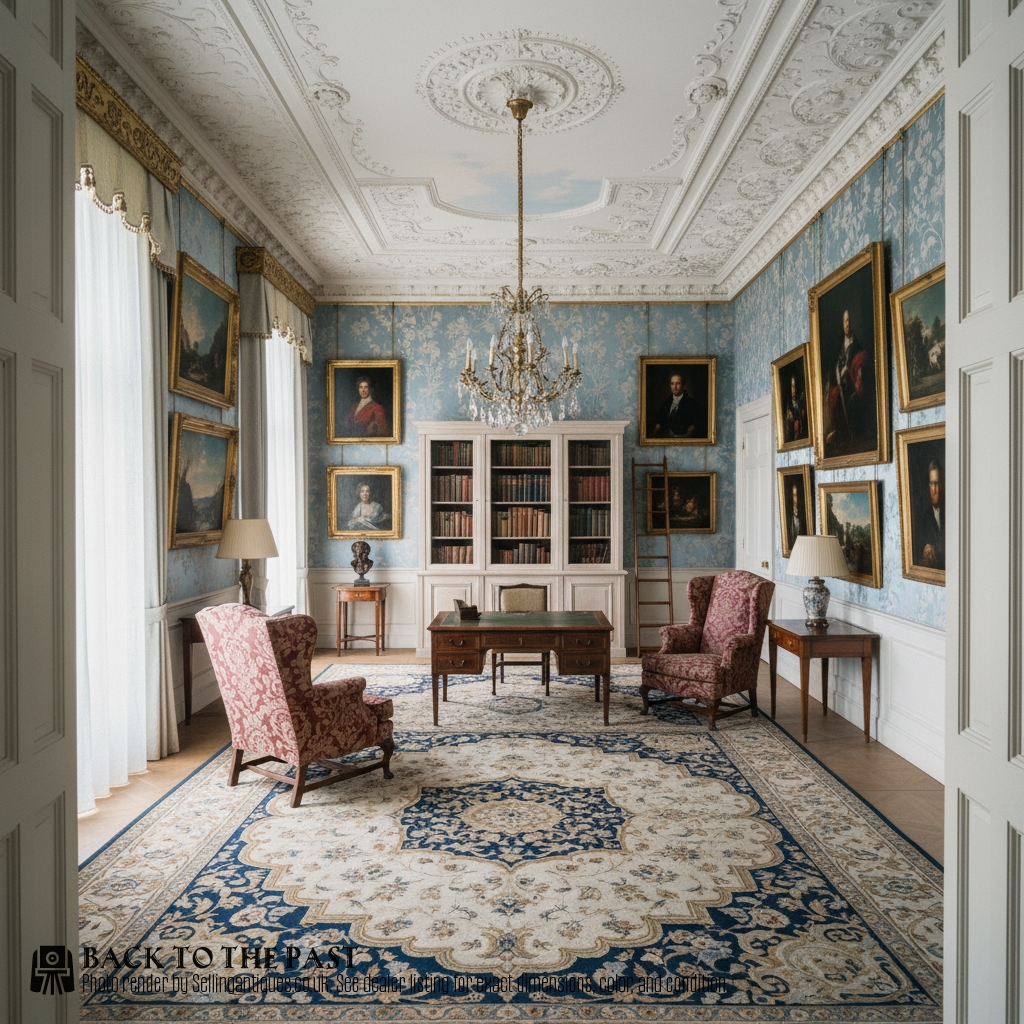
Large Glazed Display Cupboard
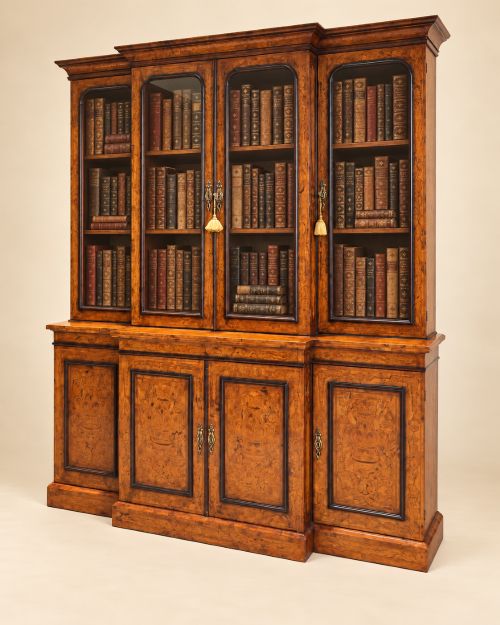
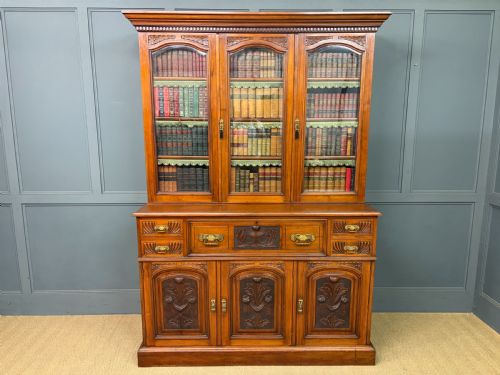
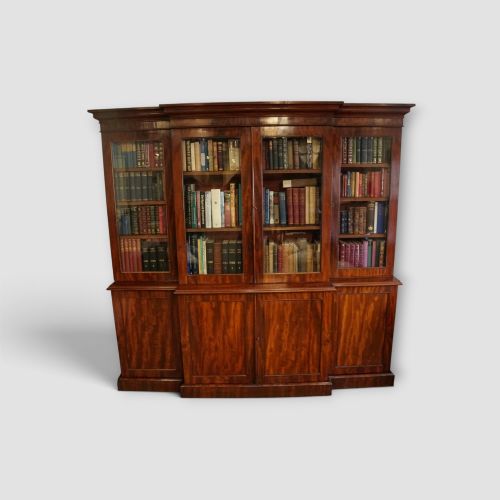
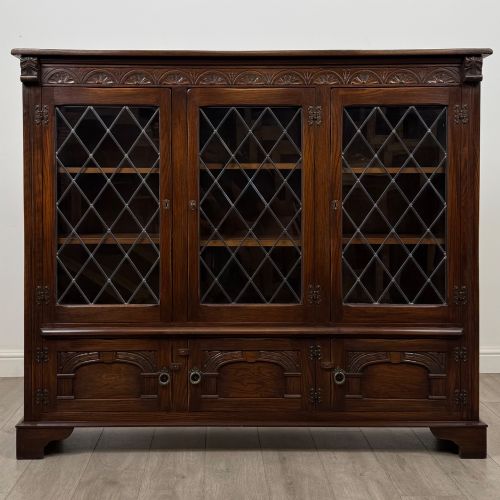
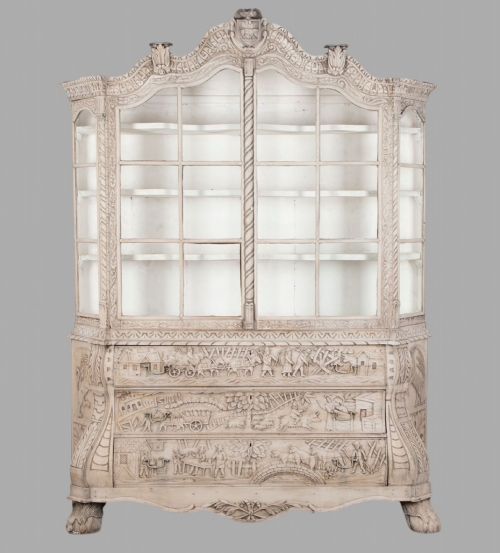
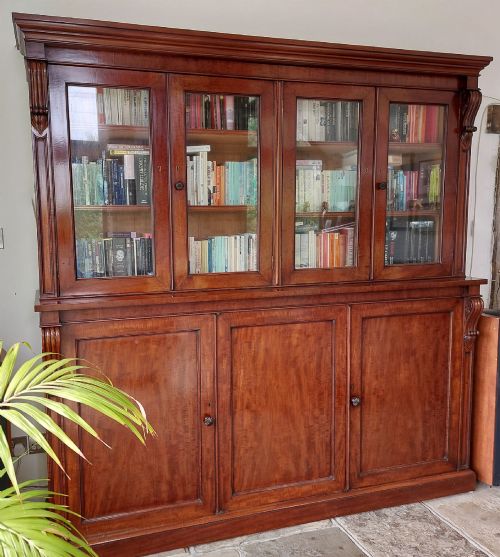
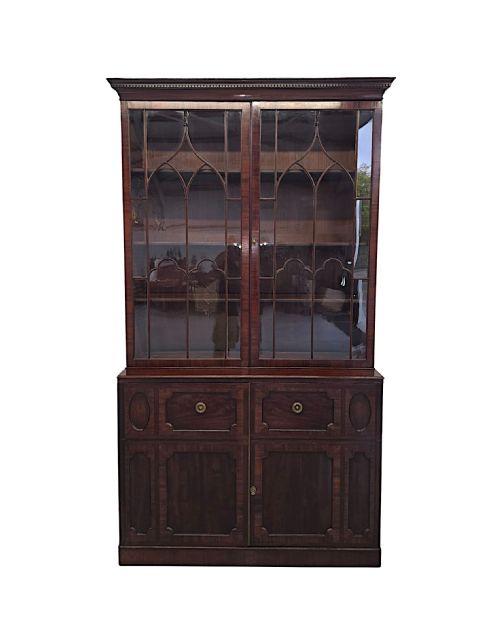
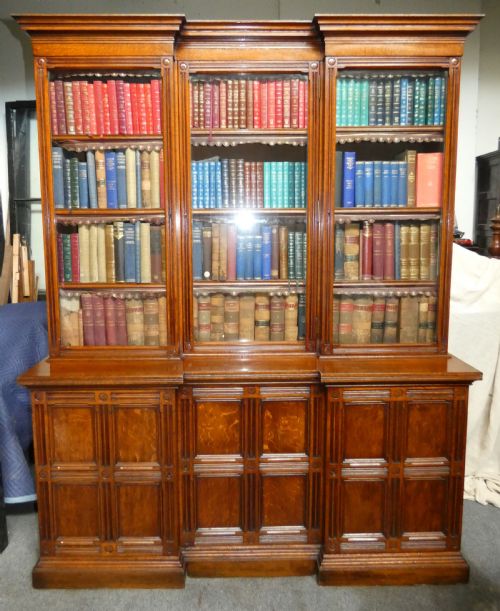
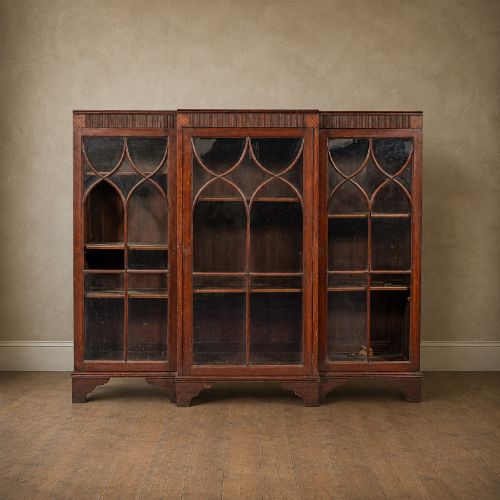
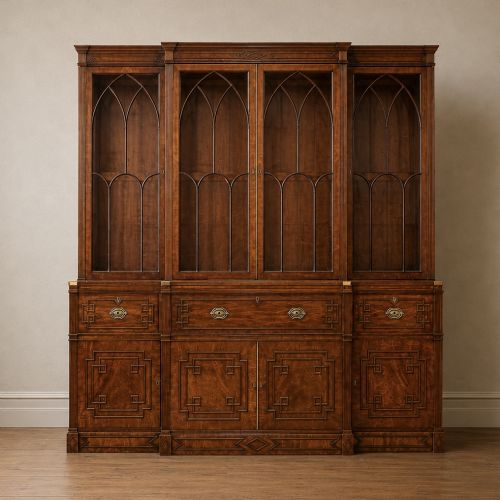
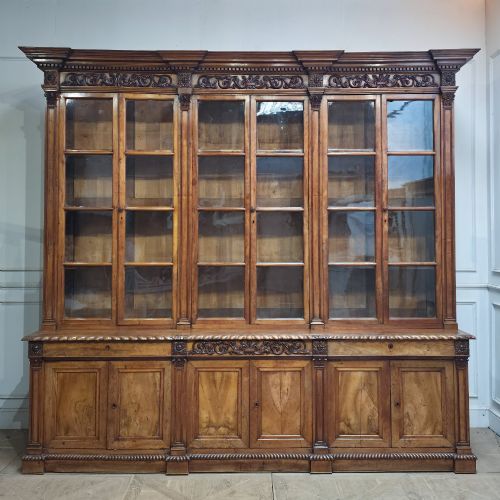
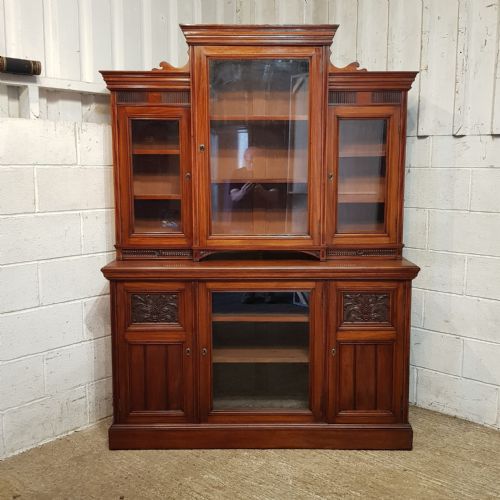
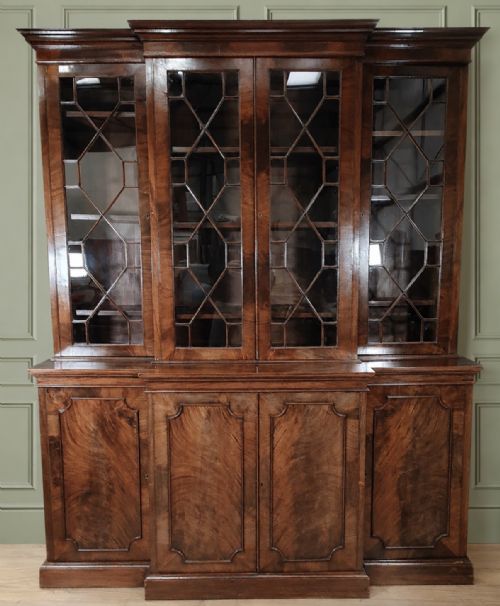
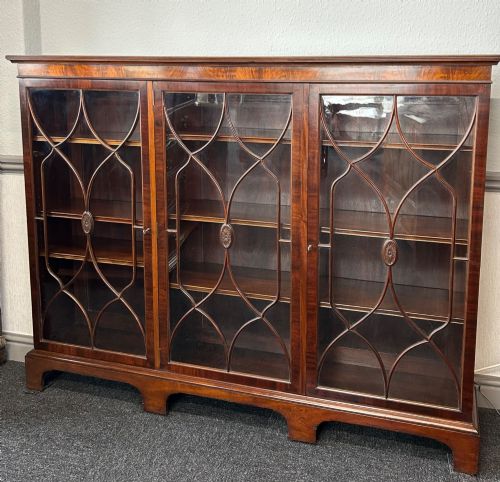
A large glazed display cupboard typically takes the form of a tall bookcase, library cabinet, or breakfront bookcase designed to hold books and decorative objects. These storage pieces appear across periods such as the Georgian, Victorian, and Regency eras, reflecting shifting domestic fashions for organised display. The version most commonly encountered on this page is the substantial mahogany or oak breakfront bookcase, often featuring glazed upper doors above a lower cupboard base.
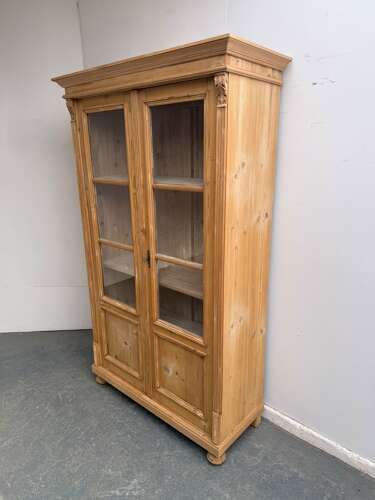
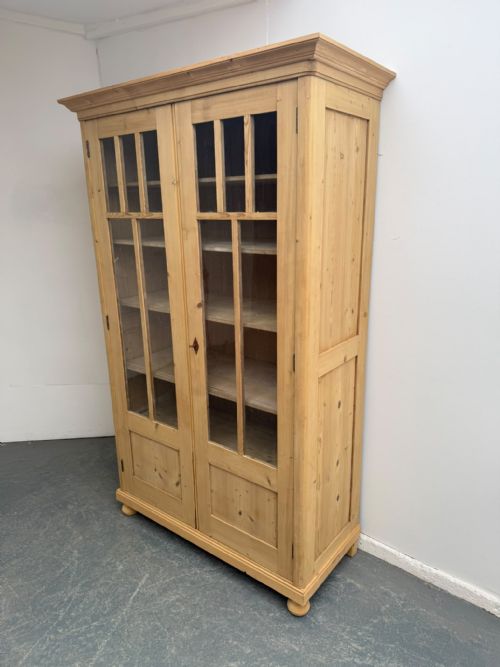
Cabinet makers also produced kitchen dressers, corner bookcase cabinets, and display cabinets in walnut, pine, and satinwood to suit varying interior scales. Stylistic influences range from George III and Gothic revival to Chinese Chippendale and Jacobean revival, showing how cabinet makers adapted classical forms for nineteenth and twentieth-century homes. Buyers find both freestanding display pieces and monumental library furniture designed for serious book collections and porcelain displays.

How they were made
Cabinet makers constructed the primary carcasses of these large glazed display cupboards using dense hardwoods like mahogany, oak, and walnut, frequently selecting figured veneers to create patterned drawer fronts and door panels. Pine served as a common secondary timber for internal shelving and drawer linings, while specialist items incorporated exotic materials such as satinwood for inlay and brass for hardware fittings. Glass panels were hand-cut and fitted into wooden glazing bars to form multi-pane doors that protected volumes from dust while maintaining visibility.
Joinery techniques relied on traditional dovetail joints for drawer construction and mortise and tenon frames for structural stability, supporting the heavy weight of glass doors and loaded shelves. Carved details, floral marquetry, and architectural cornices required skilled hand-carving and inlay work, particularly on pieces influenced by Gothic revival or Dutch floral styles. Workshop construction often involved knockdown pins or modular sections to allow assembly of monumental library furniture within domestic rooms.
Listings feature breakfront bookcases and display cabinets spanning the Georgian, Regency, and Victorian periods in mahogany, oak, and walnut.
What varies in quality
Quality in a large glazed display cupboard rests upon the selection of timber and the precision of the cabinet maker's joinery. Superior examples utilise well-figured mahogany, burr walnut, or pollard oak with harmonious grain patterns matched symmetrically across the breakfront doors and drawers. Lesser pieces rely on plain timbers with less attention paid to timber selection and visual continuity.
Construction details distinguish workshop standards, seen in the thickness of adjustable internal shelving, the crispness of hand-carved mouldings, and the integration of brass hardware. Maker attribution through stamps or documented workshop styles adds historical certainty, while finer glazed doors exhibit delicate timber glazing bars rather than heavy framing.
Wylie and Lochhead·Howard and Sons·Goodhall Lamb and Heighway
The Large Glazed Display Cupboard Glossary
- Breakfront
- A piece of furniture where the central section projects forward from the flanking wings. This configuration creates architectural depth and visual weight.
- Glazing bar
- A wooden strip that holds individual panes of glass within a sash door. Finer bars are narrower and shaped with mouldings.
- Marquetry
- Decorative veneer patterns formed by fitting together thin pieces of wood and contrasting materials to create floral or geometric designs.
- Satinwood
- A pale, durable hardwood with a satiny sheen used extensively for inlay and banding on late eighteenth and nineteenth-century cabinets.
Large Glazed Display Cupboard: Frequently Asked Questions
How do I style a large glazed display cupboard?
Balance the internal shelving by mixing vertical books with ceramic objects, leaving breathing space around key pieces to avoid visual clutter.
Position the cabinet against a substantial wall where its architectural proportions and glass panels can anchor the room.
Are the shelves adjustable?
Many period bookcase cabinets feature adjustable wooden shelving supported by rack-and-pinion systems or traditional wooden slugs.
This adaptability allows owners to accommodate varying book heights and display collections of different scales.
How do I tell Victorian from Georgian pieces?
Georgian cabinets often display lighter proportions, refined stringing, and restrained classical carving associated with Chippendale or Hepplewhite influences.
Victorian iterations tend toward heavier structural mass, darker finishes, and eclectic revivals such as Gothic or Jacobean styles.
Can these cabinets be dismantled for moving?
Certain large library bookcases and knockdown pine pieces were built in modular sections comprising a cornice, upper glazed doors, and a lower base.
Professional removal requires separating these components to manage the substantial weight safely.