






Light Oak Display Cabinet
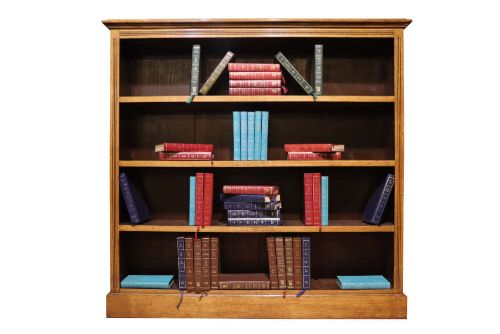
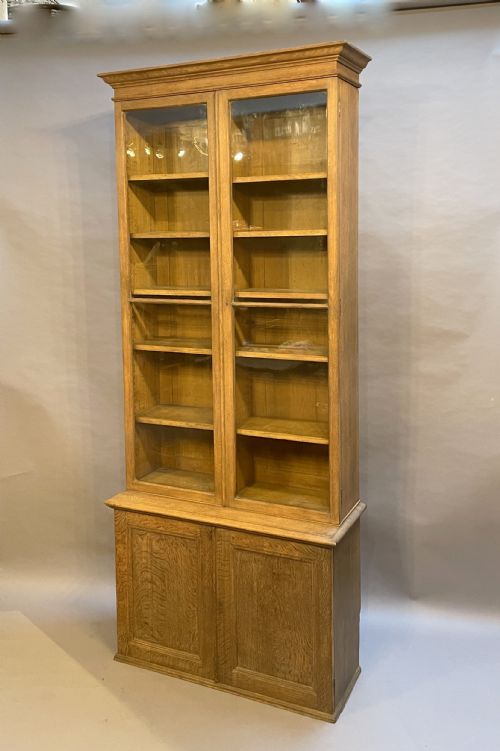
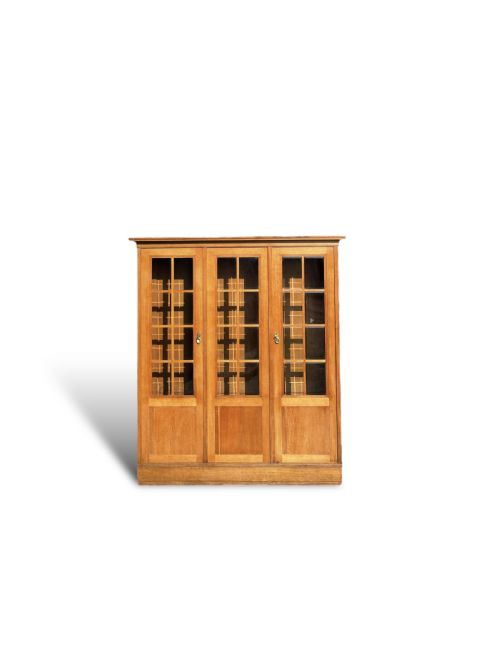
These light oak display cabinet pieces bring together pale timber and clear glass to show off books and objects with quiet clarity.
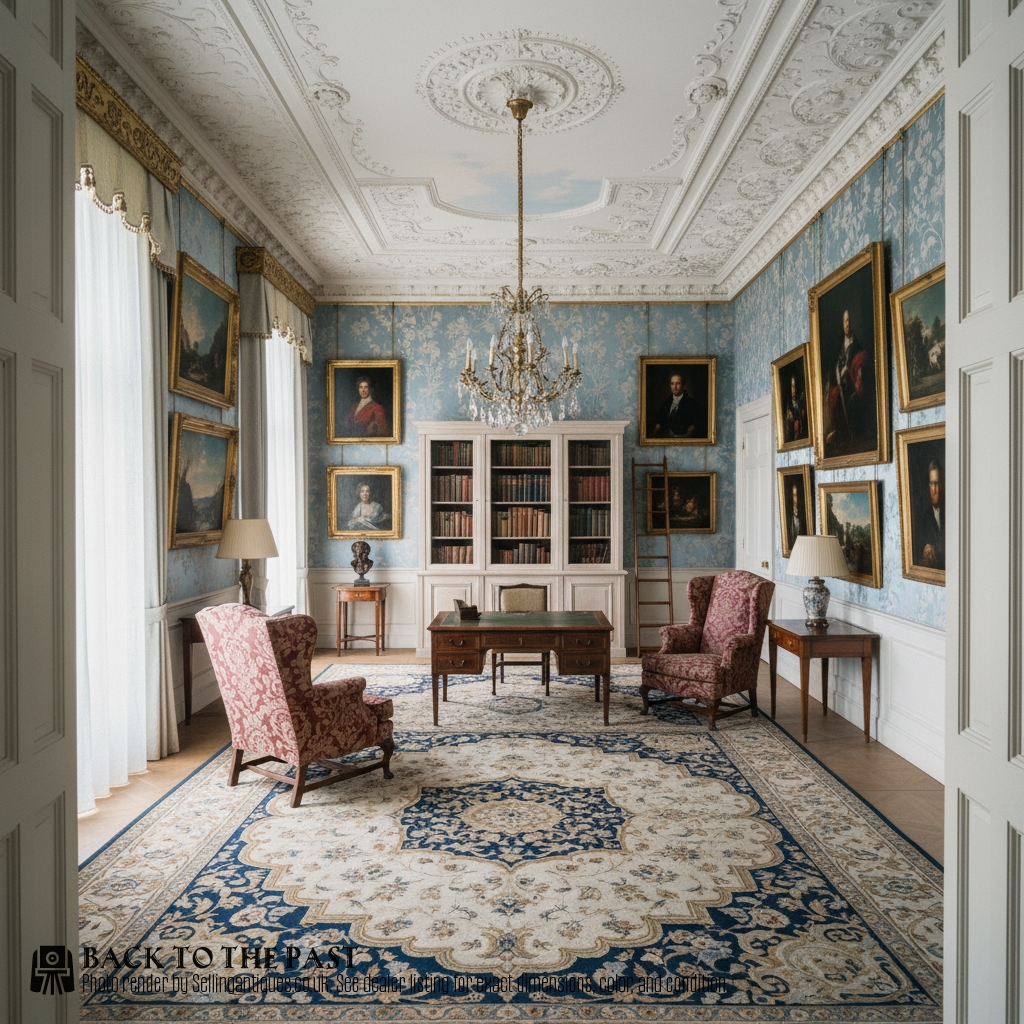
Light Oak Display Cabinet
When you search for a light oak display cabinet, you find pieces built to hold books, collections and wares behind glass doors or open shelves. The timber runs from pale golden tones to richer honey shades, keeping rooms feeling bright and open.
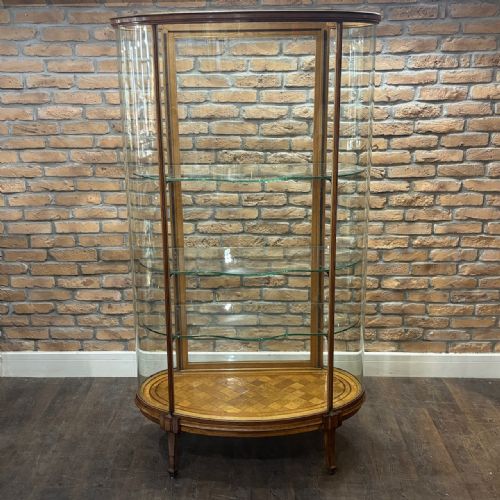
Most examples you meet on this page span the Victorian, Edwardian and Art Deco periods, alongside pieces from the nineteen-twenties and nineteen-thirties. Forms range from tall breakfront bookcases and bureau combinations down to shop counters and corner cabinets.
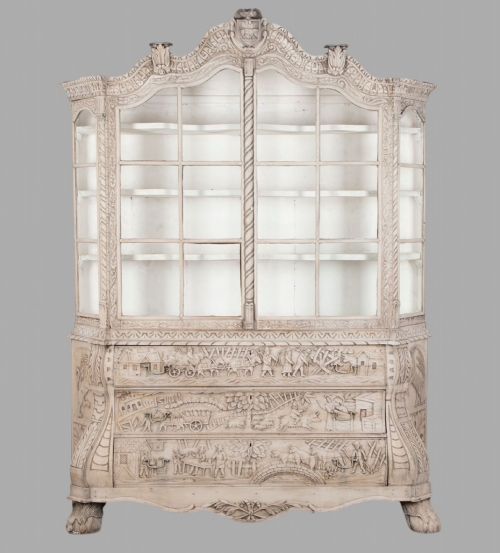
The origins stretch across English workshops, regional cabinet makers and occasional continental pieces like Dutch carved bombe designs. You will encounter everything from simple domestic cupboards to grander library cases with leaded or stained glass panels.
How they were made
Makers built these cabinets using solid oak and selected veneers over firmer secondary woods, often highlighting the natural grain with a clear polish. Brass hardware, from drop handles to escutcheons, provides functional contrast to the pale timber.
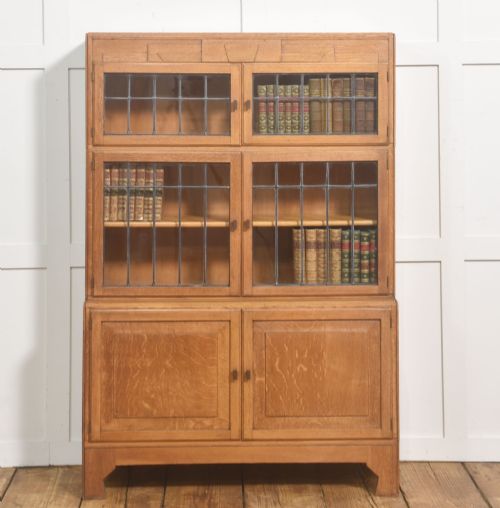
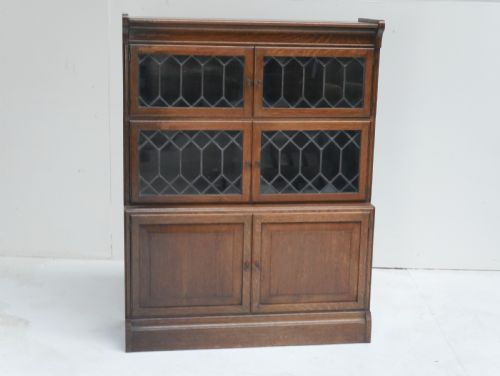
Glazing takes multiple forms, using plain sheet glass or leaded and stained glass panels held together with cames. Some specialised pieces incorporate pollard oak or walnut accents to frame doors and drawers.
Light Oak Display Cabinet Retail Price Guide 2026
Typical asking prices for light oak display cabinet among the pieces listed under this phrase on Sellingantiques today, from the lower quarter to the upper quarter. They describe what is for sale here now, not the wider market.
Listings feature oak alongside glass, brass, lead, stained glass, walnut, veneer, and pollard oak.
What varies in quality
The measure of quality lies in the depth of timber selection and the precision of the joinery, particularly in the framing of glass doors and cornices. Cabinets with figured grain patterns, well-fitted drawers and original brasses stand apart from simpler utility builds.
Carved details show the hand of the maker most clearly, moving from crisp, deep relief work down to softer machine shaping. The integration of specialty glass, such as leaded or stained panels, also lifts a piece above standard production.
F. Sage & Co·Howard & Sons·Minty·A Blain & Son Liverpool
The Light Oak Display Cabinet Glossary
- Breakfront
- A piece of furniture where the central section projects forward from the flanking sides. This layout adds visual weight and architectural presence to larger bookcases.
- Bombé
- A swelling, outward-curving profile found on drawer fronts and cabinet sides. This contour requires advanced woodworking skill to shape from solid timber or thick veneers.
- Leaded glass
- Small panes of glass held together within a web of flexible lead cames. This technique allows windows and cabinet doors to form geometric or decorative patterns.
- Pollard oak
- Timber taken from trees that were pollarded, creating tightly clustered knots and a swirling grain pattern. Cabinet makers used these sections as decorative veneer panels.
- Stencilled or stained glass
- Glass decorated with coloured pigments or metallic oxides fused by heat. It adds rich tones and decorative scenes to cabinet doors.
Light Oak Display Cabinet: Frequently Asked Questions
What periods do these cabinets come from?
The listings span the nineteenth century through to the nineteen-thirties, covering Victorian, Edwardian, Arts and Crafts, and Art Deco eras. Earlier examples often feature deeper carvings and heavier proportions, while later twentieth-century pieces lean towards cleaner lines and lighter golden tones.
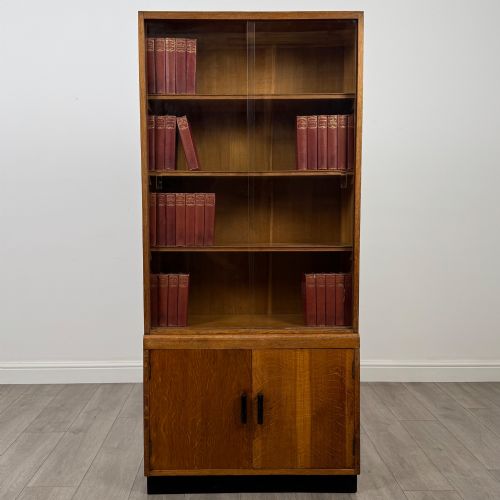
You will find that nineteenth-century pieces tend to use denser structural oak with traditional hand-cut joinery, whereas nineteen-twenties and thirties items often introduce stacking modular formats or simpler glazed fronts suited to modern domestic spaces.
How do I care for light oak furniture?
Keep these cabinets away from direct sunlight and sudden temperature shifts to prevent the oak timber and any veneer from drying out or splitting. Dust regularly with a soft, dry cloth and apply a quality beeswax sparingly only when the finish appears dry.
Avoid silicone-based sprays, as they build up a film over time and attract dust. Ensuring the room maintains a stable humidity level protects both the solid wood construction and the leaded or plain glass panes.
Were these cabinets used in shops or homes?
The selection includes pieces designed for both domestic interiors and commercial retail environments. Haberdashery cabinets and specialised shop display units were originally built to showcase goods to customers, while bookcases and bureau cabinets served private libraries and living rooms.
Commercial pieces often feature robust sliding doors, deep banks of shallow drawers, or extensive glass visibility. Domestic cabinets prioritize refined cornices, adjustable shelving, and domestic proportions that fit standard room heights.