


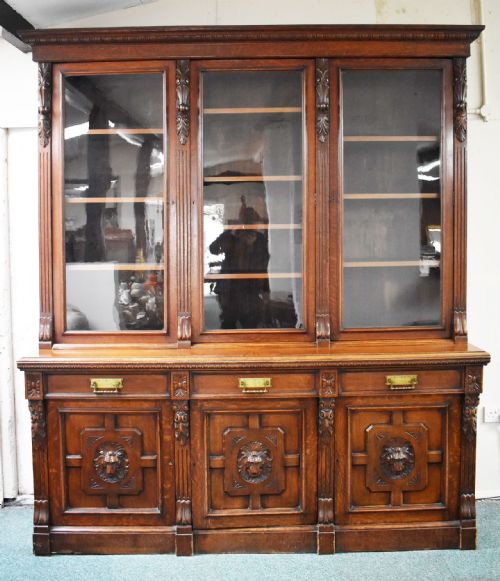


Large Oak Glazed Display
These large oak glazed display pieces combine timber framework with glass panels to house collections, and a large oak glazed display serves as a substantial focal point in a room.
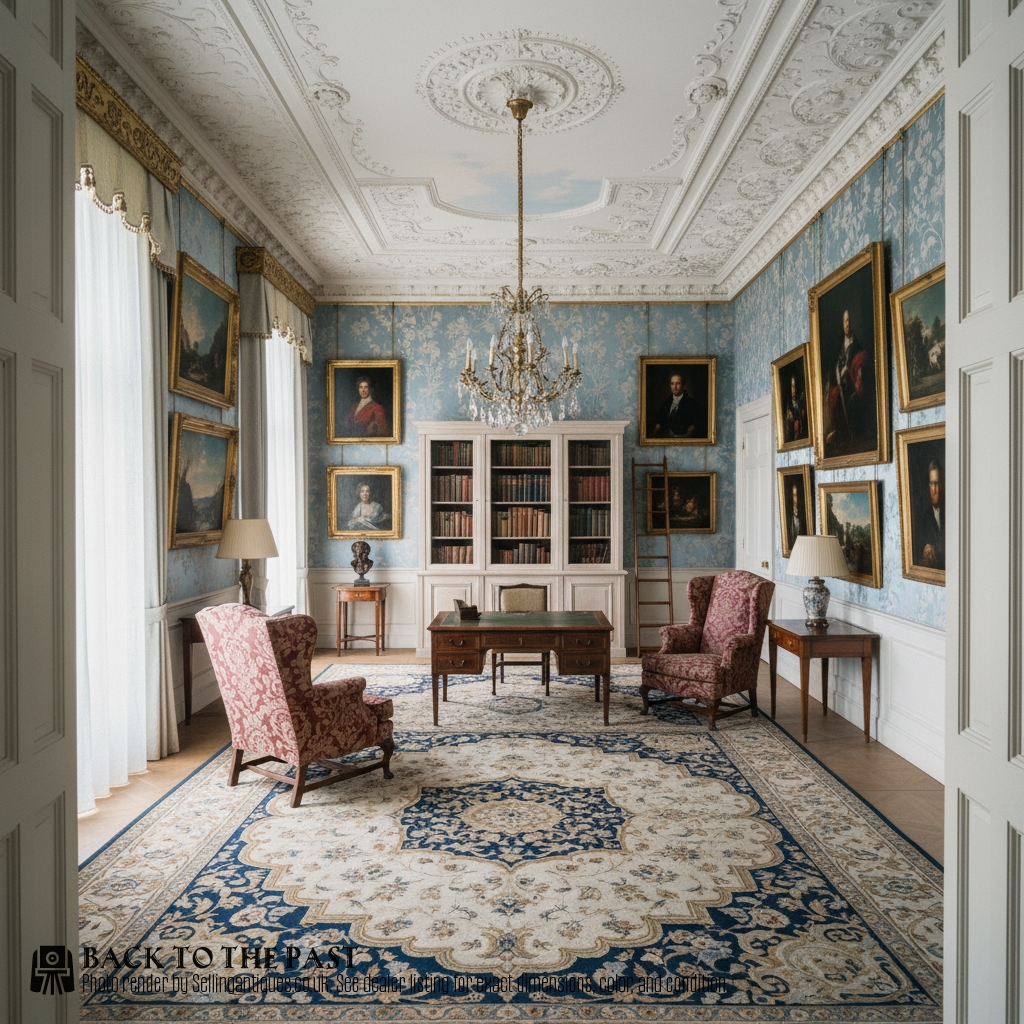
Large Oak Glazed Display
A large oak glazed display brings together substantial timber architecture and transparent panels to house books, china, and curated collections. When searching for a large oak glazed display, buyers encounter primarily bookcases, display cabinets, and library pieces dating from the Victorian and Edwardian periods.
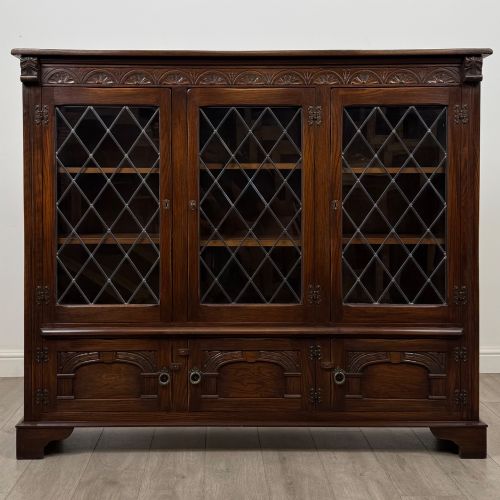
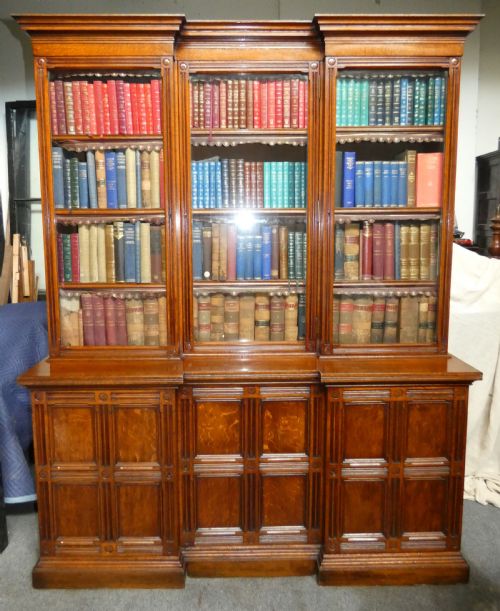
The selection ranges from breakfront bookcases and three-door cupboards to monumental library cabinets built in solid timber, pollard oak, or carved finishes. Many examples incorporate glazed sections above enclosed wooden bases, offering both visibility for displayed objects and concealed storage underneath.
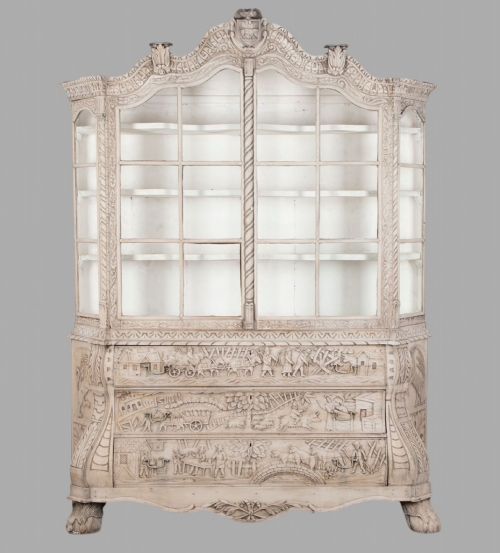
Origins span nineteenth-century revival styles, including Gothic Revival, Jacobean Revival, and Dutch Rococo Revival, alongside simpler twentieth-century school and shop fitting cabinets. Each form serves to organise and protect large collections while anchoring the proportions of a traditional interior.
What varies in quality
The distinction between standard utility furniture and master cabinet work rests on the depth of carving, the selection of figured pollard oak, and the architectural ambition of the breakfront or cornice. Monumental proportions and documented workshops elevate certain library bookcases above standard regional output.
Proportion and material selection dictate visual weight, where finely figured timber grains and integrated architectural detailing command greater presence than plain utility carcases.
Among the heavy oak library furniture, one listing offers a delicate framed display of iridescent peacock feathers.
Howard And Sons·Aitchison
The Large Oak Glazed Display Glossary
- Breakfront
- A piece of furniture whose central section projects forward from the flanking wings. This architectural arrangement creates depth and shadow on large library bookcases.
- Pollard oak
- Timber taken from trees that have been pollarded, producing a highly figured, mottled grain pattern. Cabinet makers prize this wood for decorative panels.
- Barley twist
- A turning technique resembling a twisted rope, commonly used on legs and vertical framing members during the Victorian era. It adds texture to upright supports.
- Gothic Revival
- A nineteenth-century design style drawing on medieval architectural motifs such as pointed arches and intricate tracery. Cabinets in this style often feature pointed glazing bars.
- Bombé
- A swelling, outward-curving profile found on case furniture originating from Dutch revival influences. This curved shape requires advanced woodworking skill.
Large Oak Glazed Display: Frequently Asked Questions
How do I style a large oak glazed display?
Position the piece against a substantial wall where its height and width can anchor the room without obstructing pathways. Balance the interior shelving with collections of books, ceramics, or glass objects to maintain visual equilibrium.
Allow negative space around displayed items to highlight the timber frame and the clarity of the glass panes. Ensure adequate room for the doors to swing open fully without catching on surrounding furniture.
Were these always used as bookcases?
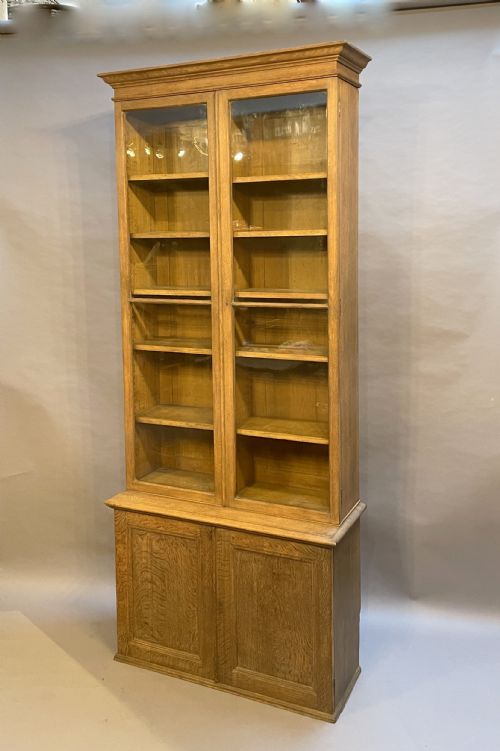
Many large oak glazed display pieces functioned originally as institutional library furniture, shop fittings, or housekeeper cupboards rather than domestic bookcases. Some examples served commercial purposes in school art departments or retail settings.
Over time, private collectors repurposed these robust cabinets to house private libraries, fine china, and decorative artefacts. Their versatile interiors frequently incorporate adjustable shelving to accommodate varying object heights.
How do I date a Victorian oak bookcase?
Examine the timber preparation, hardware fixings, and overall stylistic revival markers to establish a manufacturing period. Mid-Victorian examples often display heavy architectural carvings and monumental proportions associated with Gothic or Jacobean revivals.
Later Victorian and Edwardian pieces tend to show cleaner lines, machine-sawn backing boards, or lighter oak tones. Documentation within the carving or historical suites can also narrow down the decade of production.
What is pollard oak?
Pollard oak is a decorative timber harvested from trees pruned close to the trunk, which forces dense, highly figured growth patterns. Cabinet makers prized this wood for its swirling grain and rich visual texture on prominent panels.
It appears frequently on revival pieces and monumental library bookcases from the nineteenth century. The distinctive figuring provides a stark contrast against plain oak structural framing.