
Vintage Oak Glass Bookcase
These vintage oak glass bookcase designs combine sturdy timber frames with glazed doors to protect volumes while keeping them in plain sight.
Vintage Oak Glass Bookcase
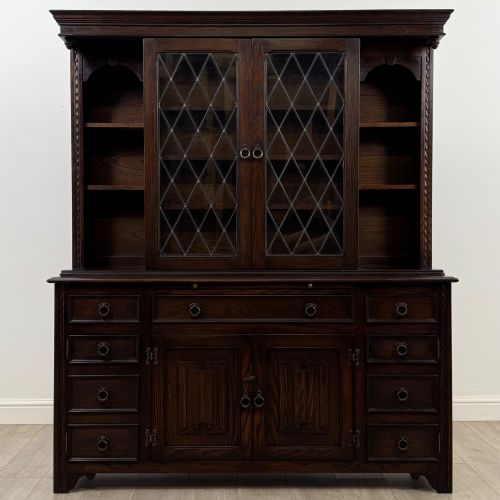
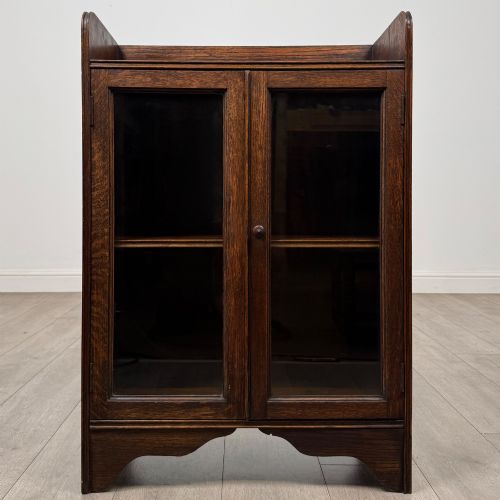
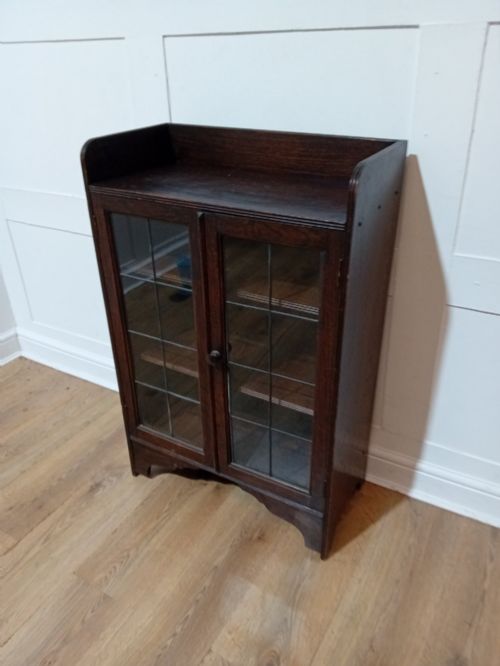
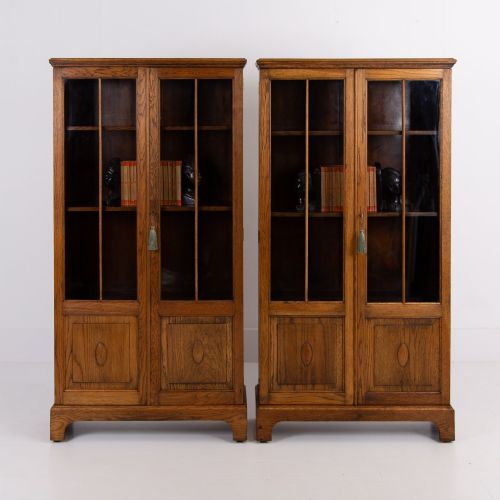
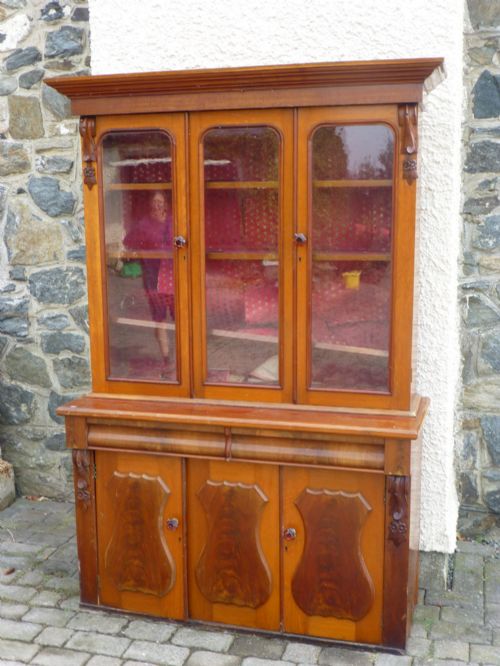
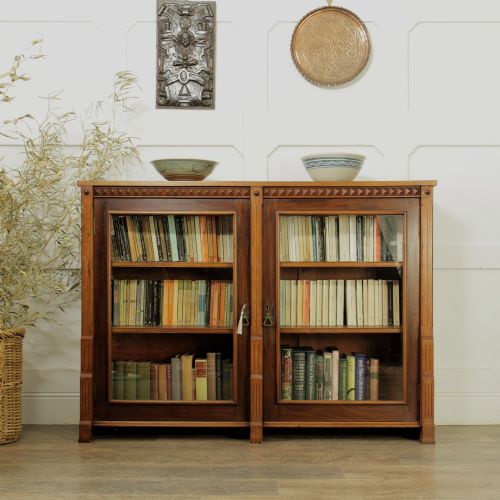
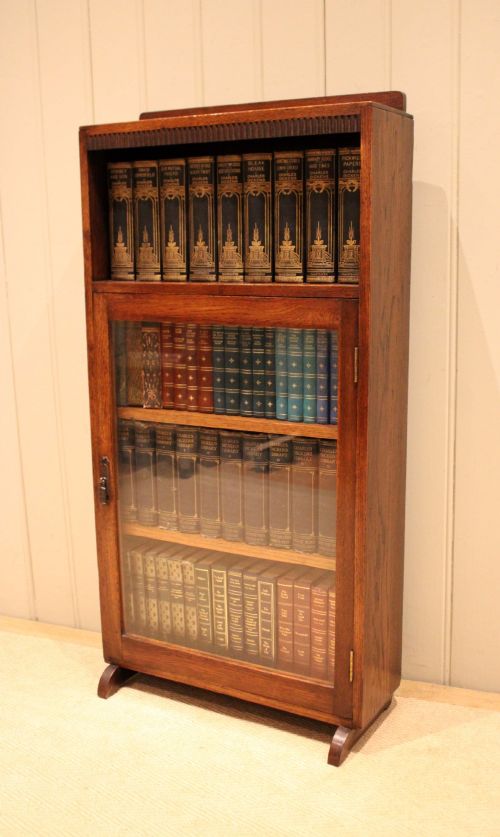
A vintage oak glass bookcase brings together solid timber construction and glazed panels, offering a practical solution for housing books while displaying collections. Buyers searching this phrase encounter several distinct forms, from tall double-door cabinets to compact dwarf cupboards and modular stacking units.
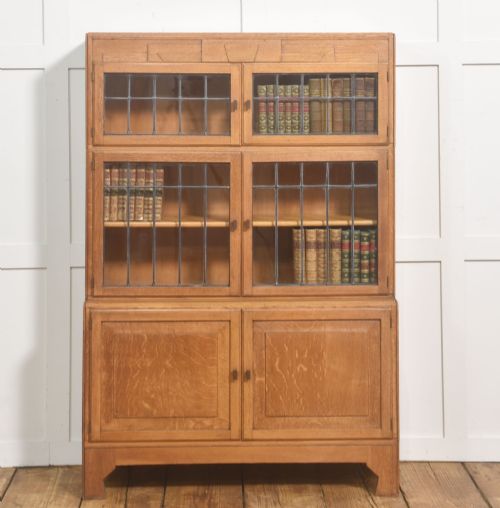
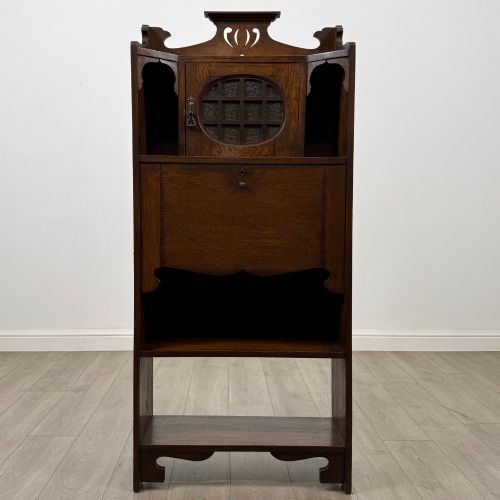
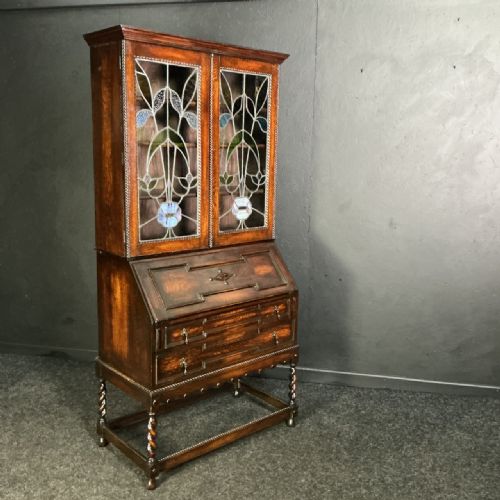
The selection ranges across multiple decades and design movements, with Edwardian pieces, 1920s stacking systems, and Arts and Crafts examples appearing frequently. Alongside standard bookcases, listings encompass bureau bookcases that incorporate a fall-front writing desk, alongside glazed display cabinets and kitchen dressers.
Origin and period details vary considerably across the inventory, spanning late nineteenth-century Victorian pieces through to 1930s designs. Solid English oak remains the predominant material, occasionally accompanied by secondary woods such as mahogany or detailed with brass, lead, and iron hardware.
Distinctions in Quality
The standard of a piece rests heavily on the selection of the timber, where finely figured grain and uniform colour separate better examples from utilitarian storage. Construction methods also dictate worth, with robust joints and smoothly operating doors or stacking sections marking superior craftsmanship.
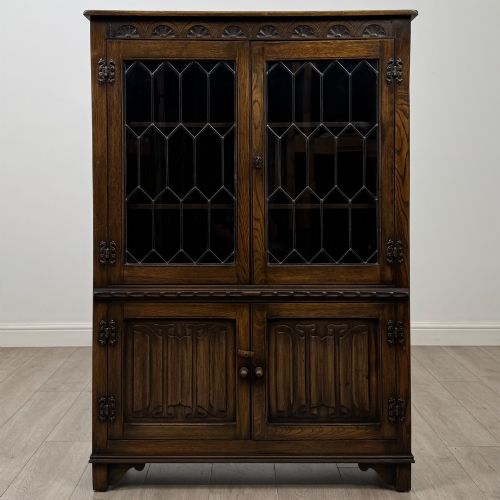
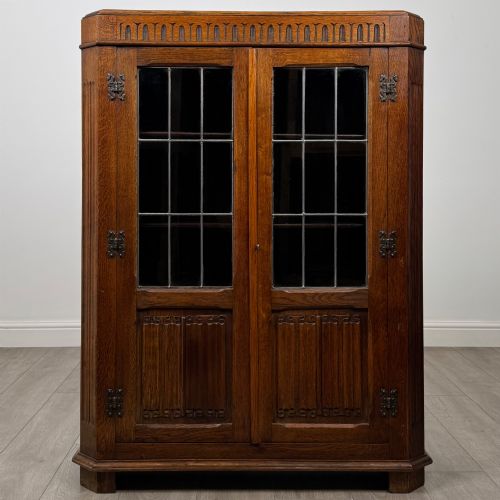
Decorative detailing further divides the range, distinguishing simple functional shelving from pieces embellished with inlay, linenfold carving, or stylistic references to the Arts and Crafts and Jacobean movements.
Some barristers discovered that stacking bookcases could survive an office move fully loaded with hefty legal digests.
Globe Wernicke·Lebus·Minty
The Vintage Oak Glass Bookcase Glossary
- Globe Wernicke
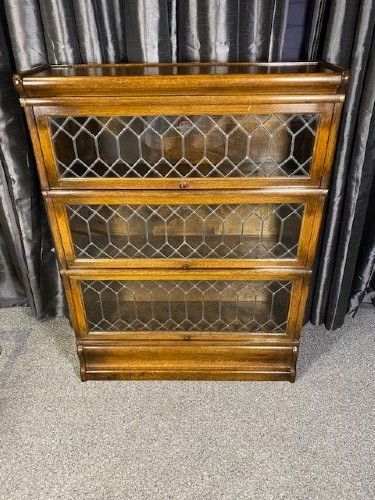
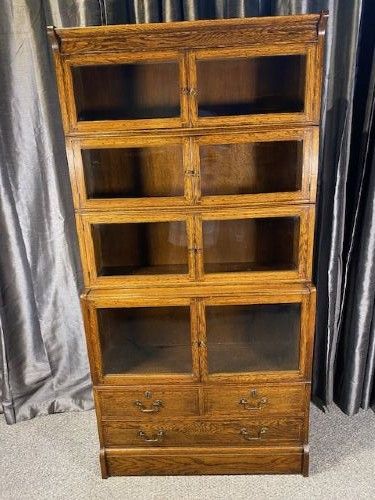
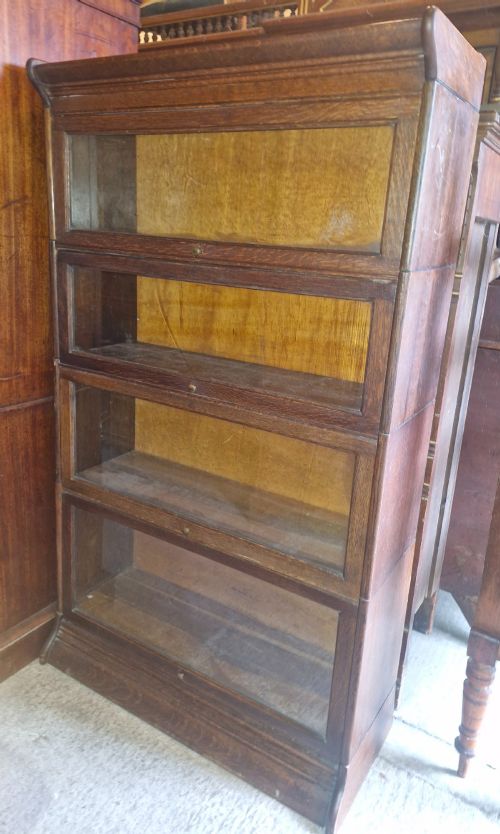
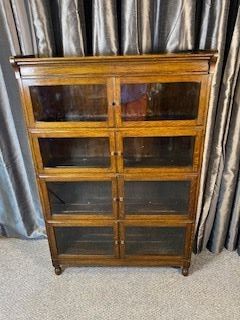
- A patented sectional bookcase system featuring upward-lifting glass doors that slide back into the unit above each shelf. These modular lawyer cabinets allow owners to stack multiple tiers vertically.
- Arts and Crafts
- A design movement prioritising honest construction, visible hand-craftsmanship, and simple utility over excessive factory ornamentation. Cabinets from this style often feature exposed joinery and copper or brass hardware.
- Jacobean Revival
- A nineteenth and early twentieth-century style imitating seventeenth-century furniture forms. Pieces typically display heavy turned legs, geometric moulding, and sombre dark-stained oak.
- Linenfold
- A style of relief carving applied to timber panels that imitates folded fabric or draped linen. It appears frequently on cabinet doors from the Edwardian period onwards.
- Glazed
- Fitted with glass panes to enclose shelves and protect contents from dust while maintaining visibility. These doors can be single panels or divided by wooden lattice frameworks.
Vintage Oak Glass Bookcase: Frequently Asked Questions
What is a stacking bookcase?
A stacking bookcase consists of individual modular sections that sit one on top of another to form a tall shelving unit. These modular tiers can be easily separated for transport or reconfigured.
Most variants utilise a self-contained glass door on each tier that lifts and slides inwards over the books. This clever mechanism allows users to access individual shelves without swinging doors outward.
How do I identify an Edwardian oak bookcase?
Edwardian oak bookcases often display lighter honey tones or golden finishes compared to the darker furniture of the preceding Victorian era. They frequently incorporate stylistic influences from the Arts and Crafts movement or Jacobean revival.
Look for honest joinery, subtle brass hardware, and panel detailing such as linenfold carving. These cabinets bridge traditional utility with early twentieth-century decorative preferences.
What are barristers bookcases?
Barristers bookcases are sectional lawyer cabinets designed to protect law books while remaining portable enough for frequent office relocations. Each tier functions as an independent bookshelf enclosed by its own glass pane.
The modular stacking design allowed legal professionals to add extra tiers as their library expanded. They remain popular for study spaces due to their efficient vertical storage.
How should I care for vintage oak furniture?
Keep vintage oak furniture away from direct sunlight and strong heat sources to prevent the timber from drying out or splitting. Maintaining stable room humidity protects both the wooden frame and the original glass fittings.
Dust the surfaces regularly with a soft, dry cloth and apply occasional treatments of suitable natural wax to nourish the grain. Avoid using silicone-based polishes that can build up on the antique finish over time.