


Large Gilt Frame Mirror
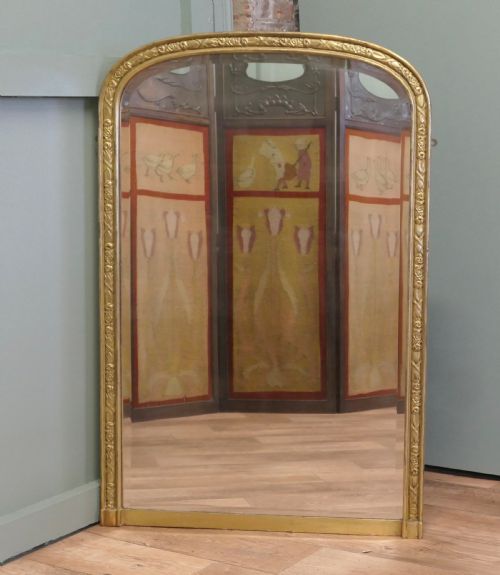
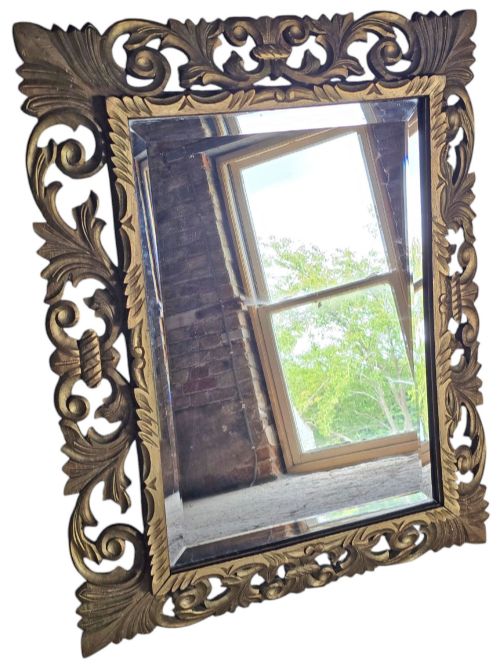
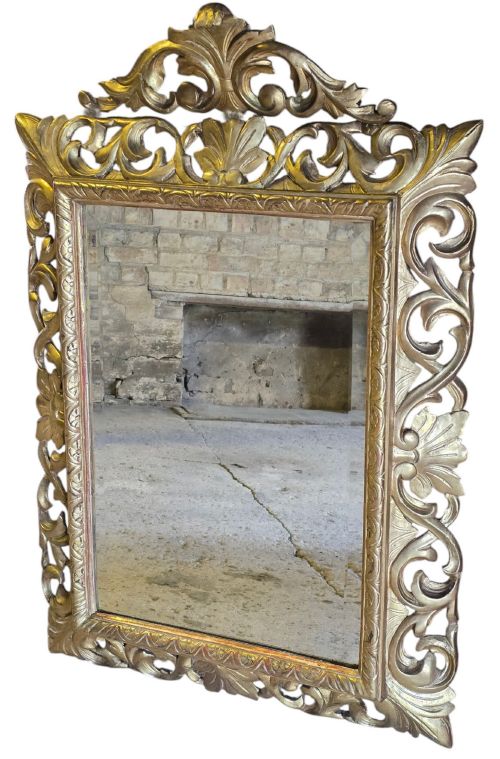
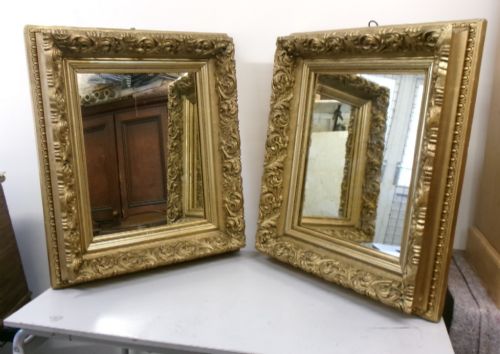
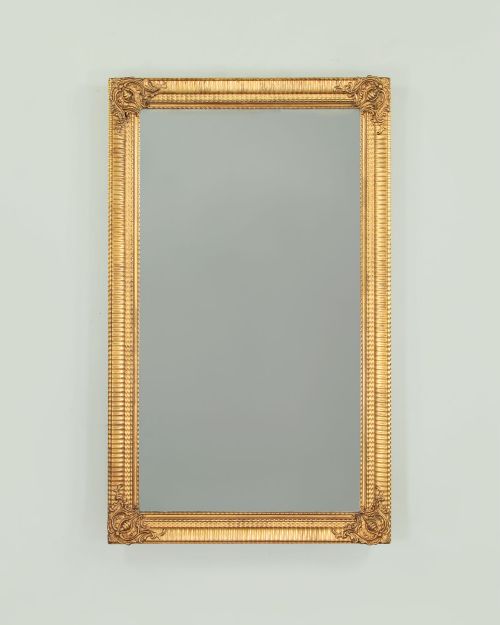
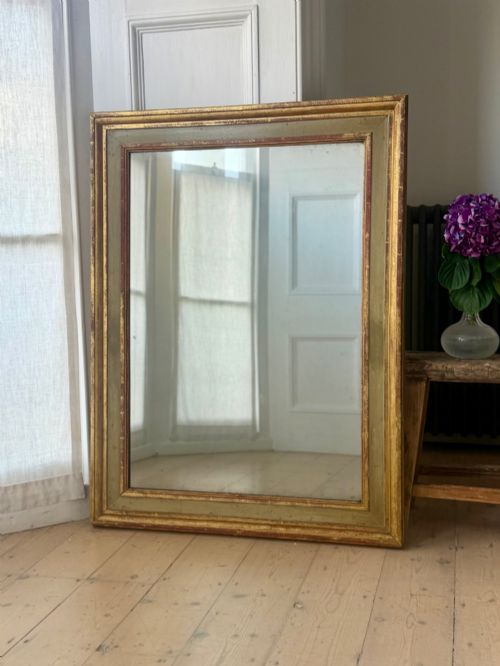
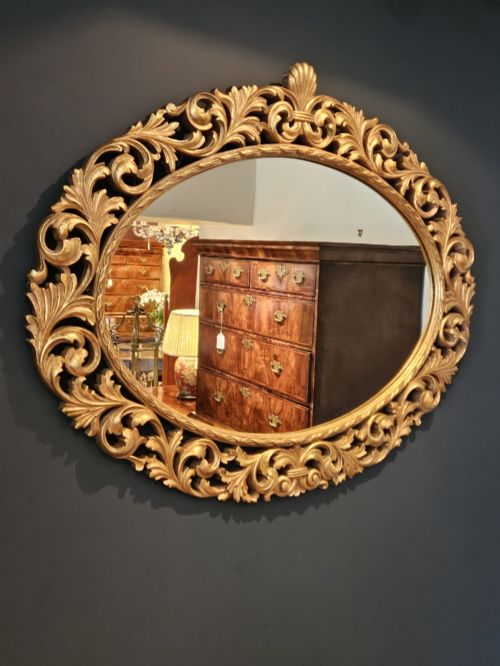
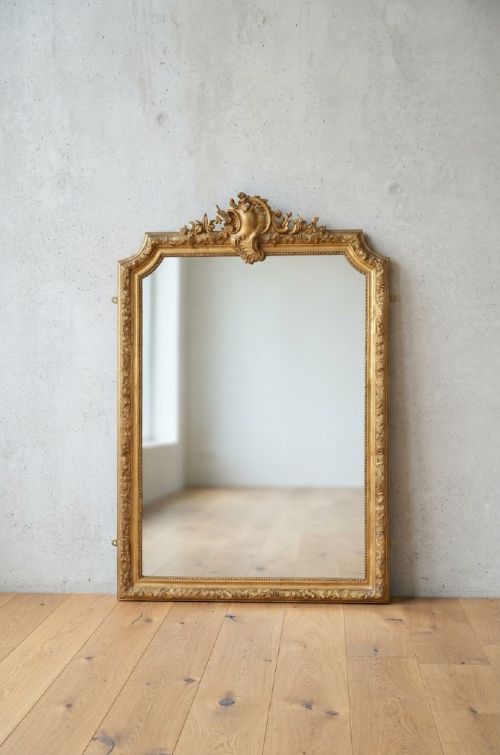
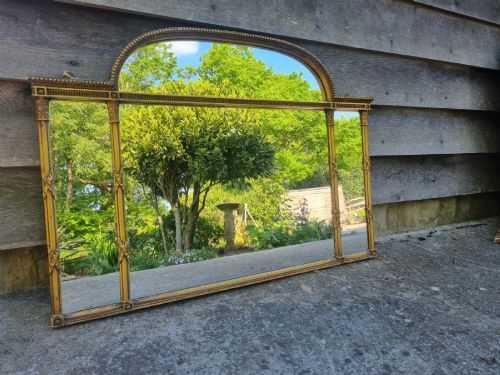
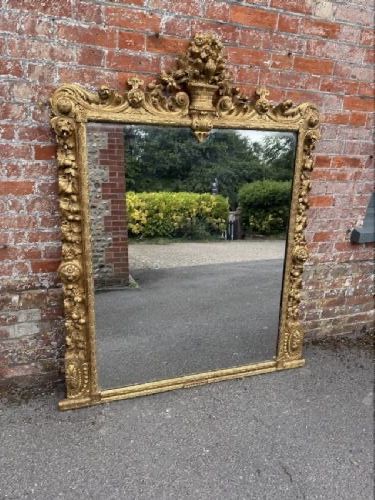
A large gilt frame mirror brings scale, light and architectural presence to a room, drawing the eye with shimmering gold leaf and ornate carved detail.
Large Gilt Frame Mirror
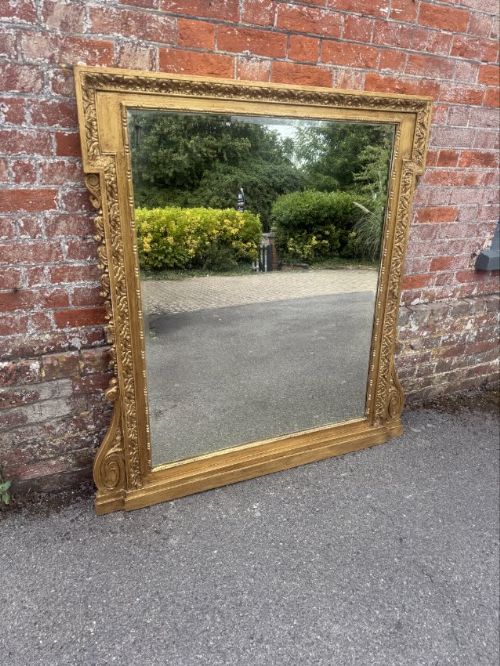
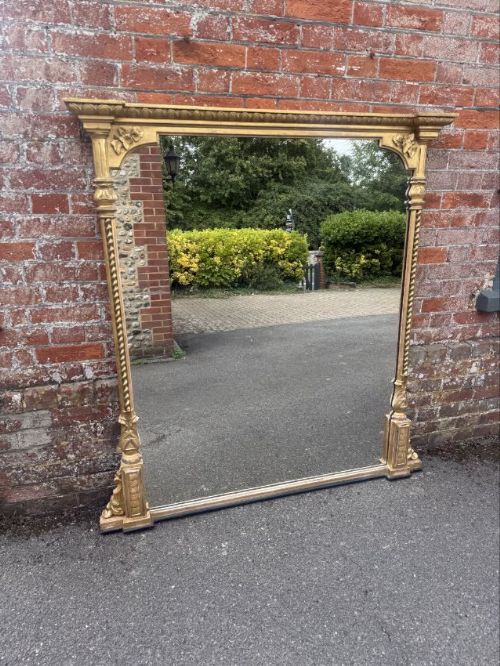
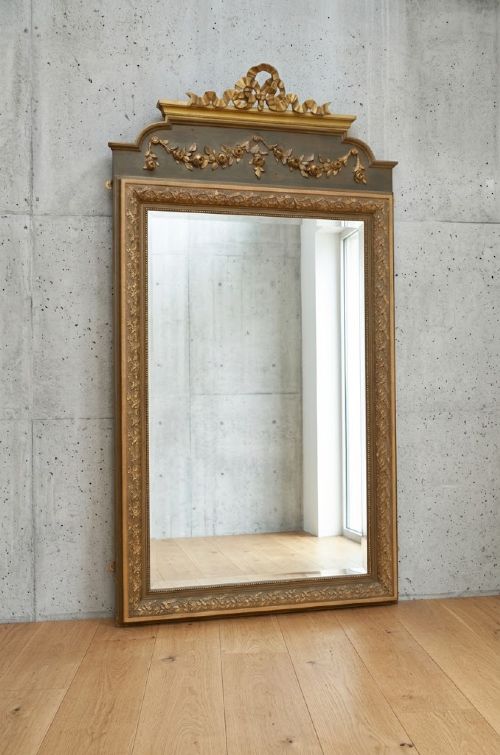
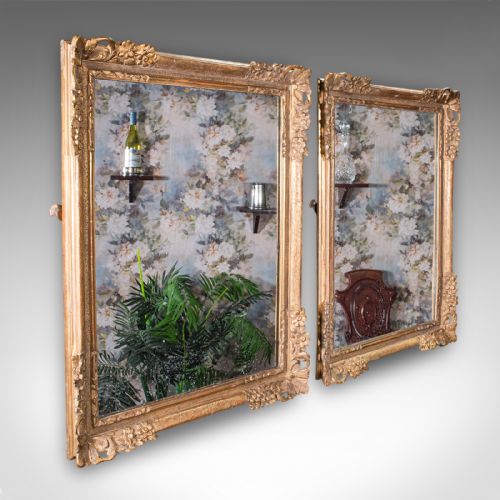
When searching for a large gilt frame mirror, buyers encounter grand statement pieces designed to anchor a room, most frequently appearing as nineteenth-century English and French overmantel mirrors. These substantial looking-glasses were originally manufactured to hang above fireplace mantelpieces or span tall drawing-room walls, reflecting natural light around period interiors.
The selection ranges widely across nineteenth-century Victorian and Regency designs, alongside Louis Philippe, Florentine, and Rococo Revival styles. Forms span arched tops, rope twist frames, column-moulded surrounds, and expansive rectangular plates framed in carved wood and gesso.
How they were made
Artisans constructed the structural carcasses of these pieces from timber, frequently utilising carved wood or layered composition and gesso to build up high-relief ornamentation. Master gilders then applied delicate sheets of gold leaf or liquid gold paint over prepared surfaces to achieve a luminous metallic finish.
Many early examples feature original mercury glass plates, which display characteristic foxing, clouding, and soft reflection depths resulting from historical silvering techniques.
Large Gilt Frame Mirror Retail Price Guide 2026
Typical asking prices for large gilt frame mirror among the pieces listed under this phrase on Sellingantiques today, from the lower quarter to the upper quarter. They describe what is for sale here now, not the wider market.
Materials documented across the inventory include glass, giltwood, gesso, gold leaf, wood, composition, and painted timber.
What varies in quality
Quality reveals itself in the depth, crispness and definition of the carved wood and gesso decoration, where hand-tooled ornament outshines mass-produced moulded composition. The integrity of the original gilt surface and the preservation of authentic mercury glass plates also dictate the standing of a piece.
Structural joinery in the timber frame and the presence of original backing boards and plates provide further distinction between standard decorative items and exceptional collector pieces.
Charles Nosotti
The Large Gilt Frame Mirror Glossary
- Overmantle mirror
- A wide mirror specifically proportioned to hang on the wall directly above a fireplace mantelpiece. These often feature low profiles designed to fit snugly beneath cornices or against chimney breasts.
- Gesso
- A plaster-like mixture applied to wooden frame bases and carved or moulded into relief ornamentation before gilding. This material allowed craftsmen to create intricate scrolls, floral motifs, and classical architectural details.
- Giltwood
- Timber that has been coated in gold leaf or gold paint. True giltwood frames utilise wafer-thin sheets of beaten gold applied over a prepared bole.
- Mercury glass
- A type of silvered glass produced by pouring a mercury amalgam between double-walled glass or coating the rear surface. It creates a soft, moody reflection often marked by age spots and oxidation.
- Trumeau
- A decorative wall mirror incorporating an oil painting or panel within the upper section of the frame. Originating in France, these pieces served as permanent architectural fittings within grand salons.
Large Gilt Frame Mirror: Frequently Asked Questions
How do I hang a heavy overmantel mirror?
Due to their substantial weight, these large frames require professional wall fixings secured directly into masonry or solid structural studs. Hanging brackets must be rated to support the combined mass of the heavy wooden frame and thick glass plate.
Lower the frame carefully onto flush-mounted mirror plates or heavy-duty D-rings attached securely to the timber carcass on the reverse.
How do I clean an antique gilt frame?
Dust the carved gesso and wooden surfaces gently using a very soft, dry brush or feather duster to remove surface particles. Avoid chemical cleaners, water, or abrasive cloths, which can strip away delicate gold leaf and historical patination.
Professional conservation is recommended for restoring damaged gesso or securing loose sections of gilded ornament.
How can I tell if the mirror glass is original?
Original nineteenth-century glass often displays foxing, which appears as dark spots, minor clouding, or mottled oxidation within the silvering layer. The reflection is typically softer and less clinical than modern float glass, sometimes showing slight waviness.
Examining the rear of the frame can also reveal whether old wooden backing boards and original glazing pins remain undisturbed.