
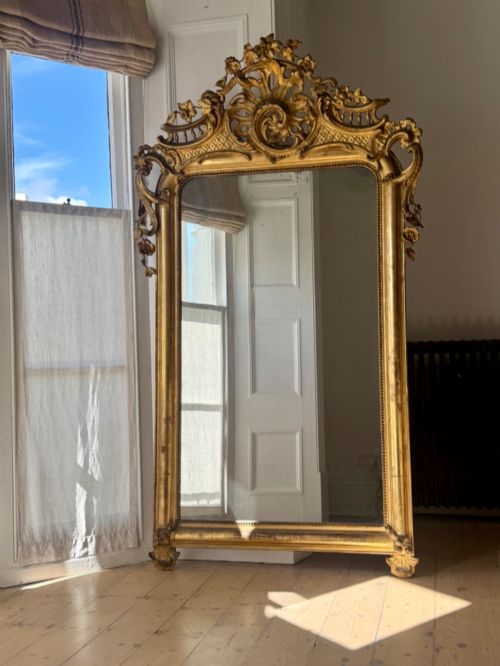
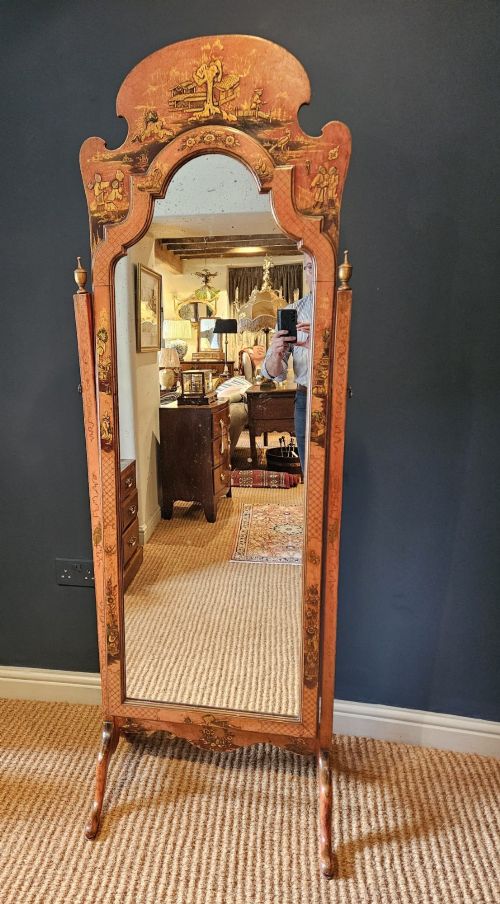
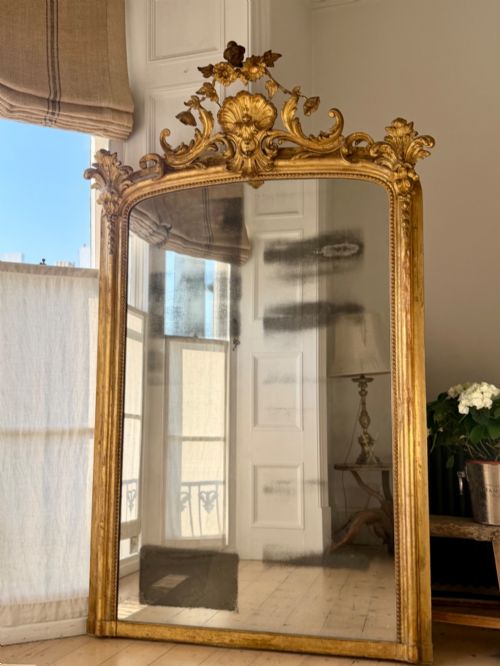
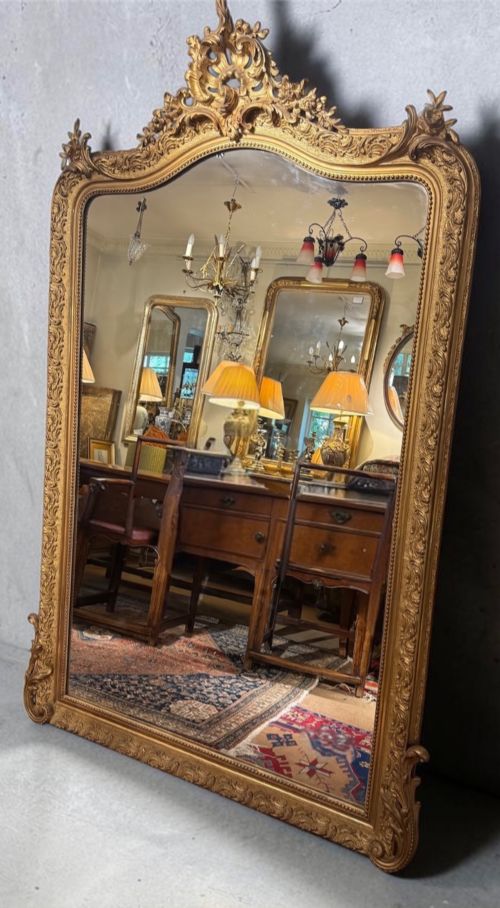
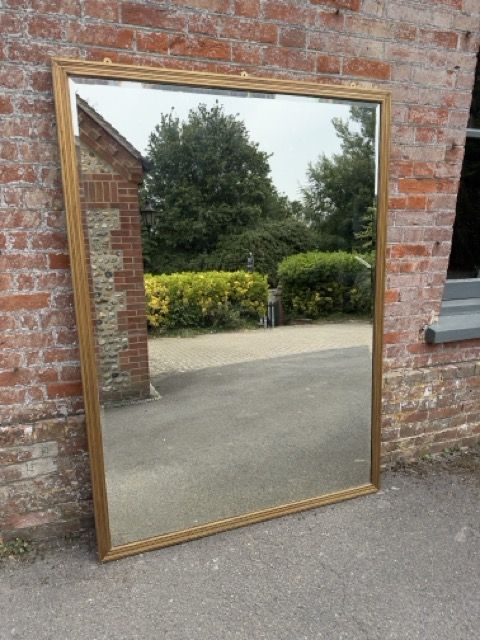
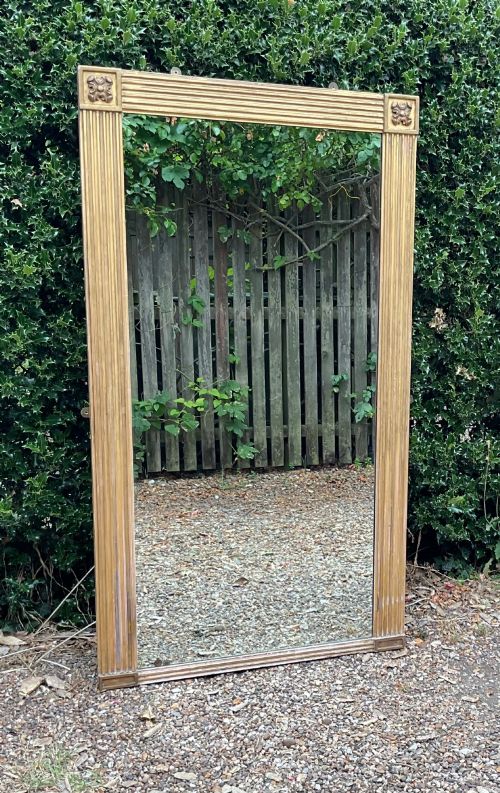
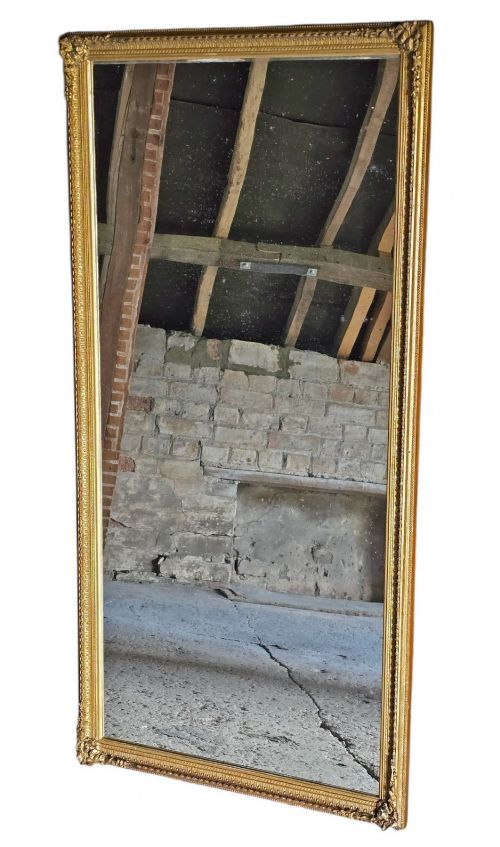
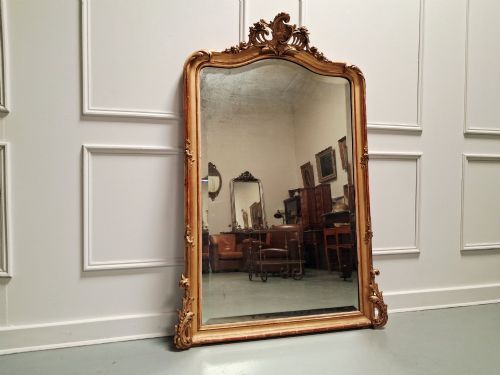
Large Gilt Floor Mirror
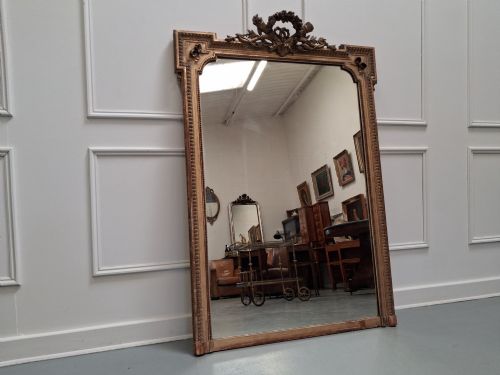
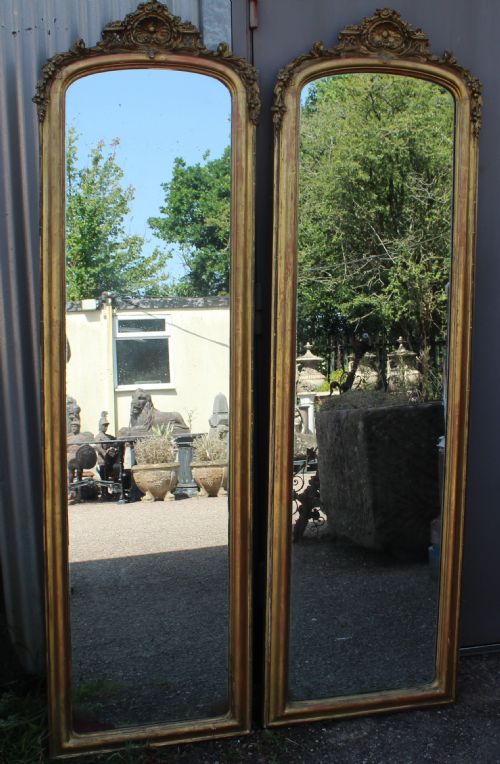
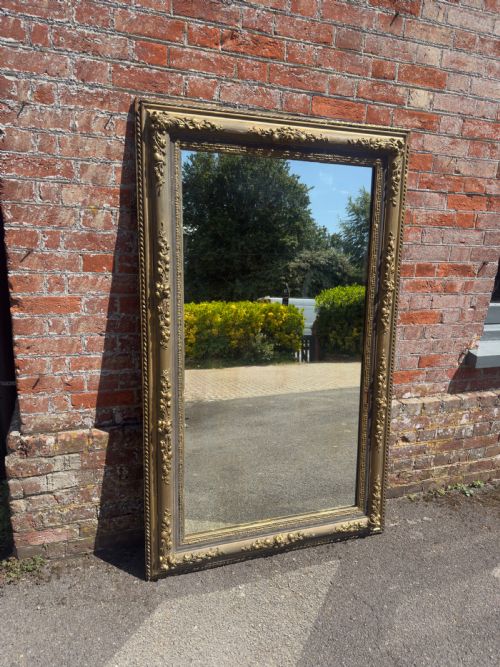
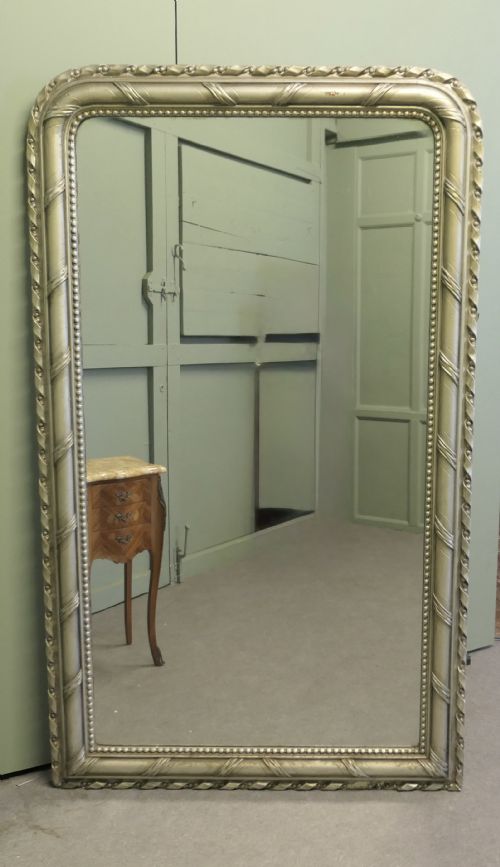
A large gilt floor mirror brings monumental scale and reflective warmth to a room, framing light within heavy gilded timber.
Large Gilt Floor Mirror
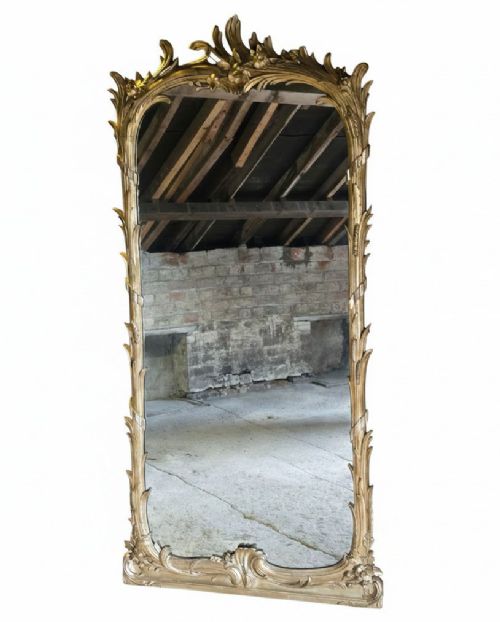
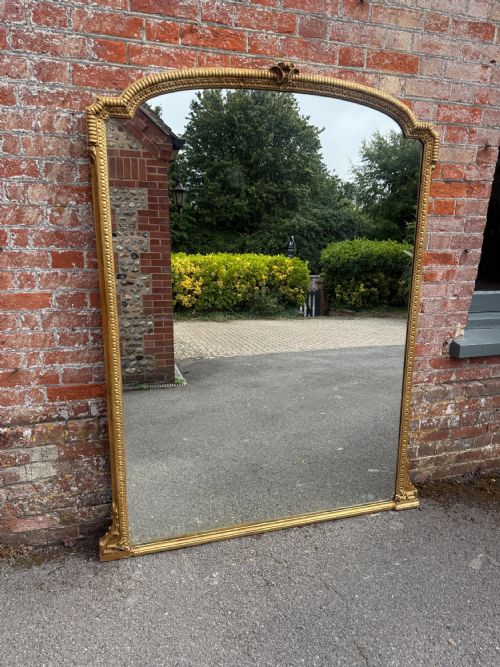
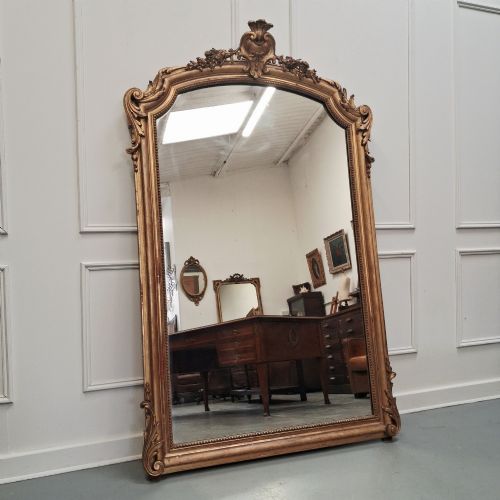
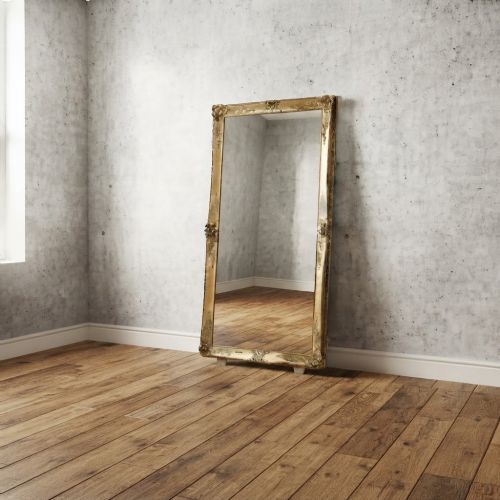
A large gilt floor mirror stands tall as a commanding architectural element, designed either to lean against a wall or to stand independently. When you search for a large gilt floor mirror, you encounter pieces intended to bounce light deeply into grand interiors, often taking the form of tall leaner frames, cheval mirrors, or expansive dressing glasses.
The pieces appearing here span centuries of design, with a strong representation of nineteenth-century French and English output. You find rectangular shapes, arched tops, and shaped frames that reflect tastes from the Regency and Victorian eras through to Edwardian interpretations.
Originating largely from domestic parlours, halls, and formal chambers, these vertical glasses served both a practical purpose for dressing and an optical one for expanding perceived space. Their substantial proportions demand specific placement, usually anchoring a major wall or filling a generous alcove.
How they were made
Carved timber forms the primary structural foundation for these frames, utilising woods such as pine or hardwood as a base for intricate ornamentation. Artisans applied layers of gesso - a mixture of chalk and binder - over the carved wood to build up smooth surfaces and crisp relief details before applying gold leaf or silver leaf by hand.
Mirror glass production relied on traditional techniques, yielding plates with varying thickness and silvering methods. Earlier examples incorporate mercury glass, which produces a distinctive mottled appearance, while later nineteenth and twentieth-century versions utilise standard silvered plates.
The documented styles span French Rococo Revival, Louis Philippe, Regency, and Edwardian periods.
What varies in quality
The depth and crispness of the wood carving distinguish exceptional frames from standard production, as skilled hands create undercut foliage and sharp mouldings that hold the gilt surface firmly. The quality of the gilding itself, whether gold leaf or silver leaf applied over gesso, dictates how the frame catches ambient light over decades of display.
The integrity of the glass plate also separates tiers of execution, with heavier, thicker mirror glass providing a truer reflection compared to thinner sheets that warp slightly. Original mercury glass with even foxing adds historical depth, whereas poorly executed replacements lack the visual resonance of a period plate.
Charles Nosotti
The Large Gilt Floor Mirror Glossary
- Giltwood
- Timber coated with gold leaf or metal leaf over a prepared gesso ground. This finish provides a warm, reflective metallic sheen that mellows gently with age.
- Gesso
- A plaster-like mixture applied to carved wooden frames to create a smooth surface for gilding. It allows craftsmen to model sharp, intricate decorative details.
- Mercury glass
- A double-walled glass blown with a silvering mixture inserted between the layers, creating a characteristic speckled or foxed reflection. It is commonly found in older French mirrors.
- Cheval mirror
- A full-length mirror hung on a vertical frame with pivots, allowing the glass to tilt. This freestanding form became popular for dressing rooms.
- Louis Philippe
- A mid-nineteenth-century French style characterised by restrained classical proportions, often featuring gentle rounded upper corners and subdued beaded or channelled frames.
Large Gilt Floor Mirror: Frequently Asked Questions
Where should a large gilt floor mirror go?
These tall frames sit best against a principal wall in a reception room, hallway, or bedroom where they can reflect natural light from windows.
Because of their considerable height and weight, they often function effectively as leaner mirrors rather than being wall-mounted.
Are these mirrors heavy to move?
Substantial timber construction, thick gesso layers, and large glass plates combine to make these frames remarkably heavy.
Moving them requires two people to support the base and distribute the weight evenly without stressing the frame joints.
How do I date a gilt floor mirror?
Dating relies on examining the construction of the wooden frame behind the gesso, the style of the carved ornamentation, and the characteristics of the glass plate.
Nineteenth-century examples often show distinct joinery methods and plate thicknesses compared to earlier eighteenth-century or later Edwardian pieces.
What is foxed glass?
Foxing refers to the dark spots and mottled patches that develop within the silvering of older mirror plates over time.
This ageing process results from chemical interactions between the backing and atmospheric moisture, highly valued by collectors for its atmospheric appearance.