


Large French Gilt Mirror
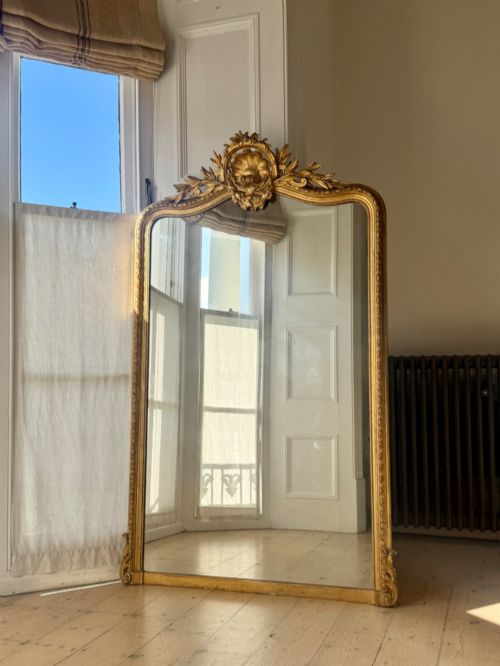
When seeking a large french gilt mirror, you are looking for an imposing reflective centrepiece defined by 19th-century continental craftsmanship and radiant metallic finish.

Large French Gilt Mirror
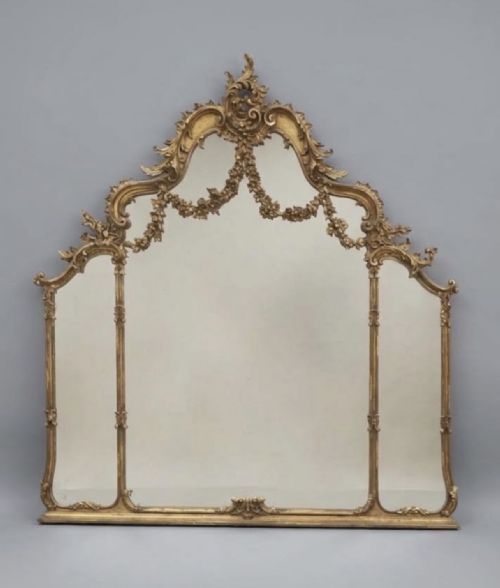
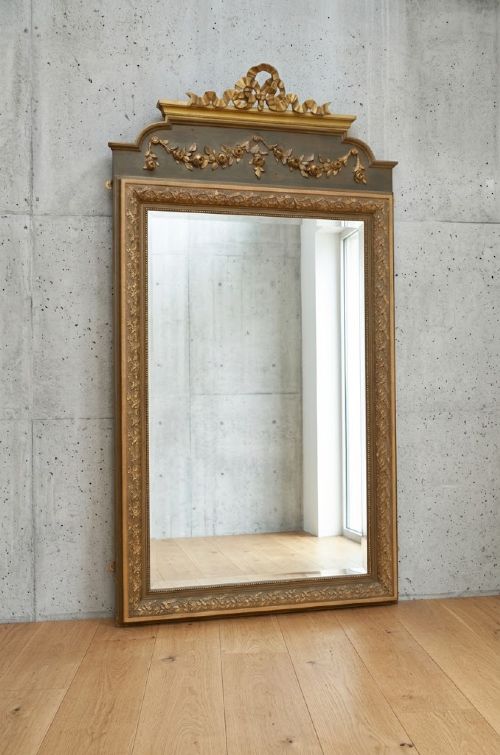
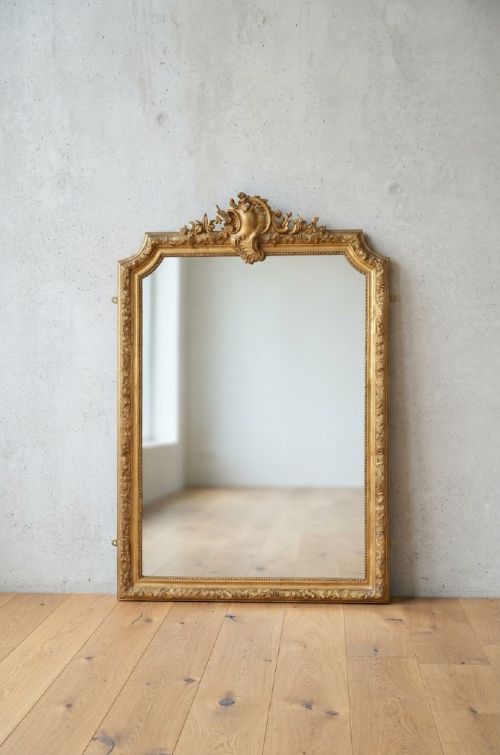
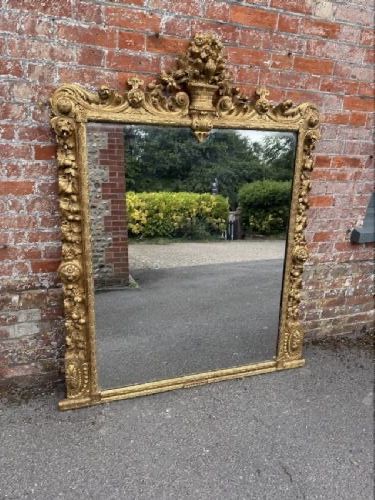
A large french gilt mirror serves as a grand architectural presence in a room, traditionally hung above a mantelpiece or positioned as a full-length leaner against a wall. These pieces primarily date from the 19th century, drawing upon distinct periods such as the Louis Philippe, Napoleon III, and Rococo Revival eras.
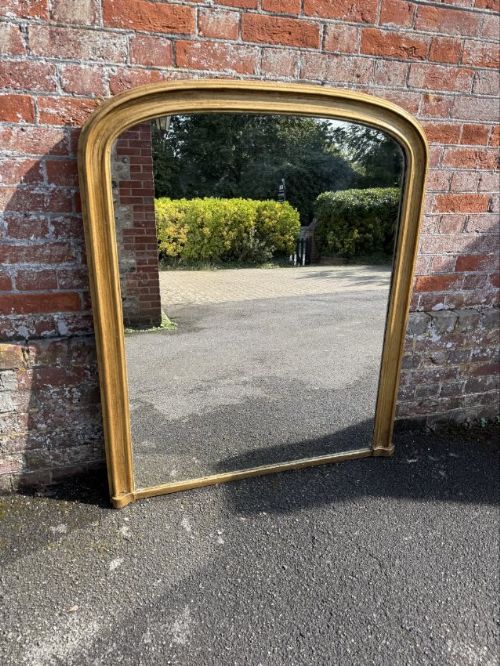
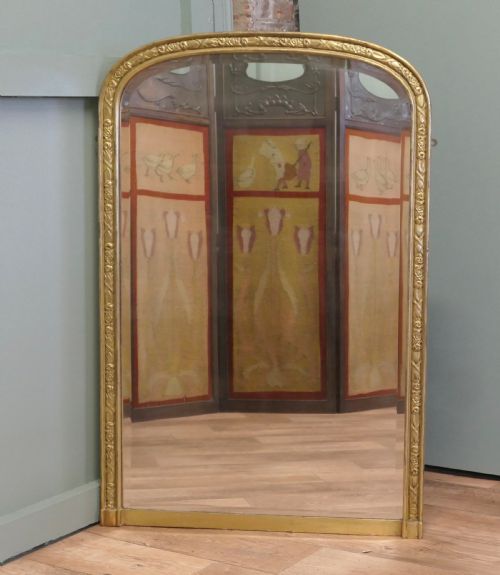
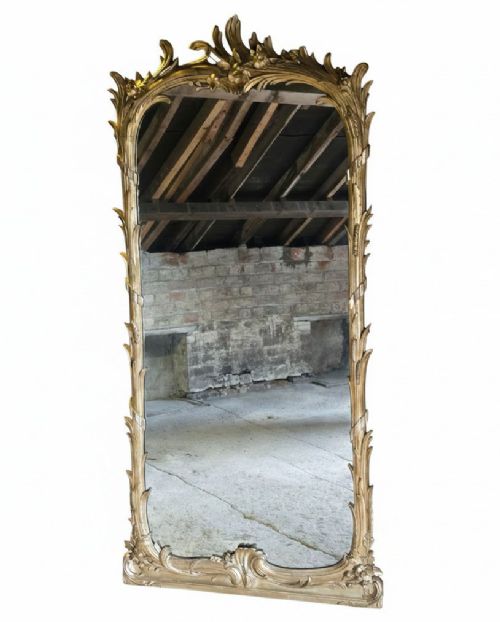
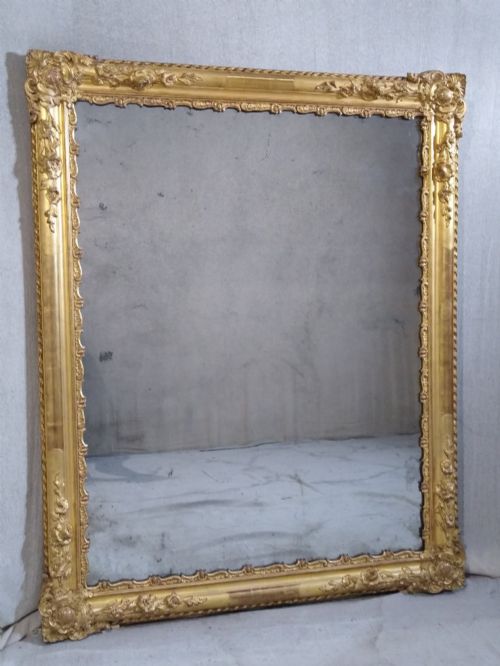
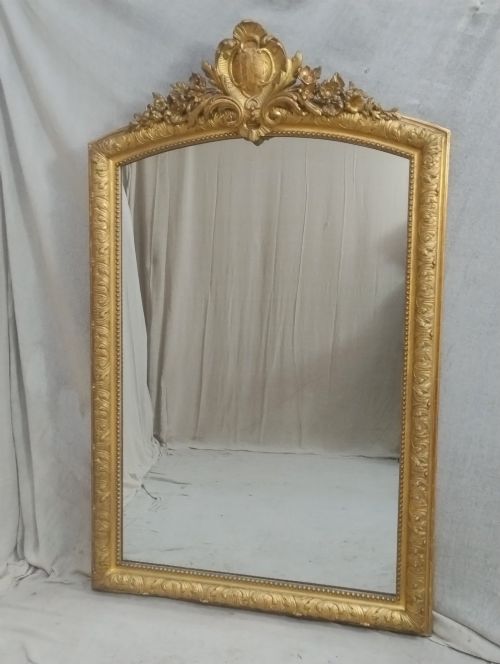
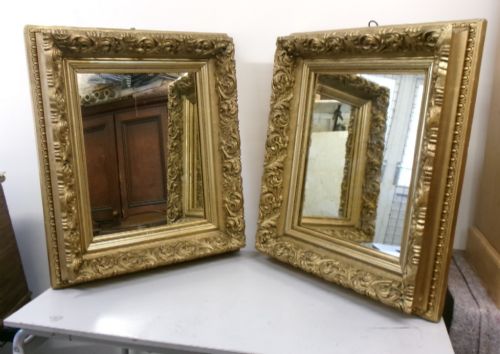
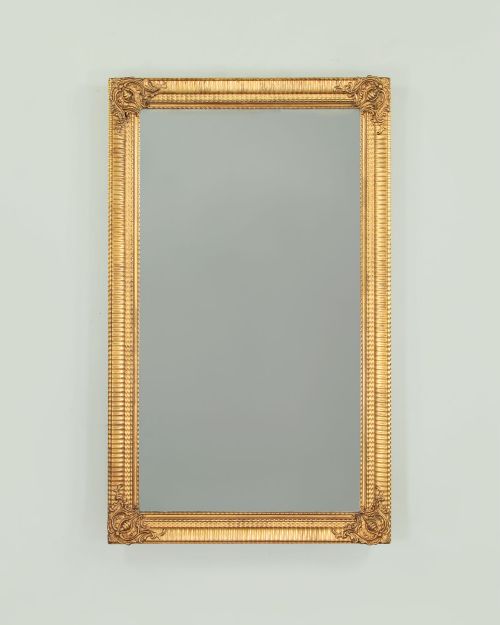
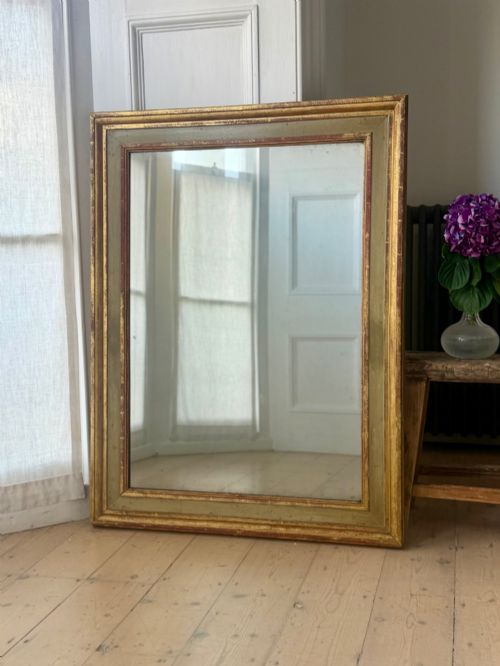
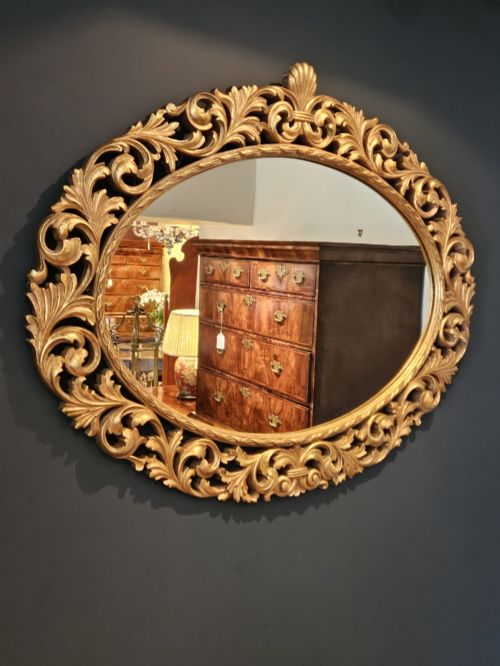
The most common formats encountered on this page are tall wall mirrors, overmantels, and expansive leaner mirrors originating from French chateaux and townhouses. They appear in rectangular, arched, and shaped top profiles, often featuring carved wooden frames coated in brilliant gold leaf or gesso.
Beyond standard wall placement, variations include pier glasses designed to hang between windows and trumeau mirrors incorporating integrated pastoral oil paintings or decorative panels. Each form reflects the decorative ambition of its original interior setting.
How they were made
The construction of these frames relies on carved timber, often pine or hardwood, built with substantial joinery to support heavy glass plates. Artisans applied layers of gesso - a mixture of plaster and glue - onto the wood to create smooth surfaces for detailed ornamentation.
Gilding was achieved by applying thin sheets of gold leaf or silver gilt over the prepared gesso ground, sometimes burnished to a high shine or left with a matte texture. Alternatively, composition ornament moulded from putty was utilised for intricate floral and scrolling details.
Mirrors from the earliest periods frequently feature genuine mercury glass panels, identifiable by their deep reflectivity and characteristic foxed spots where the backing has aged. Later examples shifted toward standard silvered mirror glass, occasionally with bevelled edges.
Materials recorded across the inventory include traditional giltwood, gesso, composition, and authentic mercury glass alongside standard mirror glass.
What varies in quality
The distinction between tiers of quality rests heavily on the depth and crispness of the hand-carved woodwork versus mass-produced composition ornament. Superior examples exhibit finely undercut foliage, scrolls, and crests that retain their sharp contours beneath the gilding.
The integrity of the original surface finish dictates much of the visual appeal, with genuine gold leaf weathering differently over decades compared to modern metallic paints. Original mercury glass plates with natural foxing add considerable character and historical depth to the piece.
Proportion and scale also govern the hierarchy of these objects, where monumental heights and balanced structural framing command greater visual authority in an interior space.
The Large French Gilt Mirror Glossary
- Giltwood
- Wood that has been coated with thin sheets of gold leaf. This finish gives the frame its luminous, metallic appearance.
- Gesso
- A plaster-like mixture applied to wooden frames as a base for gilding and moulding. It allows craftsmen to carve intricate relief details.
- Mercury glass
- A double-walled glass blown type popular in the 18th and early 19th centuries, silvered with a mercury amalgam. It produces a dark, atmospheric reflection.
- Overmantel mirror
- A wide mirror specifically designed to be hung above a fireplace mantel. These often match the horizontal proportions of the hearth below.
- Trumeau mirror
- A decorative wall mirror that incorporates a painted panel or artwork directly above the glass plate. They were frequently built into wood-panelled French interiors.
- Pier glass
- A tall, narrow mirror designed to be hung on the wall space between two windows. They maximise light in classical drawing rooms.
Large French Gilt Mirror: Frequently Asked Questions
Where should I hang a large French mirror?
These mirrors command attention and work best anchored above a substantial fireplace mantel or positioned directly on the floor as a leaner against a main wall. Their scale requires a room with adequate ceiling height to let the frame breathe.
Avoid cramping them into narrow hallways where their reflective depth and ornate crests cannot be appreciated from a distance. Positioning them opposite a window will also maximise the natural light they bounce into the space.
How do I identify a mercury glass plate?
Original mercury glass displays a characteristic darker, deeper reflection than modern silvered glass, often accompanied by cloudy patches or dark spots known as foxing. These imperfections are natural results of age and chemical breakdown in the early backing process.
Looking closely at the glass edge can also reveal the thickness and slight distortion typical of 18th and 19th-century sheet production. This aged glass adds authentic historical atmosphere to the mirror.
What is a Louis Philippe mirror?
Louis Philippe mirrors date from the mid-19th century and are easily recognised by their softly rounded upper corners and simpler, more restrained framing. Unlike heavily ornate Rococo revival pieces, they favour clean architectural lines with subtle bead or ribbon twists.
This understated elegance makes them exceptionally versatile for both traditional and contemporary interiors. They provide height and light without overwhelming surrounding decor.