





Gold Border Mirror
A gold border mirror brings instant depth and reflective light to a room, using ornate framing to anchor a wall.
Gold Border Mirror
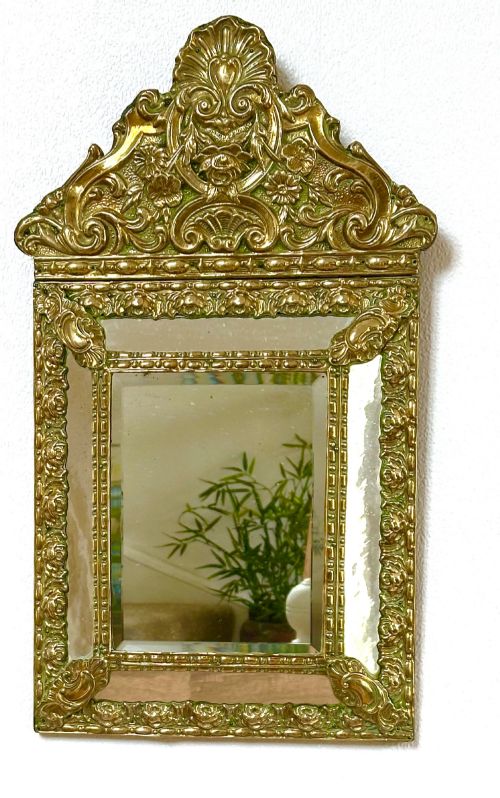
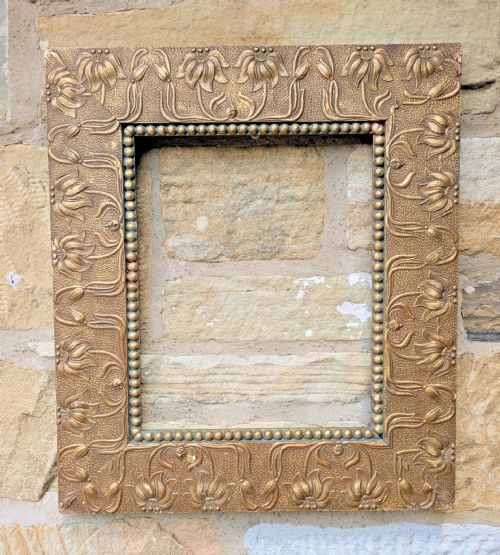
When you search for a gold border mirror, you encounter wall mirrors and picture frames spanning the nineteenth century alongside later twentieth-century examples. The selection draws on French Chateau, Victorian, Rococo Revival, Neoclassical, and Art Nouveau styles.
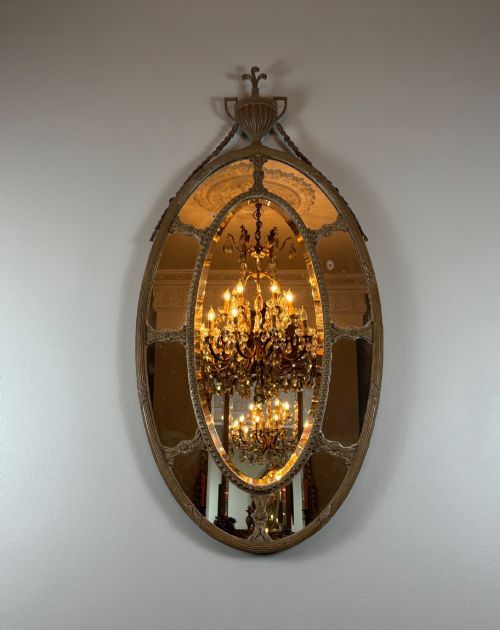
Most items you meet on this page date from the nineteenth century, including specific years like 1850, 1870, 1880, 1890, and 1900, as well as Regency periods. Forms range from large oval border glass mirrors with urns and swags to marginal mirrors and French panel mirrors.
How they were made
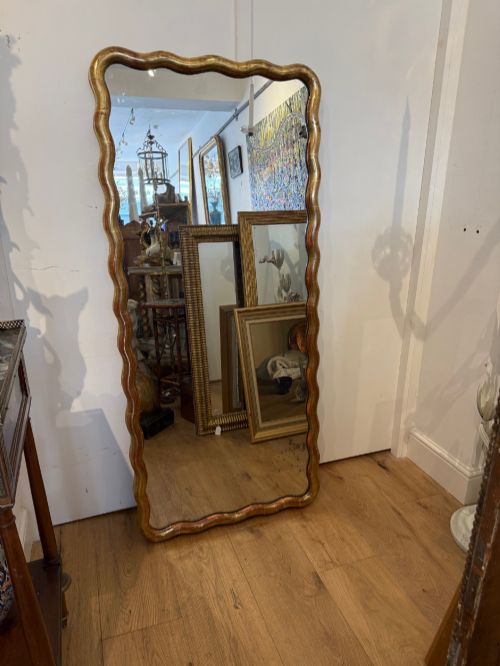
Construction relies heavily on giltwood, gesso, and wood frameworks, often utilising painted silk, brass, and gilt metal details. Artisans shaped these materials into rope twists, wavy edges, and margin-edged cobalt blue glass.
Makers combined traditional glass plates with elaborate wooden and gesso structures, applying gold leaf or gilding to achieve the signature reflective border aesthetic.
Cobalt blue glass margins offer a colourful alternative to traditional clear borders.
What varies in quality
The sophistication of the carved ornament, such as hand-formed urns, swags, and rope twist motifs, separates simpler frames from more ambitious works. The integration of specialised elements like cobalt blue glass or painted silk panels also defines the upper tier.
Finishing techniques, from the depth of the gilding on gesso to the preservation of original wood and glass components, dictate the character and visual impact of each piece.
The Gold Border Mirror Glossary
- Giltwood
- Wood that has been treated with a thin layer of gold leaf. This material forms the primary structure for many decorative frames.
- Gesso
- A plaster-like mixture applied to wood surfaces and carved before gilding. It allows for intricate relief ornamentation.
- Girandole
- A wall mirror featuring attached candle branches or sconces. These pieces reflect candlelight to brighten dark rooms.
- Marginal mirror
- A mirror style featuring a central glass plate surrounded by smaller border panes. The segmented edges create extra light refraction.
Gold Border Mirror: Frequently Asked Questions
Where should I hang a border mirror?
These mirrors work best above mantelpieces, in hallways, or across from windows to maximise natural light. Their decorative frames serve as focal points in reception rooms.
Ensure the wall fixings match the weight of the giltwood or wooden frame to support the piece securely.
How do I clean a giltwood frame?
Dust the carved gesso and giltwood surfaces gently with a soft, dry brush. Avoid liquid cleaners that can damage historic gold leaf.
Take care near the mirror plate to prevent moisture from seeping behind the glass edge.
Are these mirrors heavy?
Many nineteenth-century examples utilise dense wood and gesso cores, making them substantial objects. Proper wall anchors are essential for safe hanging.
Checking the reverse of the frame reveals the construction method and helps determine the required hardware.
How do I identify a Regency style mirror?
Regency pieces often incorporate classical revival motifs, Neoclassical details, and specific architectural symmetry. They reflect early nineteenth-century design priorities.
Examining the joinery and framing materials provides clues to the manufacturing period.