


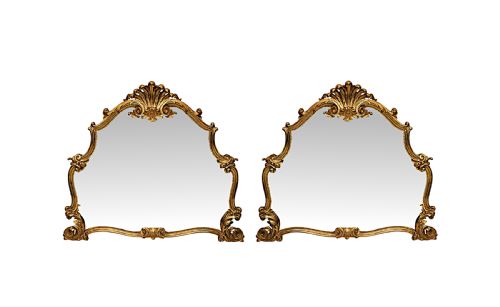


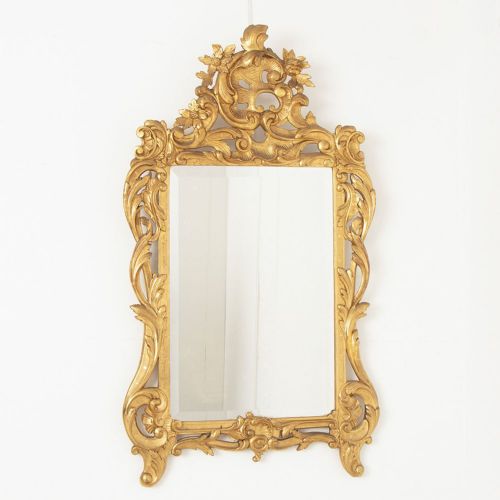


Baroque Style Pier Mirror
These baroque style pier mirror pieces bring grand historic presence to a room, offering ornate carved detail and striking reflection.
Baroque Style Pier Mirror
When you search for a baroque style pier mirror, you encounter imposing wall pieces and console arrangements designed to anchor the space between windows or above mantelpieces. The listings present examples stretching from the nineteenth century into the early twentieth century, spanning Italian and French aesthetics.
Most items you meet on this page are carved giltwood or gesso wall mirrors and console combinations. They draw upon Rococo Revival and French Baroque traditions, bringing substantial scale and decorative carving into domestic interiors.
Materials and construction
The makers of these pieces relied primarily on timber foundations such as pine and carved wood, built to support heavy ornamentation. Artisans applied layers of gesso to shape intricate scrolls, foliage, and crests before finishing the surfaces.
Gilding with gold leaf provided the characteristic brilliant metallic sheen that defines much of the inventory. Glass plates were set within these ornate frames, sometimes accompanied by marble top components on console elements.
Baroque Style Pier Mirror Retail Price Guide 2026
Typical asking prices for baroque style pier mirror among the pieces listed under this phrase on Sellingantiques today, from the lower quarter to the upper quarter. They describe what is for sale here now, not the wider market.
Listings span the nineteenth and early twentieth centuries, featuring materials such as giltwood, gesso, carved pine, and marble.
Judging quality in these mirrors
Quality rests in the crispness and depth of the wood carving, where skilled hands achieved fluid lines and balanced proportions. Finer examples display meticulous relief work in the gesso and precise application of gold leaf.
The integration of original glass plates and structural stability also distinguish superior pieces. Greater artistic ambition in the scrollwork and crests elevates certain mirrors above simpler production.
The Baroque Style Pier Mirror Glossary
- Giltwood
- Wood that has been coated with gold leaf or gold paint. This technique gives frames a rich, reflective metallic appearance.
- Gesso
- A plaster-like mixture applied to wood surfaces as a base for carving and gilding. It allows craftsmen to model intricate three-dimensional ornamentation.
- Pier glass
- A large mirror designed to hang on the pier, which is the wall space between two windows. These tall glasses amplify natural light in grand reception rooms.
- Console table
- A table supported by wall brackets or consoles, frequently paired beneath large mirrors. They often feature decorative marble tops in historical interiors.
Baroque Style Pier Mirror: Frequently Asked Questions
Where should I hang a pier mirror?
These mirrors traditionally occupy the wall space between two windows, reflecting light back into the room. They also work effectively above a fireplace or console table.
Because of their substantial weight and scale, they require secure wall fixings and adequate vertical clearance to display their carved crests properly.
How do I clean a giltwood frame?
Dust the carved wooden surfaces gently with a soft, dry brush to prevent accumulation in the crevices. Avoid using liquid cleaners or abrasive cloths, which can damage the delicate gold leaf finish.
Keep the glass clean with standard glass cleaner applied to a cloth rather than sprayed directly onto the frame.
Are these mirrors French or Italian?
The inventory includes both French and Italian influences, encompassing French Baroque styles alongside Italian Rococo Revival pieces. Italian examples often feature pronounced carved giltwood frames and crests.
Distinguishing between them usually depends on the specific carving motifs and regional decorative traditions recorded in the piece details.
What period do these mirrors date from?
The pieces listed here span the nineteenth century and extend into the early twentieth century, including revival styles from around eighteen hundred to nineteen hundred and ten.
They emulate earlier Baroque and Rococo aesthetics while being constructed during the Victorian and Edwardian eras.