



Large Decorative Porcelain Vases
Large decorative porcelain vases command attention in a room, offering substantial scale and hand-painted detail from the nineteenth and early twentieth centuries.
Large Decorative Porcelain Vases
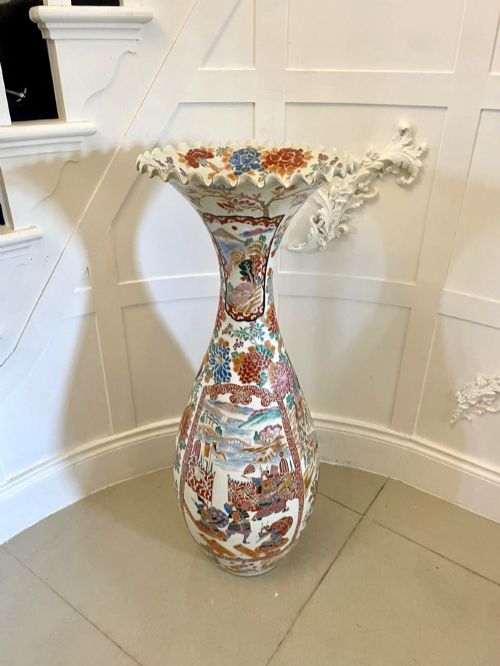
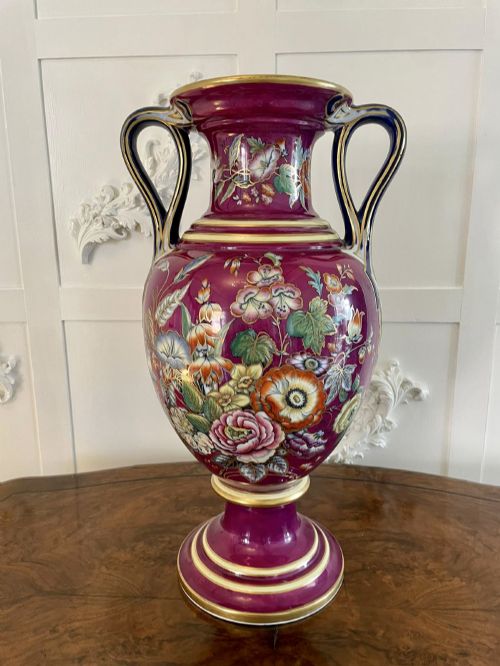
Large decorative porcelain vases include imposing floor-standing vessels, monumental pairs, and covered urns originating from nineteenth-century Europe and Asia. When you search for this phrase, you meet significant works spanning Japanese Satsuma and Imari production, Chinese famille rose, and European manufactories.
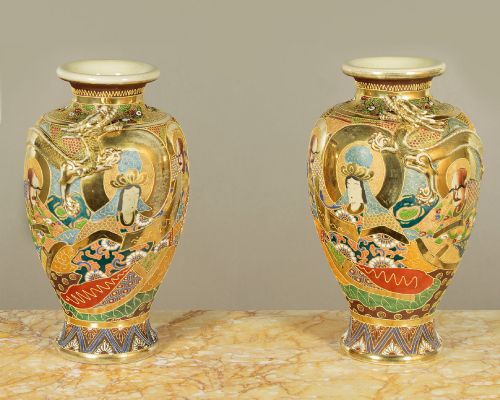
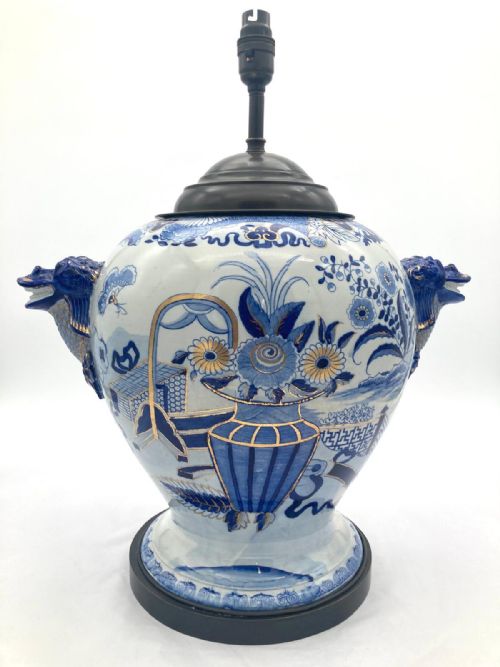
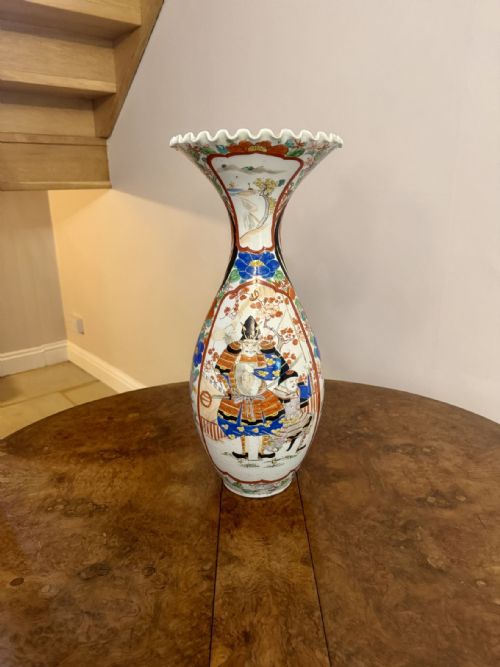
The most common versions on this page are Japanese Imari and Satsuma pieces from the Meiji period, alongside nineteenth-century Chinese vases and European porcelain garnitures. Forms range from classical baluster shapes and moon flasks to tall floor vases and ewers, occasionally converted into lamps.
Originating from diverse traditions, these pieces serve as focal points in interiors. They combine decorative ambition with utilitarian ceramic forms, representing major stylistic movements from Victorian Britain to Qing dynasty China and Meiji Japan.
Materials and technique
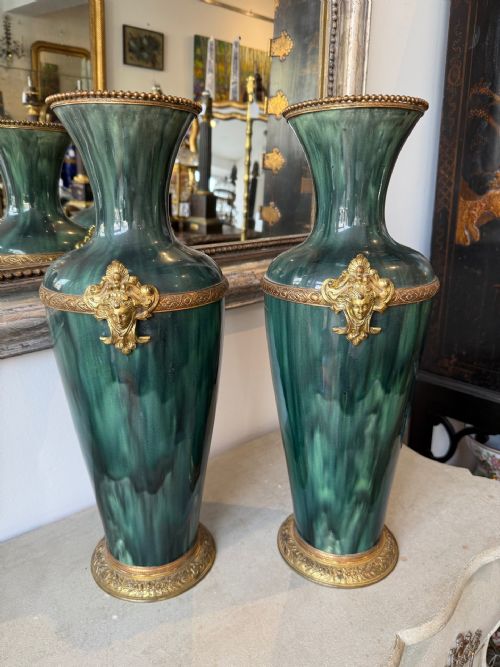
Potters shaped these vessels using porcelain, ironstone, and earthenware bodies, which were then fired at high temperatures. Many examples incorporate intricate hand-painted enamels, underglaze blue, and rich applications of gold leaf or gilt bronze mounts.
Listings feature nineteenth-century production alongside pieces dated around nineteen hundred, utilising materials including gilt bronze, enamel, and porcelain.
Quality and execution
The weight and balance of the porcelain body, along with the crispness of the moulding on handles and covers, separate standard production from exceptional pieces. In mounted pieces, the quality of the ormolu or gilt bronze fittings provides a further indicator of workshop standards.
Royal Doulton·Royal Worcester·Hicks and Meigh·Paul Dachsel Amphora·Royal Dux
The Large Decorative Porcelain Vases Glossary
- Imari
- A style of Japanese export porcelain decorated in underglaze blue, iron red, and gold. This palette creates a rich, patterned surface that proved immensely popular in European interiors.
- Satsuma
- A type of Japanese earthenware featuring a crackle-glaze ivory body decorated with polychrome enamels and gilding. These pieces frequently depict intricate figural scenes and courtly processions.
- Famille Rose
- A major palette of Chinese ceramic glazes introduced in the eighteenth century, characterised by an opaque pink enamel. The style continued to influence export porcelain throughout the nineteenth century.
- Garniture
- A set of three or more matching vases or urns designed to be displayed together on a mantelpiece or cabinet. These sets often combine lidded and open vessels of graduating heights.
- Potpourri
- A decorative vase or jar featuring a pierced lid designed to diffuse scented dried plant material into a room. French and English makers produced elaborate porcelain examples mounted in gilt bronze.
- Baluster
- A vase form characterised by a rounded body that tapers toward a narrow neck and base, resembling an architectural column. This classic shape provides a stable foundation for complex surface decoration.
Large Decorative Porcelain Vases: Frequently Asked Questions
How do I style a large floor vase?
Large floor vases command spatial presence and work best positioned in empty corners, entrance halls, or beside fireplaces. Keep surrounding furniture minimal to let the scale and painted surface remain the visual focus of the room.
Avoid placing them in high-traffic pathways where accidental knocks might occur. Pairing symmetrical urns on either side of a console table creates a formal balance derived from nineteenth-century display traditions.
How do I tell Satsuma from Imari?
Satsuma ware utilises an ivory-coloured earthenware body covered in a fine crackle glaze, typically painted with dense figural scenes in matte enamels and raised gold. You can easily distinguish it by its matte, tactile surface texture.
Imari ware is a hard porcelain rather than earthenware, featuring a resonant ring when tapped. Its palette relies on cobalt blue under the glaze combined with iron red and gilt highlights over the glaze.
What is a porcelain garniture?
A garniture is a matched set of three, five, or seven vases and urns created to stand in a symmetrical line across a chimney piece or sideboard. Originating in Chinese export workshops, the fashion spread across European factories during the nineteenth century.
Complete surviving sets usually feature alternating heights and shapes, such as three lidded jars flanked by two beaker vases. Keeping a complete garniture together preserves its historical display context.