

Large Chimney Mirror
A large chimney mirror commands a room, reflecting light from a grand hearth across period interiors.
Large Chimney Mirror
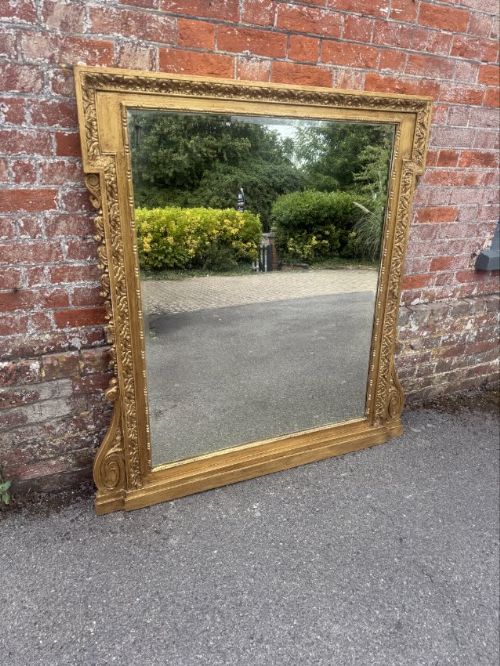
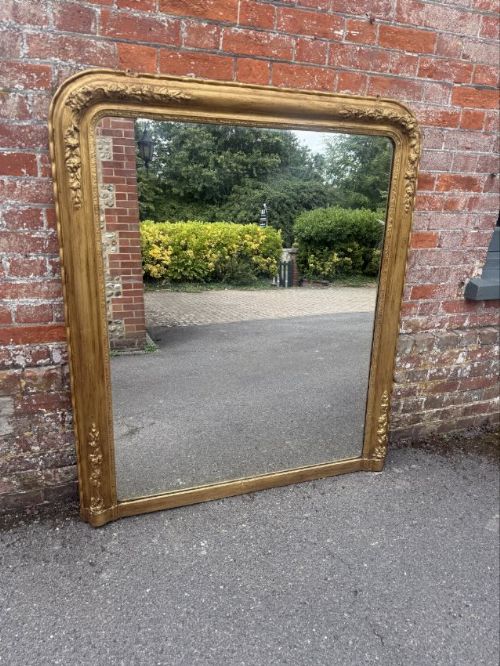
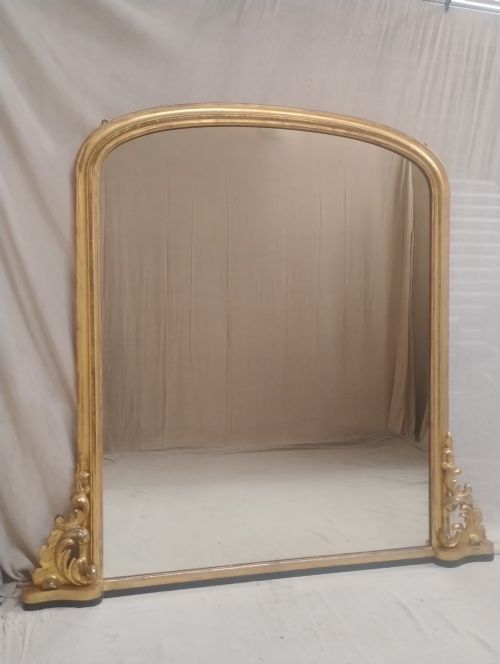
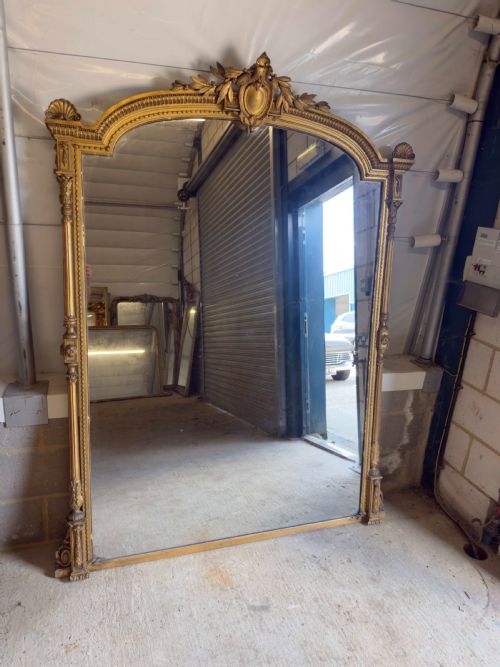
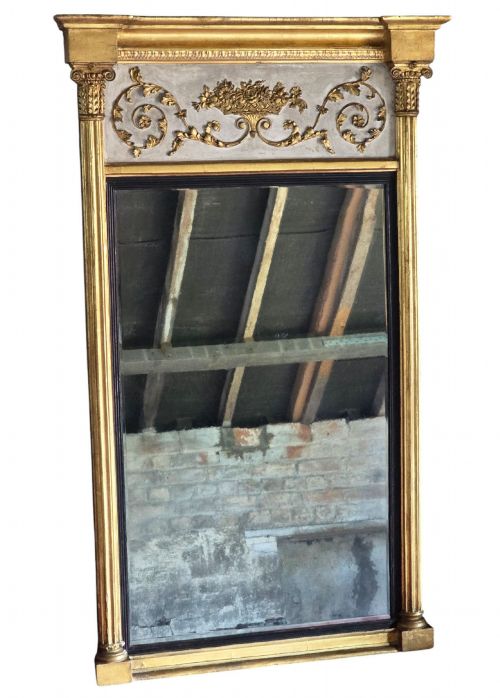
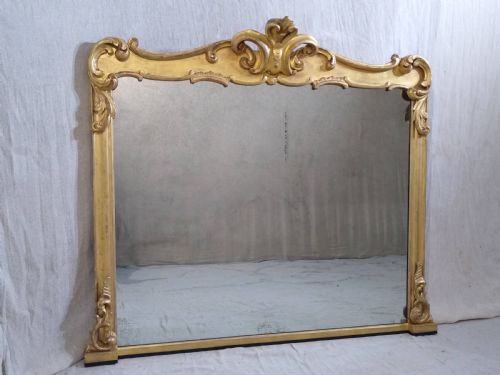
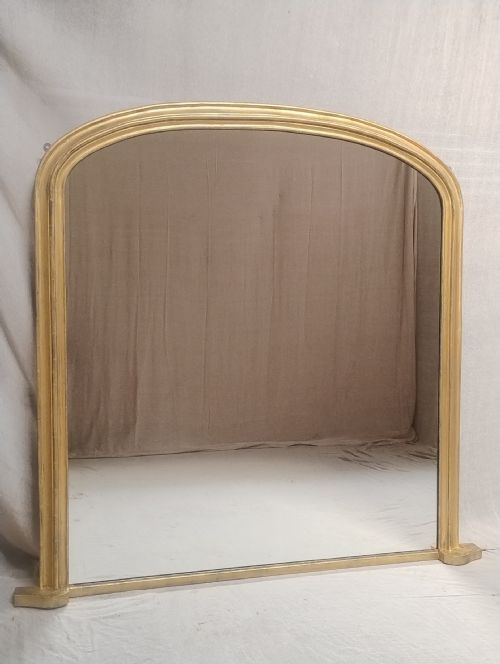
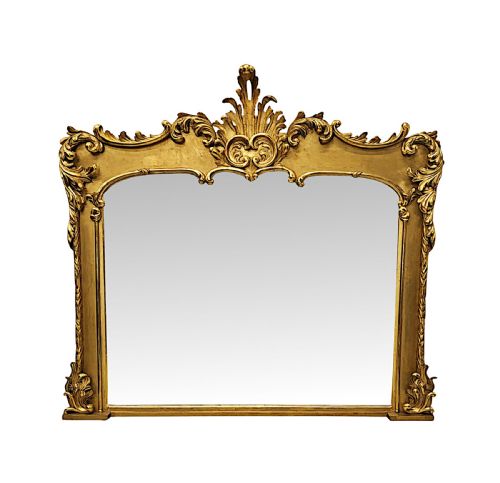
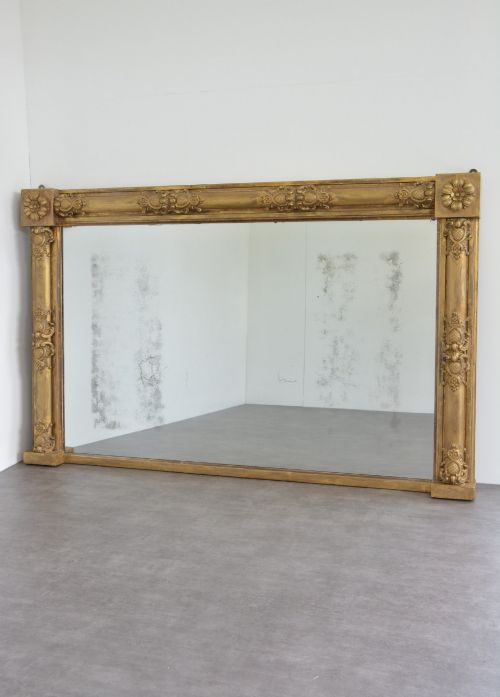
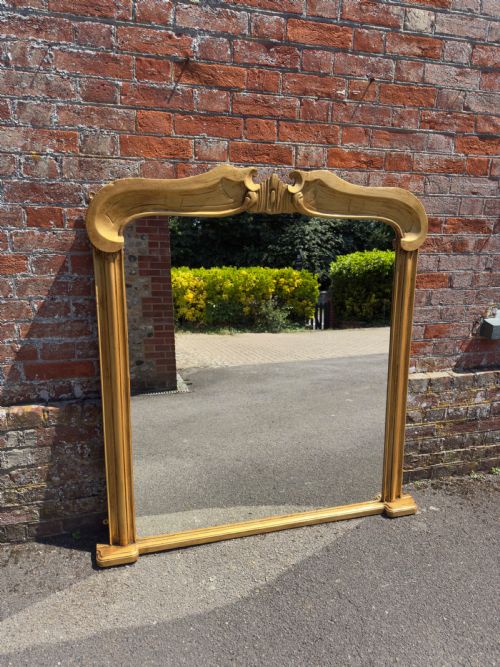
A large chimney mirror is a substantial looking-glass designed specifically to hang above a fireplace mantelpiece. The pieces matching this phrase on this page are predominantly nineteenth-century overmantel mirrors originating from English workshops, alongside Regency and Victorian examples.
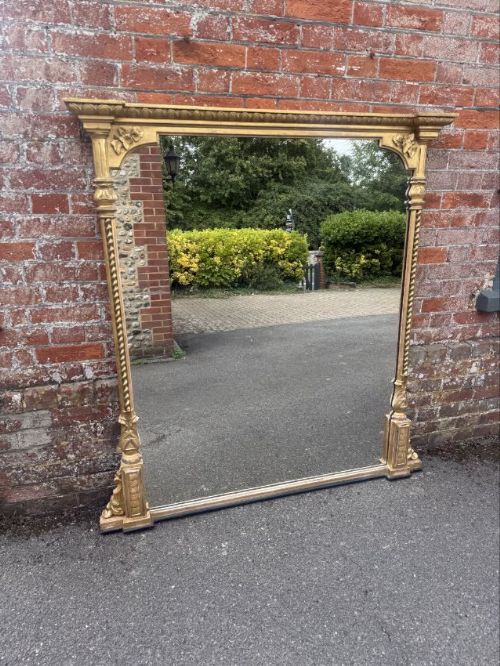
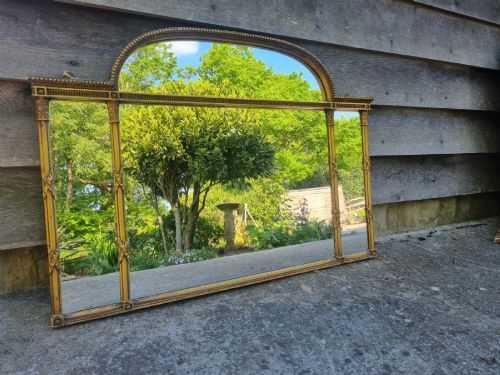
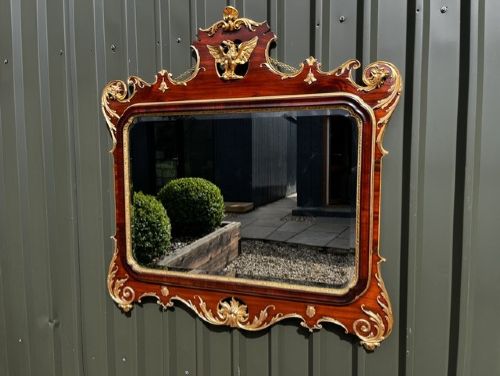
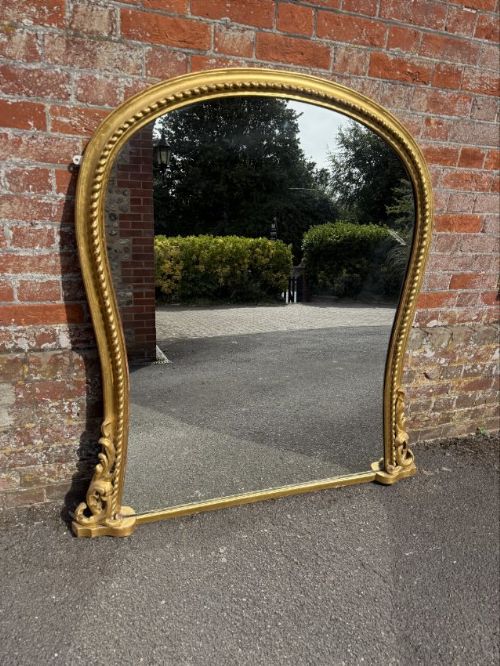
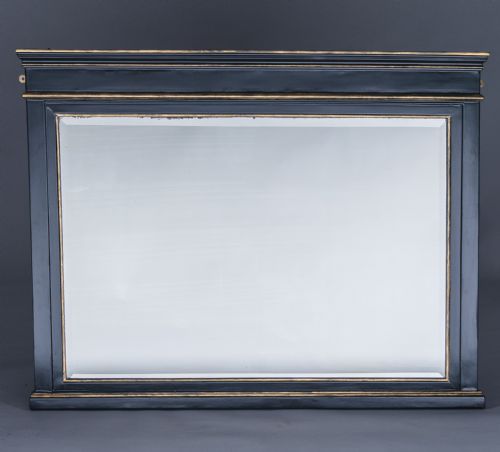
Buyers encounter arched top, shaped top, and rectangular formats framed in carved wood and gesso with bright gilt surfaces. These items dominate the selection, spanning styles from Neoclassical and Rococo Revival to Chippendale and Edwardian interpretations.
Makers shaped these frames to anchor high-ceilinged reception rooms, utilising wide proportions that span the width of a typical chimney breast. The surviving examples demonstrate how nineteenth-century houses utilised reflective glass to multiply candlelight and daylight in principal rooms.
How they were made
Craftsmen built the underlying structure using carved timber, applying layers of gesso to build up intricate relief decoration before gilding the surface with gold leaf. This combination created durable frames capable of holding heavy mirror plates securely above domestic hearths.
Makers incorporated composition ornament for repetitive decorative motifs such as rope twist borders, ribbed columns, and classical swags. Glaziers supplied heavy glass plates, which frequently exhibit light foxing and age spots after a century or more of exposure to domestic environments.
Certain Irish country house mirrors preserve whimsical hand-carved squirrel and bird motifs peeking out from the gilt foliage.
What varies in quality
The standard of a large chimney mirror rests in the crispness of its carved wooden ornament and the depth of the applied gesso relief. Superior examples display sharp contours and carefully burnished gold leaf surfaces that catch light evenly across the room.
Originality of the glass plate and backing boards distinguishes finer specimens from later restorations. Frames retaining their initial gilding without extensive overpainting demonstrate better preservation and greater fidelity to their period of origin.
The Large Chimney Mirror Glossary
- Overmantel mirror
- A large looking-glass specifically proportioned to hang on the wall directly above a fireplace mantel. These pieces were historically designed to complement the architecture of the chimney breast.
- Gesso
- A prepared mixture of chalk, gypsum, and binder applied to a wooden frame to create a smooth surface for gilding. Artisans carved intricate relief details directly into this hardened material.
- Giltwood
- Timber that has been coated with a thin layer of gold leaf or gold paint. This finish provided a rich, reflective surface popular in formal nineteenth-century reception rooms.
- Foxing
- Small brownish age spots and blemishes that develop within the silvered backing of antique mirror glass over decades. This natural oxidation process is valued by collectors as an indicator of age.
- Trumeau mirror
- A decorative wall glass set into a wooden panel or framed by architectural mouldings, often incorporating painted or carved scenes above the glass plate.
Large Chimney Mirror: Frequently Asked Questions
How do I hang a heavy overmantel mirror safely?
A large chimney mirror requires robust wall fixings anchored directly into masonry or secure wall studs to support its substantial weight. Professional installers use heavy-duty mirror brackets distributed across the lower frame to bear the primary load.
Positioning the base of the frame just above the mantel shelf ensures proper visual balance within the room. This placement also prevents the glass from sustaining heat damage from an active fireplace below.
How should I clean antique mirror glass?
Cleaning antique glass requires a soft, lint-free cloth and mild, non-ammonia cleaning solution applied sparingly. Harsh commercial sprays can seep behind the frame and damage the aged silvering.
Wiping gently prevents moisture from reaching the vulnerable edges of the mirror plate where original foxing occurs. Avoiding abrasive materials preserves the historic patina of the glass surface.
Can these mirrors be placed in dining rooms?
A large chimney mirror suits dining rooms well, reflecting candlelight and creating an expansive sense of space during evening meals. Their generous proportions serve as a strong focal point opposite a dining table or sideboard.
Matching the scale of the mirror to the surrounding wall space maintains visual harmony in larger reception areas. Placing the glass away from direct moisture sources protects the antique giltwood frame.