



Antique Hearth Mirror
An antique hearth mirror brings scale and reflection to a room, anchoring the fireplace wall with period character.
Antique Hearth Mirror
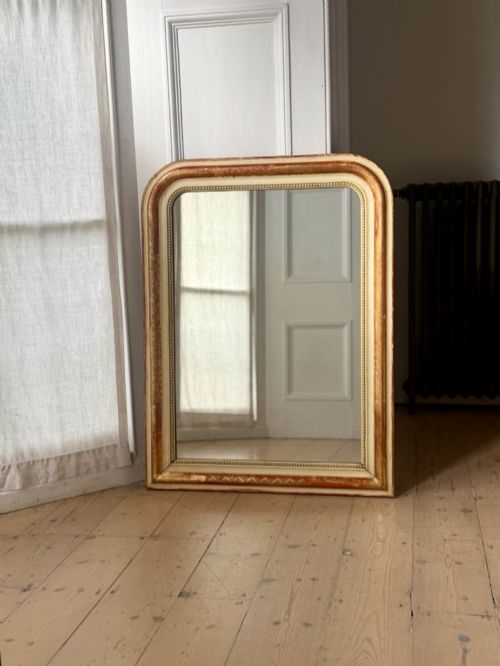
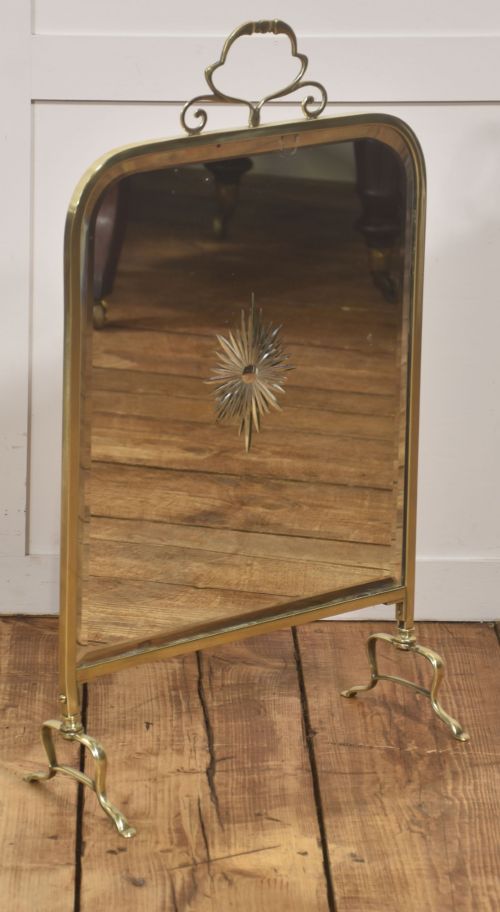
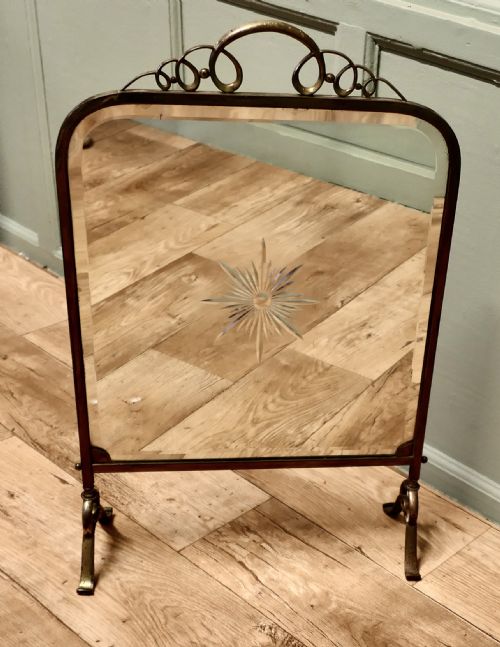
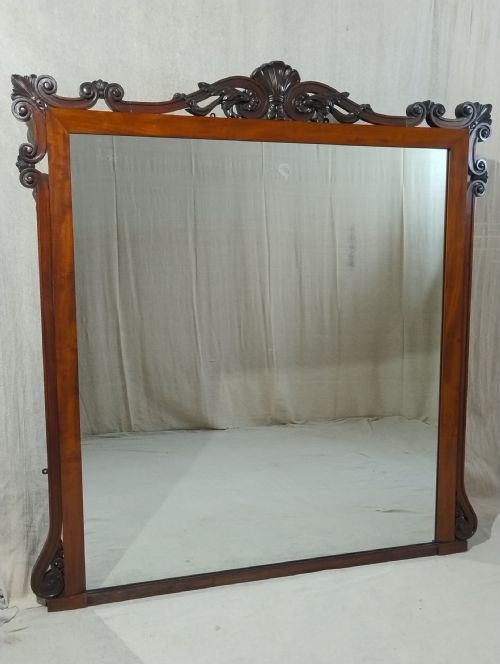
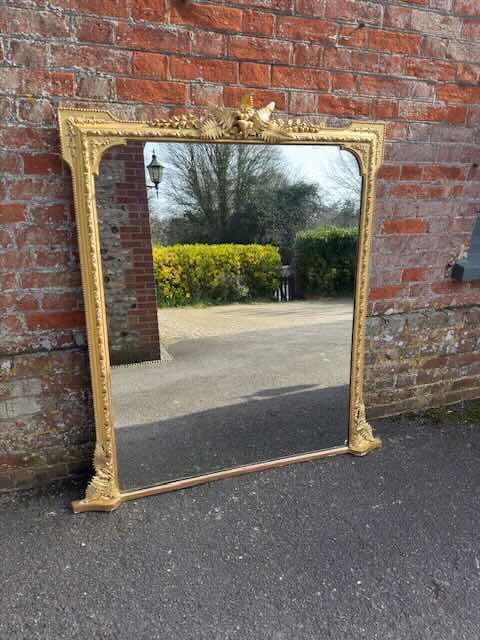
An antique hearth mirror encompasses substantial overmantel pieces designed to sit above a fireplace, alongside functional brass fire screens incorporating mirrored glass. These objects originate across the nineteenth and early twentieth centuries, spanning Victorian, Edwardian, and later modernist decades.
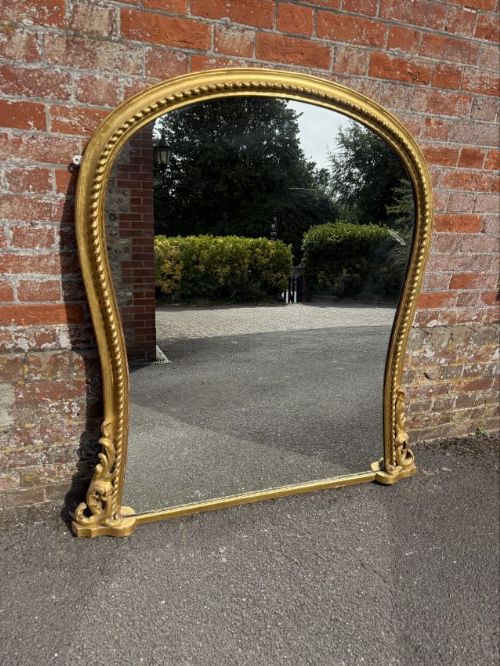
The overmantel variety dominates the selection, appearing in large formats with arched, shaped, or rectangular wooden frames finished in gilt, paint, or natural mahogany and oak. Fire screens provide a smaller alternative, positioning reflective glass behind brass frames in Art Nouveau and Art Deco designs.
Origins range from English workshops to French ateliers, incorporating styles from Rococo Revival curves to clean Arts and Crafts geometry. Buyers encounter these mirrors in various states of finish, from heavily gilded gesso to carved walnut and painted surfaces.
Materials and construction
Makers built the structural frames of these mirrors using hardwoods such as oak, mahogany, and walnut, often applying composition gesso and gold leaf to create ornate decorative mouldings. Overmantel pieces frequently employ heavy wooden backboards to support large sheets of reflective glass safely within the frame.
Metalwork characterises the fire screen versions, utilising brass for freestanding frames and copper for rectangular wall formats. Artisans combined these metallic elements with painted details, inlaid rosewood, and shaped mirror plates to create both decorative and protective fireside accessories.
Antique Hearth Mirror Retail Price Guide 2026
Typical asking prices for hearth mirror among the pieces listed under this phrase on Sellingantiques today, from the lower quarter to the upper quarter. They describe what is for sale here now, not the wider market.
Current listings feature pieces spanning the Victorian period, Art Nouveau, and Art Deco styles, utilising oak, mahogany, brass, and gilt gesso.
Assessing quality and craftsmanship
Quality reveals itself in the depth and crispness of the carved wood and gesso ornamentation, where skilled hand-modelling distinguishes superior pieces from standard production. The weight of the timber frame and the joinery used at the corners indicate the structural integrity built into the original manufacture.
The integration of the mirror plate within the frame also marks a difference in grade, with bevelled edges and original silvering showing higher craft standards. Material combinations, such as finely figured mahogany or intricate brasswork, separate utilitarian items from more ambitious decorative examples.
The Antique Hearth Mirror Glossary
- Overmantel Mirror
- A large mirror designed specifically to hang on the wall directly above a fireplace mantelpiece. These pieces often feature wide timber frames shaped to fit the proportions of chimney breasts.
- Gesso
- A plaster-like mixture applied to wood frames and then carved or moulded before gilding with gold leaf. This technique creates the ornate relief decoration seen on nineteenth-century gilt pieces.
- Fire Screen
- A freestanding barrier placed before an unused fireplace to block the hearth opening. Many Victorian and Art Nouveau examples incorporate reflective glass or brass panels.
- Gilding
- The application of gold leaf or powder to a prepared surface such as wood or gesso. It provides a luminous metallic finish characteristic of revivalist frames.
- Purdonium
- A decorative wooden coal box designed to store fuel beside the fireplace. These containers often feature inlaid lids and matching brass fittings.
Antique Hearth Mirror: Frequently Asked Questions
Where should an overmantel mirror be hung?
An overmantel mirror is traditionally mounted directly above the fireplace mantelpiece to reflect light and fill the vertical wall space. It can also be hung on any large, blank wall where its substantial proportions will act as a primary focal point.
Ensure the wall fixings are rated to support the considerable weight of a large wooden and glass frame. Positioning the piece opposite a window maximises the natural light it brings into the room.
How do I clean an antique mirror plate?
Clean antique mirror glass gently using a soft microfibre cloth and a mild, ammonia-free cleaning solution sprayed onto the cloth rather than directly onto the glass. This prevents moisture from seeping behind the plate and damaging the original silvering or wooden backing.
Avoid pressing too hard on fragile glass and keep liquids away from any exposed wood, gesso, or gilt edges. Regular dusting with a dry cloth is usually sufficient for general maintenance.
What is the difference between an overmantel and a wall mirror?
Overmantel mirrors are constructed with proportions and weight distribution specifically intended for placement above a fireplace mantel. Standard wall mirrors are generally lighter and designed for versatile placement across various rooms.
Overmantel frames frequently incorporate landscape orientations and heavy wooden backing boards to span wide chimney breasts safely.
Can a fire screen be used safely near heat?
Fire screens with brass and glass construction are primarily intended for unlit hearths to improve the appearance of the room during warmer months. Using them in front of an active, burning fire can damage the reflective backing and heat the metal frame.
Place the screen at a safe distance from any source of naked flame or intense heat to preserve the materials.