



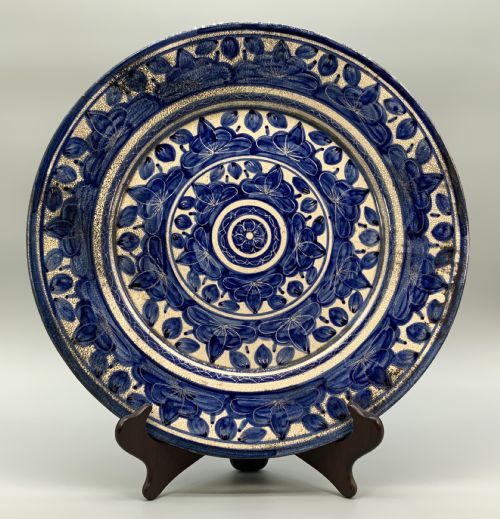
Large Ceramic Wall Plate
A large ceramic wall plate commands attention in a room, bringing depth and historical pattern directly to a blank wall.
Large Ceramic Wall Plate
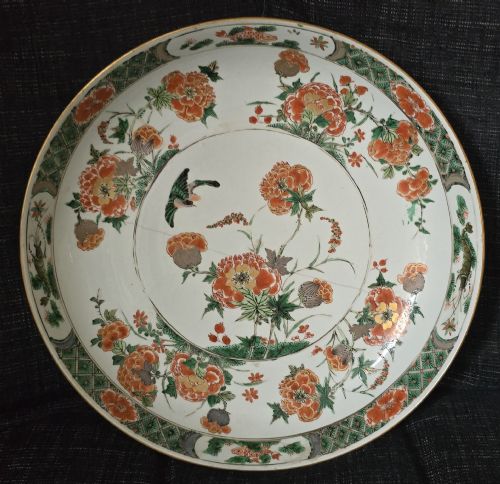
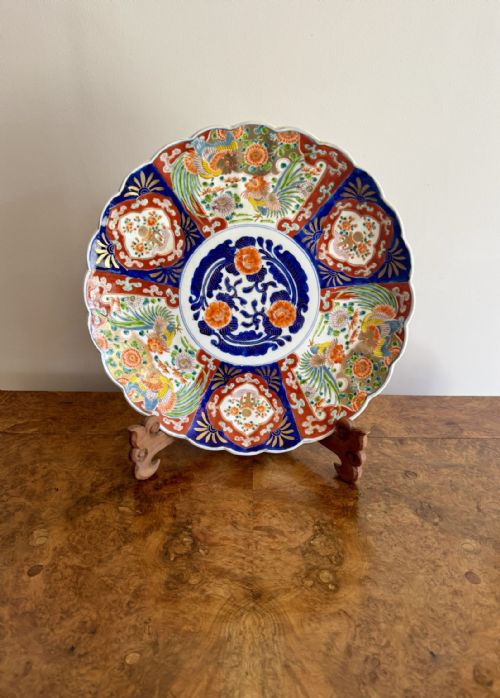
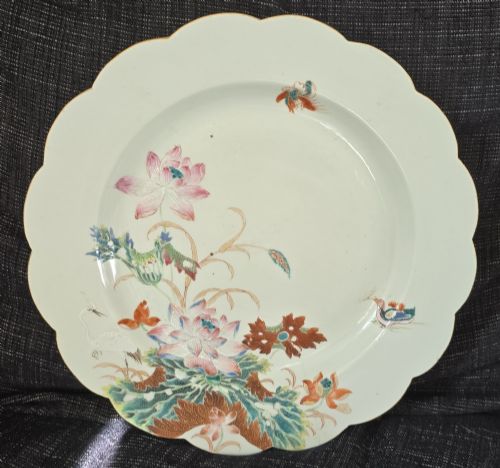
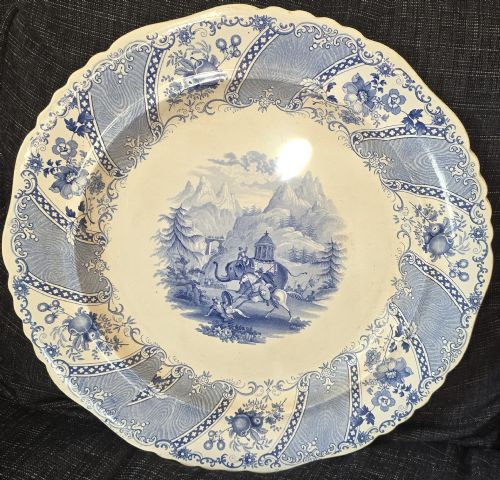
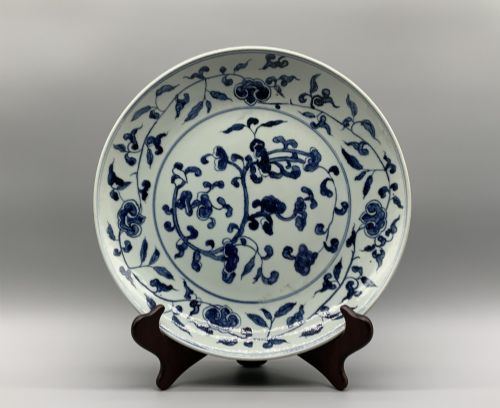
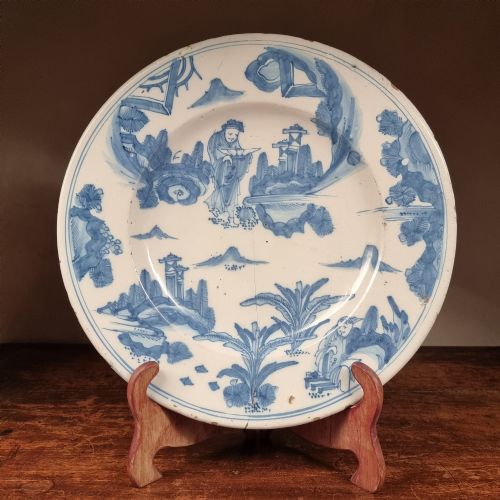
A large ceramic wall plate, often catalogued as a charger or decorative dish, serves primarily as a visual focal point rather than tableware. These substantial pieces span centuries of production, appearing in styles from seventeenth-century Delft and eighteenth-century Chinese porcelain to nineteenth-century Japanese Imari and twentieth-century tubelined earthenware.
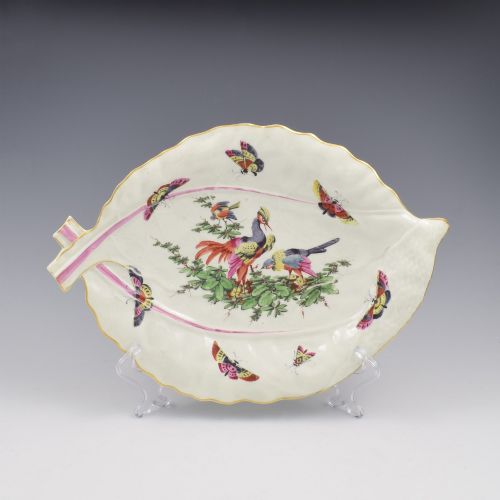
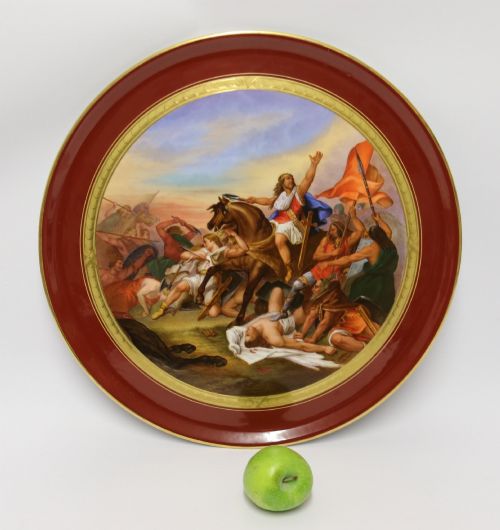
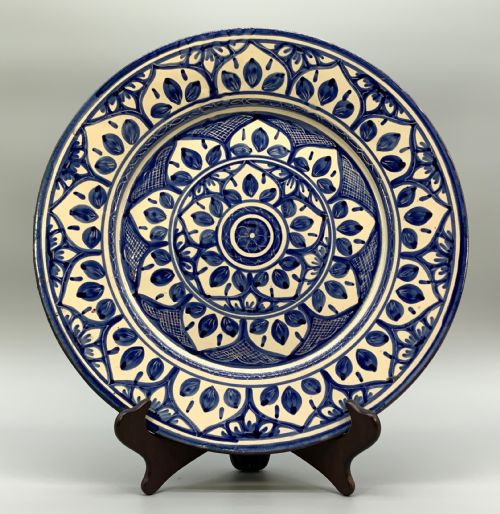
The selection here encompasses robust earthenwares, tin-glazed faïence, and fine porcelain bodies created across Europe and Asia. Buyers encounter traditional blue and white motifs alongside polychrome scenes, botanical studies, and complex heraldic or figurative compositions intended for vertical display.
How they were made
Potters shaped these wide plates using local clays or refined porcelain mixtures, often throwing them on a wheel or pressing them into moulds to achieve the necessary diameter and stability. Artisans applied tin-glazes, transparent lead glazes, or specialised enamels before firing the piece at high temperatures to vitrify the surface and fix the pigment.
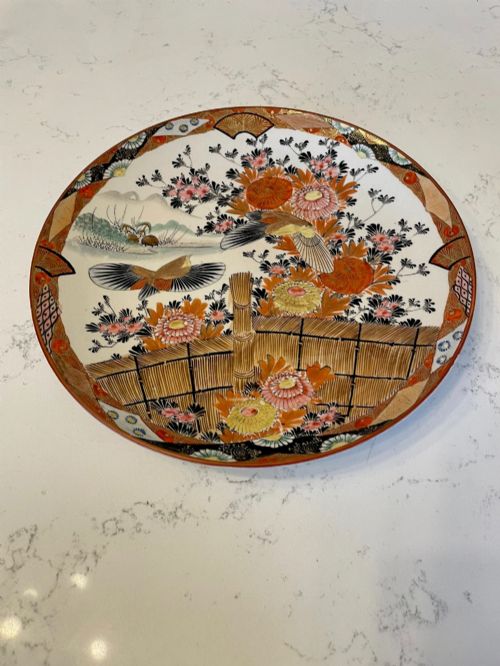
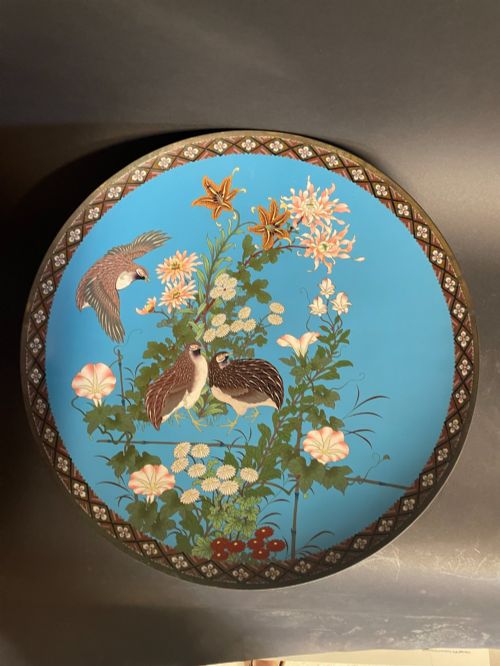
Decoration relied on hand painting, utilising cobalt oxides, polychrome mineral pigments, and occasionally gold leaf or raised moriage paste to build up texture. Certain traditions employed specialised tin-glazing techniques, while later workshops utilised tubelining to contain fluid glazes within distinct linear compartments.
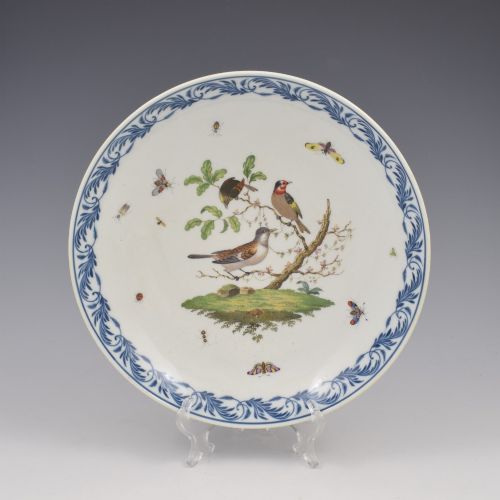
Several plates feature hand-painted songbirds gazing across the rim, quietly outlasting the centuries while frozen mid-chirp.
What varies in quality
The distinction between average and exceptional pieces lies in the crispness of the hand-painted brushwork and the ambition of the pictorial composition. Master painters executed detailed figures, plumage, and foliage with fluid confidence, whereas lesser examples show stiff, repetitive strokes and crowded margins.
Glaze purity and firing control also dictate overall standing, as superior pieces display even vitrification, vibrant colour saturation without clouding, and minimal kiln distortion across their wide diameters.
Charlotte Rhead Crown Ducal·Meissen Porcelain
The Large Ceramic Wall Plate Glossary
- Charger
- A large decorative plate or dish, traditionally exceeding standard dining dimensions and designed for display on tables or walls.
- Imari
- A style of Japanese porcelain featuring a distinct palette of underglaze blue, iron red, and gilt highlights, widely exported to Europe.
- Delft
- Tin-glazed earthenware produced in the Netherlands and other European centres, renowned for its absorbent white surface and blue painted decoration.
- Istoriato
- A narrative style of maiolica decoration depicting historical, biblical, or mythological scenes across the entire surface of the vessel.
- Moriage
- A decorative Japanese ceramic technique using layered clay slip to create raised, three-dimensional patterns on the surface.
- Grand Feu
- A ceramic firing method conducted at very high temperatures, allowing metal oxide pigments to fuse directly into the raw glaze.
Large Ceramic Wall Plate: Frequently Asked Questions
How were large ceramic wall plates hung historically?
Historically, large plates were often displayed on sideboards or dressers rather than hung directly on walls. When wall display was desired, specialised wire hangers or leather straps were fitted securely around the rim to support the substantial weight.
Modern collectors continue to use coated wire display springs, ensuring the tension holds the heavy ceramic body firmly without damaging the historical glaze or foot rim.
What is the difference between a charger and a plate?
A charger is substantially larger than a standard dining plate, usually measuring well over thirty centimetres in diameter. Because of this generous scale, makers treated the surface as a pictorial canvas rather than functional tableware.
Plates of this magnitude were designed to command visual attention from a distance, making them natural centrepieces for wall mounting or formal sideboard presentation.
Can these plates support daily use?
These large decorative pieces are intended exclusively for visual display and collection. The fragile nature of historical glazes, combined with the stress placed on wide rims, makes them unsuitable for serving food or routine handling.
Preserving the integrity of the surface decoration requires keeping the plate safely mounted on a wall or secured on a sturdy stable display stand.