





Large Blue White Plate
When you search for a large blue white plate, you encounter centuries of ceramic artistry shaped by global trade and domestic service.
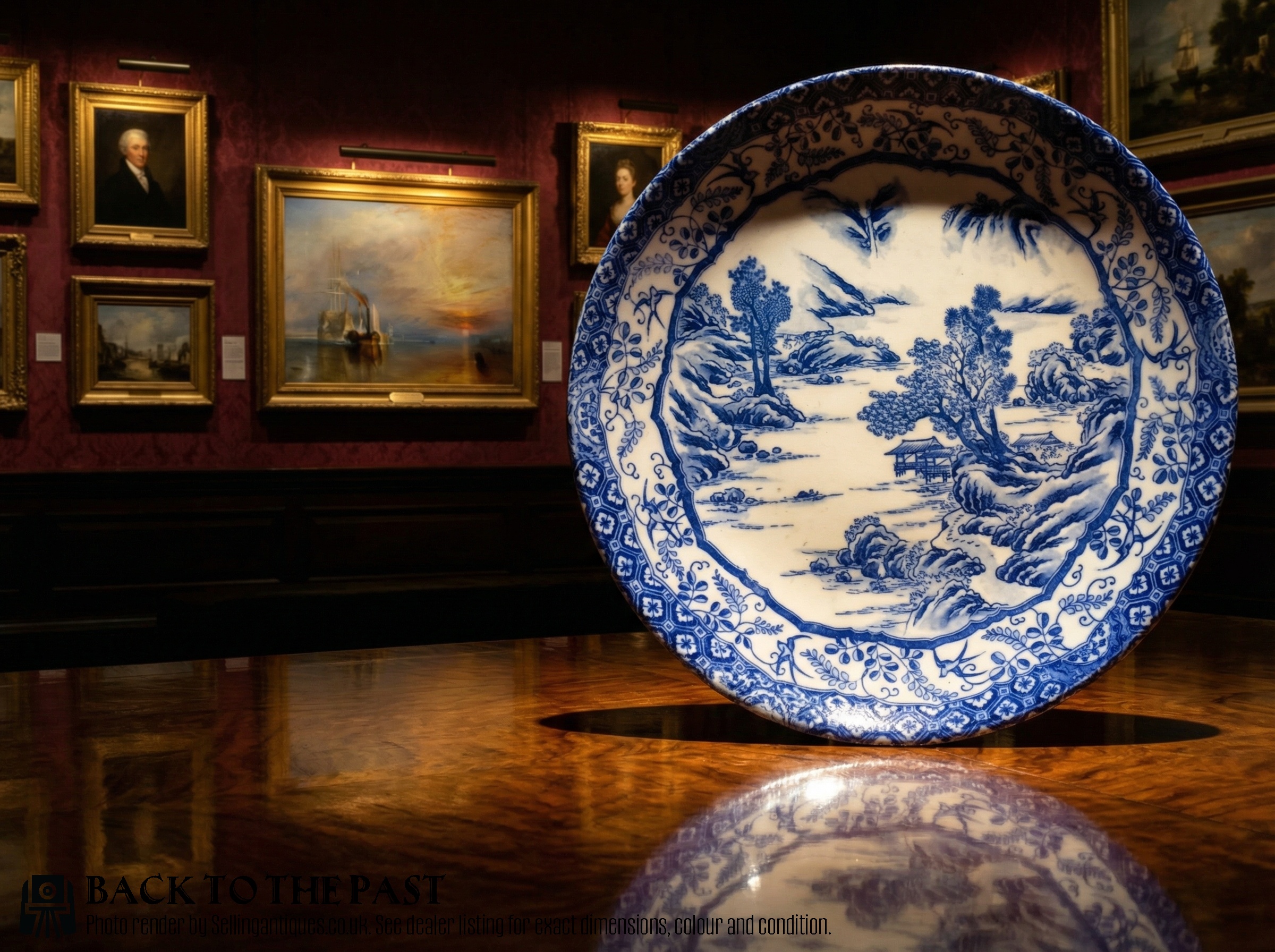
Large Blue White Plate
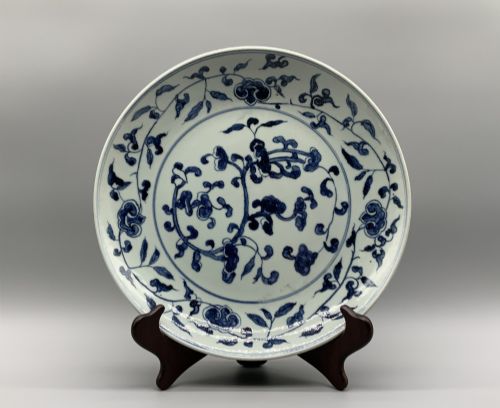
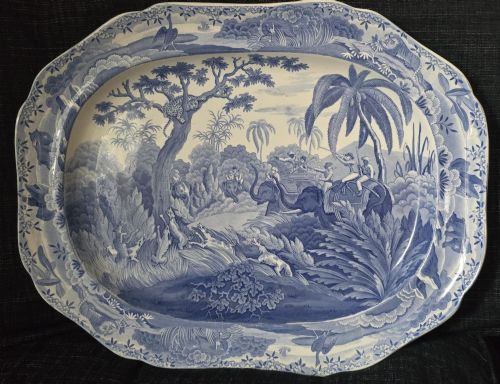
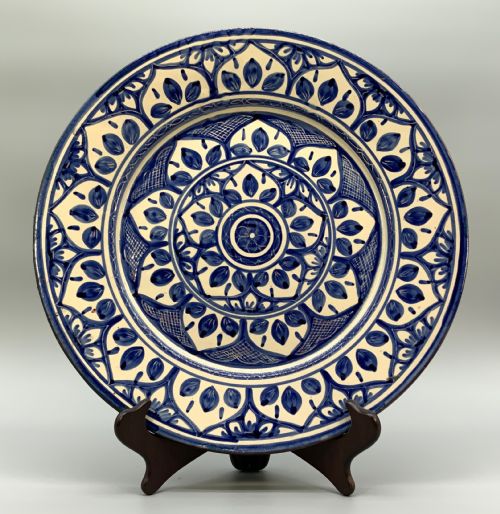
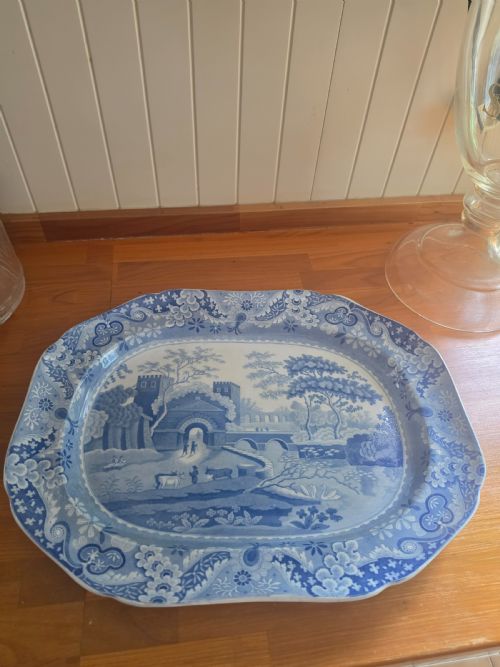
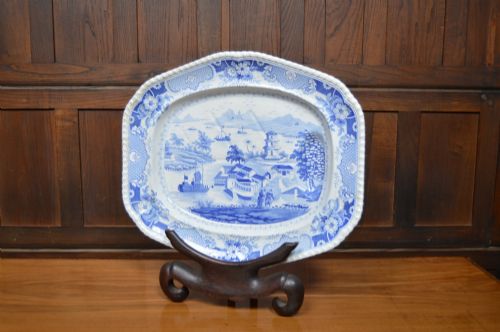
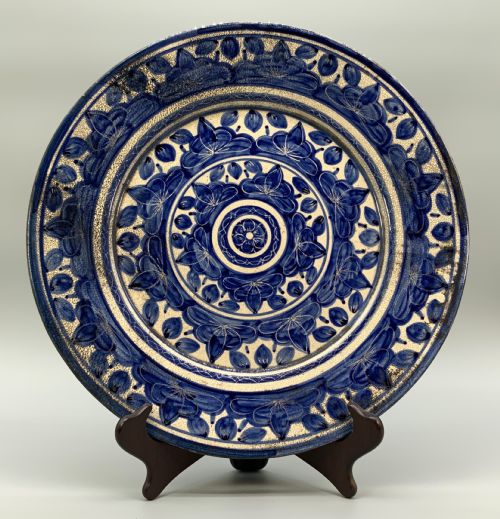
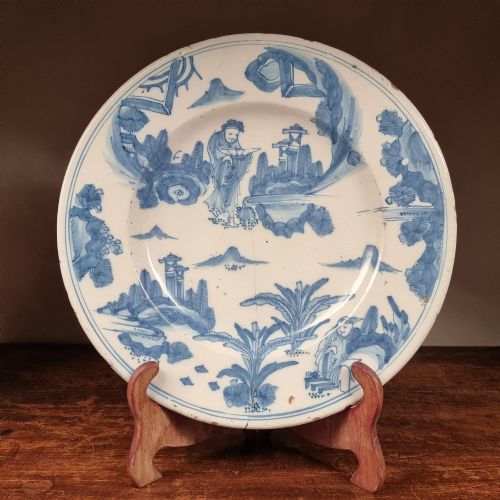
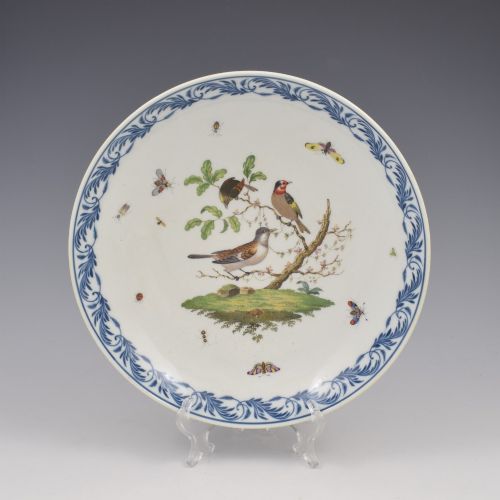
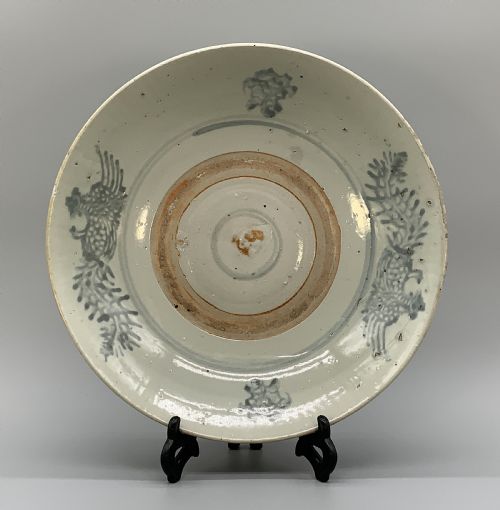
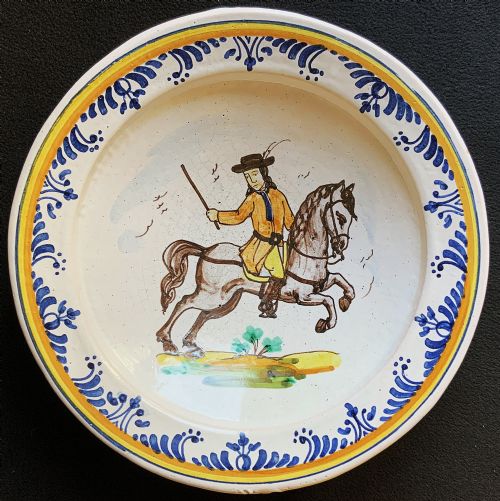
A large blue white plate encompasses substantial chargers, serving platters, and meat plates produced for display and heavy dining use across multiple centuries. These vessels take form as deep bowls, broad flat platters, and indented meat dishes designed to hold large joints or present decorative motifs.
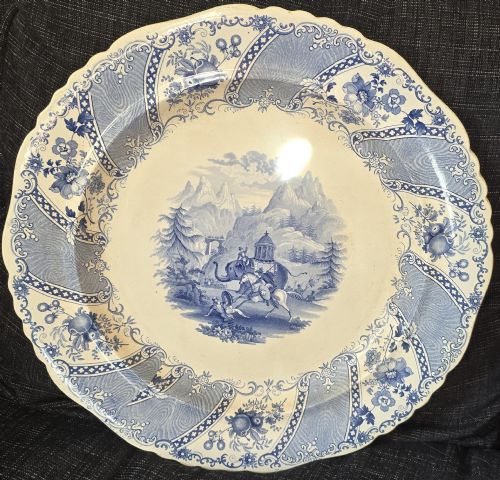
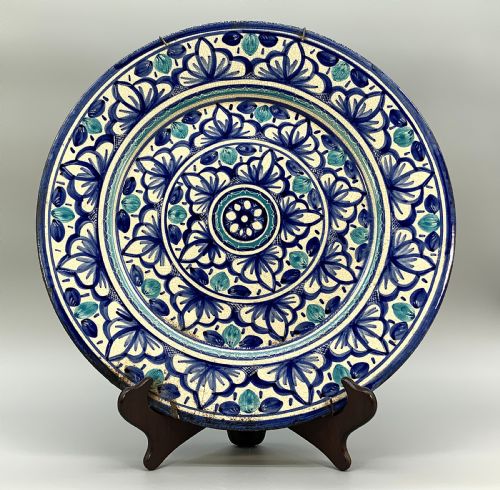
You are most likely to meet substantial Japanese Arita Imari chargers from the nineteenth century, English transferware meat platters from the Victorian era, and seventeenth or eighteenth-century Delft earthenware chargers on this page. Chinese porcelain from the Kangxi and Ming periods also appears alongside European earthenware adaptations in this palette.
Materials and construction methods
Potters utilised earthenware, stoneware, pearlware, ironstone, and porcelain bodies, applying cobalt pigment beneath transparent lead or tin glazes before firing. Tin-glazed earthenware and faience required a opaque white glaze layer that accepted cobalt painting directly prior to a final kiln fix.
Transfer printing developed during the eighteenth and nineteenth centuries, allowing workshops to apply complex copperplate engravings onto ceramic surfaces via tissue paper. Hand-painted examples relied on direct brushwork using cobalt pigment or enamel highlights on Japanese porcelain and Chinese wares.
Large Blue White Plate Retail Price Guide 2026
Typical asking prices for large blue white plate among the pieces listed under this phrase on Sellingantiques today, from the lower quarter to the upper quarter. They describe what is for sale here now, not the wider market.
Listings feature seventeenth-century Chinese porcelain alongside nineteenth-century British ironstone, Victorian transferware, and Japanese Arita Imari chargers.
Distinctions in craftsmanship and production
Quality separates through the crispness of the cobalt painting, the stability of the glaze during high-temperature firing, and the precision of the underlying ceramic body. Early hand-painted Chinese and Japanese porcelain shows confident brush strokes and deep cobalt saturation, whereas transfer-printed ironstone relies on exact alignment of the engraved pattern.
The weight and flatness of large chargers indicate the skill of the potter in preventing warping during kiln firing. Superior earthenware displays minimal kiln spurs and uniform glaze coverage across the entire reverse and face of the dish.
Spode·Meissen·Caughley·Copeland and Garrett·Minton·Herculaneum Pottery·Staffordshire
The Large Blue White Plate Glossary
- Charger
- A large decorative plate or shallow dish typically measuring over thirty centimetres in diameter. These pieces were originally used for ceremonial dining or displayed upright on sideboards.
- Transferware
- Pottery decorated by transferring a printed design from an engraved copper plate onto tissue paper and then onto the ceramic body. This technique dominated nineteenth-century industrial production.
- Tin-Glazed Earthenware
- Pottery coated with a white tin oxide glaze that provides an opaque surface for painting in cobalt blue and other metallic oxides. It encompasses Delft, Faience, and Majolica traditions.
- Kraak Porcelain
- Chinese export porcelain produced during the late Ming dynasty, characterised by radial panel divisions and central motifs of flowers or birds. It was extensively exported to Europe via maritime trade.
- Imari
- Japanese porcelain decorated in underglaze blue, iron red, and gilt, often featuring floral and brocade designs. This style was widely replicated by European factories.
Large Blue White Plate: Frequently Asked Questions
What were large blue white plates used for?
These large vessels served both practical dining functions and formal display purposes in domestic interiors. Meat platters accommodated large roasts and featured wells for collecting juices, while deep chargers stood upright on buffets to display wealth and artistic taste.
Export pieces from China and Japan arrived via maritime trade specifically for European reception rooms. Later nineteenth-century British earthenwares fulfilled heavy dining requirements in large Victorian households.
How do you date a Delft charger?
Seventeenth and eighteenth-century Delft chargers exhibit characteristic tin glazes, heavy earthenware bodies, and foot rims pierced for hanging. Examination of the glaze pooling on the reverse helps determine the firing era and kiln technology used.
Later revival pieces from the twentieth century often adopt Moorish or historical Continental patterns while maintaining lighter, more uniform modern ceramic bodies.
What is Japanese Imari porcelain?
Japanese Imari porcelain consists of wares produced in the Arita district, decorated in deep underglaze cobalt blue and contrasting iron red with gilt additions. These items were exported to Europe in large quantities from the late seventeenth century onward.
Later nineteenth-century Meiji period examples emulate these classic seventeenth-century palettes with heavy, bright enamels and elaborate foliate borders.
How should I display a heavy charger?
Large chargers require secure wall mountings or stable cabinet stands designed to bear substantial ceramic weight safely. Ensuring the hanging wire or display groove supports the entire foot rim prevents accidental slips.
Keeping pieces away from direct heat sources and high-traffic household areas protects the tin glaze and earthenware bodies from accidental impact.