



Large Bedside Lamp
These large bedside lamp examples bring substantial illumination and period presence to a room, offering both practical lighting and distinct historic character.
Large Bedside Lamp
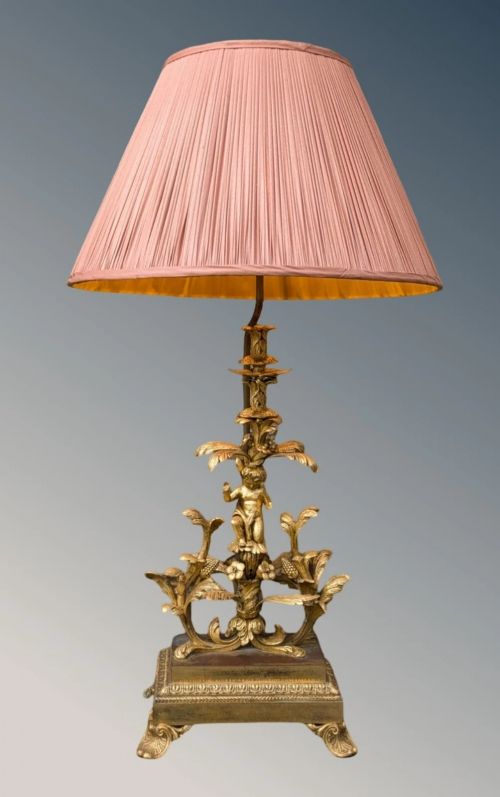
When you search for a large bedside lamp, you encounter a diverse selection of substantial lighting fixtures and occasional furniture designed for domestic use. The material record includes brass, ormolu, porcelain, silver plate, and carved marble originating across the nineteenth and early twentieth centuries.
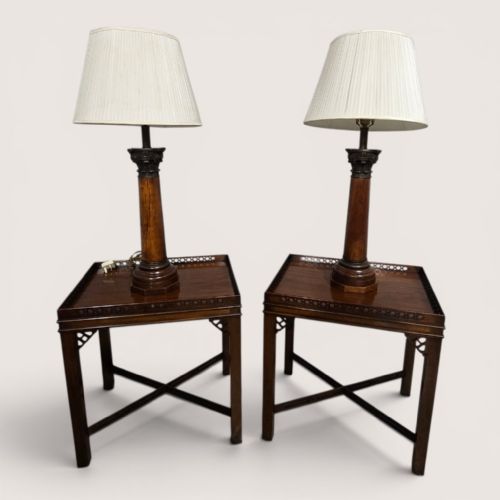
The objects span prominent design movements such as Art Deco, Victorian, Edwardian, and Neoclassical, alongside specialised items like converted candlesticks and vases. Pairs frequently appear, offering symmetry for flanking a bed or resting upon bedside tables and cupboards.
Forms incorporate distinct cultural influences, from French Rococo Revival and Chinoiserie to Japanese Satsuma and blue and white ceramics. Each piece fulfills a functional role while displaying the aesthetic priorities of its specific period of manufacture.
How they were made
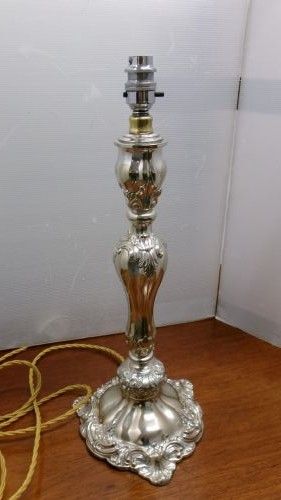
Metals such as brass, bronze, and ormolu undergo casting and gilding techniques to create structural bodies with decorative surface finishes. Silver plating is also applied to metallic foundations to achieve a reflective sheen.
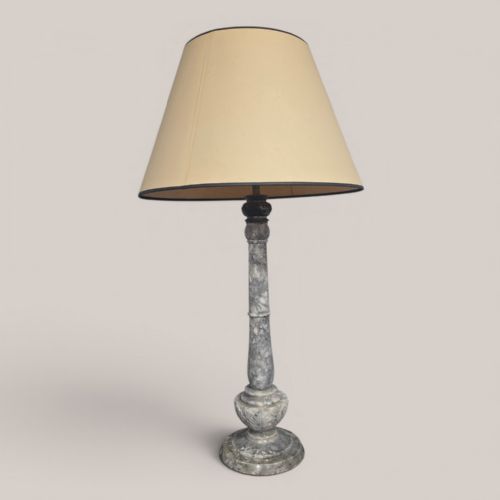
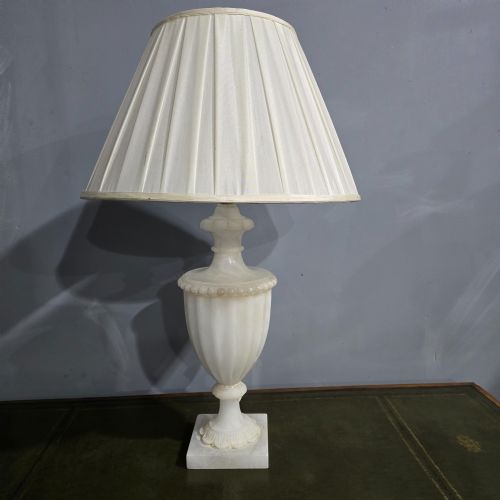
Natural materials like marble, alabaster, oak, mahogany, and walnut are selected for weight and grain, then shaped into columns, urns, and bedside furniture. Ceramics, porcelain, and glass are fired and hand-painted or glazed to form sculptural lamp bases and vases.
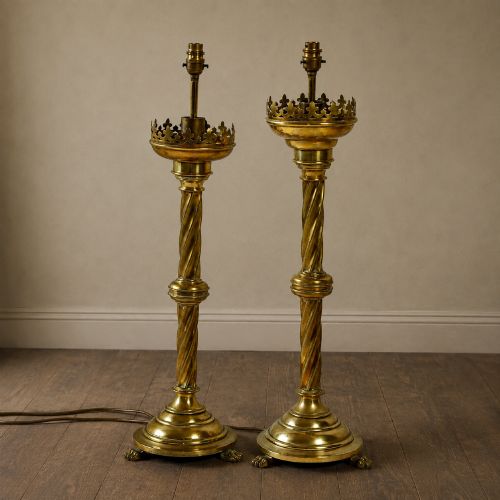
Several monumental pairs started life as unassuming candlesticks before receiving an electrical upgrade for the modern parlour.
What varies in quality
The refinement of the casting and carving defines the upper tier of pieces, where metalwork exhibits crisp chasing and stonework shows precise geometry. Inferior examples rely on softer surface detail and heavier, less articulate construction.
The integrity of the original materials separates standard production from exceptional work, particularly in the depth of ormolu gilding and the purity of Paris porcelain or Japanese Satsuma bodies. Superior items retain their original mounts and harmonious proportions without clumsy alterations.
Eileen Grey·Palmer Co
The Large Bedside Lamp Glossary
- Ormolu
- A gilded bronze technique used extensively for decorative mounts on nineteenth-century bases. It involves applying a finely ground high-carat gold mercury amalgam to a bronze object.
- Satsuma
- A type of earthenware originating from Japan, typically decorated with intricate enamel and gilt patterns over a crackle-glazed ivory ground. These ceramics are frequently converted into impressive table lamps.
- EPNS
- Electroplated Nickel Silver, a common nineteenth- and twentieth-century method of coating a base metal alloy with a thin layer of silver. This process provided the appearance of solid silver at a lower production cost.
- William IV
- A British design style bridging Regency and early Victorian aesthetics, characterised by robust classical proportions and dark timbers like mahogany. Pieces from this era display heavy, assured forms.
Large Bedside Lamp: Frequently Asked Questions
How do I style a large bedside lamp?
These substantial pieces require sturdy surfaces such as wide bedside tables, chests, or cupboards to support their physical weight and visual mass.
Pair them with complementary textiles and proportionate shades to balance the overall height and width within the bedroom scheme.
Are these lamps converted from older objects?
Many examples originate as candlesticks, vases, or urns that have been subsequently adapted for electrical illumination during the twentieth century or earlier.
This conversion process preserves historic decorative arts, allowing antique porcelain and bronze vessels to function as practical modern lighting.
What periods do these lamps represent?
The inventory spans the nineteenth and early twentieth centuries, encompassing Victorian, Edwardian, and Art Deco eras alongside earlier stylistic revivals.
Neoclassical, Gothic Revival, and French Chinoiserie motifs appear frequently across both metal and ceramic constructions.