



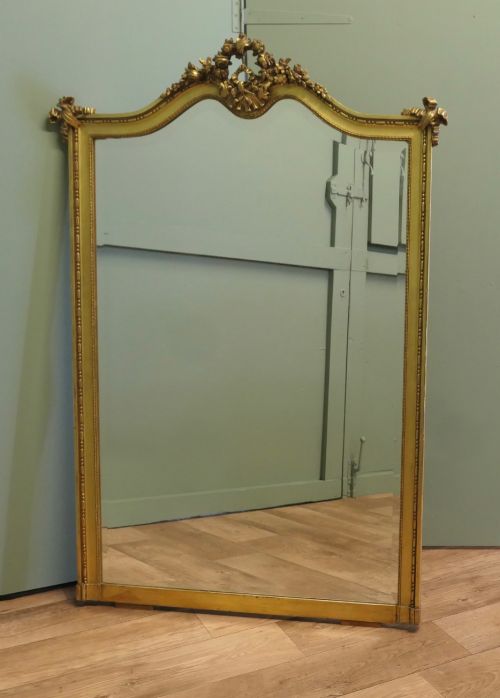
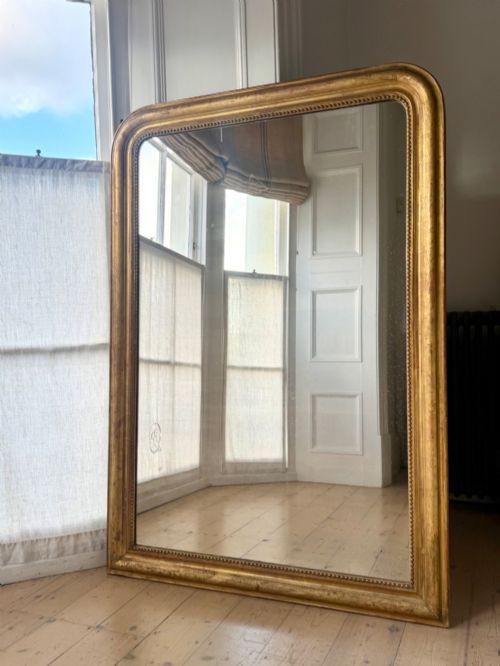
Large Arched Wall Mirror
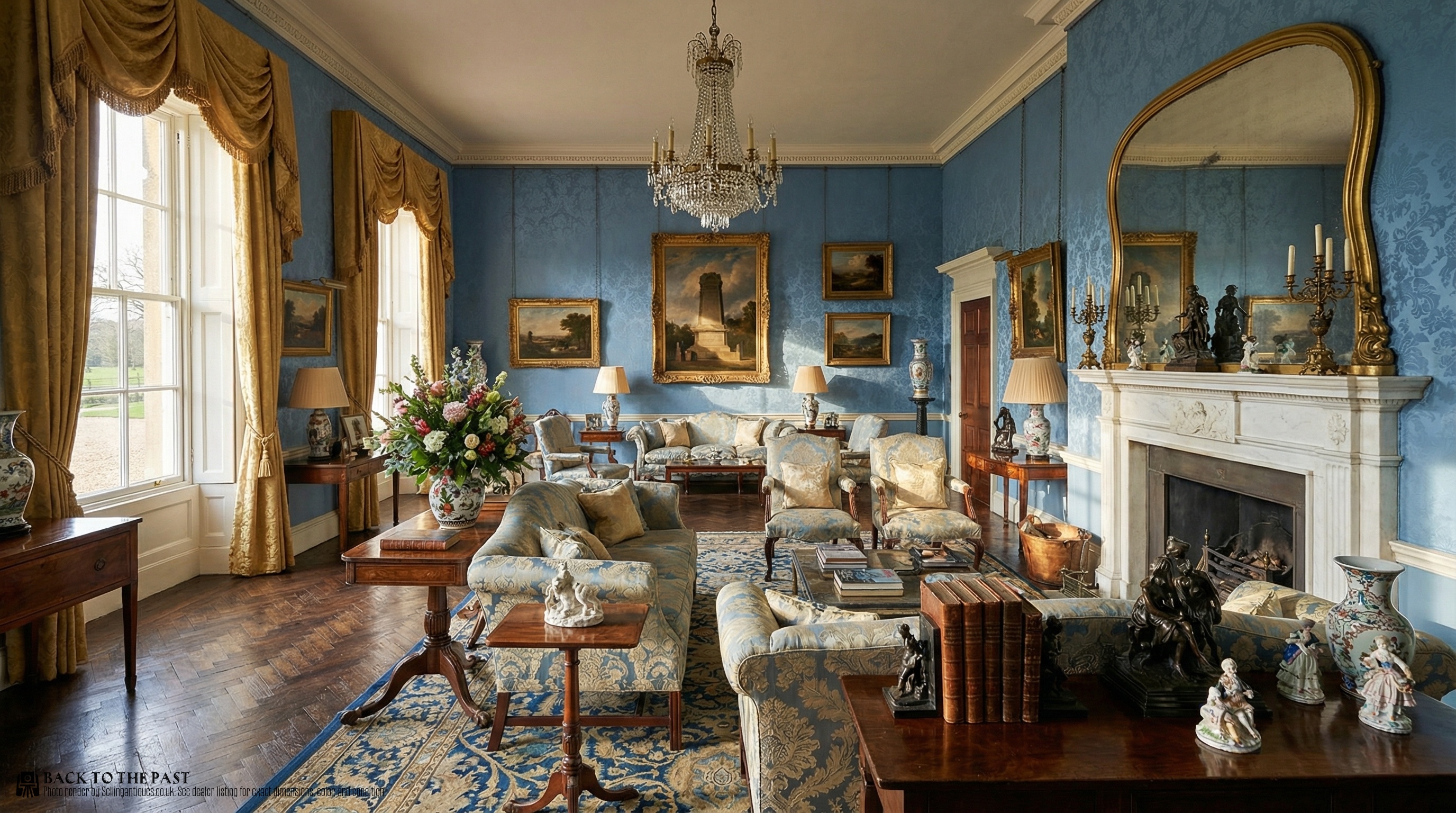
A large arched wall mirror gathers light and commands a room, drawing the eye with the grand scale of nineteenth-century overmantels.
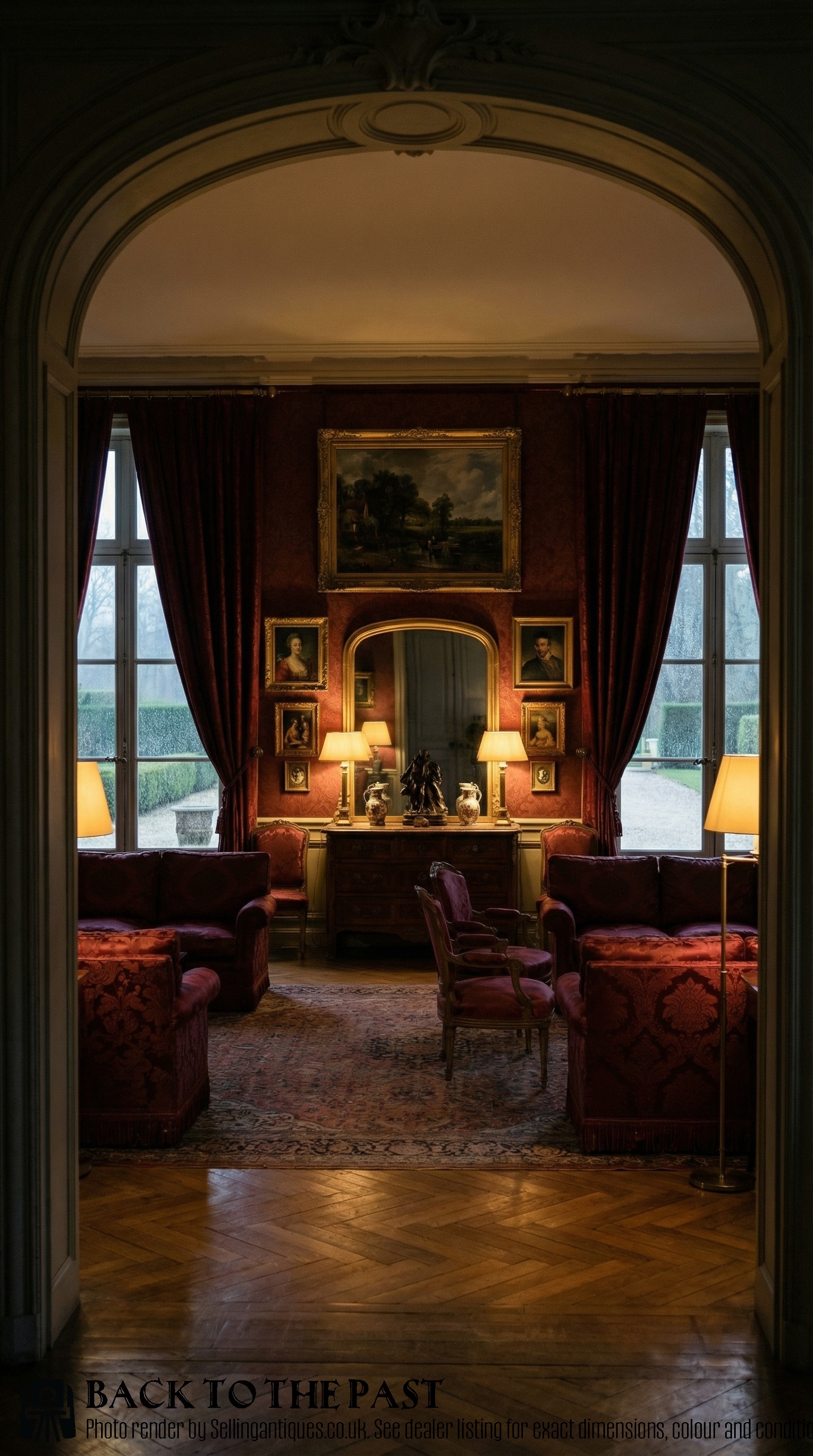
Large Arched Wall Mirror
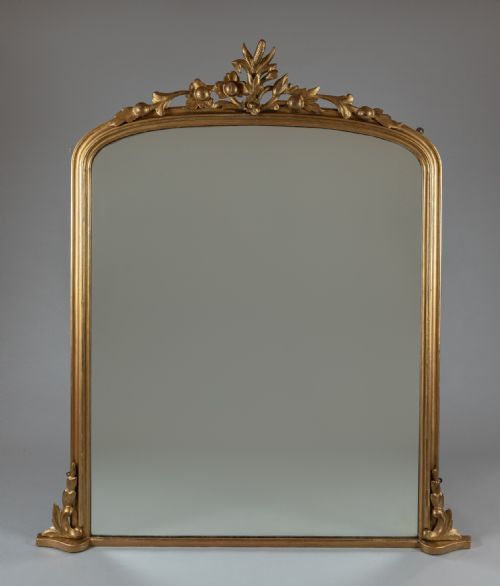
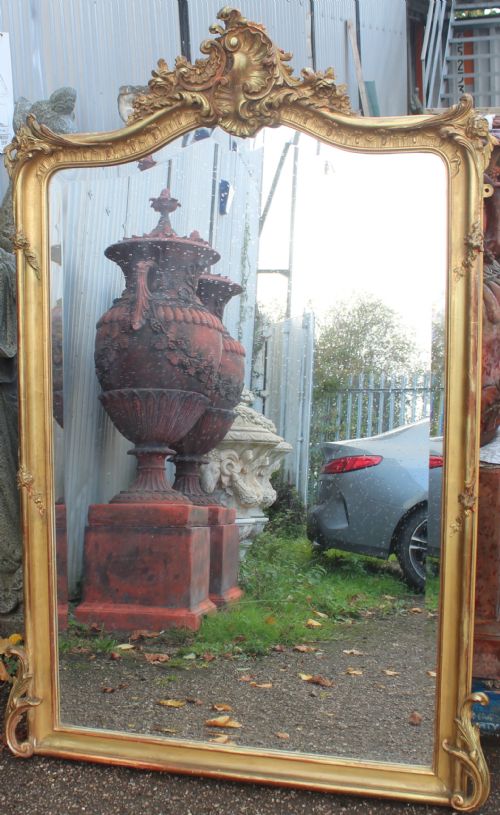
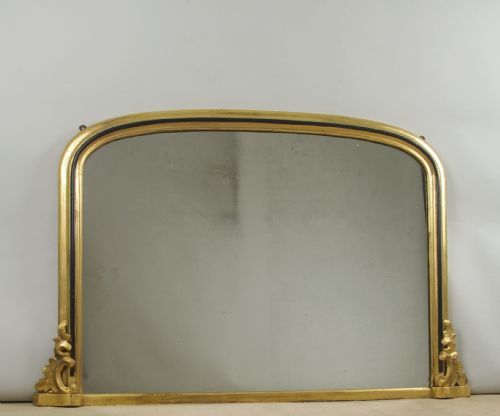
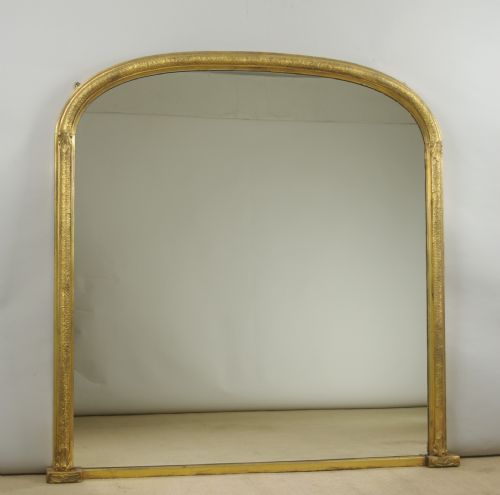
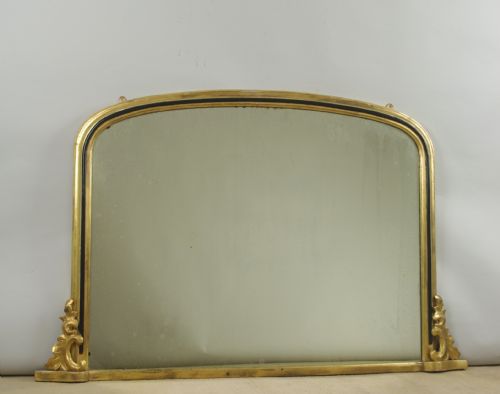
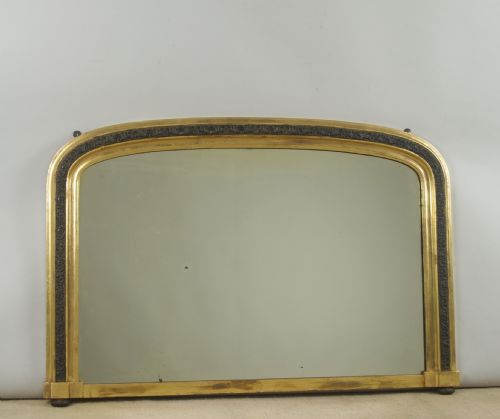
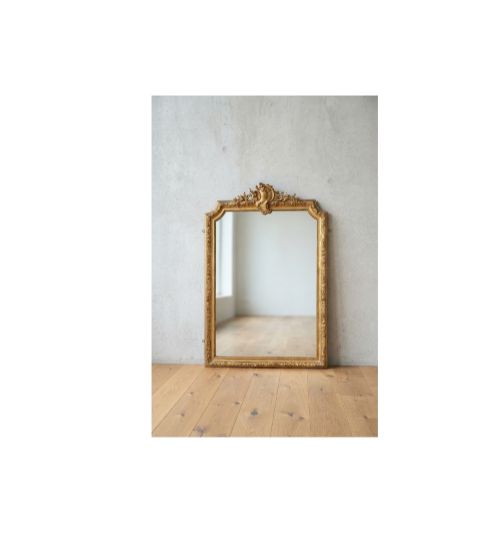
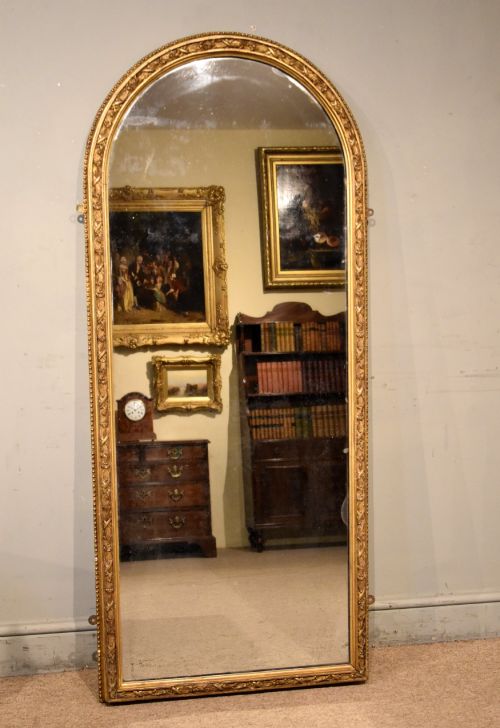
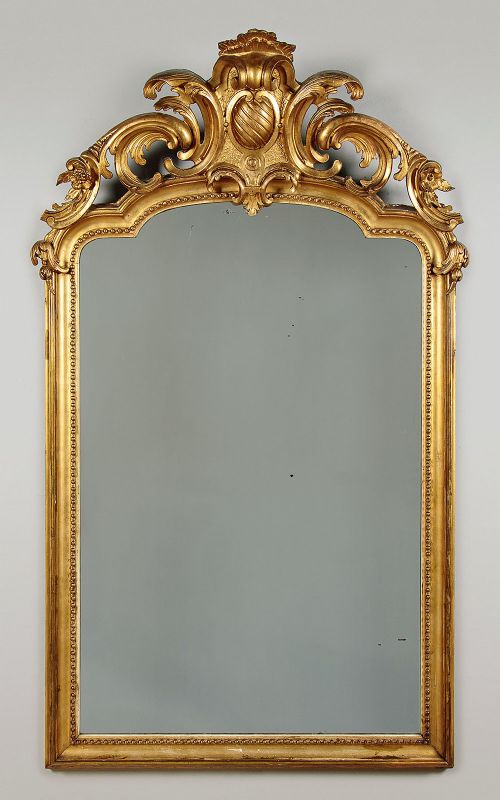
A large arched wall mirror appears most often as a nineteenth-century overmantel or pier mirror designed to anchor a principal reception room. These pieces combine substantial proportions with curved upper framing, originating from English workshops or French provincial settings.
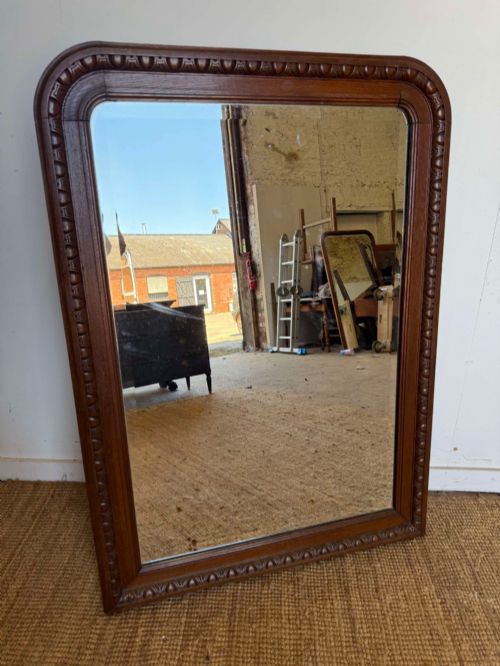
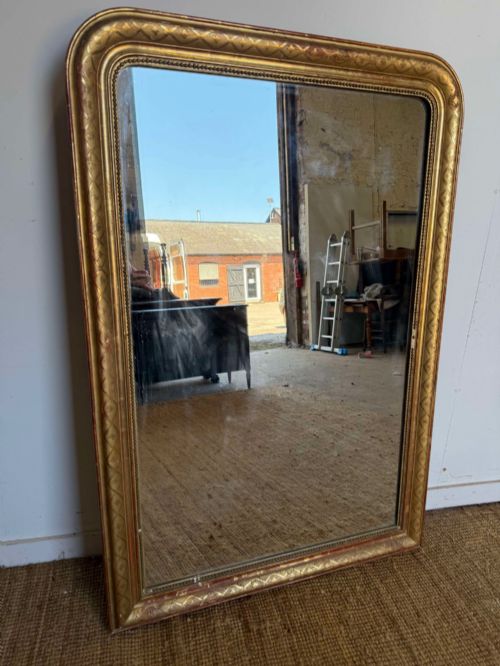
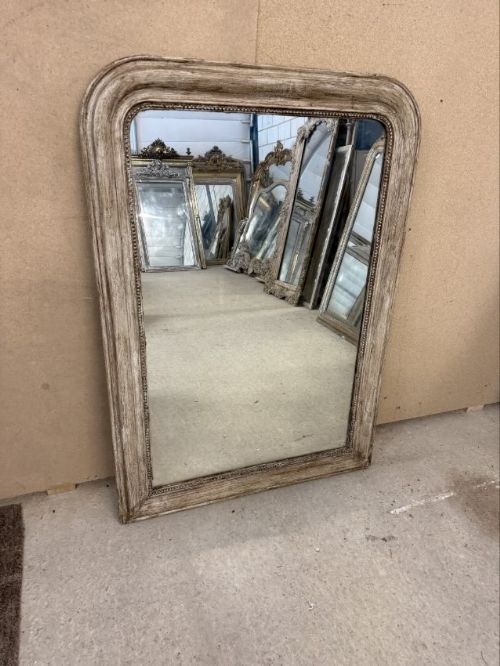
The selection ranges from heavily gilded English gesso overmantels dated to the eighteen-seventies to tall French Louis Philippe and Empire examples. Walnut, bleached oak and painted finishes also occur alongside traditional gold leaf.
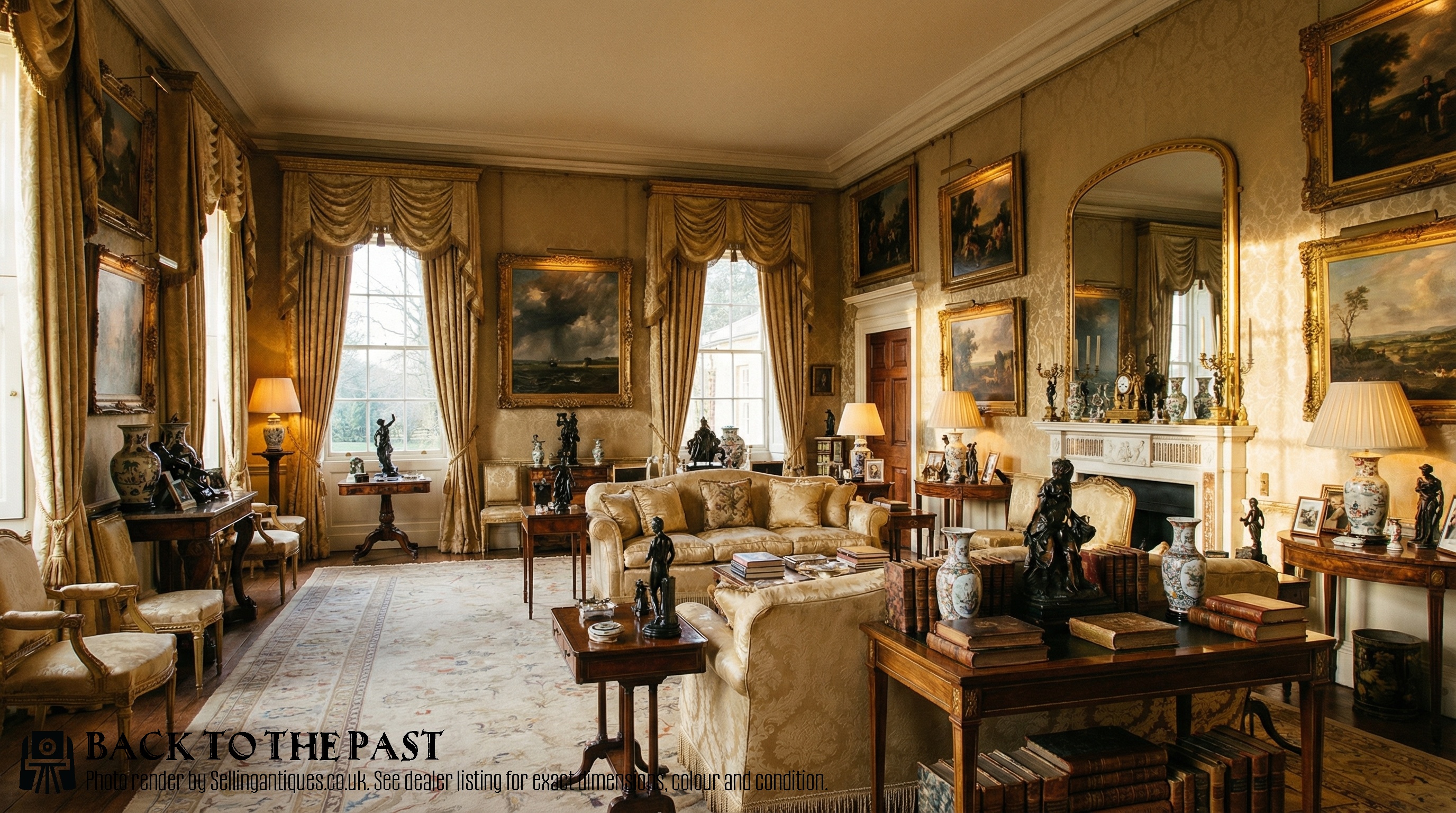
Overmantel mirrors were originally scaled to sit precisely above a fireplace mantelpiece, reflecting candlelight and daylight into the Victorian interior. Today, these substantial architectural items function equally well mounted directly on a blank wall to alter the perceived dimensions of a space.
Materials and construction methods
Makers built the structural carcases of these frames from timber such as wood, oak, or walnut, establishing a sturdy foundation for the ornamental elements. Carved wooden details combined with applied gesso and plaster to create deep relief moulding before the application of surface finishes.
Giltwood and gold leaf provide the characteristic reflective brilliance on the majority of these pieces, often complemented by painted surfaces or cream and red grounds. Mirror glass within these frames frequently displays age through foxing or mercury backing.
Large Arched Wall Mirror Retail Price Guide 2026
Typical asking prices for large arched wall mirror among the pieces listed under this phrase on Sellingantiques today, from the lower quarter to the upper quarter. They describe what is for sale here now, not the wider market.
Materials recorded on this page combine traditional wood and gesso with gold leaf, giltwood, and original mirror glass.
Assessing craftsmanship and finish
The distinction between standard production and superior examples rests upon the depth and crispness of the carved wood and gesso ornamentation. Hand-carved enrichment and intricate rope twist or tulip framing display a sharper definition than mass-produced moulded plaster.
Original mercury glass and untouched contemporary gilding elevate the historical integrity of a piece. The weight and complexity of the wooden framework dictate how cleanly the arched cresting meets the vertical margins.
The Large Arched Wall Mirror Glossary
- Overmantel mirror
- A large mirror specifically designed to hang above a fireplace mantelpiece. These pieces often feature horizontal proportions or tall arched tops scaled to domestic hearths.
- Gesso
- A plaster-like material applied to wooden frame substrates to receive carved details and gilding. This compound allows for intricate relief work across the arched crest.
- Giltwood
- Timber coated with gold leaf or metallic powder applied over a prepared ground. It yields the warm, reflective surface seen on Victorian and French mirrors.
- Pier mirror
- A tall mirror intended to hang on the narrow pier of wall between two windows. They make efficient use of natural light in nineteenth-century interiors.
- Foxing
- Small dark spots or discolouration appearing within the silvered layer of antique mirror glass. This chemical ageing process proves authenticity in nineteenth-century plates.
Large Arched Wall Mirror: Frequently Asked Questions
Where should I hang an overmantel mirror?
These mirrors traditionally anchor the space directly above a fireplace mantelpiece where they reflect light across the room.
Alternatively, mounting one low on a principal wall creates the illusion of an additional doorway or window in a reception room.
How do I identify a French Louis Philippe mirror?
Louis Philippe mirrors typically feature a subtle rounded upper corner rather than a sharp gothic point. Their frames often display clean, understated mouldings without heavy ornamentation.
French examples from this tradition frequently utilise bleached oak or simpler gilt surfaces compared to ornate Victorian counterparts.
What is foxed mirror glass?
Foxing refers to the natural degradation of the silver backing behind the glass over many decades. It manifests as mottled dark patches that confirm the age of the plate.
Collectors prize this characteristic for the gentle, distorted reflection it casts.
How heavy are these large mirrors?
Nineteenth-century timber and gesso frames carry substantial weight due to the dense woods and plaster enrichment used in their construction. Secure wall fixings into structural masonry or studwork are essential for safe installation.