
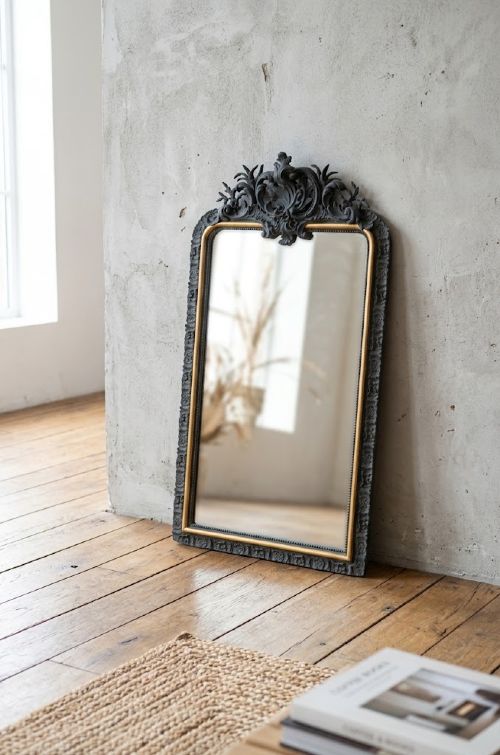
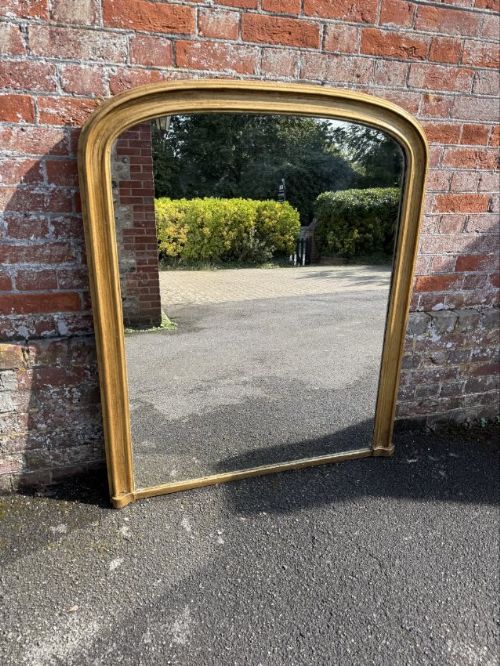
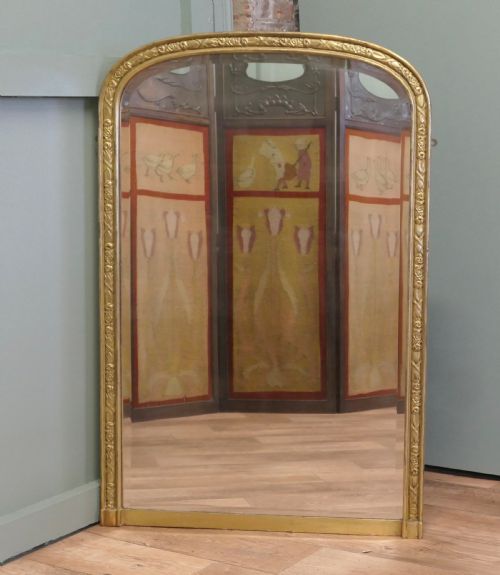


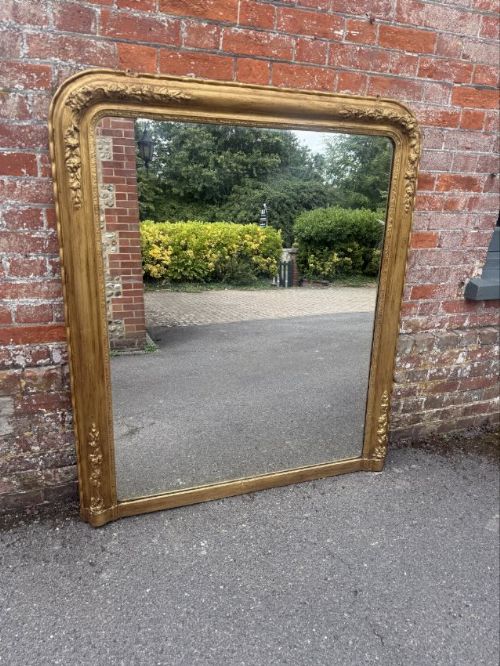
Large Arched Overmantel Mirror
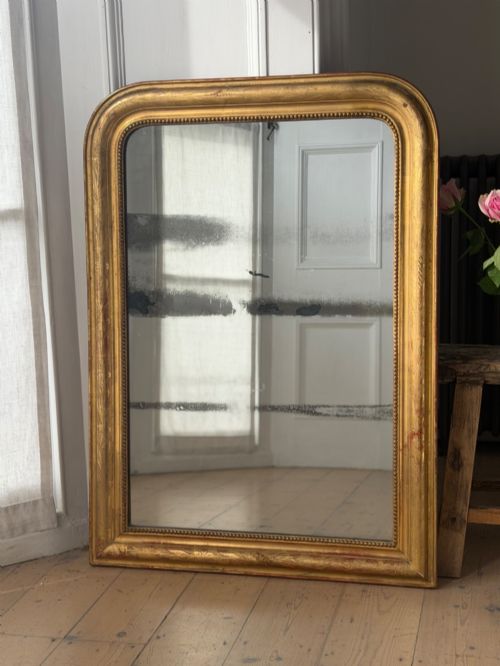
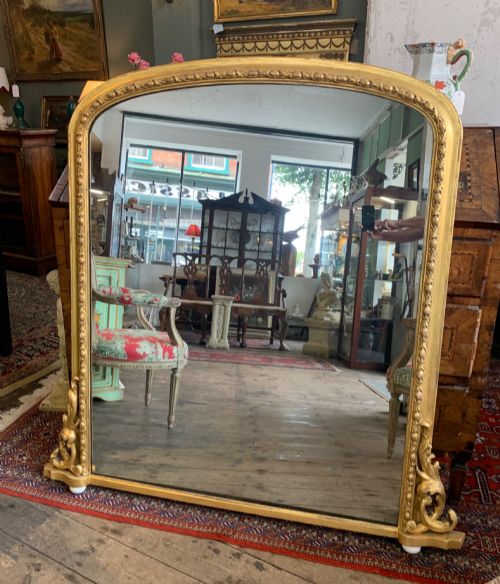
A large arched overmantel mirror anchors a Victorian chimney breast, reflecting light and proportioning high-ceilinged rooms.
Large Arched Overmantel Mirror
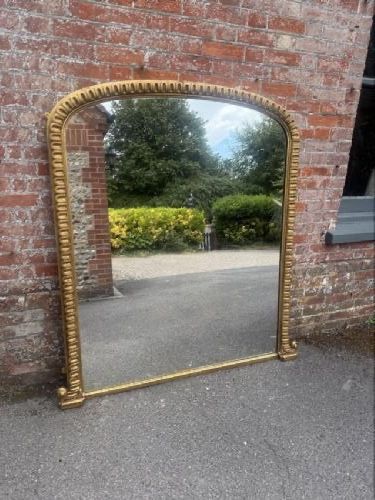
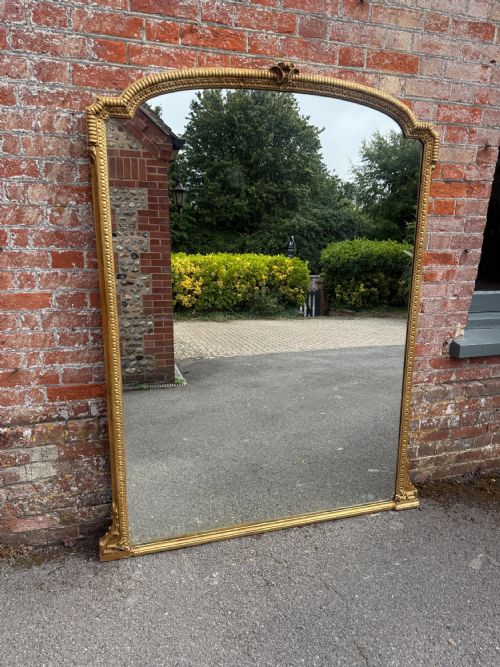
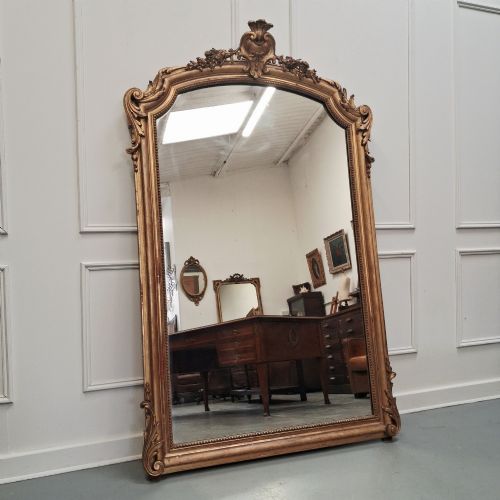
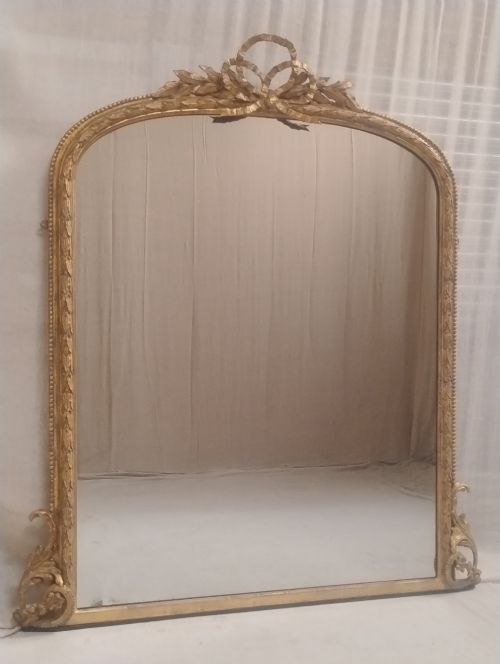
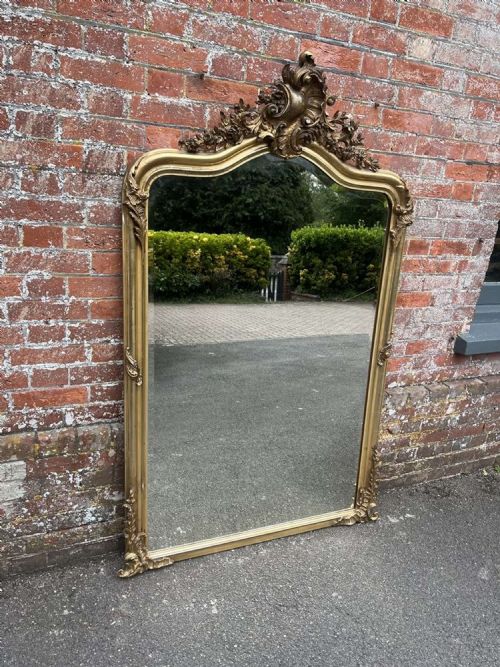
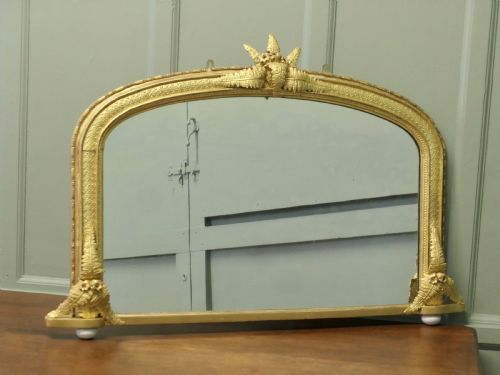
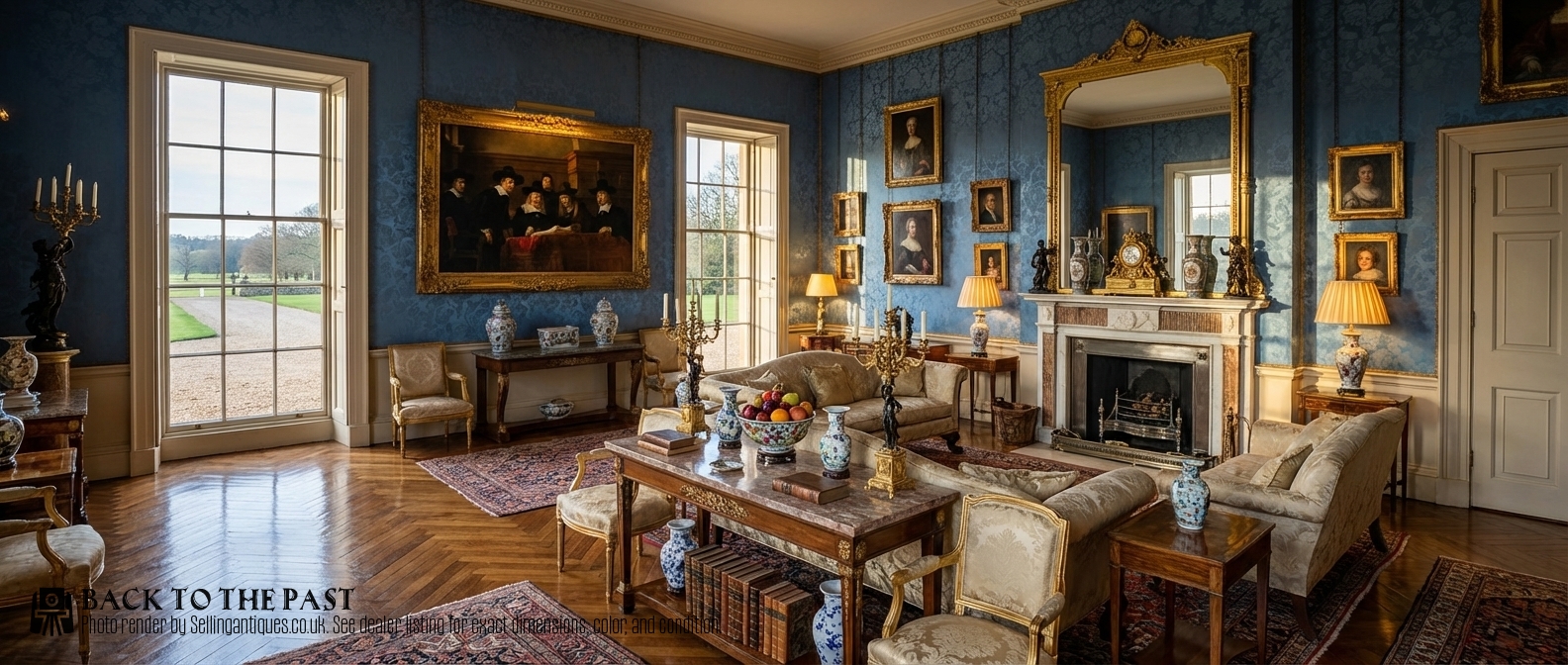
A large arched overmantel mirror is a substantial wall-hanging glass specifically designed to sit above a fireplace mantelpiece. The pieces found here span the nineteenth century, including Victorian, Georgian, and French Louis Philippe periods, built to command a principal reception room.
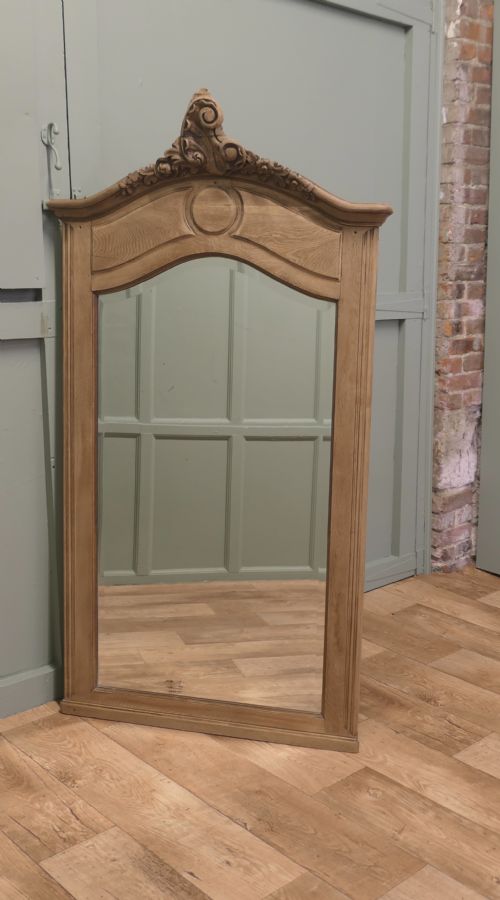
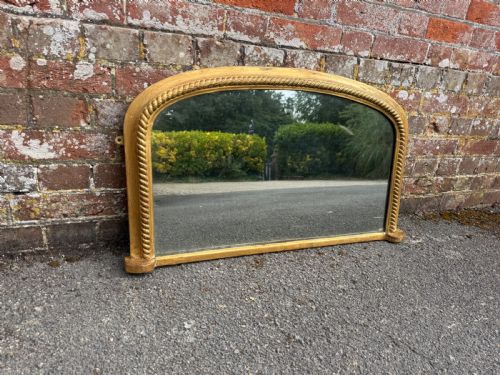
The dominant format on this page is the English or French nineteenth-century overmantel, constructed with a curved upper arch to soften the linearity of masonry fireplaces. They appear in giltwood, carved gesso over wood, and painted finishes, often retaining their original mirror glass.
Makers produced these mirrors to bridge the visual gap between a low hearth and a high cornice, utilising broad wooden frames that frequently incorporate ribbed, rope-twist, or tulip motifs. Their scale makes them the primary focal point of a period interior.
How they were made
Makers constructed the structural frames of these mirrors using timber, often pine or hardwood, assembled with traditional joinery to support heavy glass plates. Upon this wooden carcass, layers of gesso were applied and built up to receive intricate carved or moulded details.
Guilders applied gold leaf over red bole onto the prepared gesso surfaces, burnishing the metal to achieve a deep, reflective sheen. Alternatively, frames were painted or finished in bleached oak, depending on whether the origin was English Victorian or French provincial.
Large Arched Overmantel Mirror Retail Price Guide 2026
Typical asking prices for large arched overmantel mirror among the pieces listed under this phrase on Sellingantiques today, from the lower quarter to the upper quarter. They describe what is for sale here now, not the wider market.
Listings feature nineteenth-century pieces spanning the Victorian, Georgian, and French Louis Philippe periods, constructed in giltwood, gesso, and glass.
What varies in quality
The sophistication of the gesso moulding and the depth of the wood carving dictate the visual hierarchy of these mirrors. Crisp, undercut foliage and well-defined ribbing demonstrate superior workshop proficiency compared to softer, heavily worn casts.
The condition and age of the glass plate itself influence desirability, with original mercury silvering and foxing showing authentic oxidation. Frames retaining their original gilding without excessive over-painting represent the upper tier of survivals.
The Large Arched Overmantel Mirror Glossary
- Overmantel
- A mirror or decorative panel specifically scaled to hang on the wall directly above a fireplace mantel.
- Gesso
- A plaster-like mixture applied to a wooden frame as a base for carving and gilding. It allows for crisp, detailed ornamental mouldings.
- Giltwood
- Timber that has been coated with gold leaf or gold paint. It provides a bright, reflective surface popular in nineteenth-century formal interiors.
- Louis Philippe
- A French nineteenth-century style characterised by restrained classical proportions and a simple arched top. These frames often feature gentle ogee profiles.
- Foxing
- The natural degradation and spotting of the silver backing on antique mirror glass. It creates dark, mottled patches that confirm age.
Large Arched Overmantel Mirror: Frequently Asked Questions
How do I hang a heavy overmantel mirror safely?
These mirrors carry significant weight from their timber and plaster construction, requiring direct anchoring into brick or studwork rather than relying on standard picture hooks. Professional mirror brackets distributed along the base and frame sides ensure the load is shared securely against the wall.
Ensure the wall fixings match the specific substrate of your chimney breast, whether lath and plaster or solid masonry. Consulting a professional installer is recommended given the considerable dimensions involved.
Can these mirrors be placed on a mantelpiece directly?
Historically, many overmantel mirrors were designed to rest on the timber or marble shelf of the fireplace while being secured to the wall with hidden brackets. This placement grounds the piece visually against the hearth architecture.
Check the depth of your mantel shelf to ensure the frame foot sits securely without tipping forward. Wall tethering remains essential even when the mirror rests on the shelf to prevent accidents.
How do I clean antique mirror glass?
Use a soft, dry microfibre cloth to remove dust from the glass and frame without disturbing delicate gesso or original gilding. Avoid commercial liquid cleaners that can seep behind the glass and accelerate the degradation of the silver backing.
If moisture is necessary for stubborn marks, apply a mild soap solution sparingly to the cloth rather than spraying directly onto the mirror. Take extra care around areas of foxing where the glass is inherently fragile.
How do I distinguish French and English nineteenth-century mirrors?
French mirrors from the Louis Philippe and provincial traditions often exhibit simpler, cleaner architectural lines with subtle channel moulding and muted painted or gilt finishes. English Victorian pieces frequently display heavier carved decoration, including rope-twist, tulip, and ribbed motifs.
Construction woods also offer clues, with continental pieces occasionally utilising oak or fruitwood beneath paint, while English examples commonly rely on pine carcases coated in gesso.