

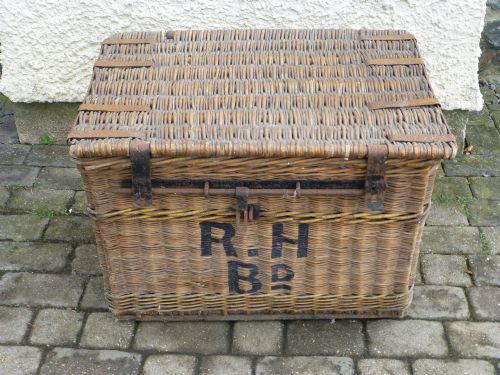

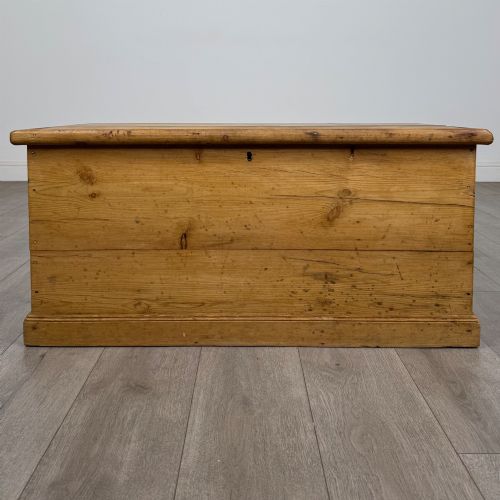
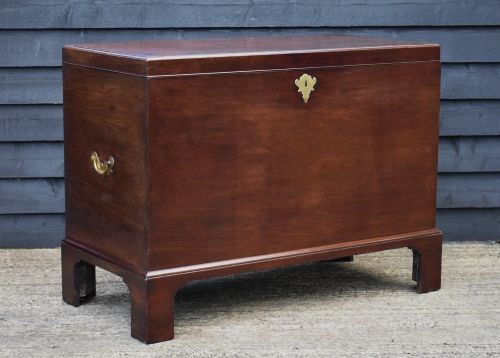
Large Trunk
A large antique trunk serves as a commanding storage solution, bringing history and robust practicality into any room.
Large Trunk
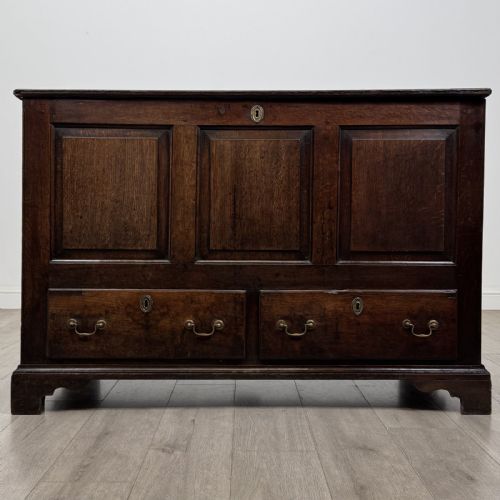
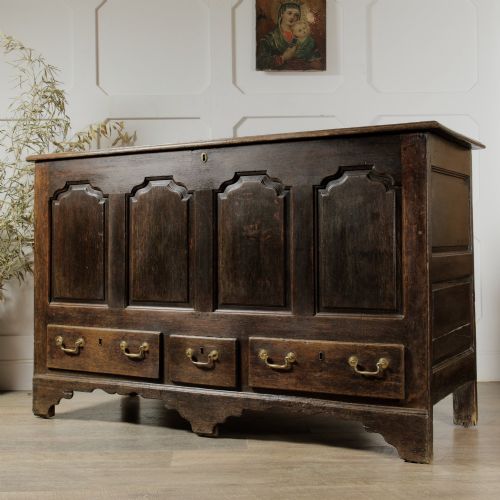
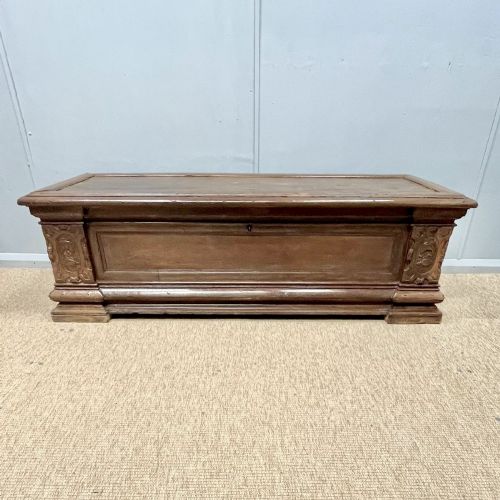
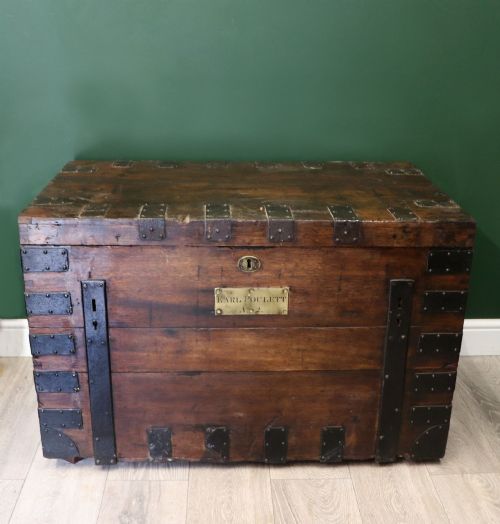
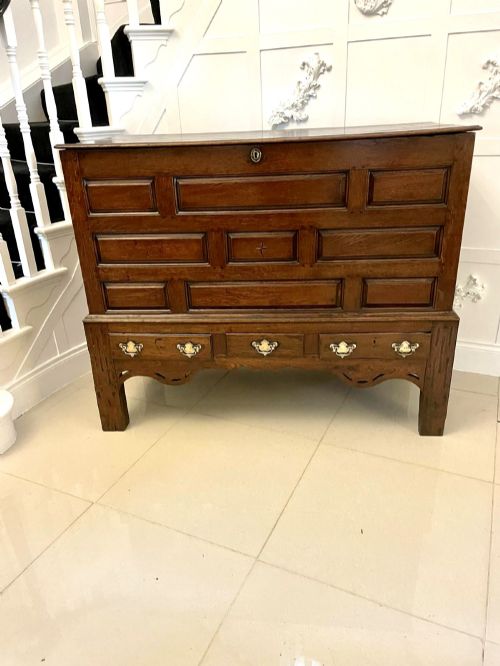
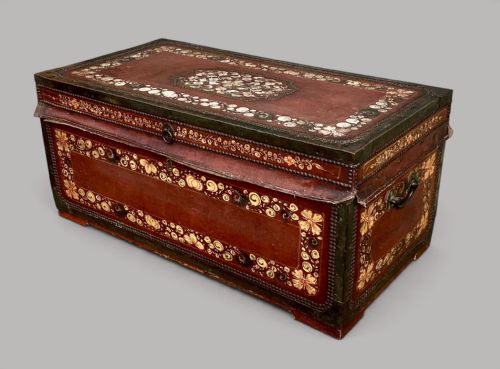
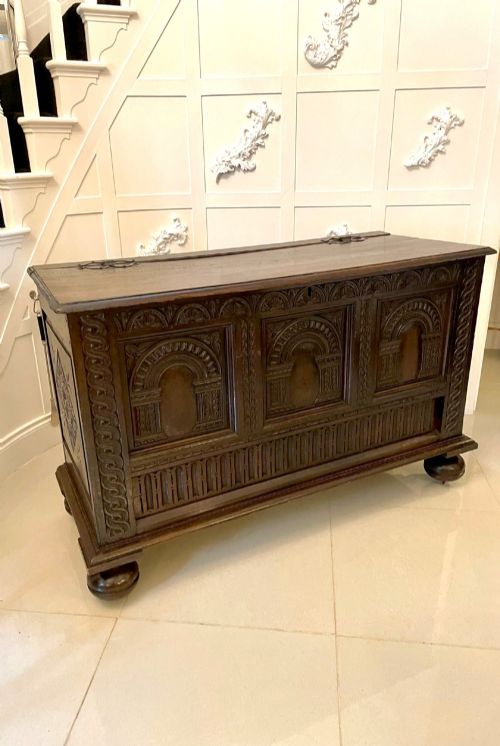
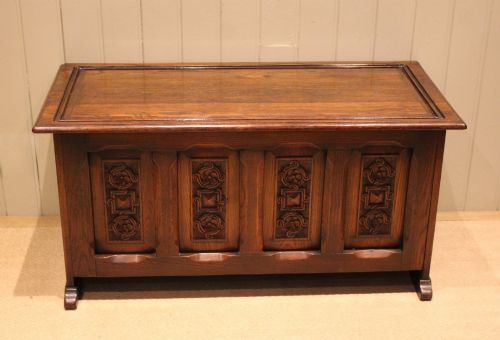
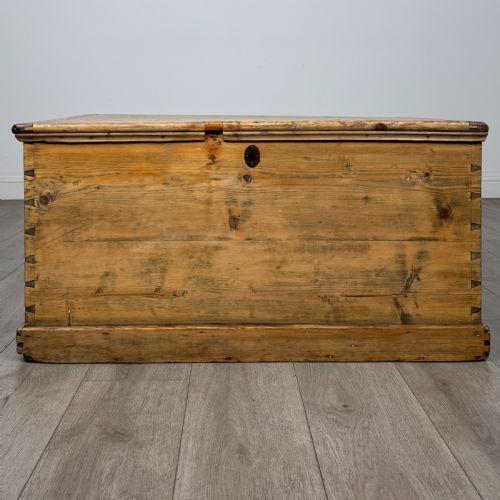
A large antique trunk encompasses substantial storage pieces designed for travel, domestic organisation, or safe-keeping of valuables across centuries. Buyers seeking a large antique trunk encounter everything from heavy timber coffers to iron-bound campaign chests and painted pine blanket boxes.
The selection ranges widely in origin and form, featuring robust 18th-century oak coffers, Victorian pine blanket chests, and exotic camphor wood or teak campaign trunks. Domestic pine storage boxes and rustic painted Hungarian examples dominate the everyday choices available to collectors.
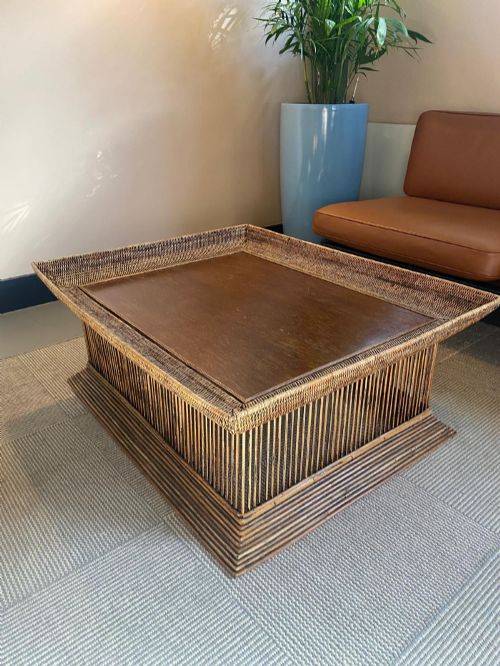
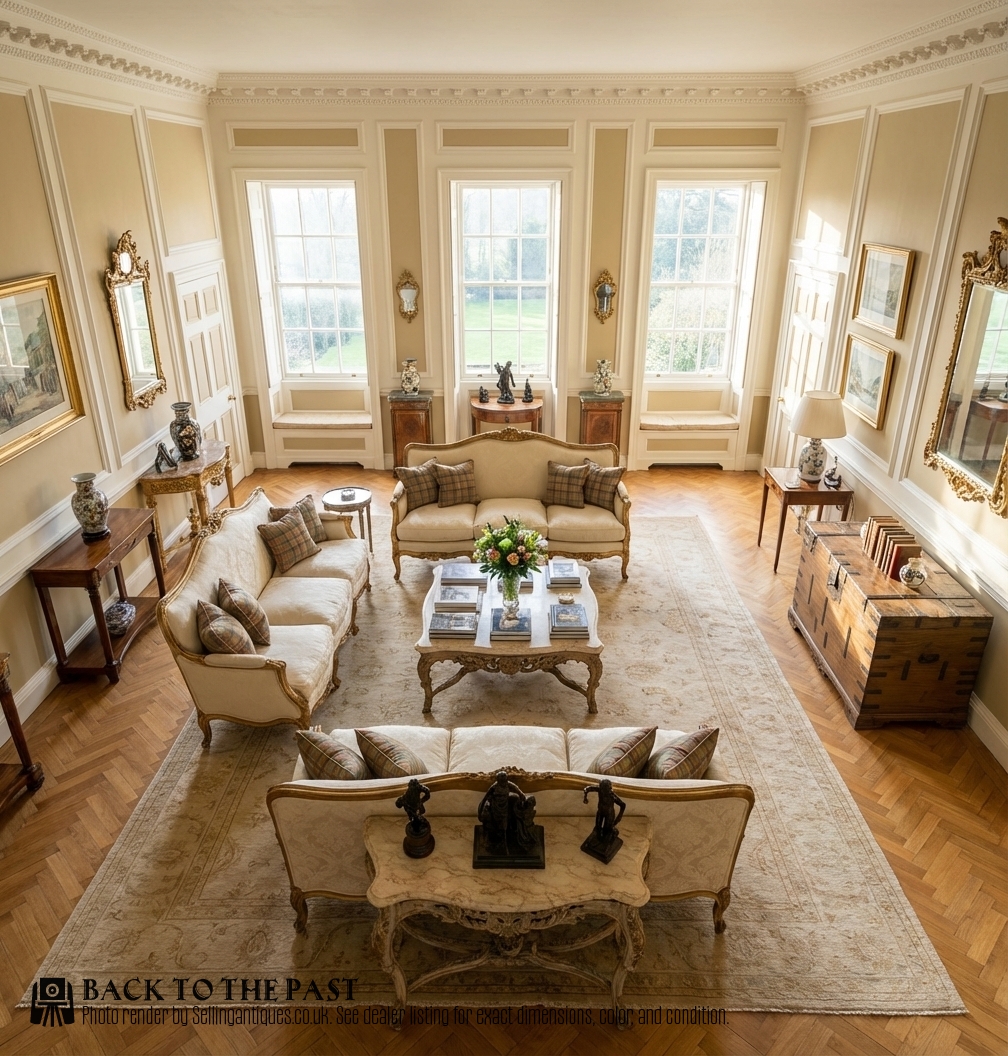
Makers utilised these vessels for diverse purposes, including maritime travel, dowry storage, and domestic linen organisation. Their substantial proportions make them ideal for modern interior use as coffee tables or deep storage receptacles.
How they were made
Joinery and construction relied heavily on solid hardwoods like oak, walnut, and mahogany, alongside utilitarian softwoods such as pine and pitch pine. Craftsmen employed dovetail joints, heavy iron straps, and hand-forged brass hardware to ensure structural durability during transit.
Surface treatments varied from waxed natural grains and rich polish to layered historical paint, leather upholstery, and protective canvas coverings. Metal reinforcement using brass or iron banding provided necessary security and resilience for long journeys.
Large Trunk Retail Price Guide 2026
Typical asking prices for large trunk among the pieces listed under this phrase on Sellingantiques today, from the lower quarter to the upper quarter. They describe what is for sale here now, not the wider market.
Some trunks doubled as makeshift desks or dining tables when weary travellers stopped for the night.
What varies in quality
Structural integrity and the survival of original components distinguish superior examples from heavily restored pieces. The presence of untouched period hardware, such as original brass locks, hinges, and carrying handles, elevates a piece significantly.
The choice of timber and the sophistication of the joinery dictate the tier of craftsmanship, ranging from utilitarian workshop pine to finely carved cabinet-maker oak and exotic camphor woods. Original surface patination and untouched historical paint finishes command greater appreciation than stripped or modernised surfaces.
The Large Trunk Glossary
- Coffer
- A heavy wooden chest traditionally used for storing valuables, money, or documents. These pieces often feature sturdy construction and carved detailing from earlier centuries.
- Campaign chest
- A portable set of drawers or a trunk constructed in sections for military officers on the move. They typically incorporate brass corners, flush handles, and durable hardwoods like teak or mahogany.
- Mule chest
- A storage chest featuring one or more drawers beneath the main compartment. This form bridges the evolution between the traditional coffer and the modern chest of drawers.
- Dowry chest
- A large decorative box assembled to hold a bride's household linens and possessions for marriage. These pieces frequently display regional decorative painting or elaborate carving.
- Dome top
- A curved lid design engineered to shed rainwater during travel. This profile appears frequently on leather-covered and wooden shipping trunks from the 18th and 19th centuries.
Large Trunk: Frequently Asked Questions
What were large antique trunks used for?
These vessels served primarily for transporting personal belongings, military equipment, and household valuables across land and sea. Families also utilised them domestically to store heavy woollens, linens, and dowry items safely away from pests.
Over time, their robust nature made them indispensable for travel by carriage, ship, and early railway networks. Today, their generous proportions adapt easily to contemporary living as functional furniture and deep storage.
How do I date an antique trunk?
Dating relies on examining construction techniques, timber selection, and hardware styles. Hand-forged ironwork, pegged joinery, and native oak point toward 17th and 18th-century craftsmanship, whereas machine-sawn pine and brass hinges often indicate Victorian or Edwardian manufacture.
Stylistic clues such as leather upholstery, dome tops, and maker labels provide further chronological context. Comparing the construction methods against documented period examples helps narrow down the decade of origin.
Are camphor wood trunks safe for clothing?
Camphor wood naturally emits aromatic oils that deter moths and insects, making these chests historically popular for protecting delicate textiles. The timber itself is durable and resistant to humidity, suiting long maritime journeys.
Modern owners continue to store woollens and blankets inside them for this exact purpose. The distinct scent generally remains stable and gentle over the centuries.
How can I use a trunk as a coffee table?
A flat-topped chest or trunk provides an ideal surface height and substantial internal capacity for a living room. Flat wooden or leather steamer trunks work best for stability when placing items on top.
Placing items inside keeps clutter out of sight while anchoring the room with historical character. Ensure the lid is sturdy and level to support everyday items safely.