

Large Storage Chest
A large storage chest is a heavy-duty receptacle designed to hold household goods, and these pieces bring period utility into modern rooms.
Large Storage Chest
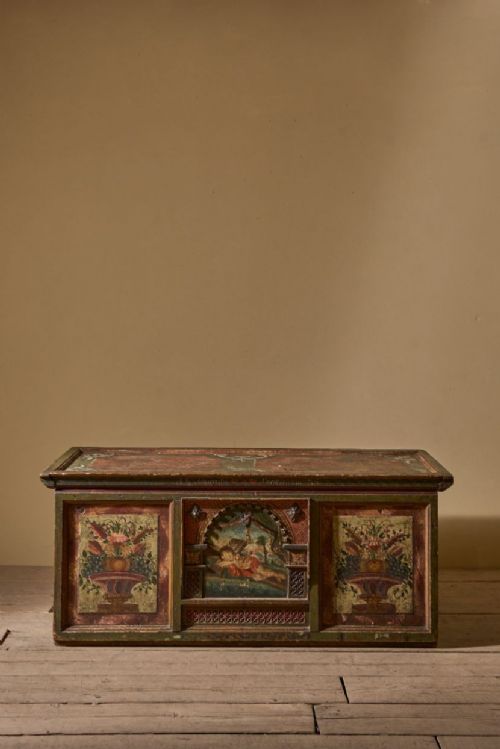
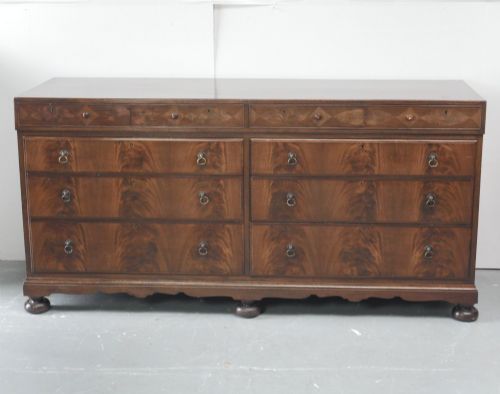
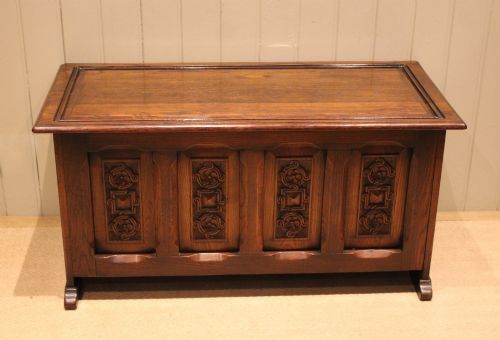
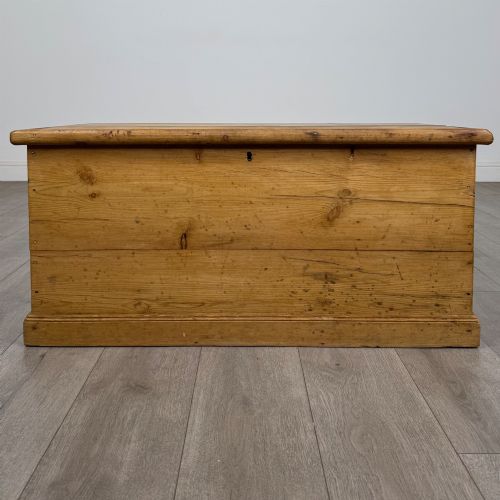
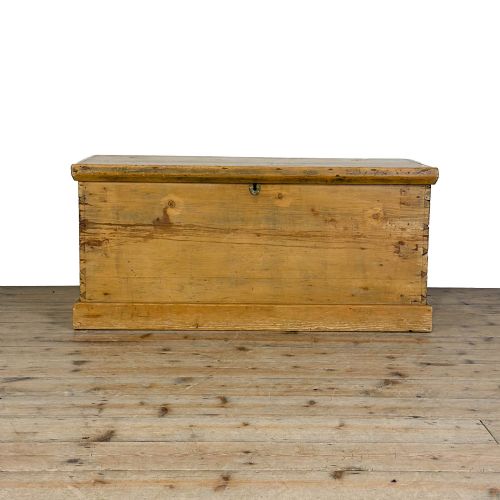
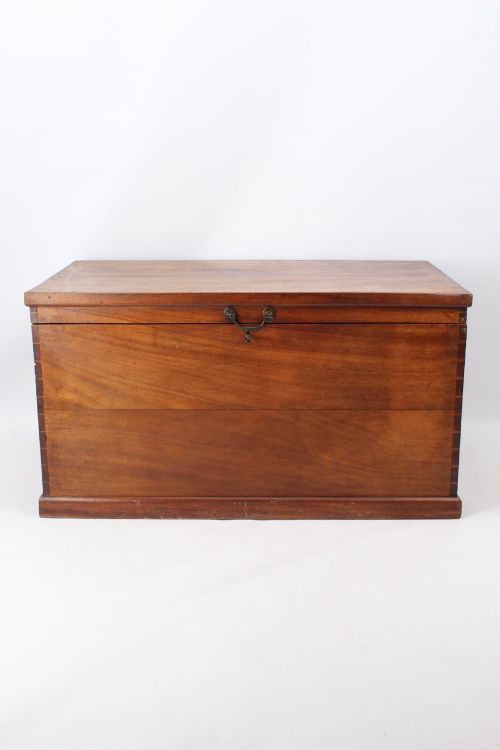
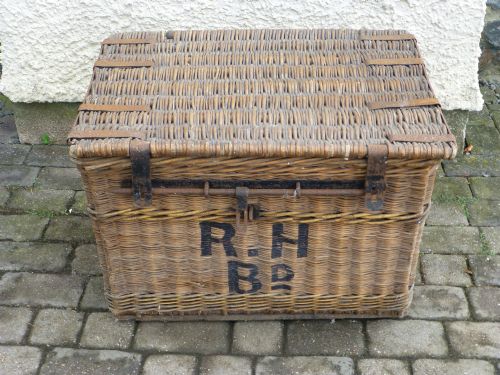
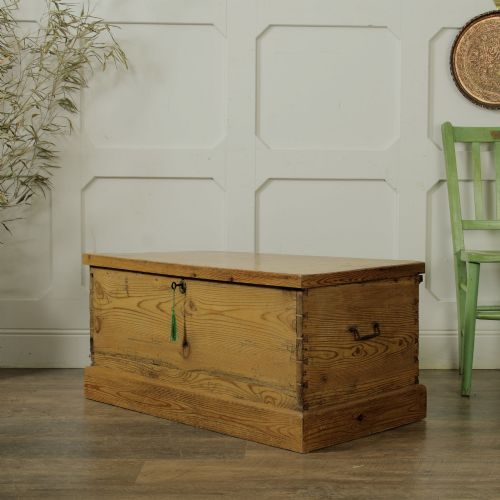
A large storage chest encompasses a wide variety of functional wooden boxes, blanket boxes, coffers, and campaign trunks intended for keeping household textiles and possessions secure. Buyers seeking a large storage chest will encounter sturdy examples fashioned from pine, oak, mahogany, walnut, and teak, spanning centuries of domestic and colonial craftsmanship.
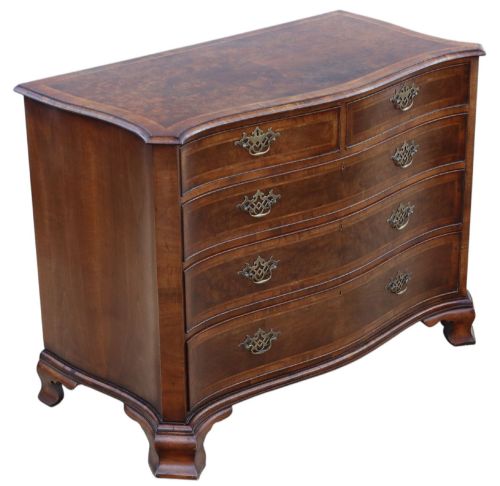
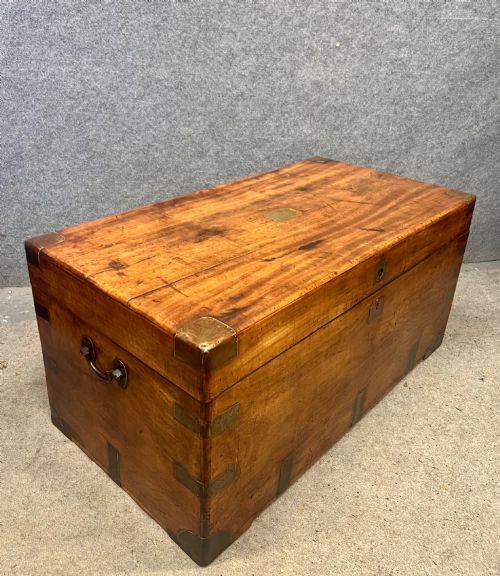
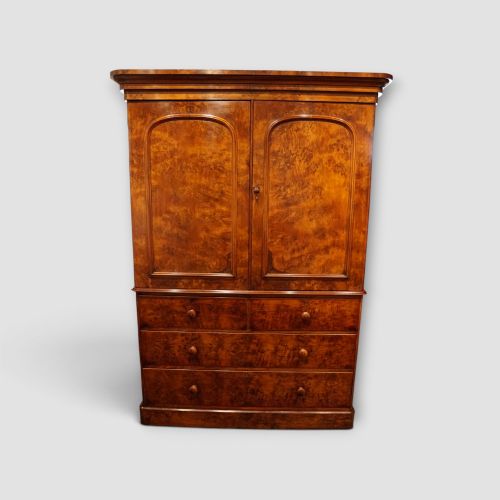
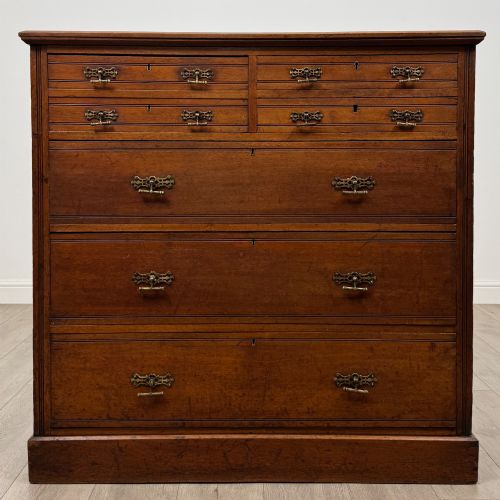
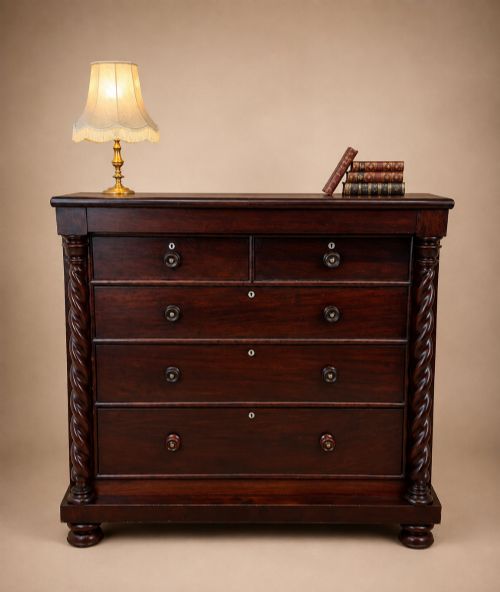
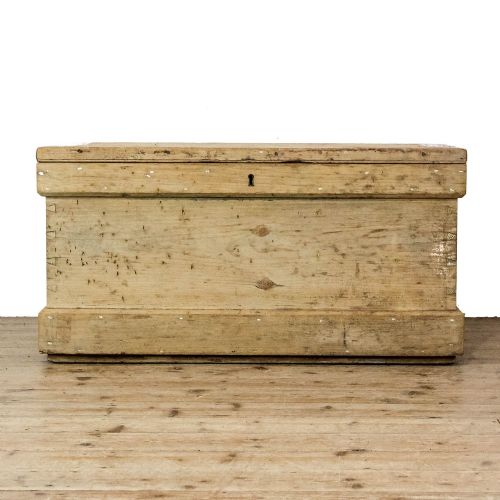
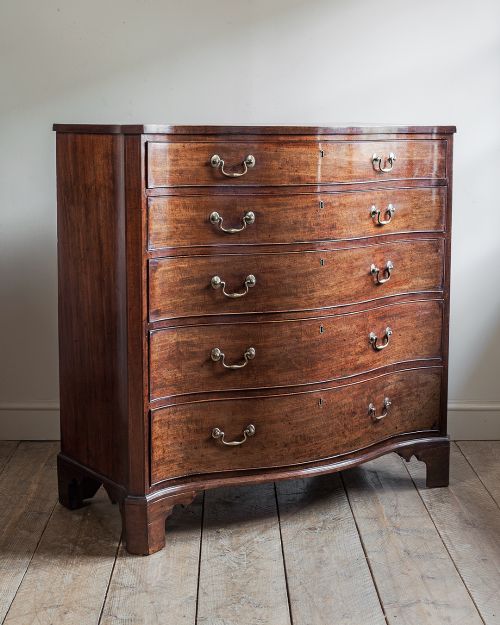
The objects take several distinct structural forms, ranging from simple boarded pine trunks and heavy oak coffers to sophisticated Georgian and Victorian chests of drawers and military campaign boxes. Many pieces incorporate internal tills, drawers, or iron and brass hardware to assist with organisation and transit.
The origins of these items stretch from local English country workshops to Dutch households, Scottish cabinet makers, and Anglo-Indian or East African trade routes. Buyers are most likely to meet Victorian pine blanket boxes, 18th-century oak coffers, and mahogany chests of drawers in this selection.
How they were made
Construction relies heavily on solid timbers such as oak, pine, walnut, and mahogany, frequently joined by hand through dovetailing, mortise and tenon joints, or sturdy panel-and-frame construction. Makers selected woods based on availability and purpose, utilising resilient softwoods like pitch pine for utilitarian trunks and dense hardwoods like teak or oak for dowry chests and coffers.
Metal reinforcement defines many examples, with brass binding, iron straps, corner plates, and studded leather applied to protect the corners and edges during travel or heavy daily use. Surface treatments range from simple wax finishes and paint to intricate hand-carving and crossbanding in walnut or mahogany.
Camphor wood chests naturally smelled like a medicine chest, keeping moths away from Sunday best.
What varies in quality
The standard of materials and timber selection sets the foundation of worth, distinguishing simple utility grade softwoods from finely figured burr walnut, ribbon mahogany, or quarter-sawn oak. Superior construction is evident in tight, hand-cut dovetails, thick timber panels, and original structural integrity rather than replaced components.
Hardware and decorative detail elevate specific items, where heavy cast brass carrying handles, hand-tooled leather, intricate wood carving, and original locks demonstrate superior workshop output. The integration of functional internal drawers and well-preserved patination further separates standard domestic boxes from exceptional regional or cabinet-maker pieces.
Whytock & Reid·Jas Shoolbred
The Large Storage Chest Glossary
- Coffer
- A heavy wooden chest traditionally used for storing valuables, linen, or documents. These pieces often feature hinged lids and carved front panels.
- Mule chest
- A traditional storage chest fitted with one or more drawers in the base beneath the main compartment. They bridge the design gap between a standard coffer and a chest of drawers.
- Campaign chest
- A portable form of furniture made in sections with recessed brass handles, designed to be easily packed and transported by military officers.
- Crossbanding
- A decorative technique where thin strips of veneer are laid across the grain of the primary wood around the border of a panel or drawer front. It creates a contrasting visual frame.
- Serpentine
- A furniture front characterised by a curved shape that undulates outward in the centre and inward at the sides. This contour requires advanced woodworking skill to execute properly.
- Dowry chest
- A large storage box historically created to hold household linens, clothes, and goods accumulated for a bride's marriage. They frequently display elaborate carving or metal ornamentation.
Large Storage Chest: Frequently Asked Questions
How were large storage chests used historically?
These pieces served primary roles in domestic households for holding heavy woollen blankets, bed linens, garments, and valuables. Their robust construction often allowed them to double as seating benches or tables within domestic spaces.
In a travel context, military and campaign variants transported officers' uniforms and personal equipment across rough terrain. Dowry chests held accumulated household goods for marriage, preserving textiles from pests and dampness.
Where should I place a large storage chest at home?
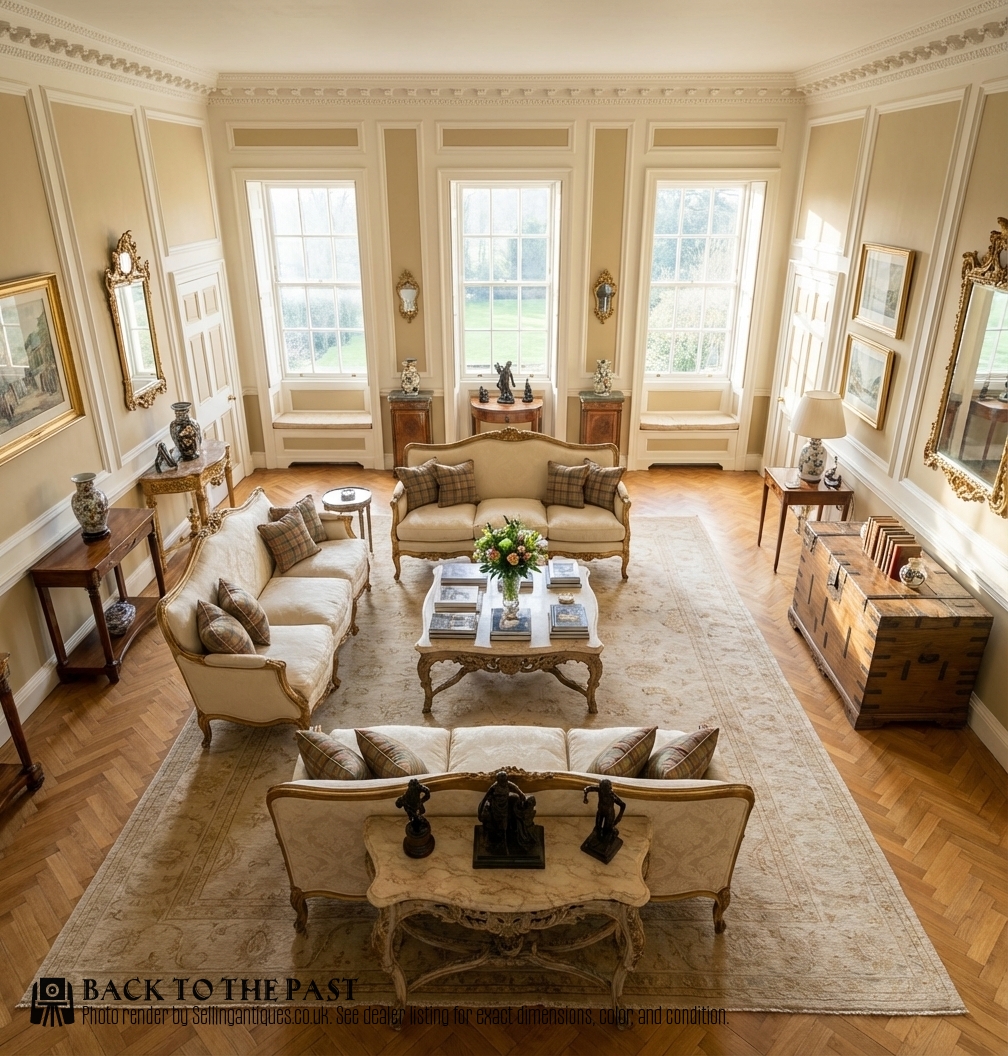
These items suit placement at the foot of a bed for spare bedding, or along a hallway wall as a boot and shoe repository. Their flat wooden lids make them practical alternatives to standard coffee tables in living areas.
Consider positioning oak or pine coffers beneath windows to function as window seats with integrated storage. Larger camphor wood or teak trunks also work effectively in studies or landings to keep clutter concealed.
How do I tell an 18th-century chest from a Victorian one?
Earlier 18th-century examples typically rely on hand-riven oak, walnut, or early mahogany with pegged joinery and heavy hand-cut dovetails. The hardware, such as wrought iron hinges and locks, generally shows hand-forged characteristics.
Victorian pieces frequently utilise machine-sawn pine, pitch pine, or mass-produced mahogany and walnut, sometimes featuring stamped brass hardware and factory-produced dovetails. Construction methods and timber availability provide the clearest clues to a piece's age.
How do I care for antique wooden storage chests?
Maintain the timber by applying a traditional beeswax polish sparingly to nourish the dry wood and preserve the surface patination. Avoid placing wooden storage furniture near direct heat sources or in damp environments to prevent splitting or warping.
Keep interiors clean by using soft cloths, and allow natural ventilation for enclosed compartments, particularly when storing textiles in camphor wood or cedar-lined trunks.