
Large Linen Cupboard
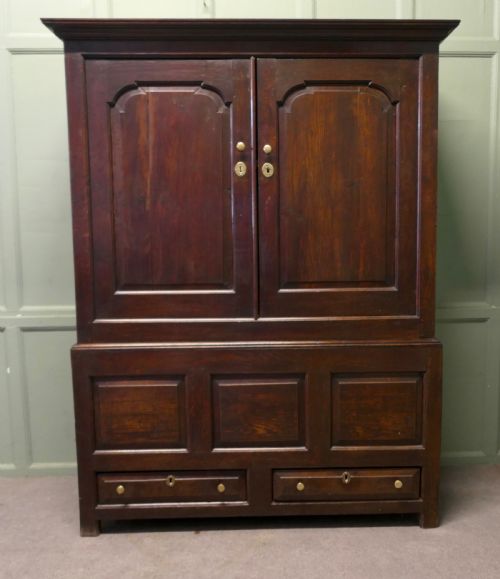
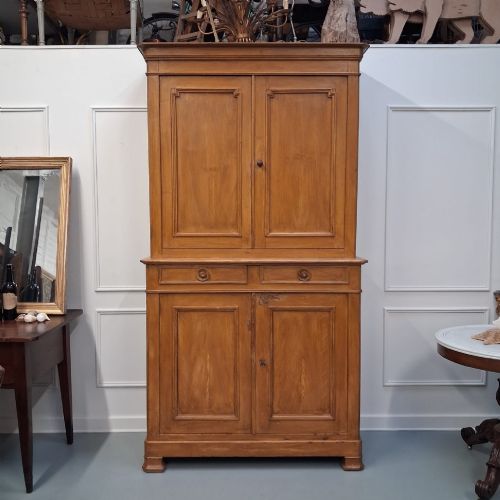
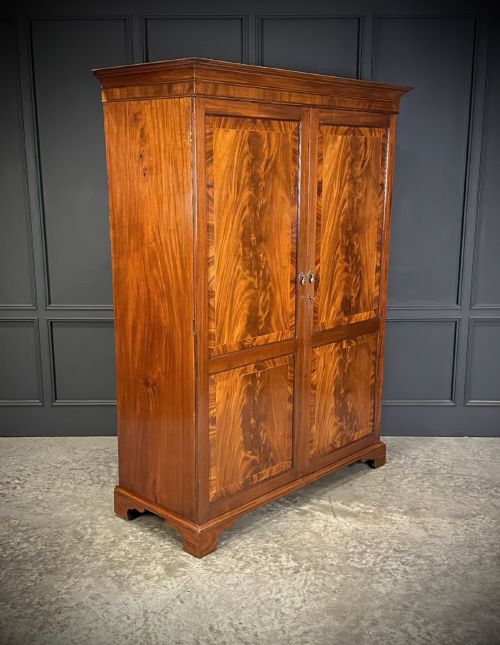
A large antique linen cupboard offers serious architectural presence and deep domestic storage, spanning sturdy pine, rich oak and figured mahogany across several centuries.
Large Linen Cupboard
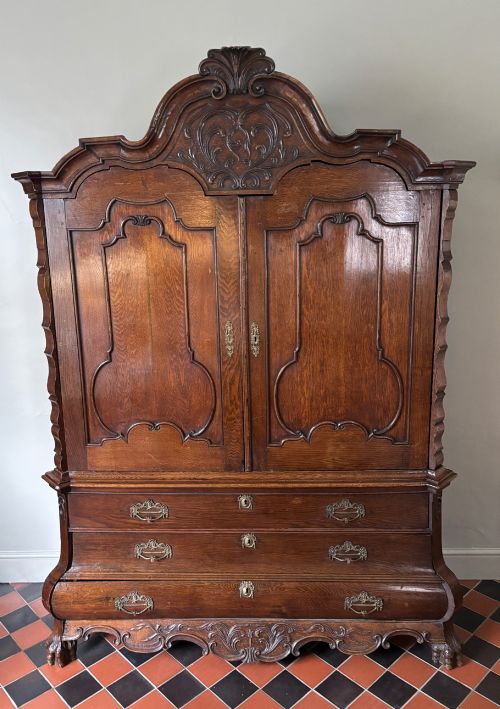
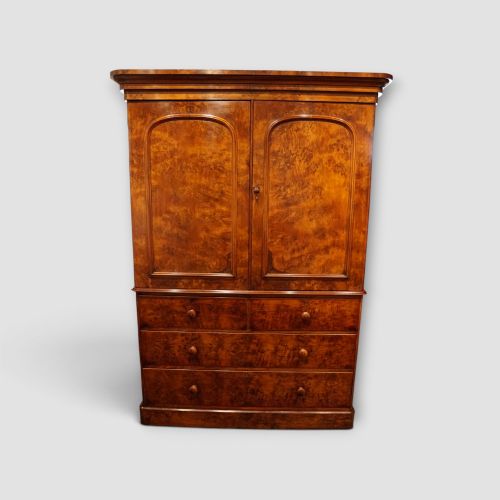
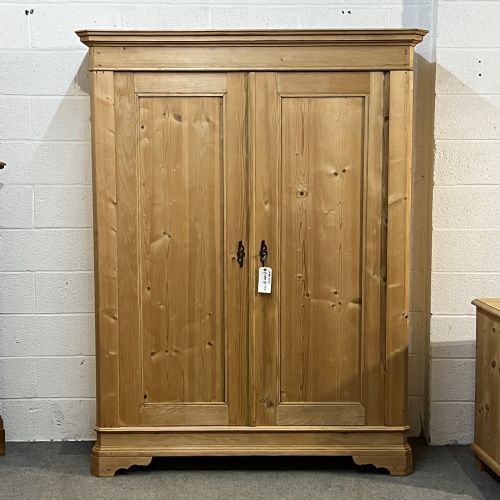
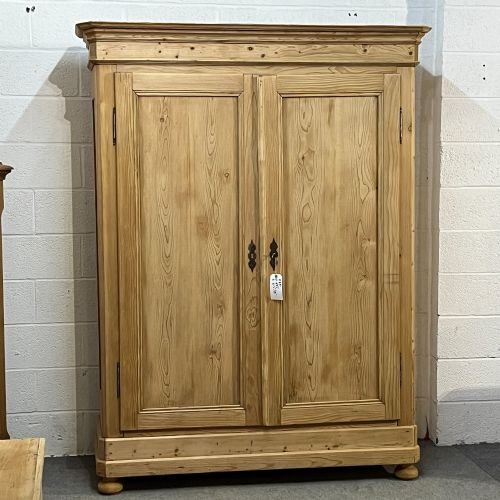
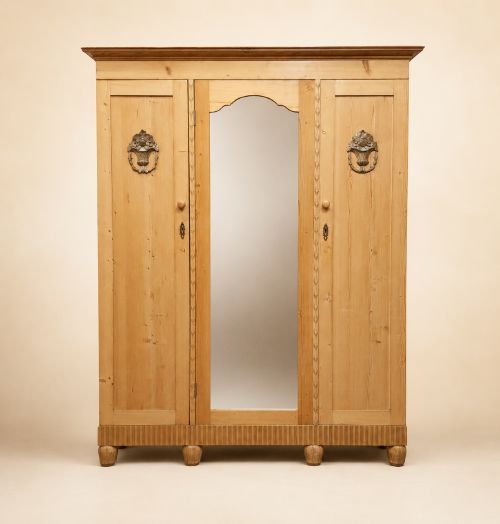
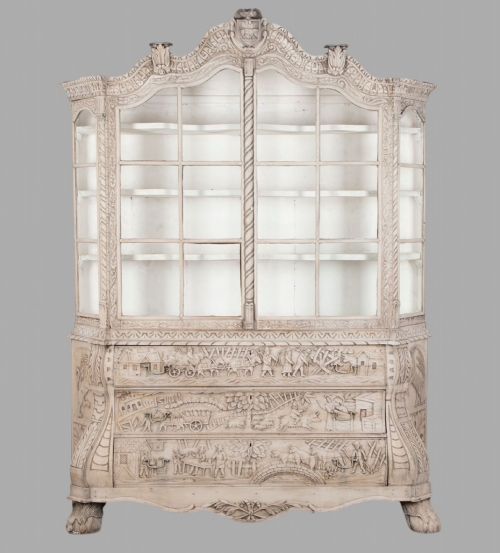
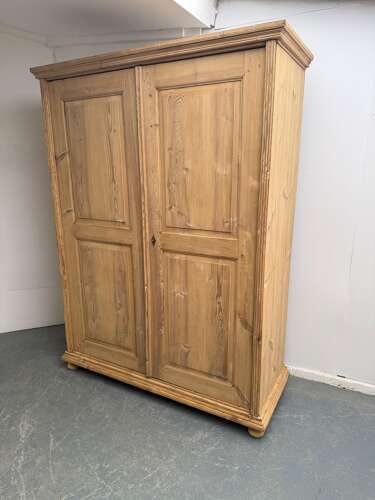
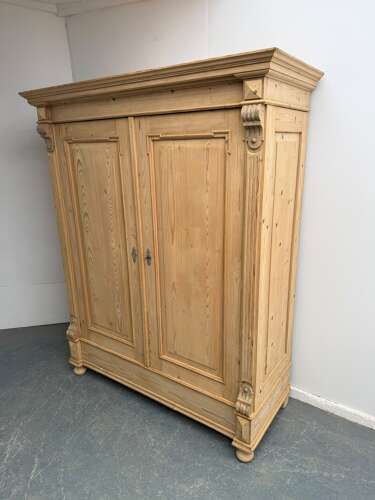
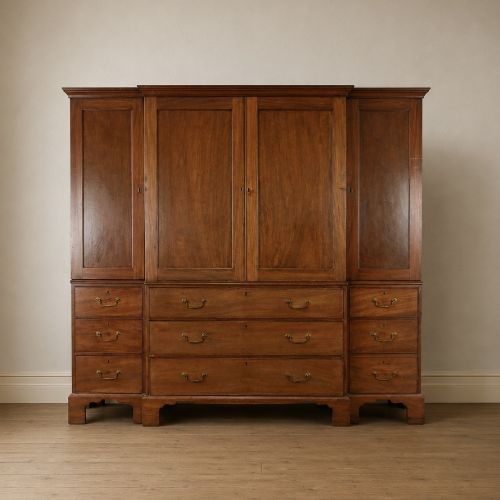
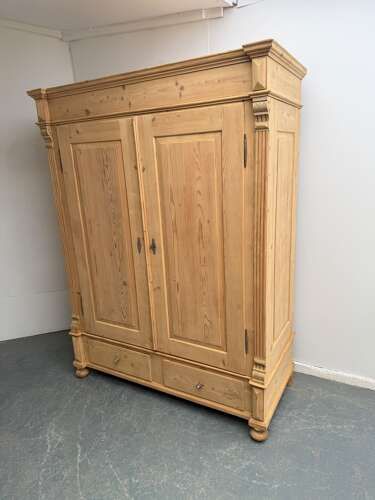
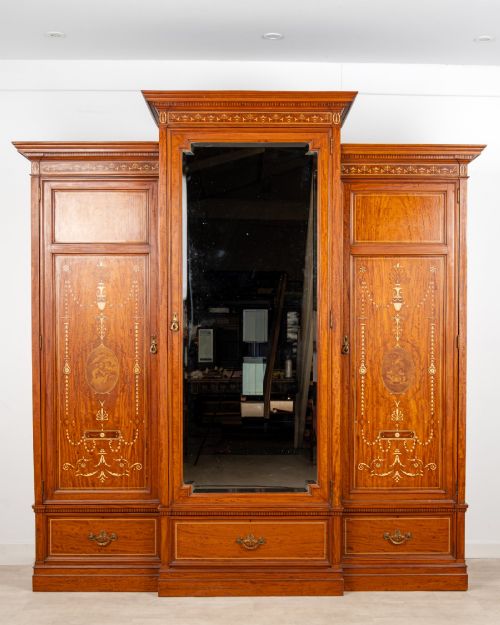
A large antique linen cupboard encompasses substantial storage forms including Georgian and Victorian housekeepers cupboards, linen presses, armoires, and knockdown wardrobes. These pieces emerge across the eighteenth, nineteenth, and early twentieth centuries in varying regional styles from British workshops to French and Dutch provinces.
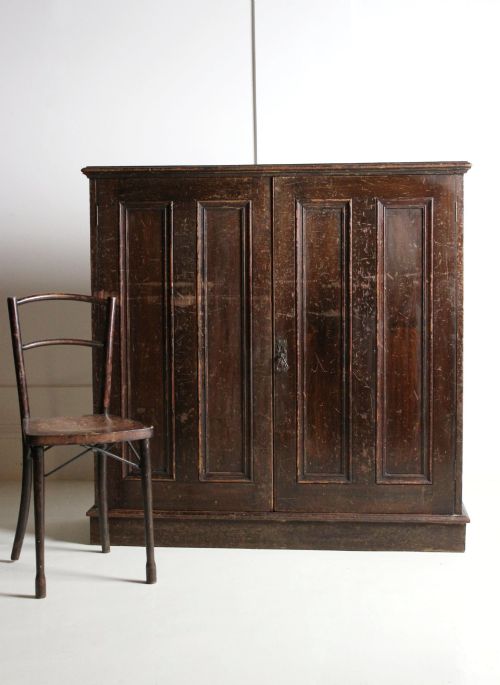
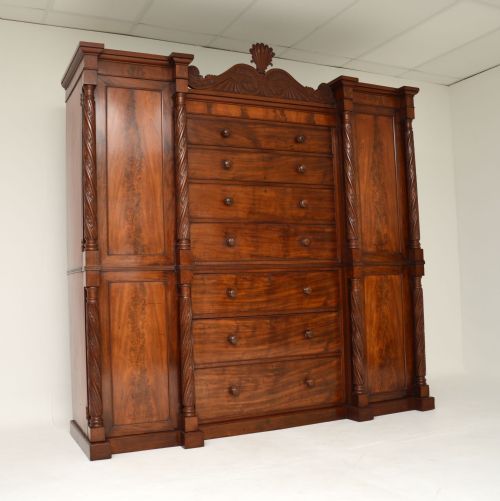
Pine examples dominate the available selection, often found as large knockdown wardrobes or painted country cupboards, while grander formal rooms yield mahogany, oak, and burr walnut breakfronts and compactums. Buyers meet robust utilitarian pine storage alongside heavily carved or inlaid statement armoires designed to anchor a bedroom or hallway.
Materials and construction
Makers built these large cabinets primarily in solid pine, oak, and mahogany, frequently employing secondary timbers like walnut and cherry for panels and interior drawers. Construction relied on traditional joinery such as dovetailing for internal drawers and panel-and-frame assembly to allow timber movement across large doors and sides.
Many of the grander pine wardrobes utilise knockdown construction with pegged or bolted joints so these substantial pieces could move between rooms. Surface finishes range from natural wax and polished flame mahogany to historic painted layers and gilt bronze or brass hardware.
Some nineteenth-century pine wardrobes retain builder chalk marks tucked inside the knockdown joints.
Proportions and timber
Quality rests heavily on the selection of timber and the harmony of original proportions, distinguishing utilitarian workshop builds from high-status cabinet work. Uniform grain, well-figured flame mahogany, burr walnut veneers, and deeply carved oak indicate superior commissions.
The integrity of original brass fittings, working locks, internal linen slides, and clean drawer construction separate untouched survivals from heavily altered pieces. Retaining the original knockdown bolts and cornice mouldings maintains the architectural balance intended by the maker.
Maple & Co
The Large Linen Cupboard Glossary
- Linen press
- A tall cupboard featuring upper sliding trays or shelves for linen storage above a base of wider drawers.
- Compactum
- A fitted wardrobe divided internally into designated compartments for hanging, shelves, and drawers.
- Knockdown wardrobe
- A large piece designed to dismantle entirely into panels, cornices, and bases for ease of transport and assembly.
- Breakfront
- A piece of furniture where the central section projects forward from the flanking outer wings.
- Armoire
- A large upright cupboard or wardrobe, typically of continental European origin, with hinged doors enclosing hanging space or shelves.
Large Linen Cupboard: Frequently Asked Questions
What is a linen press?
A linen press is a tall storage cabinet that traditionally combines sliding shelves or trays in the upper section with deep drawers in the base. These compartments kept folded textiles organised before the widespread adoption of modern hanging wardrobes.
Over time, many examples were converted internally to take hanging rails while retaining their traditional multi-door exterior facades.
How do I assemble a knockdown wardrobe?
Knockdown wardrobes utilise internal bolts, tongue-and-groove joints, and pegged cornices designed to slot together without permanent glue. Working with a helper allows you to align the heavy side panels into the base before dropping the top cornice into place.
Checking that the structure sits square on the floor ensures the large doors hang level and swing freely within their frames.
Are these cupboards deep enough for modern hangers?
Georgian and early nineteenth-century wardrobes were often built for shallow coat hangers or folded garments rather than modern bulky wooden hangers. Later Victorian and Edwardian iterations generally offer greater internal depth to accommodate contemporary clothing.
Verifying the internal depth measurements before purchase ensures your garments will hang without crushing against the back panel or doors.
How do I care for antique pine furniture?
Antique pine responds best to natural beeswax applied sparingly and buffed with a soft cloth to nourish the dry timber. Placing these large pieces away from direct heat sources and strong sunlight prevents the wood from warping and keeps painted finishes stable.