

Lalique Art Glass
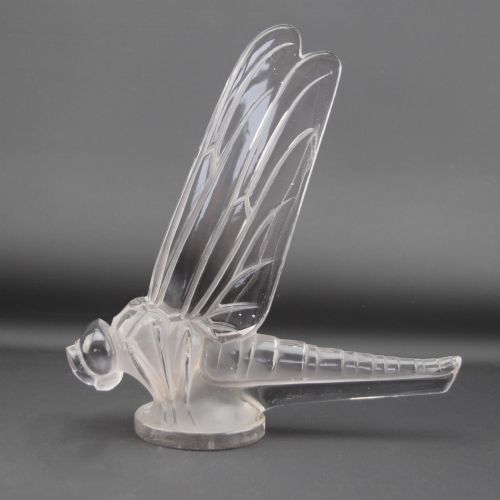
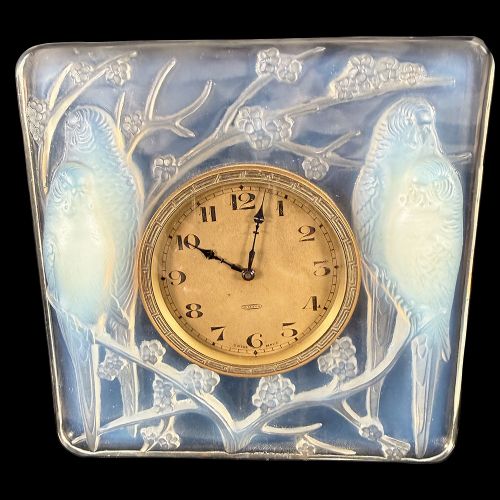
Lalique art glass brings together tactile opalescent pieces and sculptural car mascots defined by distinctive twentieth-century styling.
Lalique Art Glass
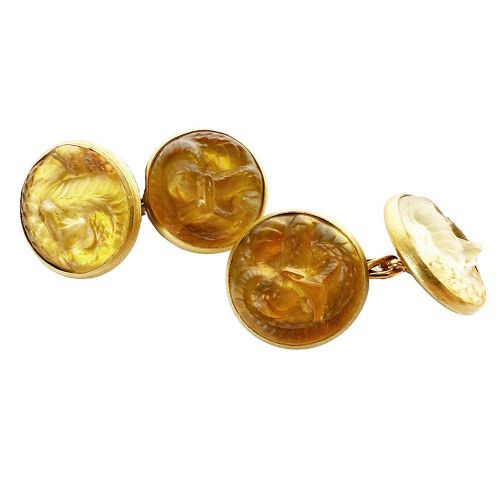
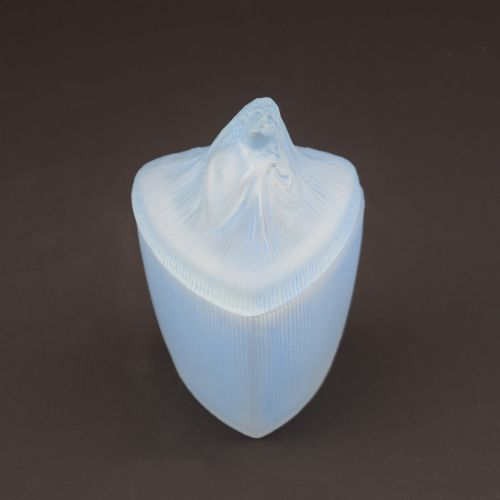
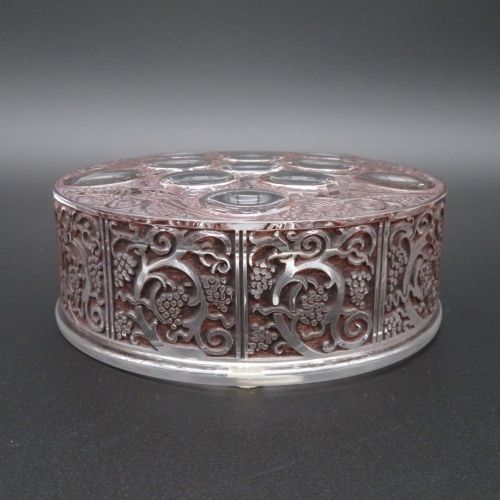
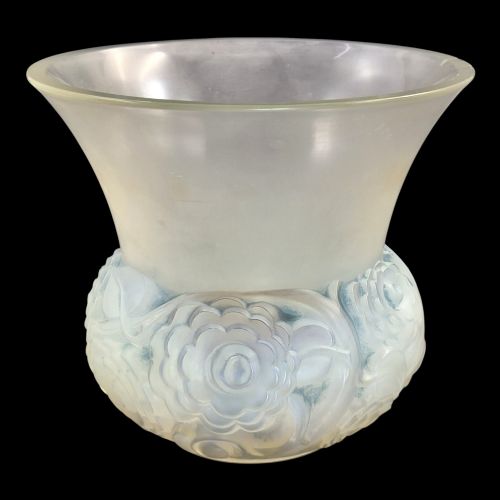
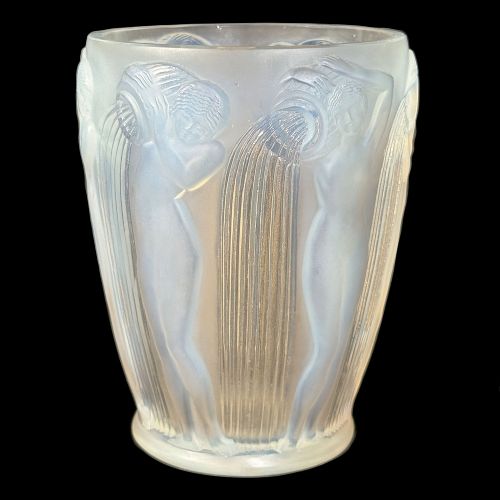
Lalique art glass encompasses decorative objects from the early twentieth century through the mid-twentieth century, capturing both the flowing lines of Art Nouveau and the geometric symmetry of Art Deco. Collectors searching for lalique art glass encounter a diverse selection of forms including vases, bowls, perfume bottles, car mascots, and powder boxes. The material vocabulary of these pieces relies heavily on opalescent, frosted, moulded, and clear glass combined with metal and enamel elements.
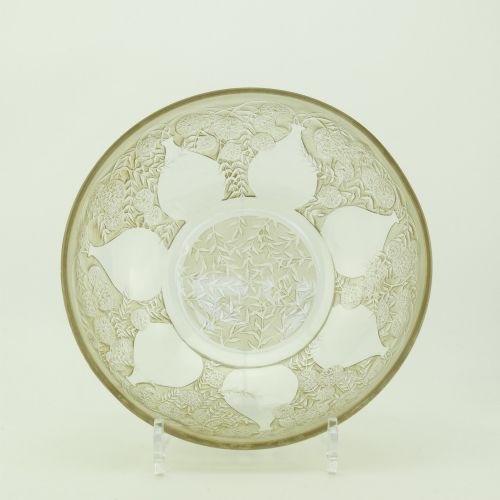
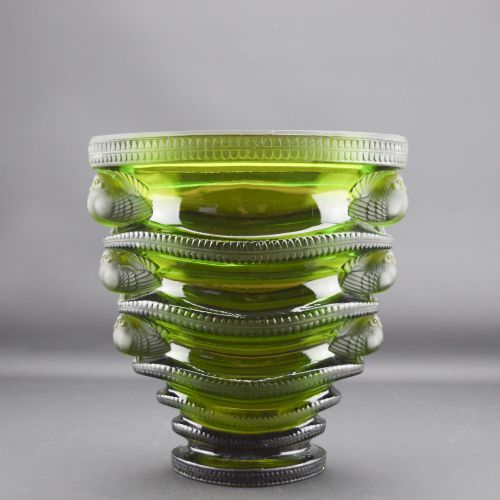
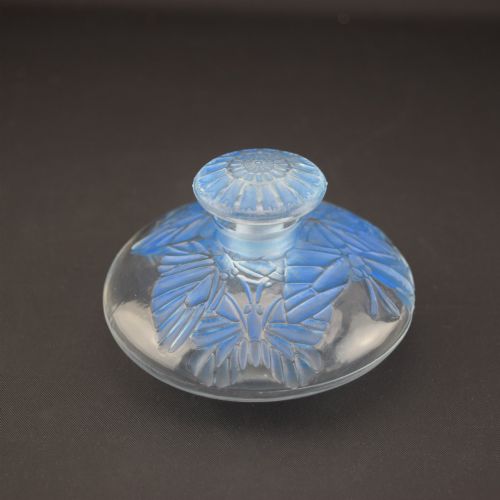
Vases and decorative bowls dominate the inventory, frequently featuring moulded floral, animal, or human motifs. Pieces such as the Saint-Marc and Ceylan vases demonstrate the sculptural depth achieved during the nineteen-twenties and nineteen-thirties. Smaller items like perfume bottles and paperweights follow the same decorative principles, maintaining intricate relief work on a domestic scale.
Materials and techniques
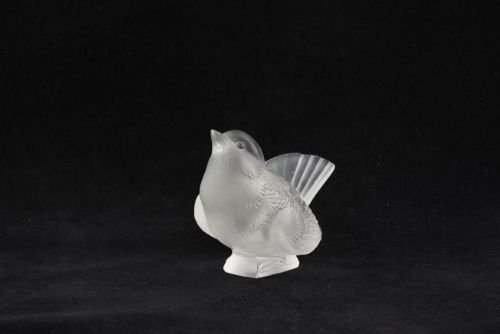
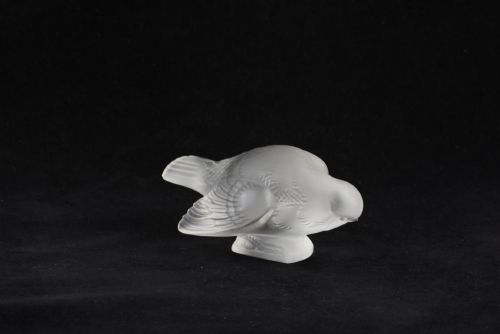
Production utilises moulded glass, crystal, and frosted glass to create high-relief textures and contrasting opacities. Molten material is pressed into metal moulds, allowing crisp surface details and three-dimensional subjects to emerge across vases, bowls, and car mascots.
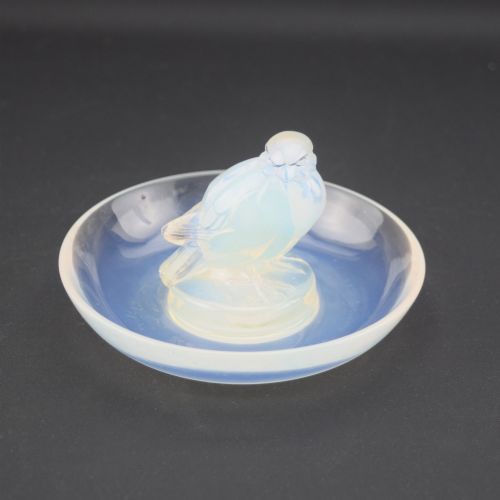
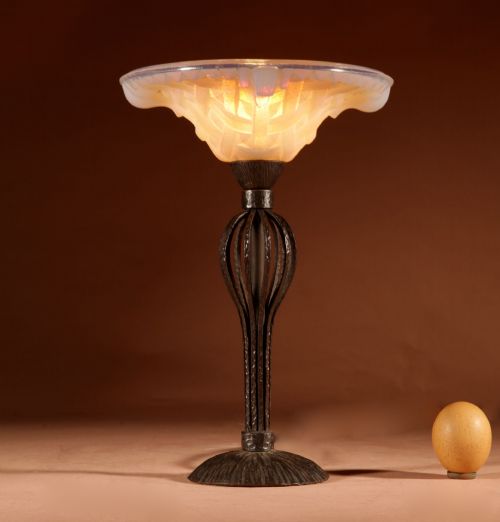
Makers enhance the tactile qualities of the glass by applying enamel, blue staining, or metal mounts, as seen in items combining wrought iron and opalescent glass. These finishes highlight the contours of moulded birds, insects, and figures against frosted or clear grounds.
Listings feature opalescent, frosted, moulded, and clear glass forms spanning the Edwardian period through the nineteen-thirties.
Assessing quality
Quality rests on the crispness of the moulded relief and the successful integration of opalescence within the glass. Superior examples exhibit strong depth and clarity in the frosted details without obscuring the underlying design.
The sophistication of secondary materials, such as enamel staining or metal mounts, differentiates standard production from more ambitious decorative objects. Surface preservation and the even distribution of opalescent tones dictate the visual strength of each piece.
Rene Lalique·Lacroix
The Lalique Art Glass Glossary
- Opalescent glass
- Glass that diffuses light to display milky or bluish highlights against a translucent background. This optical effect shifts depending on the angle of illumination.
- Frosted glass
- Glass treated to produce a textured, non-reflective surface that accentuates relief decoration. It provides a contrast to polished or clear sections.
- Car mascot
- A sculptural ornament mounted on the radiator cap of an automobile during the early twentieth century. These moulded glass figures were produced in significant numbers for luxury vehicles.
- Moulded glass
- Glass formed by pressing molten material into a prepared metal or wooden mould. This technique allows for repeatable, high-relief ornamentation.
- Coupe ouverte
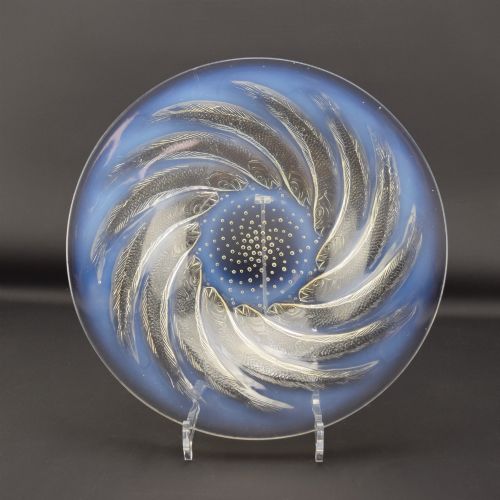
- An open bowl or shallow dish designed for decorative display or domestic use. They frequently feature repeating radial motifs.
Lalique Art Glass: Frequently Asked Questions
What periods do these glass pieces come from?
The inventory spans the Edwardian era, the nineteen-tens, nineteen-twenties, and nineteen-thirties. Art Nouveau and Art Deco styles dominate these decades.
Production methods evolved from early floral interpretations to bold geometric and figurative designs associated with the interwar period.
What is opalescent glass?
Opalescent glass contains chemical agents that cause the material to catch light with a milky, iridescent glow. The glass appears amber or clear in transmitted light and blue or white in reflected light.
This property gives moulded reliefs significant visual depth.
How can I distinguish Art Nouveau from Art Deco pieces?
Art Nouveau items feature asymmetrical, flowing lines inspired by natural forms like flowers, serpents, and insects. These pieces date predominantly from the Edwardian period and the nineteen-tens.
Art Deco works rely on symmetry, stylised geometry, and structured relief work typical of the nineteen-twenties and nineteen-thirties.