




French Crystal Vessel
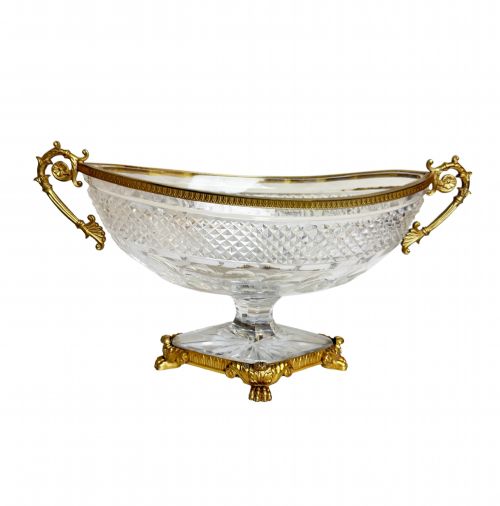
A french crystal vessel brings together the clarity of fine glass and the weight of gilt bronze, making it a striking centrepiece for any room.
French Crystal Vessel
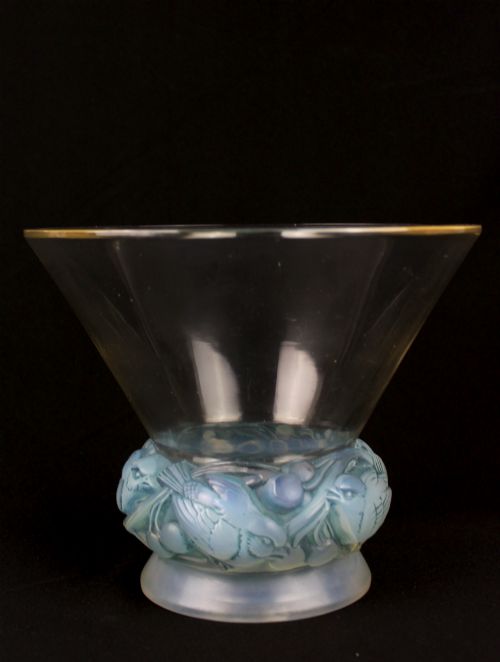
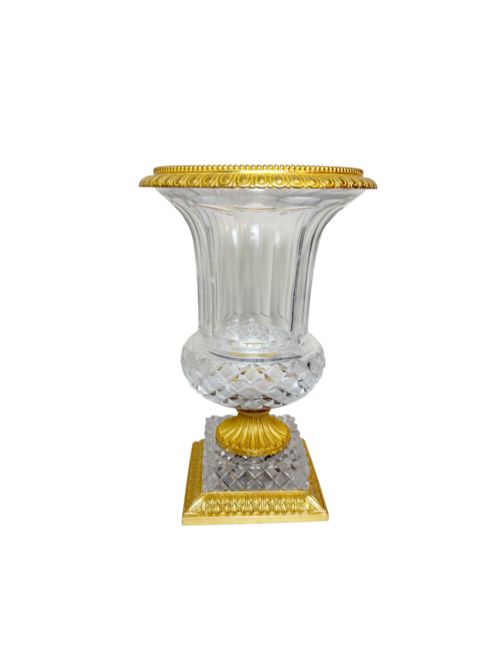
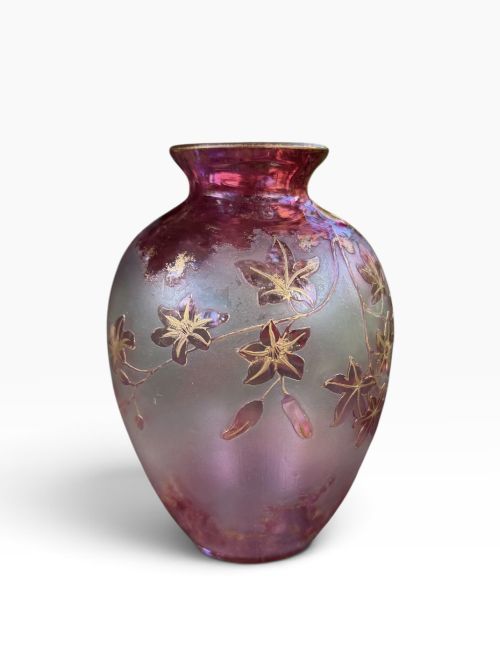
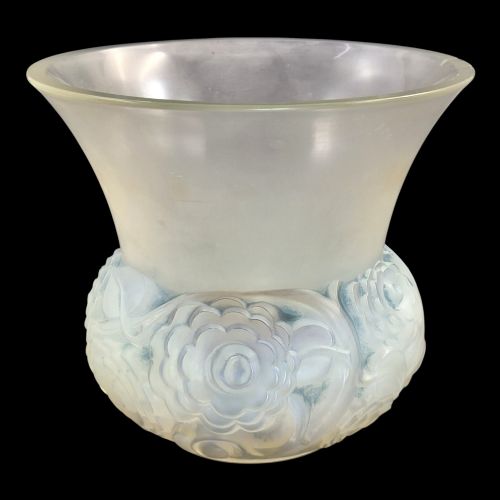
When you search for a french crystal vessel, you encounter a selection of decorative pieces spanning from the late nineteenth century through the Art Deco period. The items on this page range from grand centrepieces and jardinières to sculptural vases and bowls.
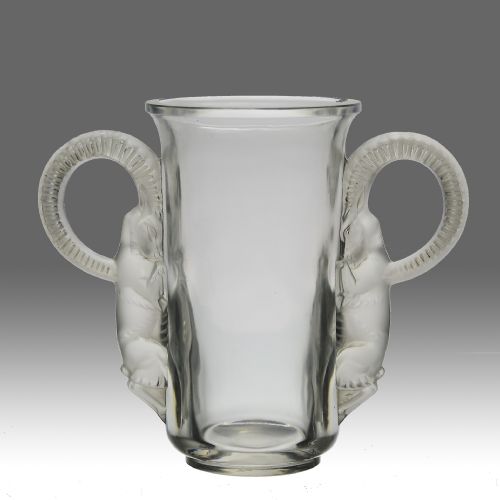
The most common versions you are likely to meet include opalescent and frosted glass vases by René Lalique alongside nineteenth-century pieces mounted in gilt bronze or ormolu. These objects reflect the changing tastes of French design across several decades, moving from ornate nineteenth-century styles to clean modernist lines.
Materials and manufacture
Makers shaped these items using clear, frosted, opalescent, and cut crystal glass, frequently combining the glass with gilt bronze, ormolu, and paste gilt decoration. Such combinations required close collaboration between glassworkers and metalworkers to ensure a secure fit between heavy mounts and delicate vessels.
Techniques ranged from deep etching and mould-pressing to precise hand-cutting. Artisans also utilised staining, as seen in blue-stained glass details, to add contrast and depth to relief patterns.
French Crystal Vessel Retail Price Guide 2026
Typical asking prices for french crystal vessel among the pieces listed under this phrase on Sellingantiques today, from the lower quarter to the upper quarter. They describe what is for sale here now, not the wider market.
Several vases on this page are named after delicate flora like ferns, acacia, and bluebells, capturing botanical forms permanently in solid glass.
Distinguishing quality
Quality in these objects rests on the crispness of the glass moulding or the depth of the cutting and etching. Superior pieces display sharp definition in relief motifs and careful finishing on any metal mounts.
The presence of a clear signature and the weight of the material further separate standard examples from finer works. Master glassmakers achieved a translucency and tactile surface texture that lesser pieces simply do not possess.
René Lalique·Jean Luce·François-Eugène Rousseau·Baccarat
The French Crystal Vessel Glossary
- Opalescent glass
- Glass that diffuses light and displays a milky, translucent quality with iridescent colour shifts, frequently utilised in twentieth-century decorative pieces. It creates a soft glow when illuminated.
- Ormolu
- Gilt bronze mounts applied to furniture, clocks, and vessels, popular in nineteenth-century French decorative arts. It provides a rich metallic contrast to clear or coloured crystal.
- Jardiniere
- A decorative container designed to hold plants or flowers, often made from crystal and mounted in metal. These substantial vessels usually occupy the centre of a table.
- Centrepiece
- A large decorative object placed in the middle of a dining table or sideboard. In this selection, they combine cut crystal glass with heavy metal stands.
- Paste gilt
- A decorative technique applying metallic gold paint or mixture onto glass surfaces. It adds surface ornamentation that complements the transparency of the vessel.
French Crystal Vessel: Frequently Asked Questions
What is a french crystal vessel?
A french crystal vessel is a decorative glass or crystal object originating from France, encompassing vases, bowls, and jardinières from the nineteenth and twentieth centuries.
These pieces showcase various techniques such as moulding, etching, and cutting, often paired with gilt bronze mounts.
How do I identify Art Deco vessels?
Art Deco vessels typically feature geometric motifs, stylised floral patterns, and modernist silhouettes that reflect the design ethos of the 1920s and 1930s.
They frequently utilise frosted, clear, or opalescent glass to emphasise form and texture over surface colour.
How were nineteenth-century pieces decorated?
Nineteenth-century items often combined cut crystal glass with gilt bronze or ormolu mounts to create ornate table centrepieces and jardinieres.
Craftsmen also employed paste gilt decoration directly onto the crystal surface for added ornamentation.
Where should I place a centrepiece?
Large centrepieces and jardinieres suit prominent locations such as dining tables, sideboards, or entrance halls where their weight and height can be appreciated.
Ensure the placement allows adequate lighting to pass through the clear or opalescent glass.