



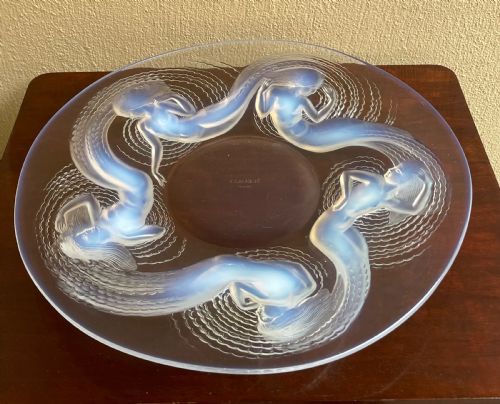


French Art Glass Dish
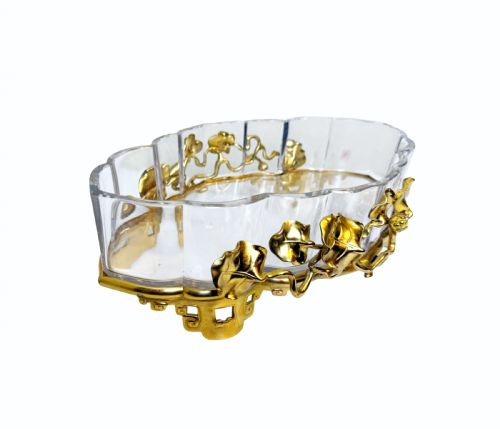
These french art glass dish pieces bring tactile elegance to a table, combining mould-pressed techniques with the luminous depth of opalescent and crystal materials.
French Art Glass Dish
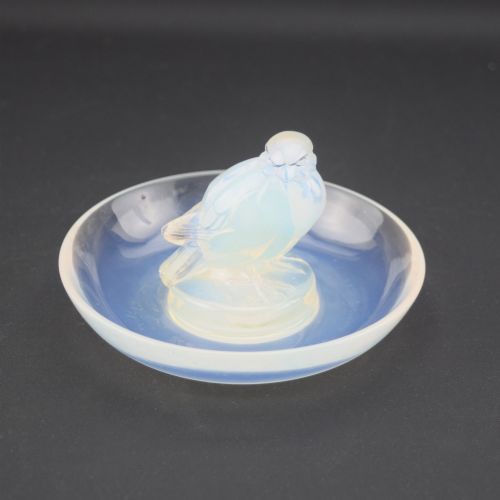
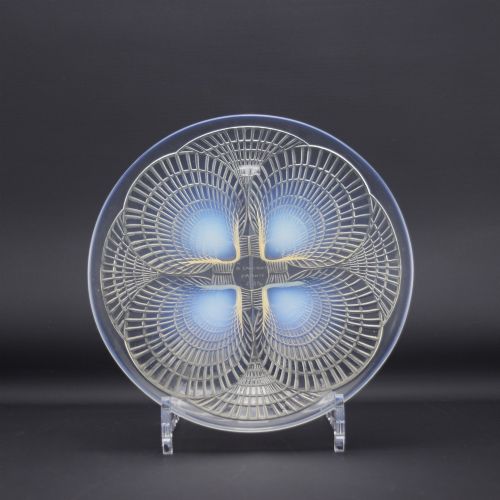
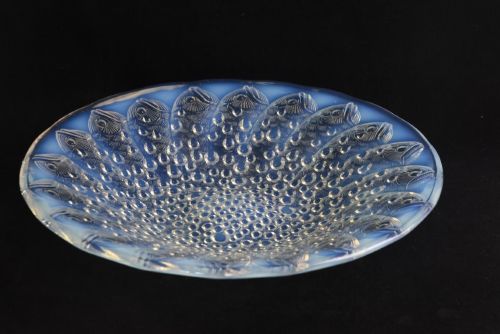
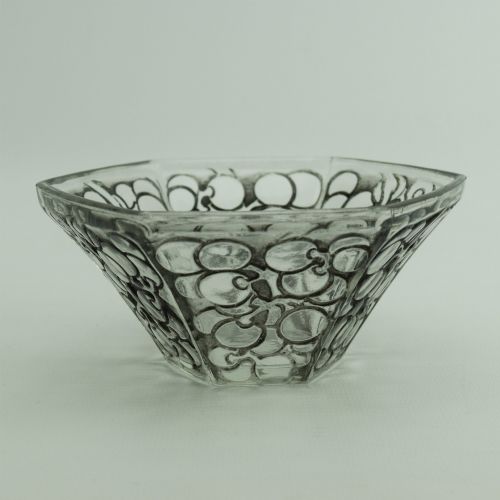
A french art glass dish encompasses decorative bowls, plates, pin dishes, and chargers created during the late nineteenth and early twentieth centuries. The selection centres heavily on opalescent glass and moulded glass forms from the Art Deco and Art Nouveau periods.
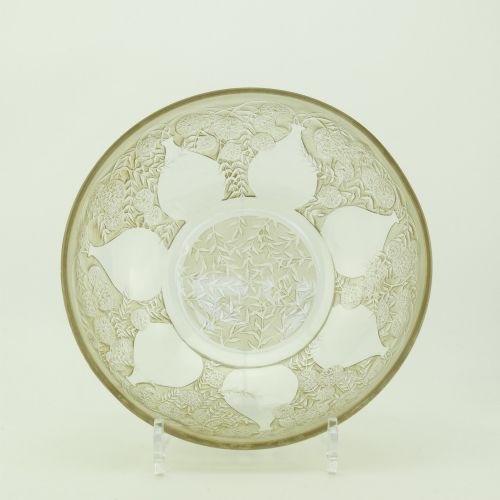
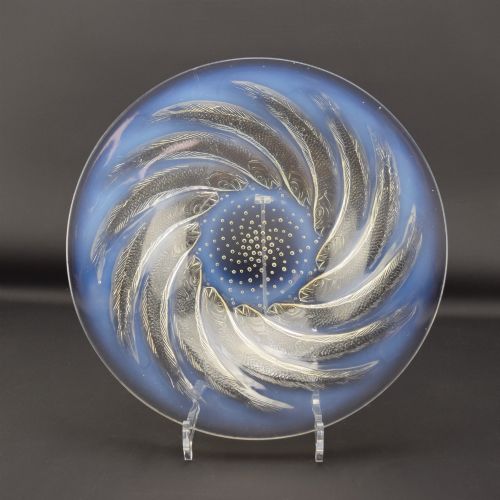
Moulded vessels and shallow plates frequently display botanical or aquatic motifs such as fish, leaves, and flower heads. Collectors encounter both clear crystal centrepieces and sepia stained or frosted glass table accessories originating from French workshops.
Evaluating standard and finish
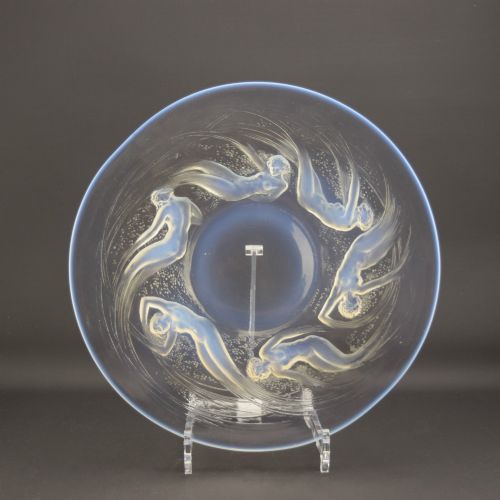
Quality rests upon the crispness of the relief moulding and the subtle interplay of light within the opalescent or frosted body. Superior examples maintain sharp definition in complex motifs without softening in the recessed areas.
The sophistication of secondary surface work, including enamel highlights or deliberate staining, separates standard production from finer studio output. Weight and balance in the heavy crystal or pressed glass body also indicate the standard of execution.
Canines take centre stage on early plates depicting hunting dogs, proving even glassmakers enjoyed a hound's company.
Rene Lalique·Daum France·St Louis glassworks·Baccarat·G Vallon·Etling
The French Art Glass Dish Glossary
- Opalescent glass
- A type of glass that appears milky-blue in transmitted light and warm amber or orange in reflected light. This optical property creates shifting tones across moulded relief designs.
- Coupe ouverte
- An open bowl shape with shallow sides used for display or table service. These pieces frequently feature prominent rim decoration.
- Pâte de verre
- A glass-casting method where crushed glass is packed into a mould and fused in a kiln. The resulting material has a dense, granular texture.
- Latticinio
- A decorative glass technique incorporating fine white or coloured glass threads twisted within a clear matrix. It appears in nineteenth-century sugar bowls and small vessels.
- Charger
- A large decorative plate utilised as a centrepiece base or serving vessel. These items showcase expansive moulded pictorial scenes.
French Art Glass Dish: Frequently Asked Questions
How do I clean an antique glass dish?
Wash the vessel gently in lukewarm water using mild soap, avoiding abrasive cloths or harsh chemical cleaners that might damage surface staining.
Dry the piece immediately with a soft lint-free cloth to prevent water spots on frosted or opalescent surfaces.
What is opalescent glass?
Opalescent glass contains chemical additives that diffuse light, causing the material to catch blue tones from certain angles and warm hues from others.
This property gives moulded floral and animal motifs a lifelike three-dimensional depth.
Where were these dishes made?
Production centred primarily in France during the Art Nouveau and Art Deco eras, involving major glassworks and independent studio artists.
Regional hubs included Paris and eastern manufacturing districts known for crystal and pressed glass.
How are Art Deco dishes dated?
Dating relies on stylistic motifs, manufacturing signatures, and registration marks associated with specific French periods from the early twentieth century.
Design characteristics like geometric borders or stylised floral patterns help narrow the creation window.