


Lakai Tribe Embroidery
Lakai tribe embroidery brings vibrant Central Asian textiles into your space, offering rich patterns crafted for traditional nomadic life.
Lakai Tribe Embroidery
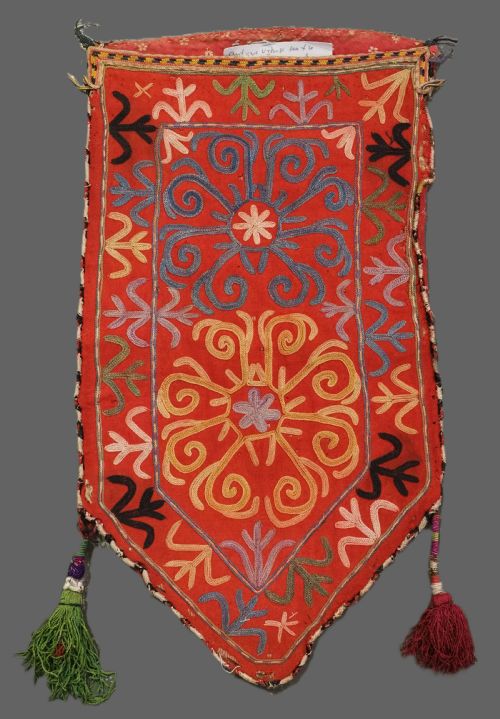
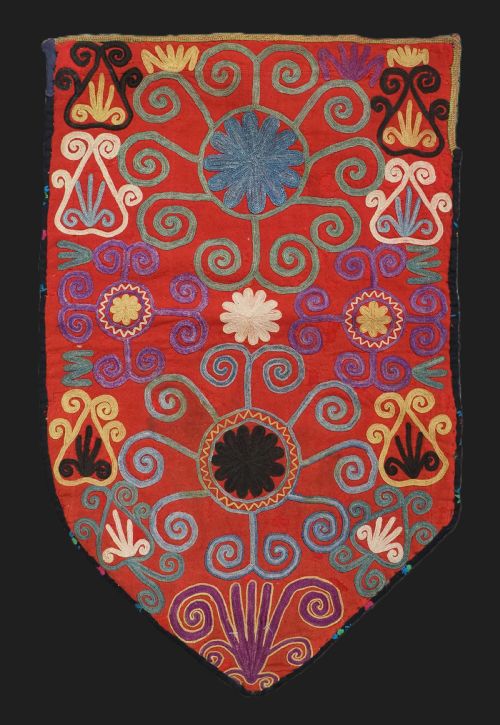
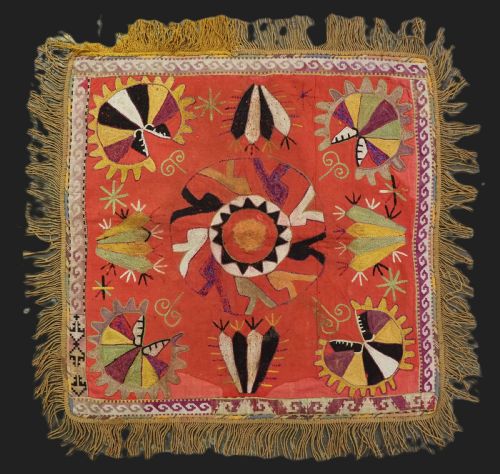
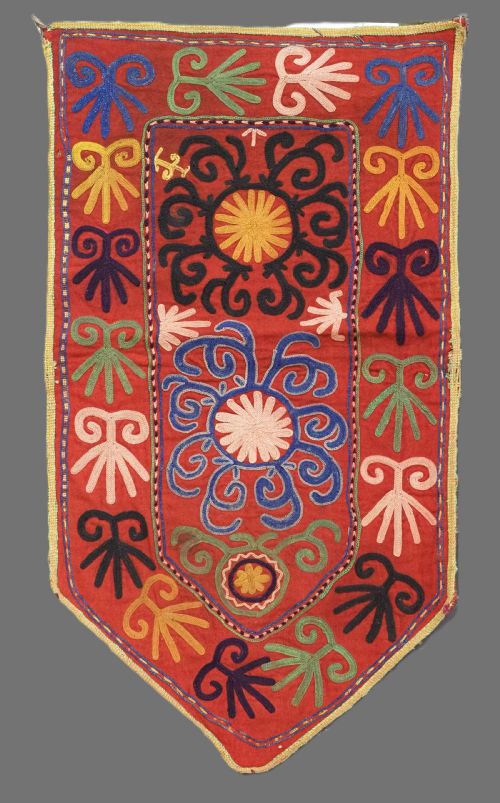
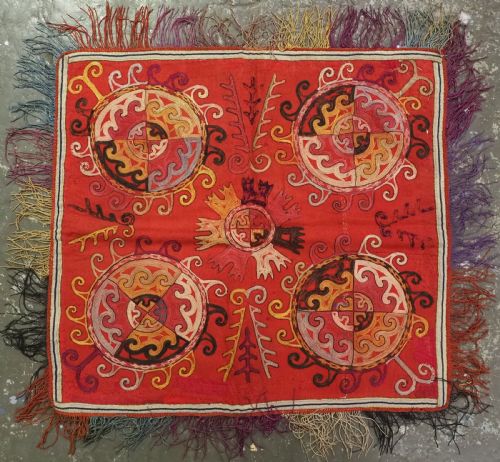
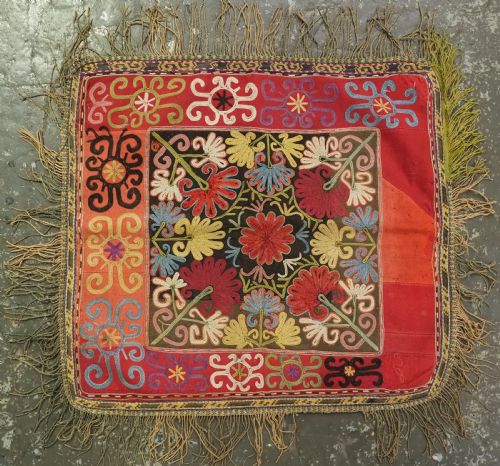
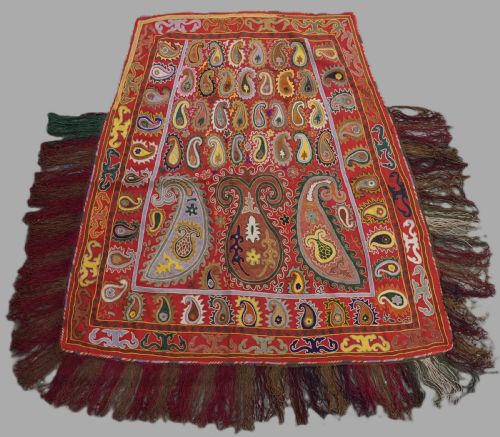
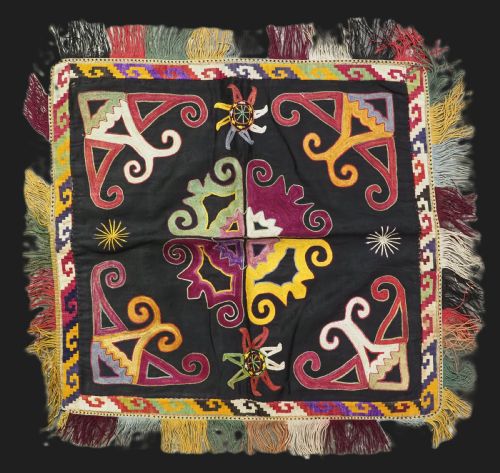
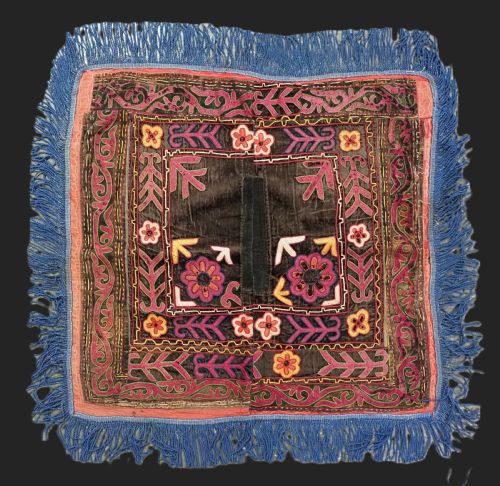
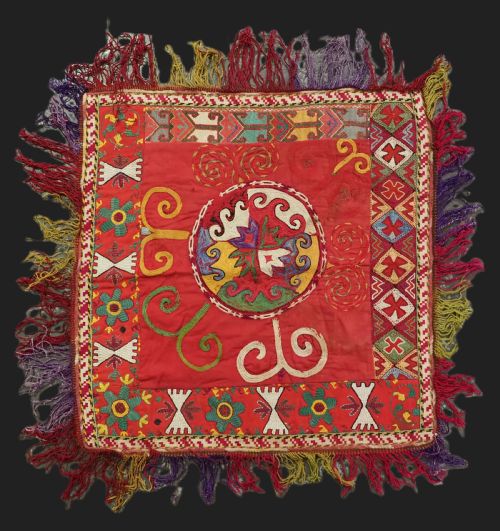
When you search for lakai tribe embroidery, you find textile art originating from Central Asian nomadic groups in Uzbekistan. These pieces take the form of wall hangings, dowry embroideries, saddle covers, and bed decorations.
The most common examples on this page are ilgich wall hangings and uut kap ilgich pieces dating from the late nineteenth century to the early twentieth century. They reflect Uzbek folk art traditions associated with Shakrisabz and surrounding regions.
How they were made
Lakai artisans utilise cotton as a foundation fabric for their work, applying silk thread and wool to build dense surface patterns. Velvet also appears as a ground material for specific decorative textiles.
The construction often incorporates wool fringe details along the edges of ceremonial horse and saddle covers. Artisans stitch intricate geometric and figurative motifs by hand onto the backing cloths.
The listings span from the 1880s to the 1930s, featuring cotton, silk, wool, and velvet materials worked into wall hangings and ceremonial covers.
What varies in quality
The distinction between standard examples and superior pieces rests on the complexity of the needlework and the density of the thread coverage. Tightly packed stitches demonstrate greater skill from the maker.
Visual balance in the traditional Central Asian tribal motifs also separates different examples. Pieces retaining vibrant silk thread and intact wool fringe hold stronger decorative presence.
The Lakai Tribe Embroidery Glossary
- Ilgich
- A traditional embroidered hanging or wall textile from Central Asia. These items often served as dowry elements in nomadic households.
- Uut kap ilgich
- A specific form of hanging associated with nomadic tent storage and domestic decoration. They display the characteristic bold geometric patterns of the region.
- Suzani
- An embroidered textile panel produced in various regions of Uzbekistan. They utilise silk thread on cotton foundations.
- Saye gosha
- A traditional bed decoration piece created with silk embroidery. These textiles formed part of domestic furnishings.
- Torba
- A small bag or hanging container produced by tribal groups. They share the decorative techniques seen on larger wall hangings.
Lakai Tribe Embroidery: Frequently Asked Questions
What is an ilgich?
An ilgich is a traditional embroidered textile created for wall hanging use in Central Asian homes. These items often formed part of a bride's dowry.
They display distinctive nomadic patterns worked in silk and wool on cotton foundations, reflecting nineteenth and early twentieth-century traditions.
How were these textiles used?
Nomadic families utilised these embroideries as wall hangings, bed decorations, and ceremonial horse or saddle covers. They served both practical and decorative functions in domestic spaces.
Items like uut kap ilgich pieces decorated the interior of traditional dwellings, while saddle covers appeared during ceremonial events.
How do I hang a textile?
Mounting a textile safely requires distributing the weight evenly across the top edge. Conservation framing or a sleeve stitched to the reverse prevents sagging.
Keep pieces away from direct sunlight to protect the natural silk and wool threads from fading over time.
Where does this embroidery come from?
These pieces originate from the Lakai people, an Uzbek tribal group based in Central Asia. Specific items trace back to locations such as Shakrisabz in Uzbekistan.
The making traditions span the late nineteenth century through the early decades of the twentieth century.