
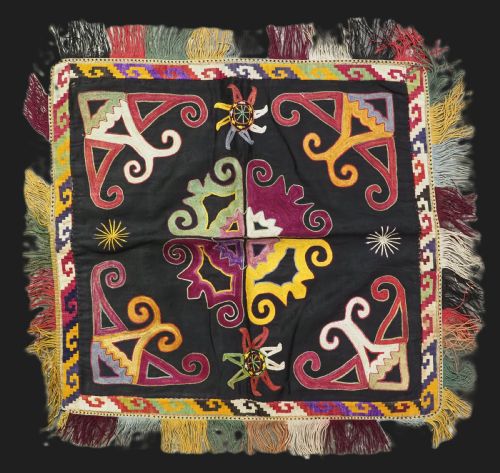


Uzbek Wool Embroidery
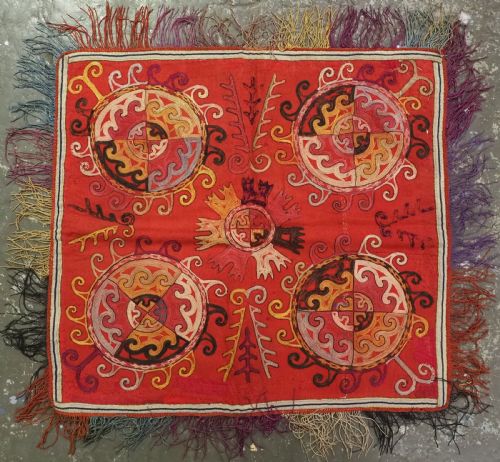
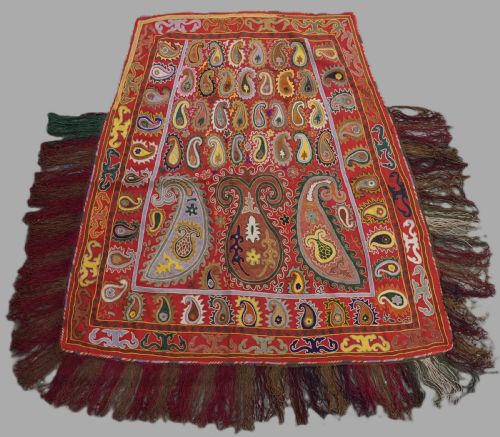
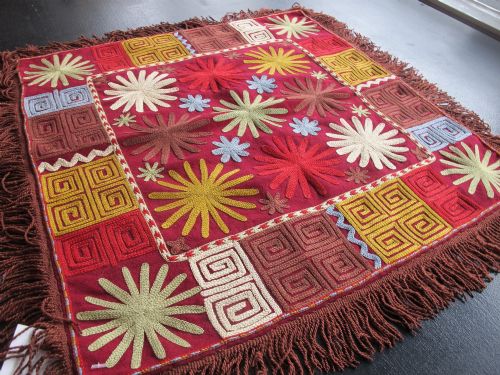
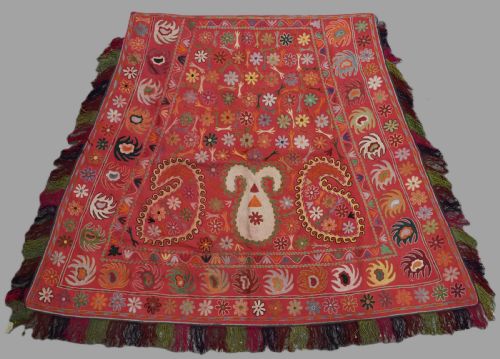
These striking examples of uzbek wool embroidery bring vibrant Central Asian nomad heritage straight onto the wall.
Uzbek Wool Embroidery
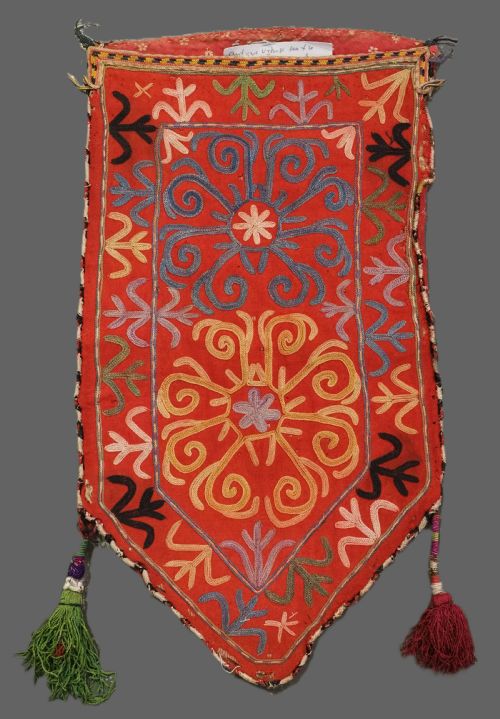
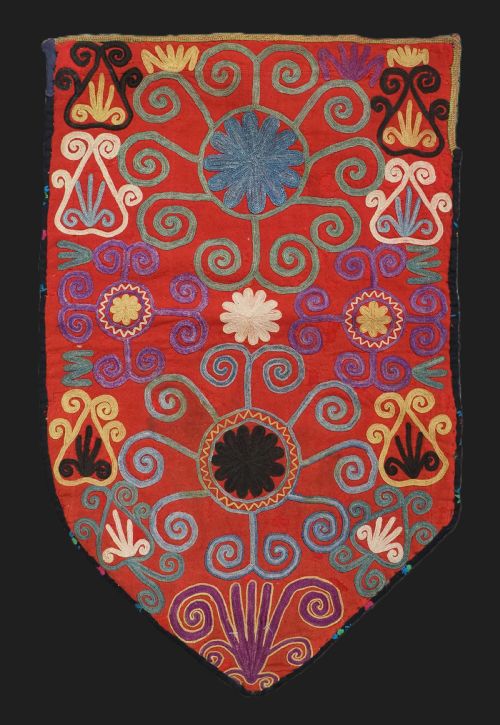
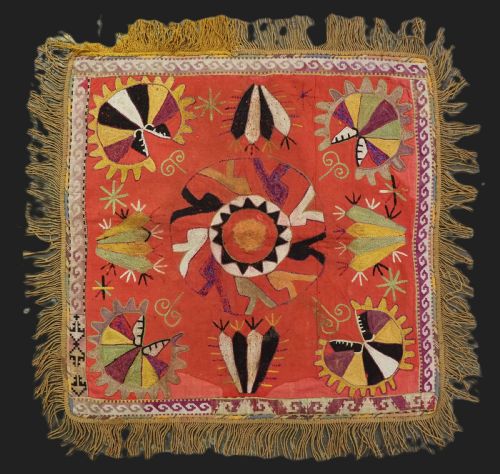
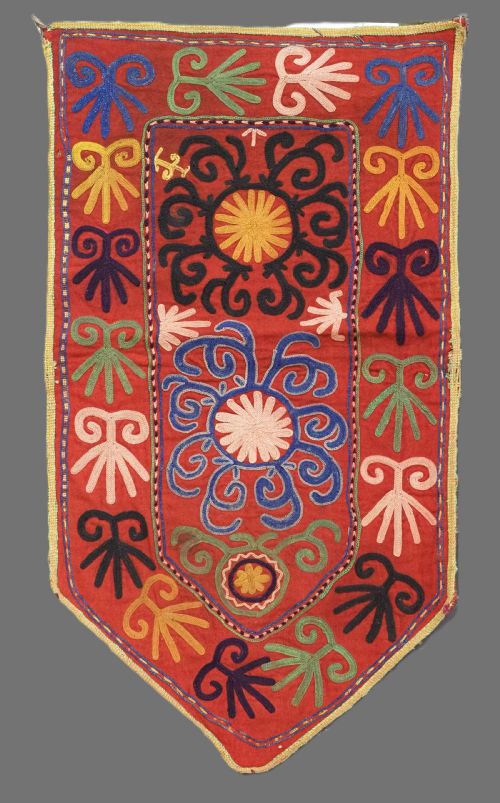
Buyers examining uzbek wool embroidery encounter textile panels, wall hangings, and ceremonial saddle covers created by tribal makers in Central Asia. The most frequent pieces met on this page include dowry embroideries and storage bag faces originating from the late nineteenth and early twentieth centuries.
The selection highlights distinct tribal traditions, particularly from the Lakai tribe based in regions such as Shakrisabz. These works serve primarily as decorative wall art, preserving traditional nomadic designs through textile art.
Materials and construction
These textiles rely on a foundation of wool, often forming a rich red ground that supports intricate stitching. Artisans apply silk threads to execute dense embroidery work across the wool surface.
The combination of wool grounds and silk needlework creates distinct texture and colour contrast. Cotton also appears within the structural elements of these handmade items.
Horses shared in the finest nomadic finery via embroidered ceremonial covers meant the animals out-dressed the riders.
Assessing quality in tribal textiles
Quality rests upon the density of the embroidery and the complexity of the tribal motifs executed across the surface. Finer needlework and well-preserved silk on wool grounds distinguish the superior examples.
The visual impact depends largely on the preservation of the red wool ground and the vibrancy of the silk threadwork. Pieces displaying meticulous execution in traditional formats represent the pinnacle of this craft.
The Uzbek Wool Embroidery Glossary
- Uut Kap
- A nomadic storage bag or hanging used within a yurt. The face of the bag forms the decorative panel seen in collections today.
- At Torba
- A ceremonial horse cover or saddle bag associated with tribal traditions in Uzbekistan. These items display elaborate embroidery intended for special occasions.
- Suzani
- An embroidered textile panel originating from Central Asia, usually featuring bold botanical or geometric motifs. They often utilise silk thread on a wool or cotton ground.
- Lakai
- A nomadic Uzbek tribe known for distinctive geometric embroidery styles. Their work frequently employs vibrant silk on dark or red wool grounds.
Uzbek Wool Embroidery: Frequently Asked Questions
What is uzbek wool embroidery used for?
These textiles function primarily as decorative wall hangings and artistic panels within modern interiors. Historically, many served as dowry items or ceremonial horse covers.
Nomadic households also utilised certain forms as decorative storage bag faces inside traditional dwellings.
How do I date these textiles?
Dating relies on stylistic analysis, material wear, and structural characteristics typical of late nineteenth and early twentieth-century production. Examining the specific tribal motifs provides further context regarding the era of manufacture.
Most surviving pieces originate from the period between eighteen eighty and nineteen twenty.
Where did these pieces originate?
The items originate from Central Asia, specifically within regions associated with Uzbek tribes such as Shakrisabz in Uzbekistan. Nomadic groups produced these works across local tribal settlements.
Each region developed distinct visual vocabularies expressed through embroidery.
How should I care for a wool wall hanging?
Protect the textile from direct sunlight to prevent the silk and wool threads from fading over time. Gentle, professional textile conservation methods ensure the longevity of the fabric.
Mounting the hanging correctly distributes the weight evenly across the structure.