
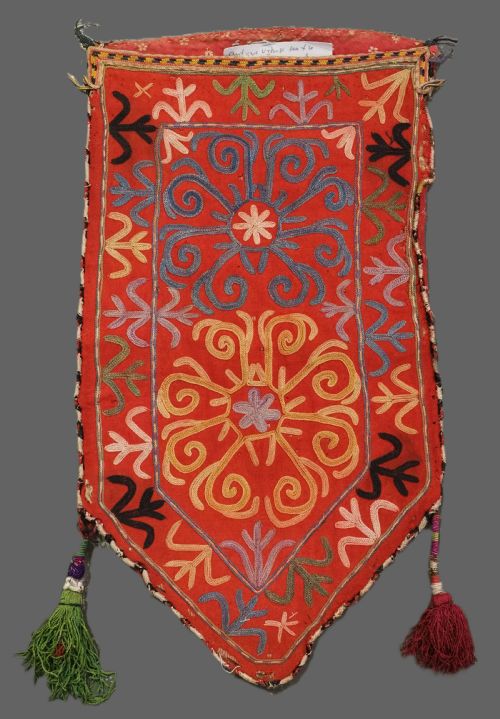
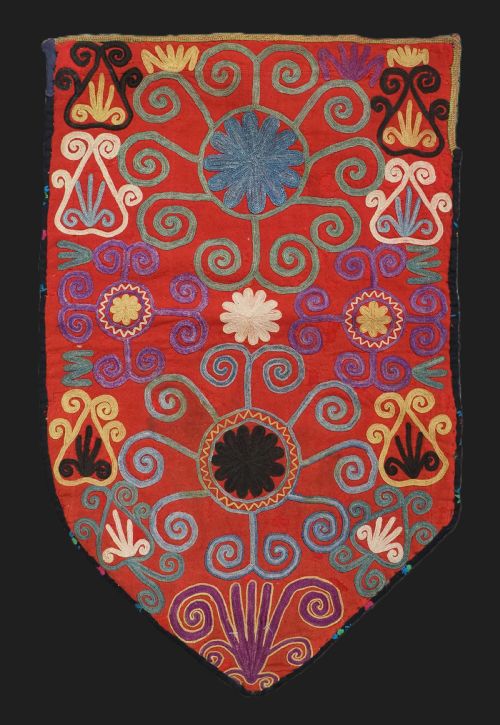
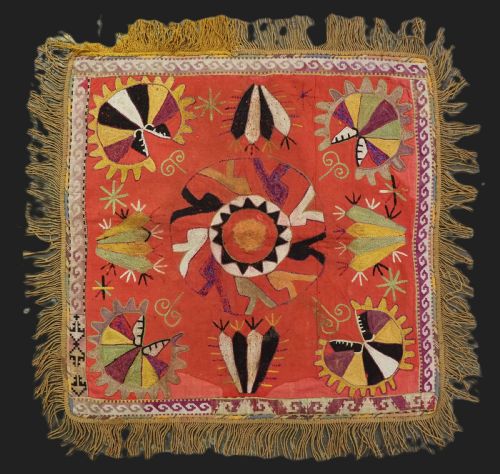
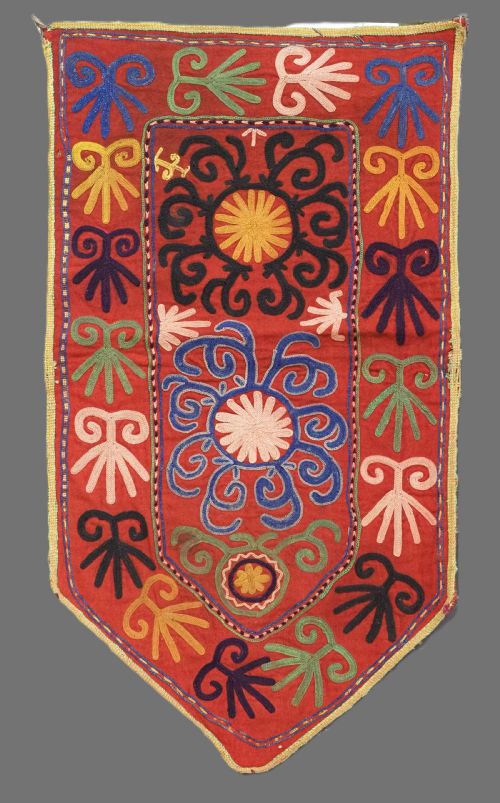
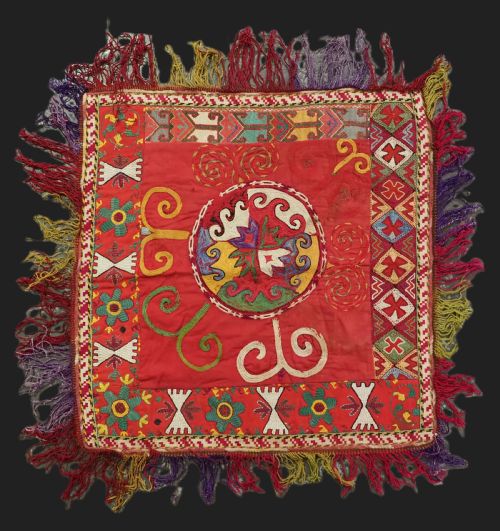


Ilgich Wall Hanging
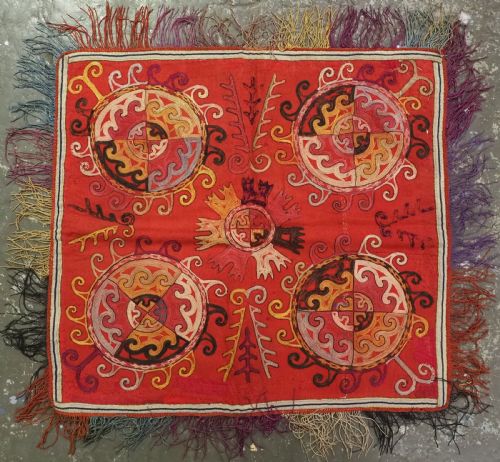
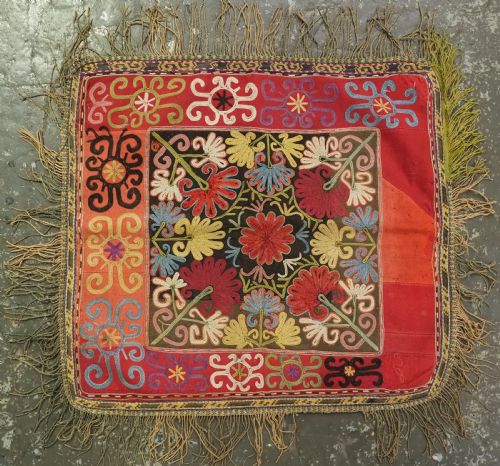
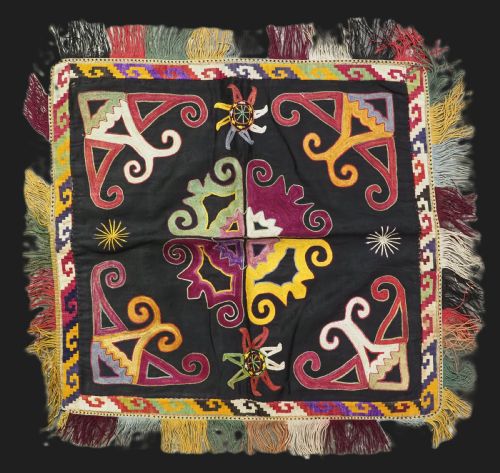
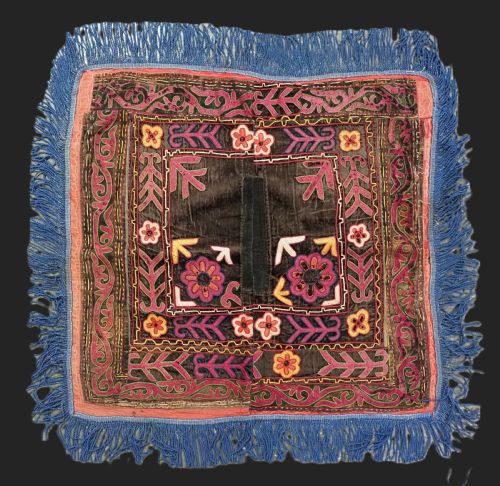
These ilgich wall hanging examples bring Central Asian tribal artistry into modern rooms as striking textile wall art.
Ilgich Wall Hanging
An ilgich wall hanging represents traditional Central Asian tribal and nomad textile art, originating primarily from Uzbek Lakai tribes and Kyrgyz makers. Buyers searching for an ilgich wall hanging encounter antique pieces created as dowry embroidery or utilitarian bags repurposed for display.
The pieces on this page span the late nineteenth century and around nineteen hundred, showcasing regional forms such as the uut kap and at torba. These works function primarily as decorative textiles, bringing historic needlework into domestic interiors.
Assessing quality in tribal embroidery
Quality in these textiles rests upon the density of the embroidery and the complexity of the tribal motifs. Superior examples display precise needlework and vibrant colour preservation across silk and wool elements.
The visual impact depends on the balance of the composition and the condition of the fabric ground, such as the depth of the red wool. Finer pieces maintain structural integrity alongside intricate, expressive pattern work.
Several examples began life as horse bags before finding a second career as sophisticated wall art.
The Ilgich Wall Hanging Glossary
- Ilgich
- A Central Asian embroidered textile, frequently associated with dowry items or storage bags.
- Uut kap
- A type of Central Asian bag or hanging associated with nomadic yurt furnishings.
- At torba
- A decorative horse bag or trapping from tribal traditions, often adapted as a wall hanging.
- Lakai
- A Central Asian Uzbek tribe renowned for distinctive, dynamic embroidered textile art.
- Dowry embroidery
- Needlework created by a bride as part of her marriage portion, preserved for household display.
Ilgich Wall Hanging: Frequently Asked Questions
How are they displayed?
These textiles serve as wall hangings and decorative art pieces within modern and traditional interiors alike.
Collectors typically mount them flat on neutral backings to protect the historic fabric while showcasing the detailed needlework.
Which tribes made these?
The pieces available originate primarily from Central Asian tribal groups, with a strong representation from the Lakai Uzbeks and Kyrgyz makers.
Specific origins often point to regional centres like Shakrisabz in Uzbekistan.
What materials were used?
Artisans employed a mix of silk, cotton, wool, and velvet in the creation of these embroidered works.
Silk embroidery is frequently set against a distinctive wool ground, such as a rich Mogul red fabric.