




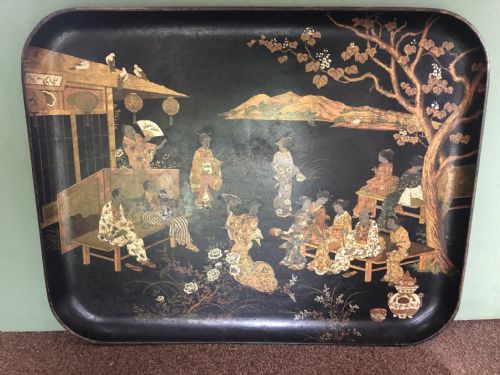
Lacquered Decorative Platter
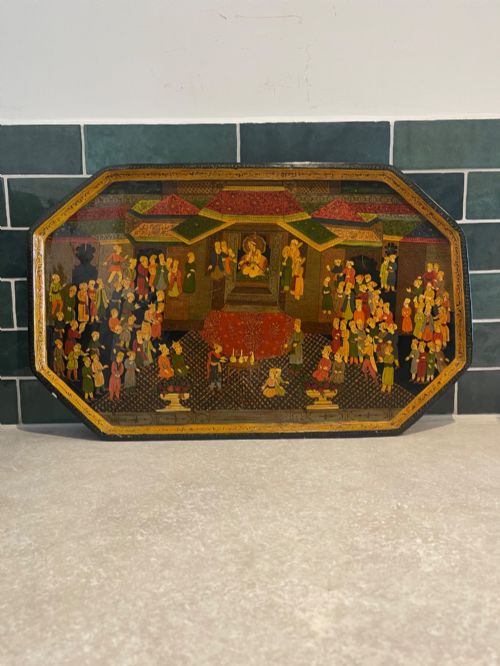
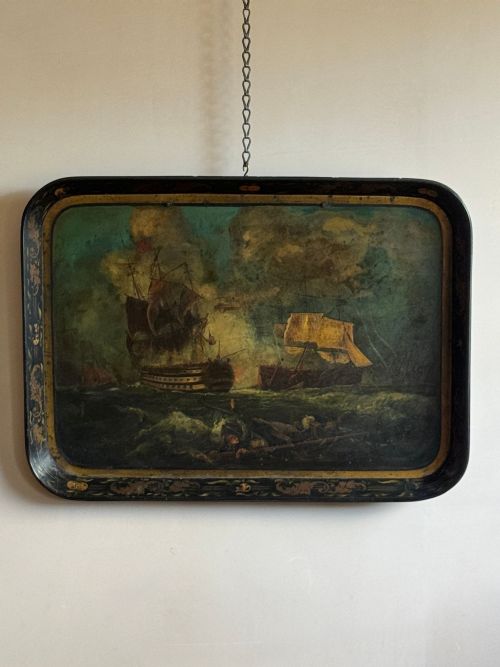
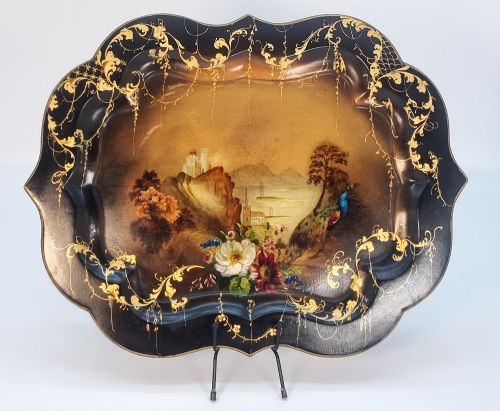
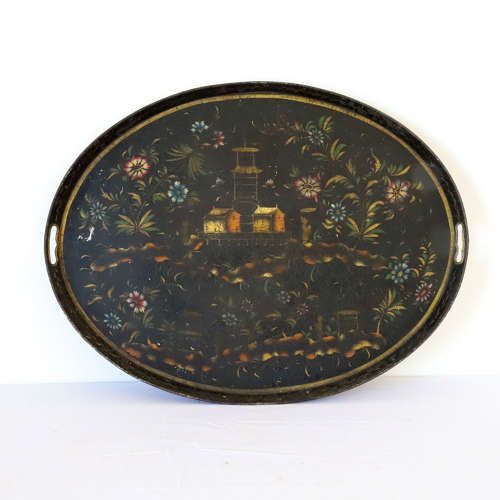
These lacquered decorative platter examples bring rich surface depth and history to a room, offering both artistry and practical display.
Lacquered Decorative Platter
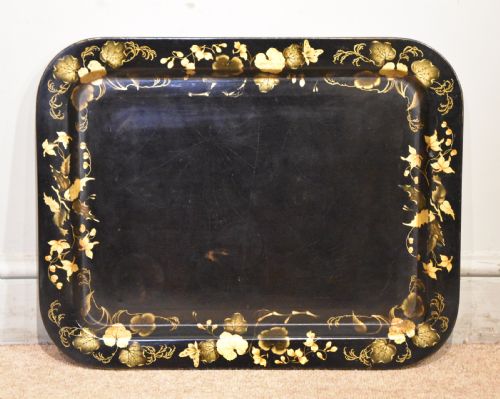
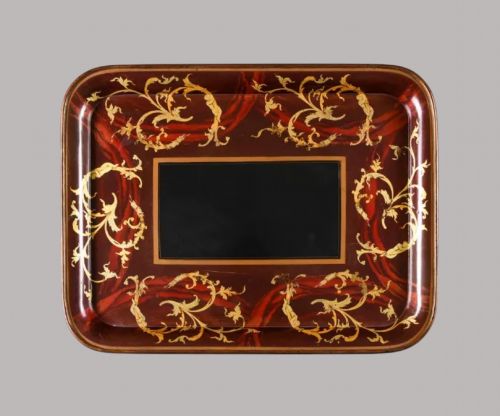
A lacquered decorative platter spans centuries of craftsmanship, taking forms such as serving trays, wall plaques, and large chargers. The pieces you meet on this page lean heavily toward the nineteenth century, including Regency examples and Victorian papier-mâché works.
Origin points range widely from English workshops to French, Swedish, Kashmiri, Chinese, and Japanese makers. Most items function equally well as wall hanging plaques or surface centrepieces depending on their depth and decoration.
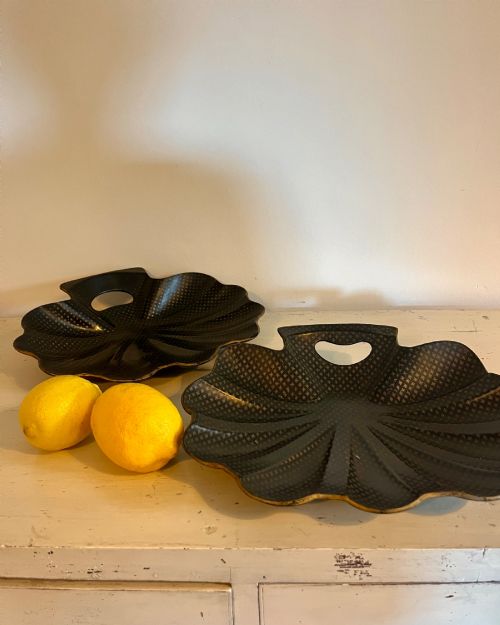
Forms alternate between oval, rectangular, and round formats, with sizes shifting from small domestic trays to massive chargers. The common thread uniting them is a polished lacquered surface applied to materials like papier-mâché, wood, or metal.
How They Were Made
Makers built papier-mâché bodies from layers of paper pulp or bonded sheets, pressing them into moulds before smoothing and hardening the core. This provided a lightweight yet durable foundation ready to receive multiple coats of dark lacquer.
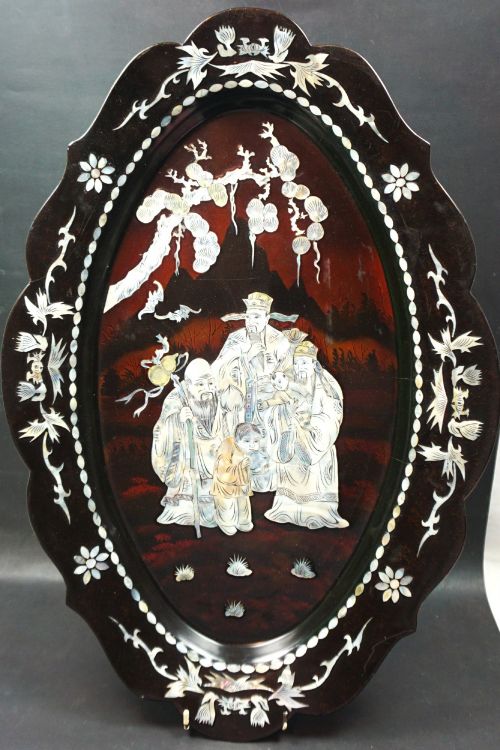
Surface decoration frequently relied on contrasting details such as hand-painting, gold leaf gilding, and mother of pearl inlay. Japanese and Chinese pieces utilised specialised lacquer techniques, sometimes incorporating cinnabar or porcelain elements to build complex motifs.
Listings feature items spanning from the eighteenth century through the 1920s, highlighting materials like mother-of-pearl, papier-mâché, and gold leaf.
What Varies in Quality
The refinement of the hand-painting and the complexity of the narrative scenes dictate much of the visual standard. Pieces featuring detailed landscapes, hunting motifs, or delicate bird subjects command attention through superior brushwork.
The integrity of the surface finish and the preservation of original details like gold leaf and mother of pearl inlay separate standard items from superior examples. Workshops known for signed pieces, such as established English manufacturers, display a distinct level of finish in the moulding and lacquer depth.
Jennens and Bettridge·Clay
The Lacquered Decorative Platter Glossary
- Papier-mâché
- A composite material made from paper pulp or reinforced paper sheets layered and pressed into rigid forms. It served as the primary lightweight base for nineteenth-century decorative trays.
- Japanned
- A European imitation of East Asian lacquerwork, created by applying successive coats of varnish and heat-curing the surface. This technique produced a glossy dark finish common on Regency and Georgian pieces.
- Mother of Pearl
- An iridescent inner shell layer used for inlay work on lacquer surfaces. Craftsmen cut thin pieces to catch the light within floral or figurative compositions.
- Toleware
- Painted or enamelled sheet metal items produced in various European centres. These domestic objects often share visual styles with contemporaneous papier-mâché trays.
- Totai
- A cloisonné technique where enamel or lacquer is applied over a porcelain body rather than metal wire foundations. It creates a robust base for intricate coloured designs.
Lacquered Decorative Platter: Frequently Asked Questions
How were these trays originally used?
These pieces served practical functions in period homes for carrying beverages or displaying items during social gatherings.
Larger versions also acted as decorative elements, propped on stands or hung on walls when not in active service.
Can I use an antique tray for serving food?
Most antique lacquered and papier-mâché surfaces react poorly to moisture, heat, and modern cleaning agents.
Gentle dry dusting preserves the fragile lacquer and painted decoration far better than regular kitchen use.
How do I distinguish Regency pieces from later ones?
Regency items often display specific construction traits and restrained decorative motifs characteristic of the early nineteenth century.
Later Victorian versions frequently incorporate bolder gilding, mother of pearl highlights, and varied regional influences.
What is the difference between Japanese and European lacquer?
Japanese lacquer often relies on natural tree sap cured in humid conditions to create a deeply lustrous, durable skin.
European makers typically used varnish and resin mixtures over papier-mâché or wood to simulate the appearance of imported Asian goods.