



Kurdish Geometric Area Rug
When you unfold a genuine Kurdish geometric area rug, you hold a piece of tribal weaving rooted in Persian, Anatolian, and Caucasian traditions.
Kurdish Geometric Area Rug
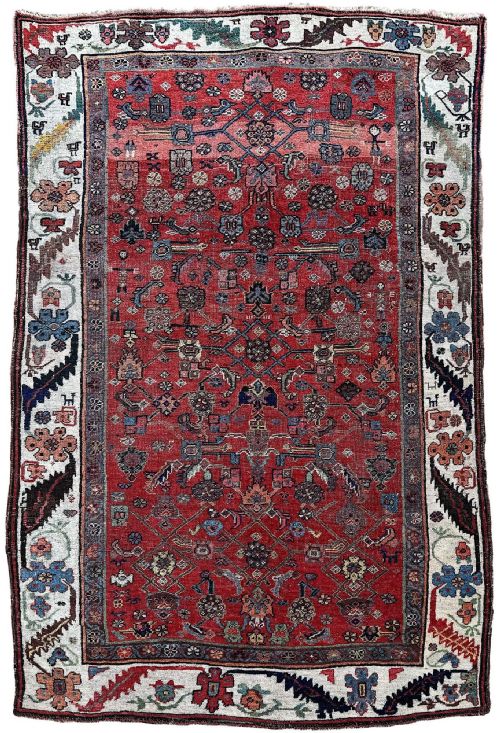
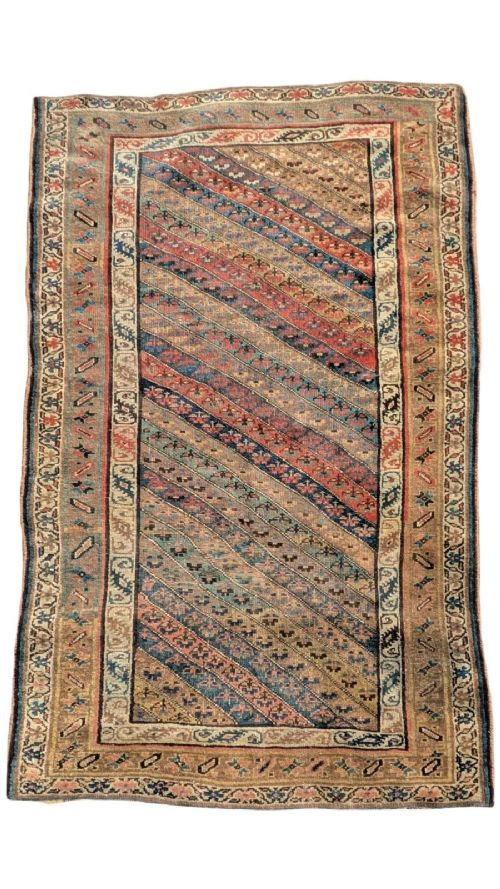
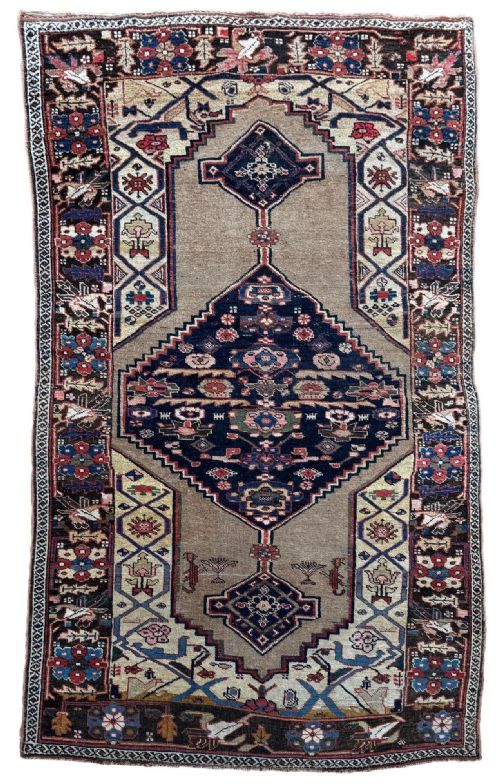
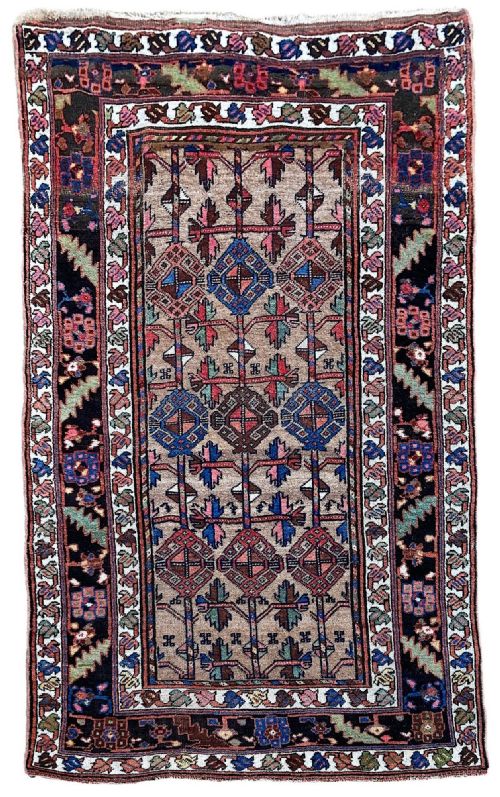
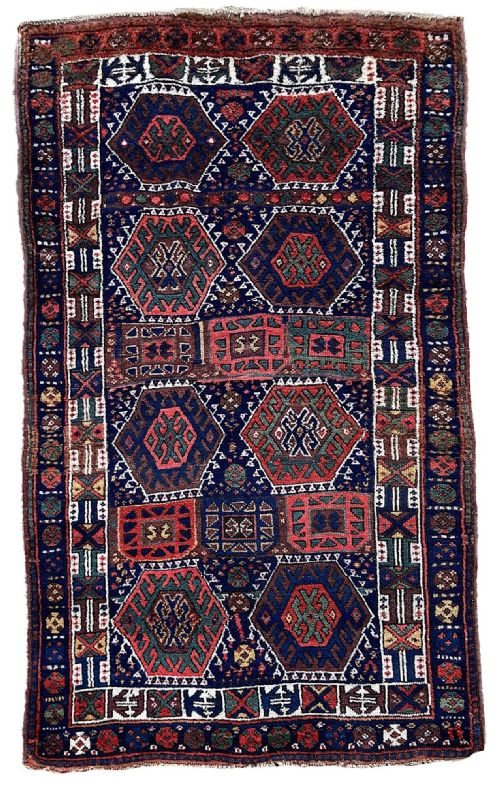
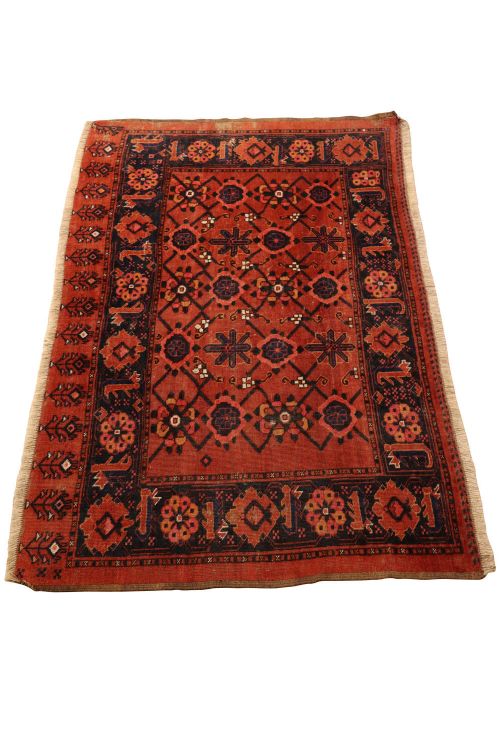
A kurdish geometric area rug brings together village and tribal weaving traditions from regions spanning West Persia, Anatolia, and the Caucasus. These floor coverings are defined by distinct angular patterns, medallions, and tribal motifs that reflect the heritage of the weavers.
Most examples encountered on this page date from the late nineteenth century through to the early decades of the twentieth century. Forms range from smaller scatter rugs to larger kelleh formats and long runners, woven by specific groups including the Jaf, Kolyai, and Quchan Kurds.
The aesthetic leans heavily into bold, repeating geometric elements such as guls, hooked polygons, and linked medallions. Buyers often select these pieces to anchor a room with strong tribal character and rich, earthy palettes derived from traditional dyeing methods.
Materials and construction methods
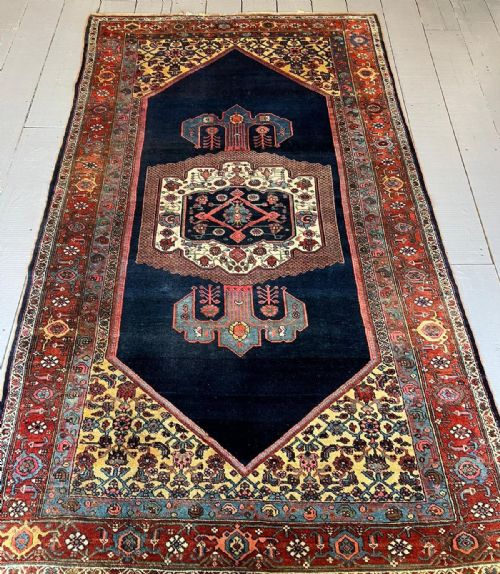
Traditional production relies on sturdy hand-spun wool for the pile and foundation, often paired with cotton warps in specific regional workshops like Bidjar. This heavy use of wool creates a dense, resilient structure designed for practical domestic utility.
Weavers utilised natural dyes to achieve deep indigo blues, madder reds, and earthy yellows that mellow gracefully over decades. The hand-knotting technique varies in tightness, yielding everything from thick, heavy-pile village carpets to flat-woven Soumak structures.
Listings feature pieces spanning from the early nineteenth century through to the 1930s, utilising hand-spun wool and natural dyes.
Evaluating quality and condition
Quality in these textiles depends heavily on the integrity of the wool, the saturation and permanence of the natural dyes, and the precision of the knotting. Finer regional pieces, such as those from the Bidjar region, exhibit a particularly dense foundation that ensures longevity.
The clarity of the geometric design and the balance of the colour palette also dictate the desirability of a piece. Well-preserved pile thickness and intact original borders distinguish exceptional tribal examples from heavily worn village rugs.
The Kurdish Geometric Area Rug Glossary
- Gul
- A repeating medallion or floral motif frequently found in tribal carpets. This ornamental design often identifies the specific weaving tribe or region.
- Kelleh
- A large, elongated format of carpet traditionally used in Middle Eastern domestic spaces. These long rugs typically feature specific proportions suited for hallways or large rooms.
- Soumak
- A flat-weave technique involving wrapping the coloured weft threads over the warp before passing them back. This method produces a sturdier structure than standard tapestry weaving.
- Bidjar
- A Persian town and surrounding district known for densely knotted, durable rugs. Weavings from this area often employ a heavy foundation that stands up to heavy foot traffic.
- Hand-spun wool
- Yarn spun by hand rather than by industrial machinery, resulting in slight variations in thickness. This traditional material absorbs natural dyes unevenly, giving the finished pile a vibrant, mottled appearance.
Kurdish Geometric Area Rug: Frequently Asked Questions
How do I clean an antique rug?
Gentle surface cleaning and regular light vacuuming without a rotating brush help maintain the wool pile. Professional specialist cleaning is recommended for deep maintenance to protect natural dyes.
Avoid using harsh chemical detergents or soaking the piece in water. Proper care preserves the structural integrity of the hand-spun foundation over decades of use.
Where were these rugs made?
These textiles originate from Kurdish tribal and village communities across West Persia, Eastern Anatolia, and the Caucasus. Different subtribes, such as the Jaf or Quchan Kurds, developed distinct regional patterns.
Production often took place in nomadic camps or small rural settlements. Weavers drew inspiration from local surroundings and passed specific geometric motifs down through generations.
Are these rugs suitable for high-traffic areas?
The dense wool construction and sturdy hand-knotted structure make many of these pieces durable enough for everyday floor use. Heavier village carpets handle regular movement quite well.
Using a quality rug underlay provides extra cushioning and prevents slipping. This simple addition reduces friction against the floorboards and extends the lifespan of the pile.
How can I tell the age of a piece?
Dating relies on observing material characteristics such as the use of early natural dyes, hand-spun wool variations, and structural wear patterns. Stylistic markers often point to specific decades between the late nineteenth and early twentieth centuries.
Examining the selvedges and foundation materials provides further clues about manufacturing era. Comparing regional motifs with documented historical examples helps narrow down the period of origin.