

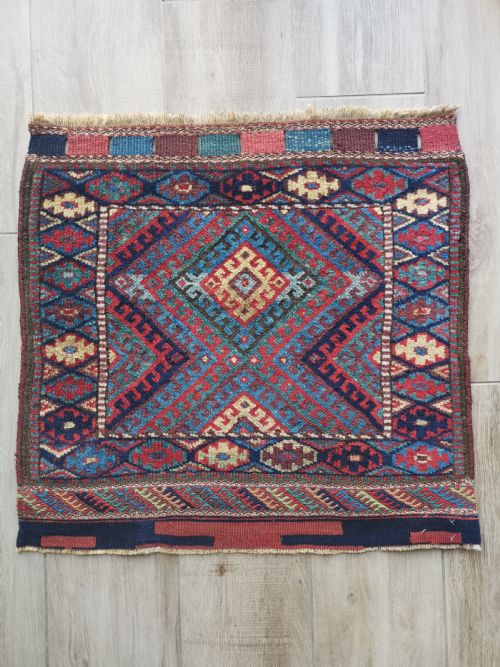


Geometric Motif Carpet
When buying a geometric motif carpet, you are choosing a woven textile defined by repeating angles, medallions, and traditional tribal layouts.
Geometric Motif Carpet
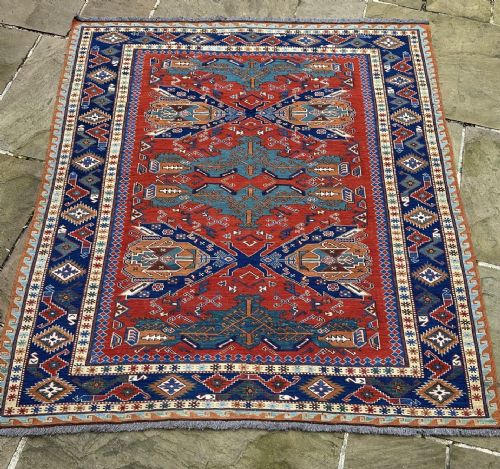
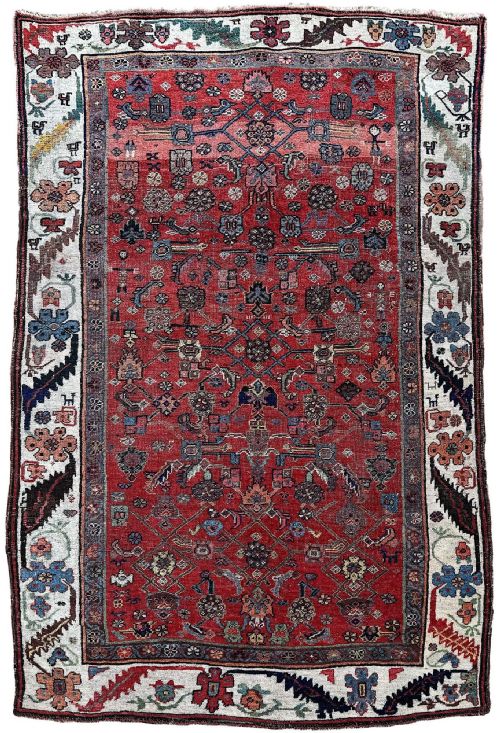
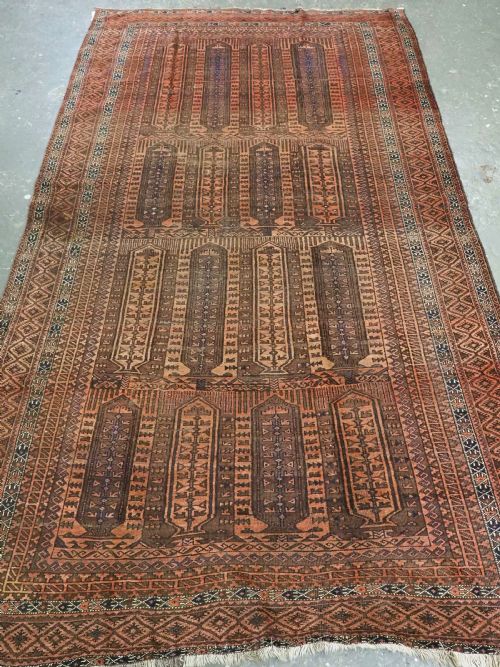
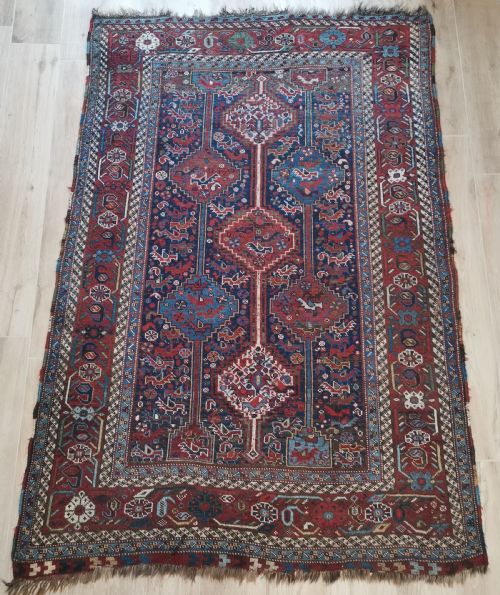
A geometric motif carpet encompasses hand-knotted and flat-woven floor coverings originating from tribal and village traditions across Persia, the Caucasus, Afghanistan, and the Balkans. These textiles display disciplined arrangements of guls, stars, diagonal bands, and rectilinear medallions rather than flowing floral vines.
The selections available here span from the nineteenth century into the early decades of the twentieth century. Forms range from large room-sized carpets and long runners down to smaller prayer rugs, bagfaces, and kilims.
Most examples reflect specific regional weaving groups such as Khamseh, Kurdish, Baluch, and Caucasian workshops. Buyers encounter both robust village work designed for heavy daily use and finer tribal pieces created with symbolic animal and plant motifs.
What varies in quality
Quality separates along the precision of the weave and the consistency of the hand-spun wool. Finer knots per square inch permit crisper definition of rectilinear patterns and complex borders.
The depth and harmony of natural dye lots also distinguish superior examples. Pieces retaining vibrant, well-balanced tones without muddy transitions command greater appreciation from collectors.
Listings feature pieces dated from the early nineteenth century through the 1930s, constructed predominantly from wool, cotton, and natural dyes.
The Geometric Motif Carpet Glossary
- Gul
- A repeating octagonal or medallion motif commonly found in tribal weaving traditions, particularly among Turkmen and Baluch groups.
- Kilim
- A flat-woven carpet or textile produced without a pile by tightly interweaving warp and weft threads.
- Mihrab
- A niche design element indicating the direction of prayer, frequently seen on directional rugs from village workshops.
- Boteh
- A stylised almond or paisley motif representing a floral spray or cypress tree, appearing extensively in regional border patterns.
- Warp
- The vertical foundation threads stretched tightly on the loom before knotting or weaving begins.
Geometric Motif Carpet: Frequently Asked Questions
What is a geometric motif carpet?
A geometric motif carpet is a hand-woven textile featuring angular patterns, repeating medallions, and rectilinear symbols rather than curved floral designs. These pieces originate primarily from tribal and village traditions across the Near East and Caucasus.
Production methods rely on traditional hand-knotting or flat-weaving techniques using natural materials like wool and cotton. Each design communicates specific cultural or regional motifs passed down through generations of weavers.
How do I care for an antique rug?
Antique rugs require gentle maintenance, starting with regular vacuuming using suction only without a rotating brush roll. Keeping the textile out of direct, harsh sunlight prevents the natural dyes from fading prematurely.
Professional cleaning tailored for antique wool textiles ensures accumulated dirt is removed safely. Rotating the piece every year balances wear patterns across different areas of the floor.
Where were these tribal carpets made?
These carpets were produced across distinct regions including southwest Persia, the Caucasus, Afghanistan, and parts of the Balkans. Local tribes and village communities utilised native materials and regional designs.
Different groups such as the Khamseh, Kurdish, and Baluch weavers developed recognisable palettes and border structures. Geography heavily influenced whether a weaver produced a long runner, a small prayer rug, or a large room-sized carpet.
How can I tell regional styles apart?
Distinguishing regional styles involves examining the specific structural borders, knotting density, and primary motif types. Caucasian pieces often display crisp stars and hooked polygons, while Persian tribal work frequently incorporates animal figures, chickens, or repeating guls.
Palette choices also offer strong clues to origin, as different areas relied on specific local plant dyes. Comparing the foundation materials and weave tightness helps narrow down whether a piece belongs to Kurdish, Afghan, or Caucasian traditions.