






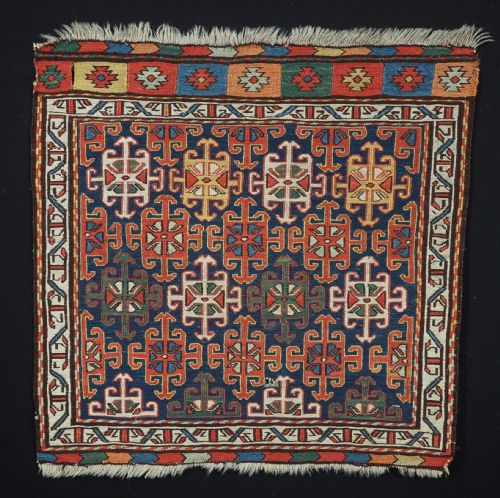
Soumak Weave Carpet
A soumak weave carpet brings complex flatwoven tribal patterns and robust wool structures into modern interiors.
Soumak Weave Carpet
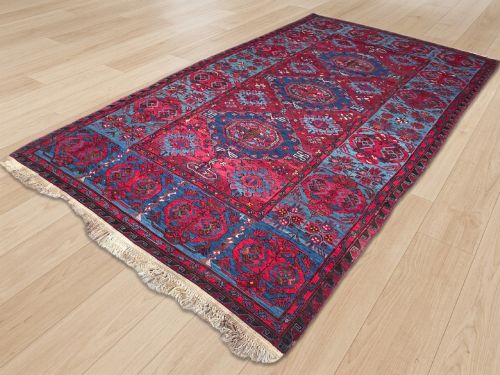
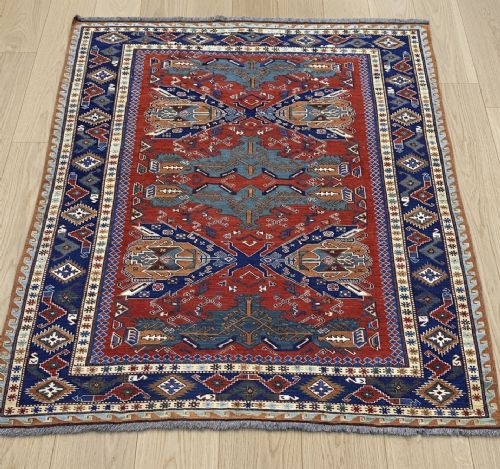
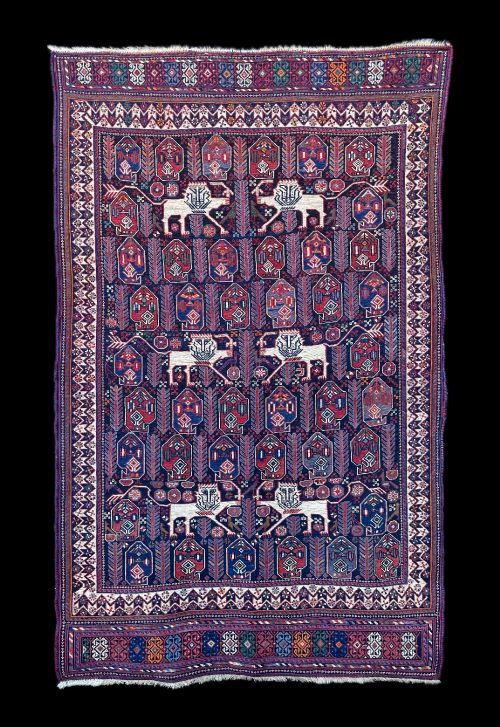
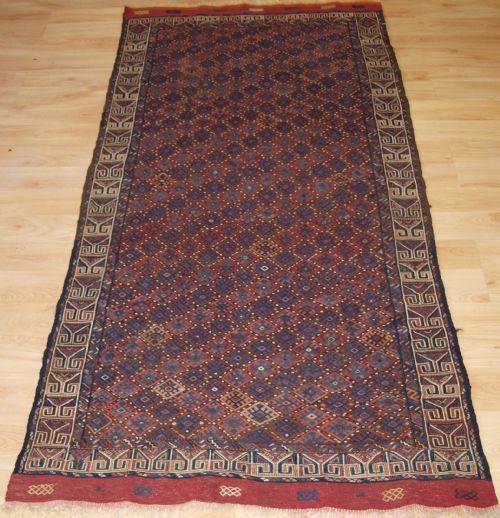
A soumak weave carpet represents a sophisticated tradition of flatwoven textiles produced by nomadic and tribal groups across the Caucasus, Persia, and Central Asia. When you search for a soumak weave carpet, you encounter items ranging from full-scale carpets and long kilims to smaller bag faces and saddlebags.
The selections available span multiple decades and the nineteenth century, reflecting diverse tribal origins such as the Shahsevan, Yomut Turkmen, and Caucasian groups. These pieces showcase distinctive regional designs including triple medallion layouts and bird or dragon motifs.
Tribal and nomadic aesthetics dominate these textiles, connecting contemporary spaces with historical weaving practices. The structural variety extends from large floor coverings to compact utility items utilised by nomadic communities.
How they were made
Weavers constructed these textiles using wool and hand-spun wool, wrapping weft threads over and under warp threads to create a textured, durable surface. This specific wrapping technique distinguishes soumak work from standard plain-weave flatweaves by leaving trailing threads on the reverse side for added thickness.
Colour derives from natural dyes and vegetable dyes, producing rich, saturated hues that develop patination over time. The combination of hand-spun wool and plant-based colourants ensures the structural integrity and visual depth characteristic of these tribal items.
Soumak Weave Carpet Retail Price Guide 2026
Typical asking prices for soumak weave carpet among the pieces listed under this phrase on Sellingantiques today, from the lower quarter to the upper quarter. They describe what is for sale here now, not the wider market.
Listings feature wool, natural dyes, hand-spun wool, and vegetable dyes across nineteenth-century and twentieth-century tribal periods.
What varies in quality
Quality in these textiles rests upon the precision of the wrapping technique and the fineness of the wool used by the weaver. Tighter structures and more intricate geometric or figurative iconography indicate superior regional craftsmanship.
The complexity of the design layout, such as multi-medallion arrangements or detailed bird and dragon motifs, elevates the artistic merit of individual pieces. Furthermore, the vibrancy and retention of vegetable and natural dyes influence the overall visual impact of the textile.
The Soumak Weave Carpet Glossary
- Soumak
- A flatweaving technique where weft threads are wrapped over and under warps in a continuous motion, creating a durable face with texture similar to embroidery. This method provides greater structural stability than standard kilim weaving.
- Bag face
- The decorative front panel of a nomadic storage bag, preserved and displayed as an independent textile. These smaller pieces often contain concentrated tribal motifs.
- Palas
- A term used for flatwoven utility rugs or covers produced by Turkmen and other tribal groups. They function as lightweight floor coverings or tent furnishings.
- Medallion
- A central ornamental design motif placed symmetrically within the field of the textile. These focal shapes frequently incorporate geometric or symbolic elements.
- Warp
- The vertical foundation threads stretched tightly on a loom before weaving begins. The weft and wrapping threads pass through these stationary elements.
Soumak Weave Carpet: Frequently Asked Questions
How do I care for a soumak carpet?
Protect the textile by placing a quality rug underlay beneath it to prevent slipping and reduce friction against hard floors. Vacuum gently with the suction attachment rather than a rotating brush roll.
Keep the item out of direct sunlight to prevent natural and vegetable dyes from fading over time. Rotate the piece periodically to ensure even wear across the surface.
Where were these textiles made?
These pieces originate from nomadic and tribal regions across the Caucasus, Persia, and Central Asia. Specific groups such as the Shahsevan, Yomut Turkmen, and Kurdish weavers produced them.
Production took place within tribal encampments and regional settlements rather than urban workshops. Each group maintained distinct visual vocabularies tied to their geographic area.
What is the difference between a kilim and a soumak?
A standard kilim is a tapestry-woven flatweave with a smooth surface on both sides, created by interlocking weft threads. A soumak involves wrapping weft threads over warps, leaving visible wraps on the front and loose floats on the back.
This wrapping technique gives soumak textiles a ribbed texture and additional weight compared to standard flatweaves. It also allows for more intricate and defined pattern work.
Are these items suitable for high-traffic areas?
The sturdy construction of wool and hand-spun materials makes these flatweaves resilient under moderate foot traffic. Their dense wrapping technique adds durability compared to lighter textiles.
Placing them in hallways or living spaces adds historic character while withstanding daily use. Selecting an appropriate underlay helps absorb impact and prolongs the textile life.